
Regency Low Credenza
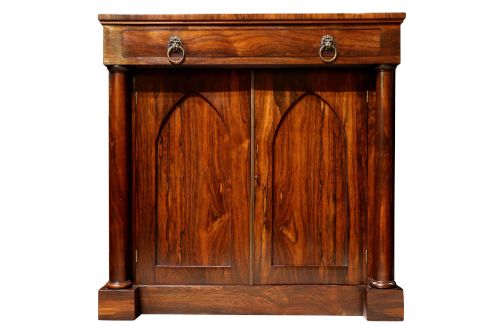
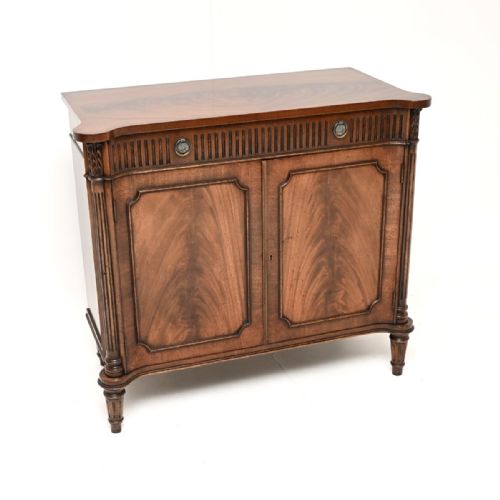
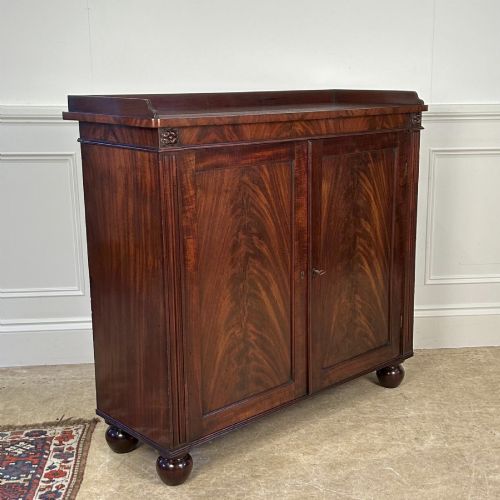
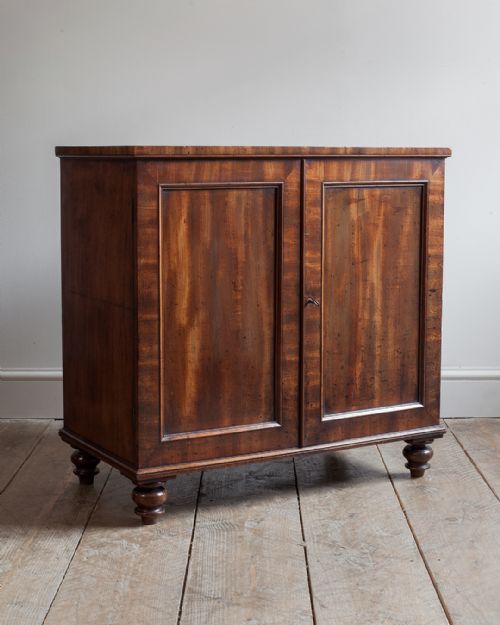
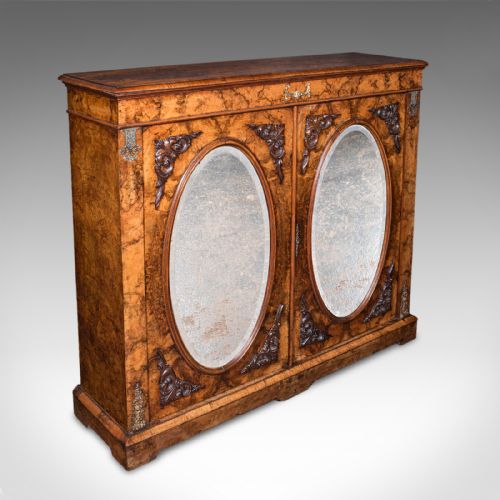
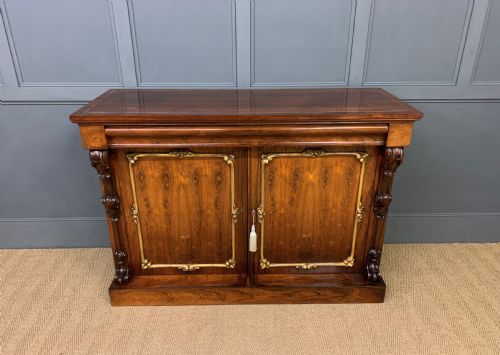
A regency low credenza offers sleek, low-profile storage in figured rosewood or mahogany, anchoring a room with refined period proportion.
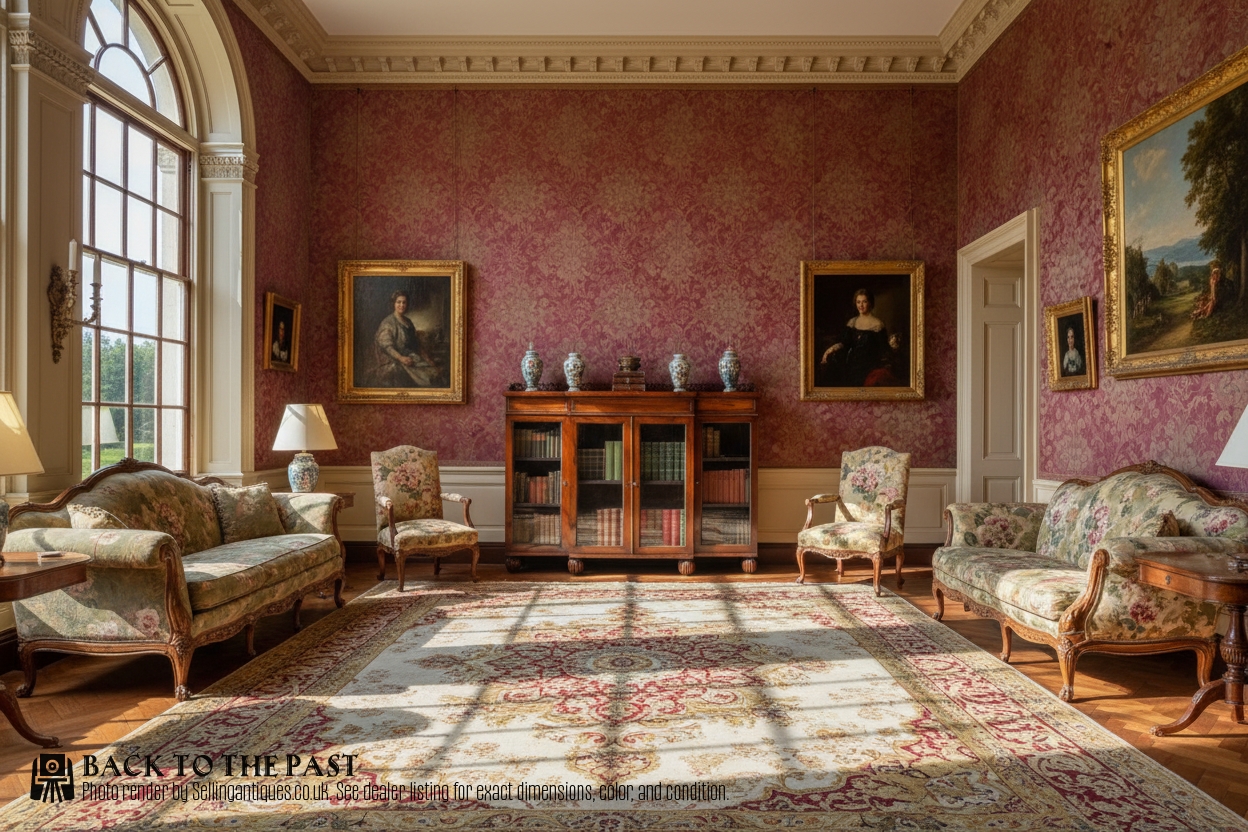
Regency Low Credenza
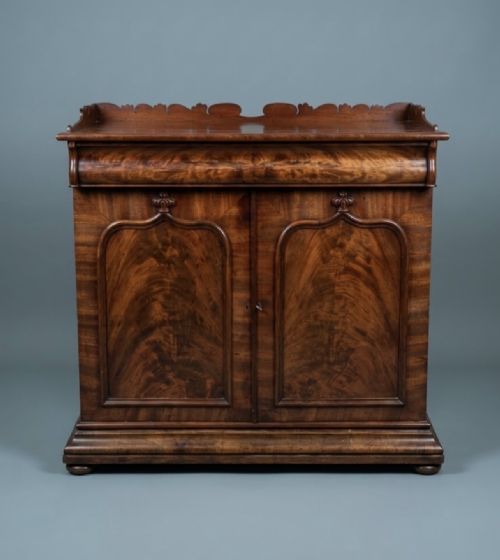
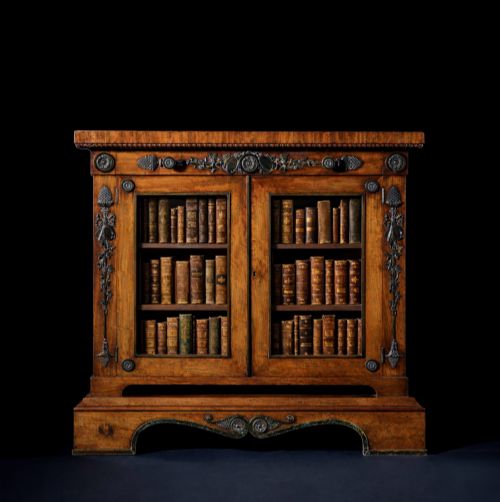
When you search for a regency low credenza, you encounter low side cabinets, chiffoniers, and dwarf bookcases dating from the Regency and William IV periods through to later 19th-century revivals. These pieces serve as functional surface and cupboard space while maintaining a low profile that preserves sightlines in a room.
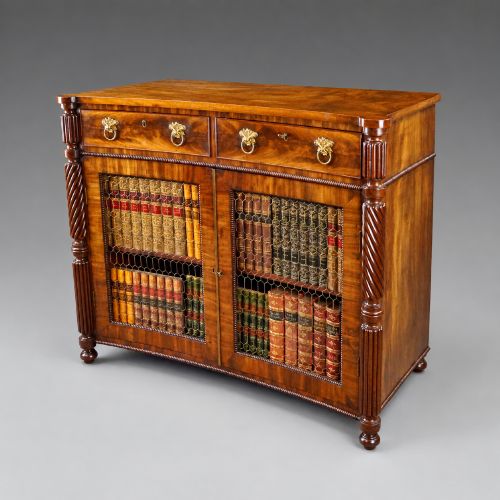
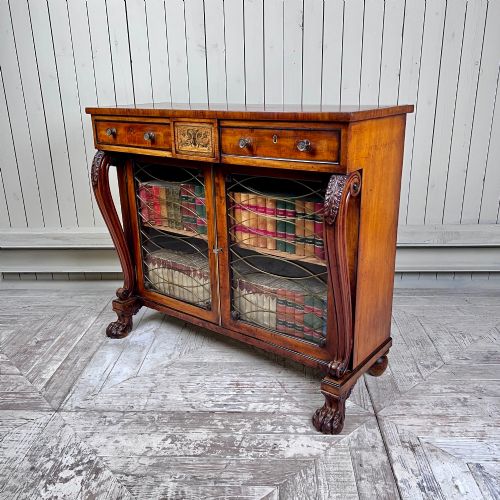
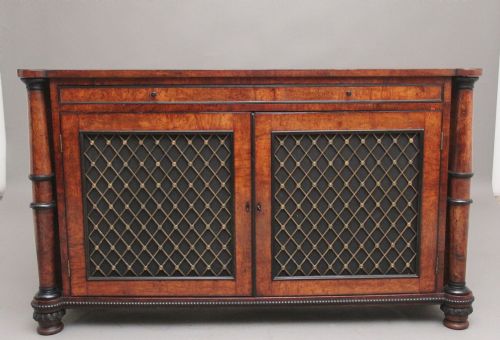
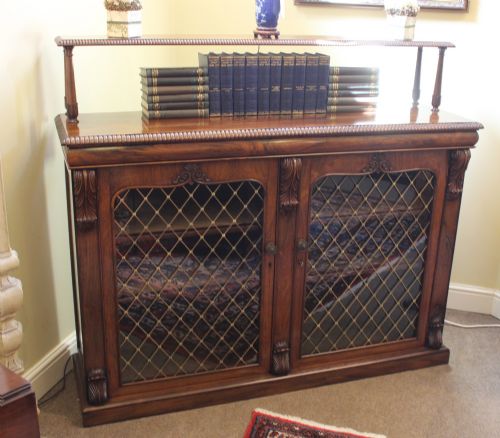
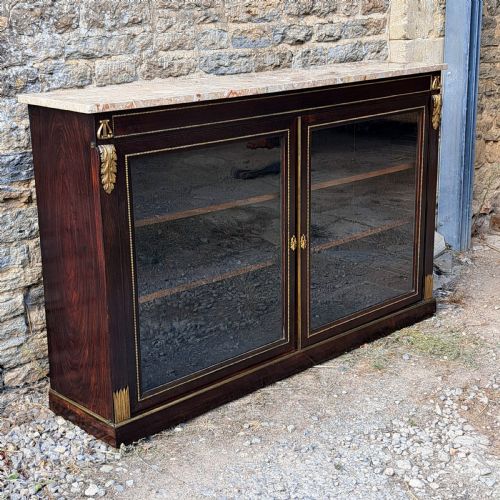
The versions you meet most frequently on this page are constructed from rosewood or mahogany, often featuring glazed, brass-grille, or panelled doors. Forms range from concave side cabinets and open bookcases to low cupboards and breakfront side cabinets originating in the 19th century.
Makers and designers of the era utilised exotic timbers to create compact storage pieces that suited the morning room, drawing room, or library. The selection spans authentic Regency examples alongside William IV, George IV, and Victorian interpretations.
Materials and Construction
Cabinet makers built these low credenzas and side cabinets using dense hardwoods such as mahogany, rosewood, pollard oak, and amboyna, frequently selected for striking flame or plum pudding grain patterns. They integrated brass inlays, ormolu mounts, bronze accents, and ebony stringing to define the architectural lines of the carcase.
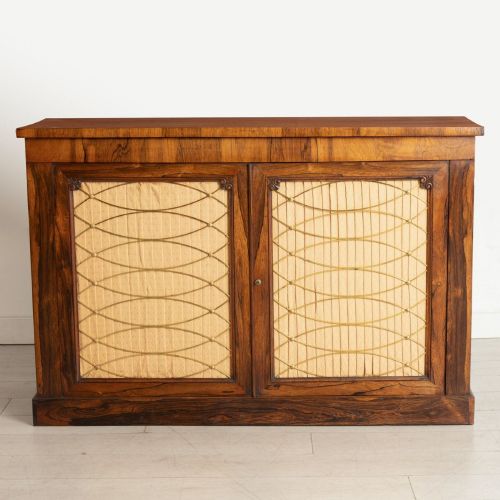
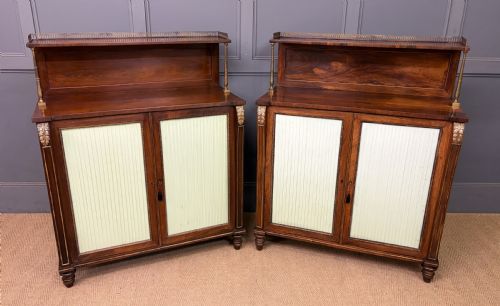
Glazing, pleated silk, and brass wire grilles appeared on cabinet doors to house books or display objects while softening the visual weight of the timber. Marble tops provided durable, cool surfaces on select open bookcases and side cabinets.
Joinery techniques relied on solid carcase construction and preciseveneering, allowing contrasting timbers like ebony to frame panels of figured mahogany or rosewood on dwarf secretaires and low cupboards.
Listings feature woods like amboyna, rosewood, and mahogany alongside brass inlay and marble tops.
Judging Quality
Quality rests in the selection of the timber veneers and the crispness of the brass inlay or bronze mounts. Cabinets featuring highly figured flame mahogany, amboyna, or richly grained rosewood display greater ambition in their initial commission.
The refinement of internal carcase work and the integrity of original brass grilles, glass, and pleated chiffon panels separate standard production from superior pieces. Proportion and neatness of scale also dictate desirability, particularly in low bookcases and dwarf side cabinets.
Gillows
The Regency Low Credenza Glossary
- Chiffonier
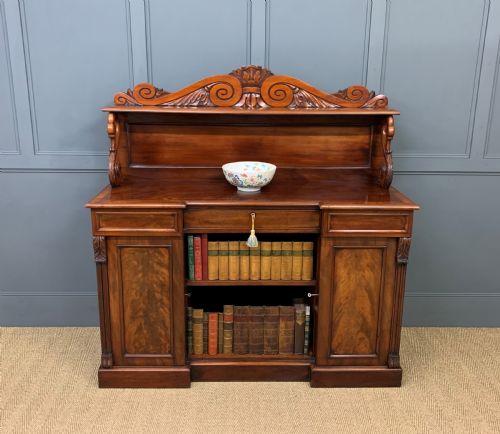
- A low cabinet featuring a combination of shelves and enclosed cupboard space, often topped with a small superstructure or mirror.
- Breakfront
- A piece of furniture where the central section projects forward from the flanking outer sections.
- Ormolu
- Gilded bronze or brass applied as decorative mounts to furniture carcases during the Regency period.
- Dwarf
- A descriptive term for a low bookcase, cupboard, or secretaire designed to sit below standard window height.
Regency Low Credenza: Frequently Asked Questions
What is a low credenza used for?
These low cabinets provide compact surface space and enclosed storage for books, linen, or display objects without obstructing wall art or windows.
Their shallow depth allows them to fit neatly into narrow hallways, morning rooms, and drawing rooms.
How do I identify a Regency period piece?
Authentic Regency pieces typically date from the early 19th century and display classical restraint, balanced proportions, and specific woods like rosewood and mahogany.
Look for refined brass inlay, bronze mounts, and architectural details characteristic of the Regency and George IV eras.
Are these cabinets suitable for modern living?
Their low profile and compact proportions make them practical for contemporary room layouts as media stands or side storage.
Enclosed cupboards and open shelves offer versatile storage options for books and everyday items.
What is the difference between a chiffonier and a side cabinet?
A chiffonier traditionally includes a raised shelf or gallery superstructure above a low cupboard, whereas a side cabinet maintains a flat top surface.
Both forms provide low-level storage in figured timbers like mahogany and rosewood.