


Regency Ironstone Ceramics
Regency ironstone ceramics combine robust earthenware bodies with vibrant enamels and gilt, offering both durability and striking decorative presence for the table or mantel.
Regency Ironstone Ceramics
Regency ironstone ceramics encompass heavy utilitarian and decorative vessels produced during the early nineteenth century. When searching for regency ironstone ceramics, buyers encounter durable wares designed to mimic oriental porcelain at a lower cost.
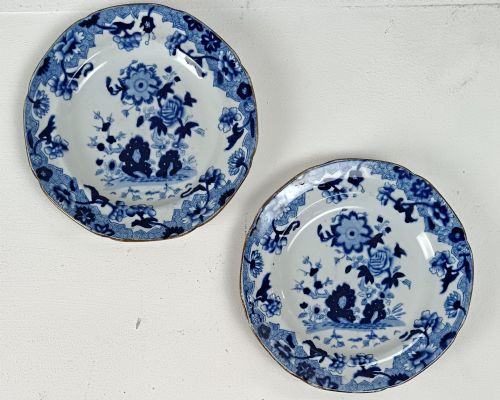
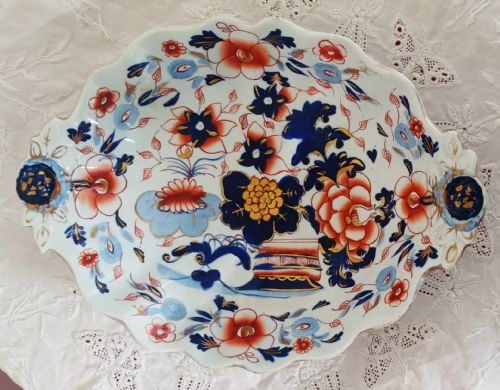
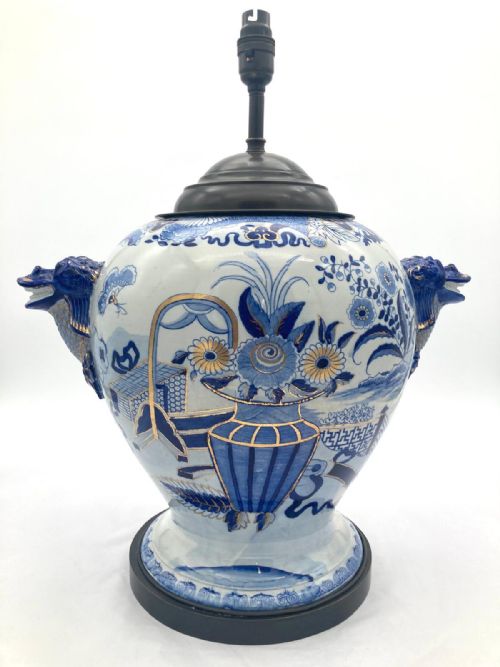
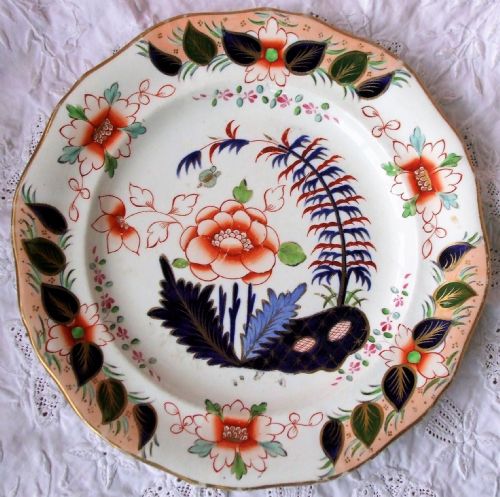
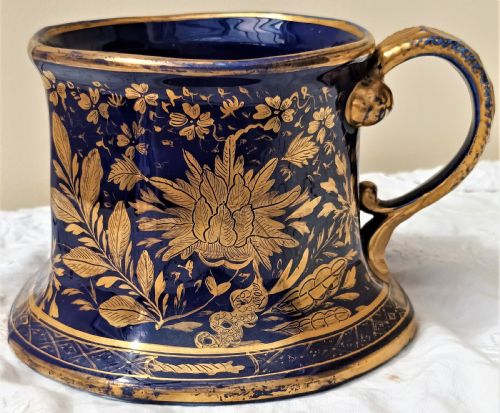
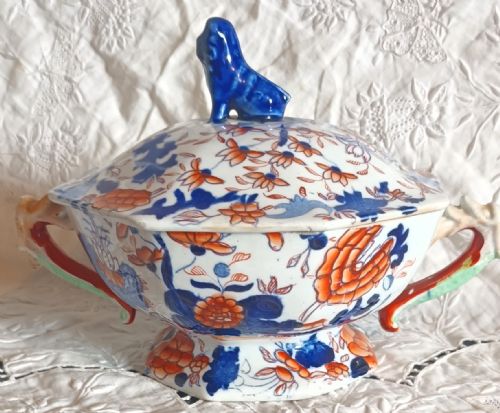
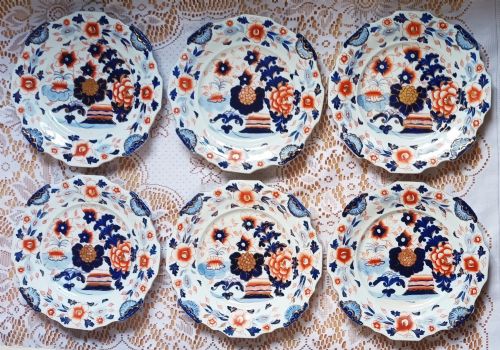
The objects on this page span diverse forms, including large tureens, decorative plates, mugs, and grand vases. Most pieces date from the Georgian and Regency periods, reflecting robust utilitarian ambitions alongside elaborate display purposes.
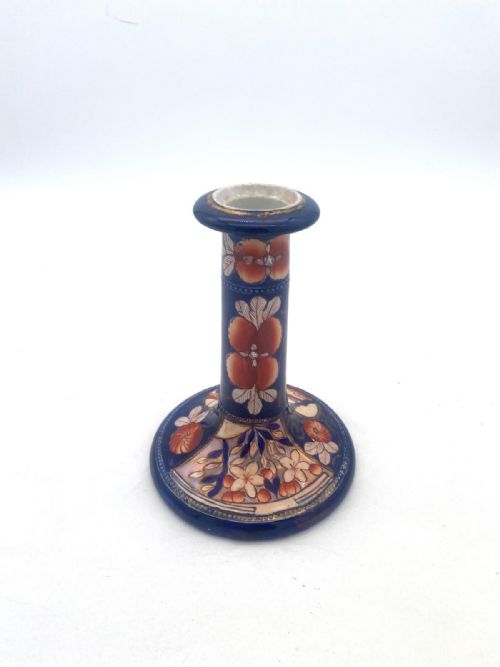
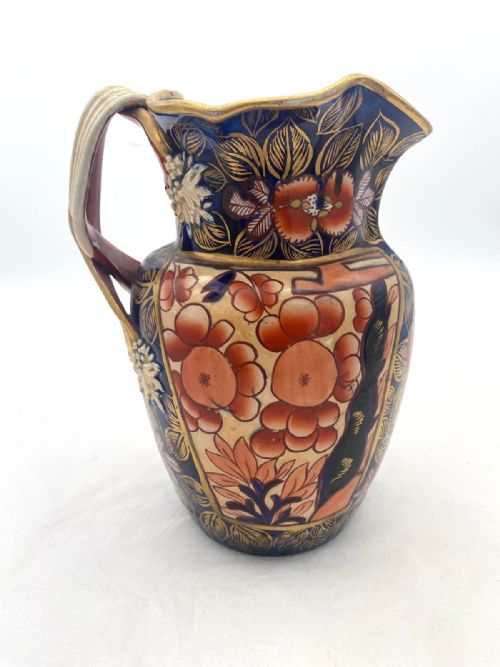
Makers utilised dense earthenware bodies that resisted chipping better than standard pottery. Surviving examples frequently exhibit rich oriental-inspired patterns such as Imari, Chinoiserie, and Schoolhouse designs.
Materials and Technique
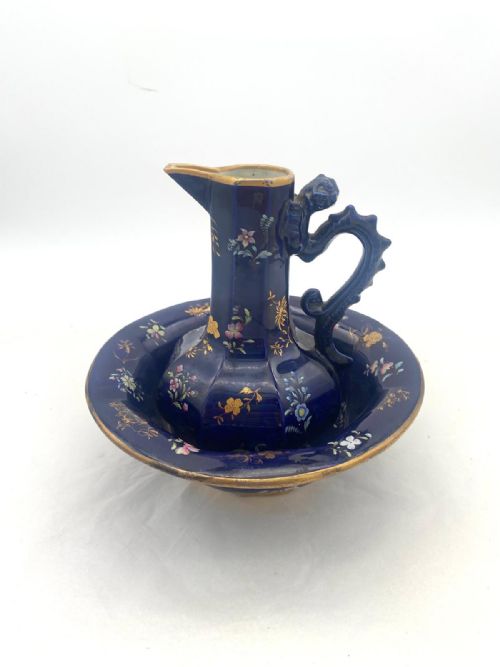
Potters fabricated these wares using a heavy ironstone body, which combined earthenware clay with slag of ironstone to create a dense, vitreous substance. This robust ceramic recipe allowed workshops to throw and mould large, complex objects like garden seats, ewers, and massive platters.
Craftsmen applied glossy glazes alongside hand-painted enamels, cobalt blue underglazes, and gold leaf highlights. Many items received secondary decoration in the form of clobbering or elaborate oriental motifs fired multiple times in kilns to fix the vibrant colours.
Listings feature items spanning the 19th Century, Georgian, Regency, and 1910 periods, utilising ironstone, enamel, gold leaf, and glaze.
What Varies in Quality
Quality in these ceramics depends on the crispness of the moulded relief and the precision of the hand-painted enamels. Superior examples display carefully registered transfer prints augmented by meticulous brushwork and rich gilding.
The ambition of the form also dictates the standard of the piece, moving from simple utilitarian tea plates to large, sculptural tureens with grotesque handles or elaborate covers. Heavier, well-balanced potting separates exceptional cabinet pieces from standard utility wares.
Mason·Spode·Hicks and Meigh·John Davenport
The Regency Ironstone Ceramics Glossary
- Ironstone
- A patented ceramic body invented in the early nineteenth century that bridges earthenware and porcelain. It offers high durability and a heavy feel.
- Clobbered
- Refers to older blue and white ceramics subsequently overpainted with bright enamels and gilt, often to appeal to changing aesthetic tastes.
- Imari
- A decorative style inspired by Japanese export porcelain, characterised by a palette of cobalt blue, iron red, and abundant gold leaf.
- Chinoiserie
- European artistic interpretations of Chinese and East Asian artistic traditions, frequently featuring pagodas, exotic figures, and stylized foliage.
- Mazarine
- A deep, rich shade of dark blue used extensively as a ground colour on nineteenth-century ceramic vessels and vases.
- Drainer
- A perforated ceramic insert placed inside platters or tureens to separate food from accumulated juices during service.
Regency Ironstone Ceramics: Frequently Asked Questions
Were these ceramics used daily?
Many items, such as mugs, tea plates, and drainers, served active roles in nineteenth-century dining and domestic life. Their heavy ironstone body was specifically engineered to withstand regular kitchen and dining room use.
Other forms, like large decorative vases, pot pourri jars, and garden seats, functioned primarily as interior ornaments for country houses. Their survival in varied states reflects both practical utility and careful preservation.
How do I distinguish Regency pieces?
Look for characteristic early nineteenth-century design traits, including vibrant Chinoiserie motifs, Imari palettes, and distinctive factory mark styles. The weight of the ceramic and the specific potting techniques help differentiate them from later Victorian copies.
Cross-reference pattern names like Schoolhouse, Mandarin, or Grasshopper with established period manufacturing dates. Makers often incorporated patent stamps directly into the ceramic base during production.
What is clobbered ironstone?
Clobbered ceramics are older pieces that received subsequent overpainting with bright enamel colours and gilt. Workshops applied these secondary decorations to update older stock or cater to prevailing market demands.
This technique often created dense, colourful patterns over simpler blue and white transfers. Examining the surface under magnification reveals the layered application of the later enamels.