


Antique Ironstone Ewer
These heavy ceramic vessels are practical antique ironstone ewer examples that bring robust Victorian and Georgian utility to any room.
Antique Ironstone Ewer
An antique ironstone ewer stands as a durable and weighty ceramic pitcher, frequently appearing within larger washbasin sets or as a single statement jug. Buyers seeking an antique ironstone ewer find robust earthenware vessels that date primarily across the nineteenth century, including Georgian and Victorian periods.
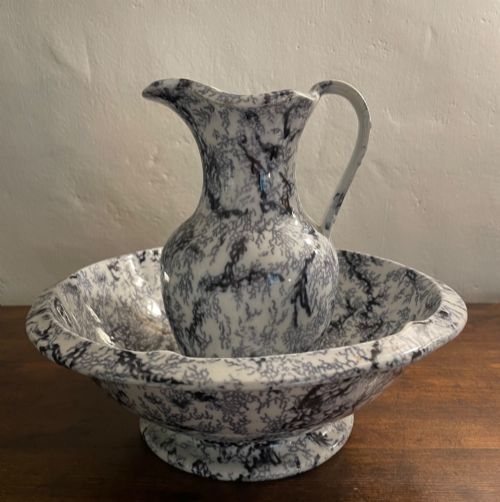
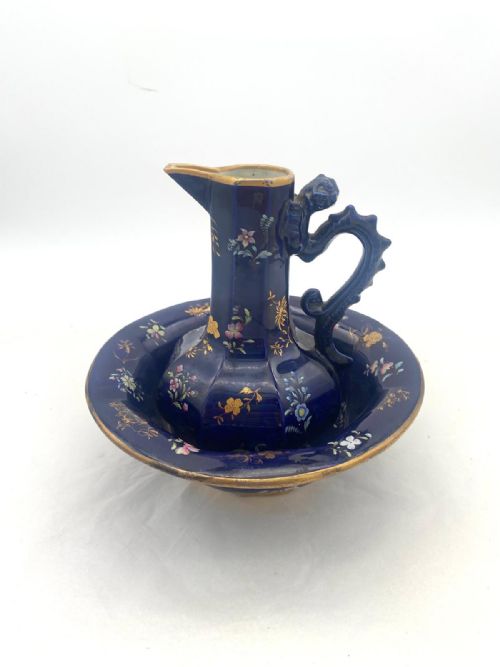
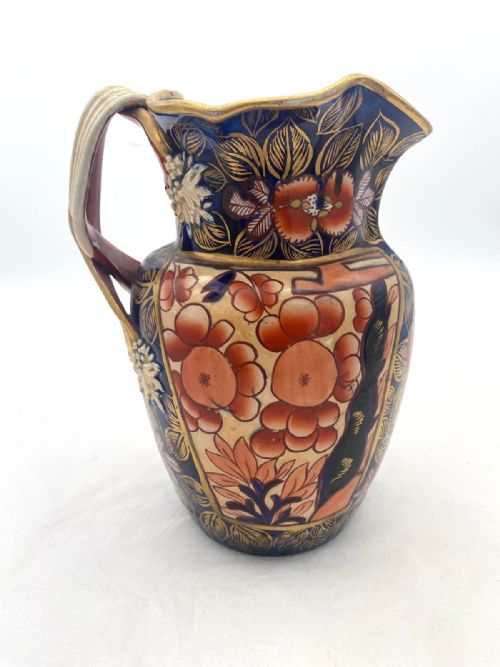
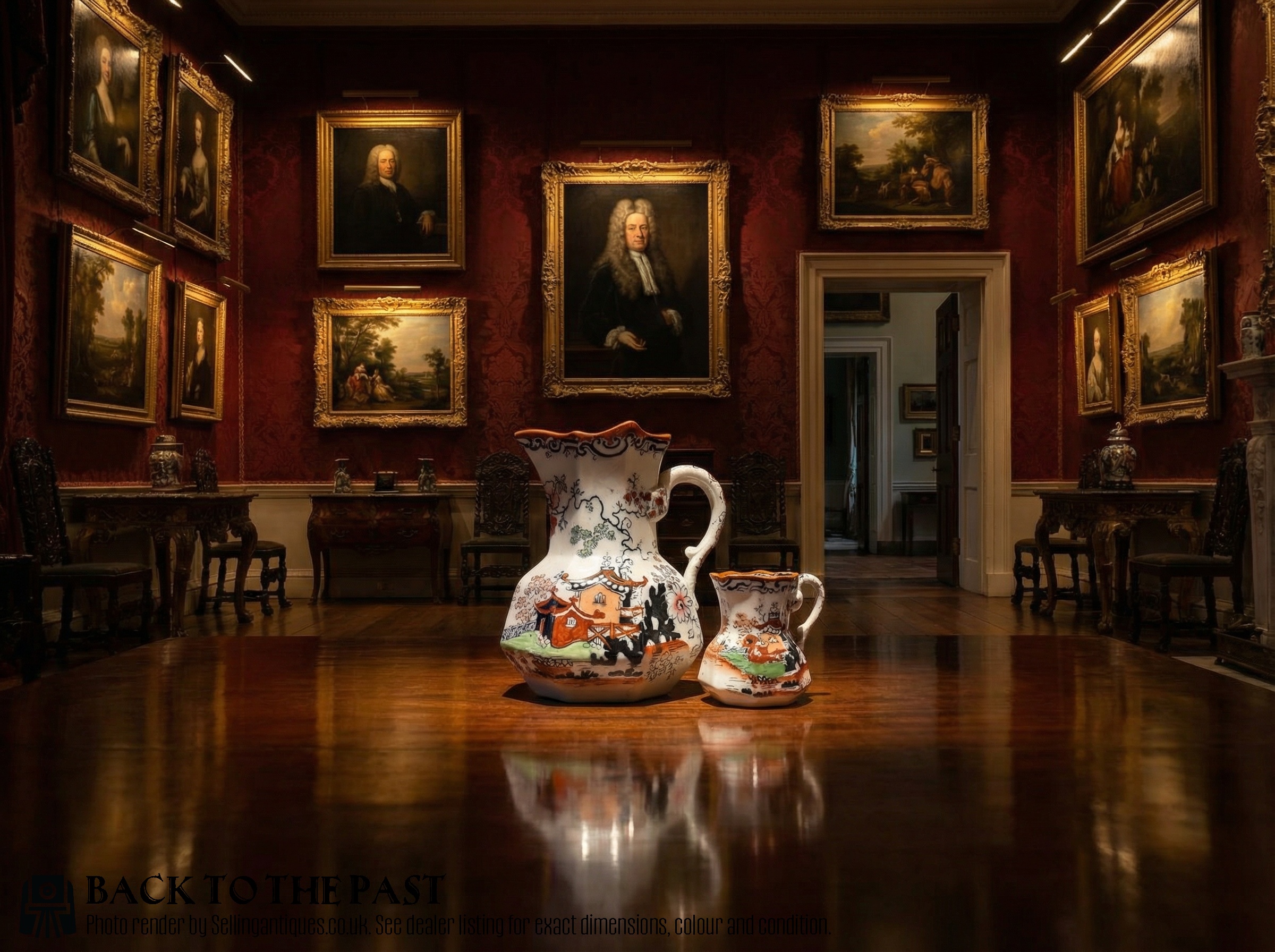
The forms span octagonal shapes, unusual moulded profiles, and matching basin sets designed for nineteenth century washstands. Many examples display oriental inspired decoration or traditional patterns executed in rich cobalt blue and red scale motifs.
Most pieces on offer derive from prominent Staffordshire potteries, combining heavy ceramic bodies with generous handles, sometimes shaped as grotesque creatures. Collectors encounter these jugs singly or paired with their original basins, reflecting domestic washing customs of the nineteenth century.
How They Were Made
Potters built each antique ironstone ewer using dense earthenware ceramic, fired to achieve a tough, vitrified body capable of holding water reliably. This heavy ironstone was then coated in a smooth glaze that provided a clean surface for detailed hand painting and transfer printing.
Makers applied rich cobalt blue pigments, intricate Chinoiserie patterns, and occasional gold leaf highlights over the glaze before a final firing. Handles were moulded separately into distinct shapes like grotesque figures and attached firmly to the main ceramic body before firing.
Certain ewers feature grotesque handles, giving a fierce mythical creature a very practical job pouring water.
What Varies in Quality
Finer examples of an antique ironstone ewer display crisp, deeply impressed or printed factory marks alongside complex hand painted enamel details. The precision of the moulding, particularly on octagonal bodies and sculptural handles, separates standard utility pieces from masterworks.
The depth and vibrancy of the cobalt blue ground and the preservation of delicate gold leaf accents dictate the visual strength of the piece. Completeness also matters greatly, as surviving alongside an original basin elevates the ewer from a solitary jug to a matched set.
Mason's Ironstone·Davenport
The Antique Ironstone Ewer Glossary
- Ironstone
- A heavy, durable type of earthenware ceramic patented in the nineteenth century to imitate Chinese porcelain. It resists chipping far better than standard pottery while retaining a bright glazed surface.
- Ewer
- A large pitcher with a flared spout and a bulbous body, originally designed for pouring water during personal washing. In domestic settings, it paired with a matching basin on a washstand.
- Chinoiserie
- A decorative style reflecting European interpretations of Chinese and East Asian artistic traditions. It appears on pottery through stylised landscapes, oriental figures, and exotic motifs.
- Flow Blue
- A nineteenth century transfer printing technique where cobalt blue ink blurred slightly into the wet glaze during firing. This created a rich, misty appearance across the decorated ceramic surface.
Antique Ironstone Ewer: Frequently Asked Questions
What is an ironstone ewer?
An ironstone ewer is a heavy ceramic water pitcher produced during the nineteenth century for washing and display. These durable vessels often featured bold patterns and large handles.
Potters made them from dense earthenware designed to withstand daily domestic use while mimicking the appearance of expensive porcelain.
How do I date an ironstone ewer?
Dating relies on observing factory marks stamped underneath, stylistic clues like Regency Chinoiserie motifs, and the specific shape of the handle and body. Pieces from the early nineteenth century often feature hand painted oriental scenes and octagonal forms.
Later Victorian examples typically introduced brighter enamel colours, red scale patterns, or standardised washbasin set configurations.
Were these ewers used with basins?
Many ewers were manufactured as part of a matching jug and basin set intended for nineteenth century bedroom washstands. Some survived together down the generations, while others lost their basins over time.
Collectors appreciate finding complete sets because they demonstrate the original domestic function of the ceramics.
How should I display an ironstone ewer?
Because of their substantial weight and robust ceramic build, these ewers sit securely on sturdy sideboards, shelves, or dedicated washstands. Their decorative cobalt blue and red scale patterns make them strong focal points in traditional or eclectic interiors.
Avoid placing them on unstable edges, as their dense ironstone bodies are heavy if knocked.