


Regency Inlaid Clock
A regency inlaid clock brings precision timekeeping and rich cabinetwork together, offering a striking focal point for any room.
Regency Inlaid Clock
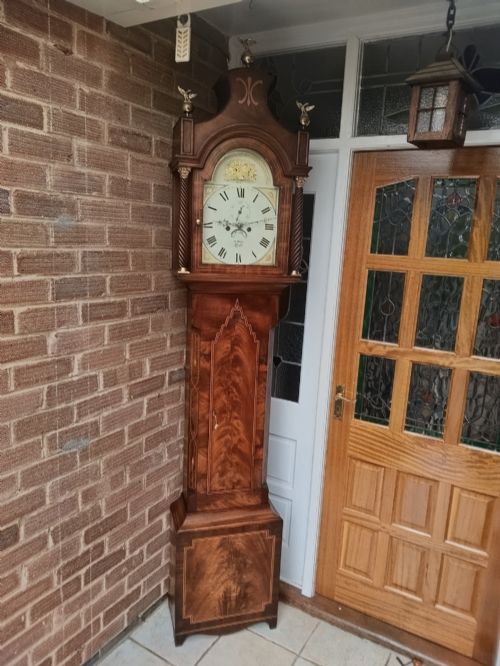
A regency inlaid clock encompasses various timepieces such as bracket clocks, wall clocks, and longcase grandfather clocks produced primarily during the Regency and Georgian periods. These horological items served both practical domestic scheduling needs and displayed refined interior taste through careful woodworking.
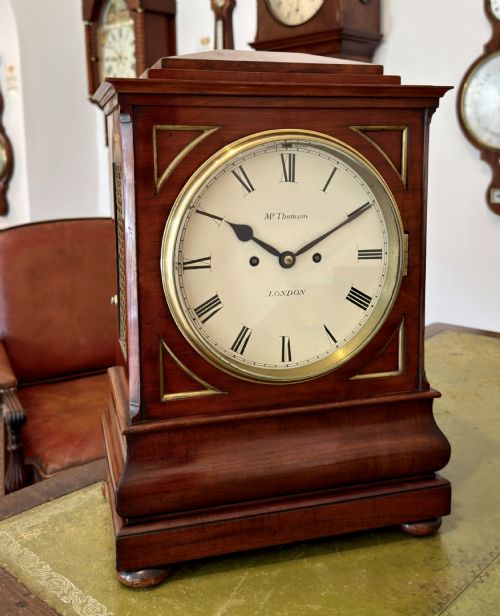
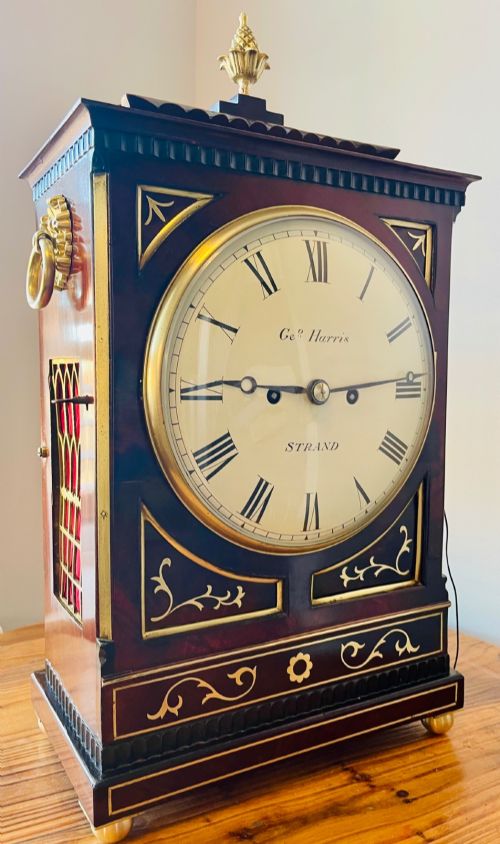
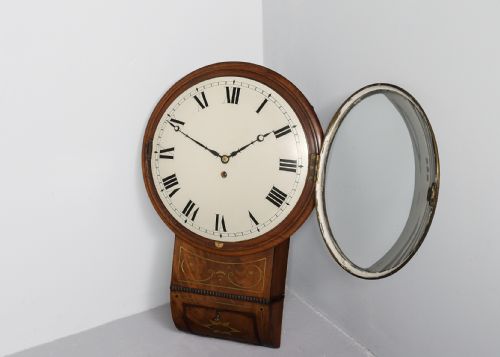
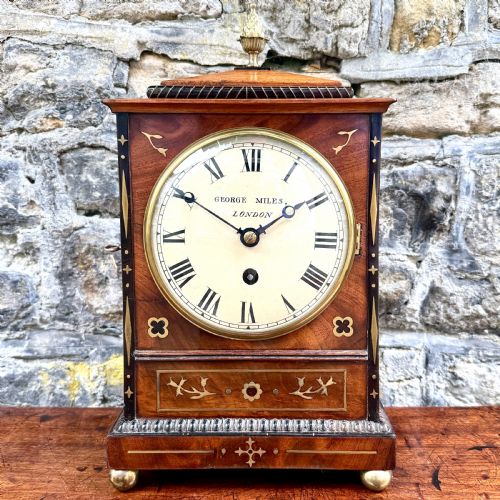
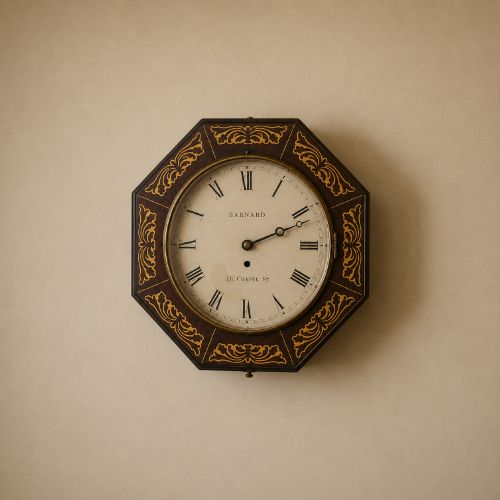
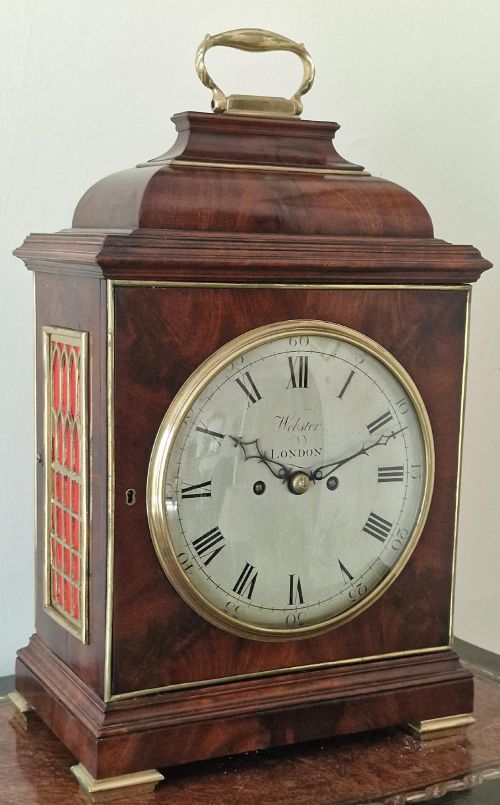
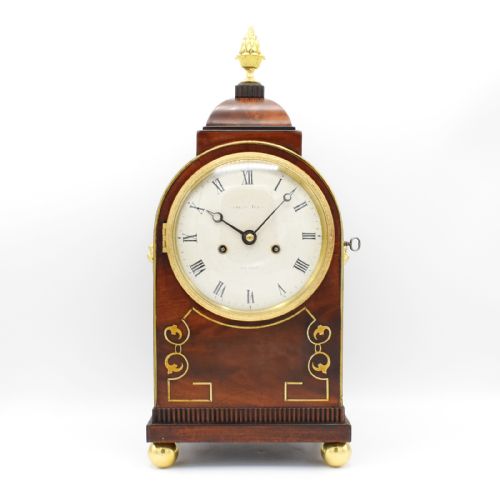
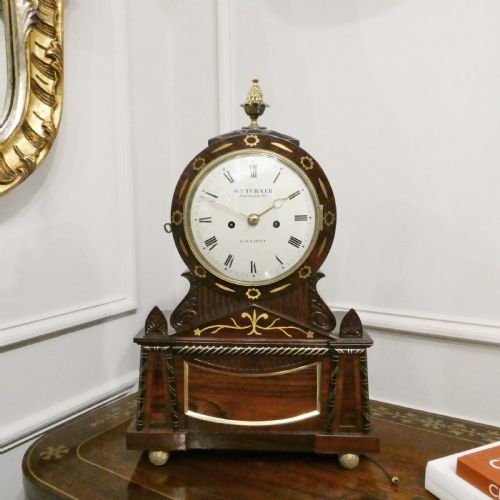
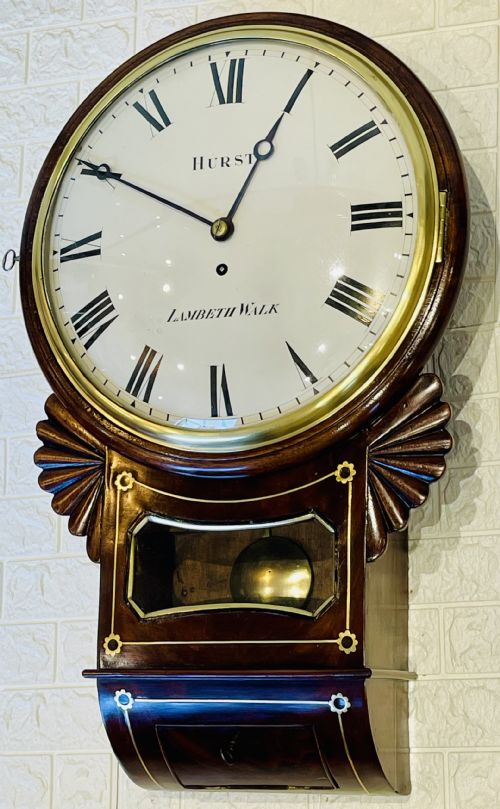
The selection on this page leans heavily toward bracket clocks and wall clocks housed in mahogany or rosewood cases. Many examples incorporate brass inlay, silvered metal dials, and glass panels to protect the internal movements while revealing decorative details.
How they were made
Cabinetmakers constructed the wooden cases predominantly from dense timbers like mahogany and rosewood, frequently incorporating contrasting brass or ebony inlay to create geometric and floral motifs. Fusee movements and pendulum mechanisms provided the internal mechanics, regulated by enamel or silvered metal dials.
Glass doors and windows protected delicate dials and allowed visibility of the escapement and hands. Specialised metal components, brass bezels, and occasional mother-of-pearl accents completed the physical assembly of these domestic timepieces.
Listings feature wood cases in mahogany and rosewood, complemented by brass inlay and silvered metal dials.
What varies in quality
The refinement of the cabinetwork and the precision of the brass inlay set individual pieces apart. Sharply executed brass lines set flush into deeply figured flame mahogany or rich rosewood indicate superior craftsmanship by skilled makers.
Complexity of the movement also distinguishes the range, with repeating striking mechanisms and signed dials commanding greater horological interest. The architectural proportions of the case, from lancet arches to chamfered tops, determine the overall visual harmony.
Thomson of London·George Orpwood·Turner of London·Thwaites & Reed·William Moon London
The Regency Inlaid Clock Glossary
- Bracket clock
- A portable household clock originally designed to sit on a wall bracket. These wooden cased timepieces often feature carrying handles and sophisticated spring-driven movements.
- Fusee
- A conical pulley used inside spring-driven clocks to maintain even tension on the movement as the mainspring unwinds. This mechanism ensures consistent timekeeping accuracy throughout the running period.
- Drop-dial wall clock
- A wall-mounted timepiece featuring an extended wooden case beneath a circular dial. This form became popular for public and domestic spaces during the nineteenth century.
- Silvered metal
- A brass or copper dial treated with a silver compound to produce a matte, reflective finish. Engraved numerals and maker signatures stand out clearly against this pale metallic surface.
- Longcase clock
- A tall pendulum clock housed in a wooden trunk designed to stand directly on the floor. Also known as grandfather clocks, these tall timepieces often feature striking trains and rolling moon phases.
Regency Inlaid Clock: Frequently Asked Questions
Where were these clocks placed?
Bracket clocks sat upon mantelpieces, tables, or specialised wall brackets in principal reception rooms. Longcase clocks stood upright in hallways or stairwells where their height could be accommodated.
Wall clocks hung securely in kitchens, offices, or parlours to provide visible time for the entire household. Their placement depended largely on the need for daily winding and public visibility.
How do I wind my clock?
Most fusee and spring-driven clocks require a specialised winding key inserted into holes on the dial face. Turning the key clockwise tensions the internal mainspring gently until resistance is felt.
Care must be taken not to overwind the movement, as this can strain the delicate internal components. Regular winding at consistent intervals helps maintain accurate timekeeping.
How are periods identified?
Stylistic clues such as brass inlay patterns, timber choice, and dial shape help distinguish Regency pieces from later Victorian adaptations. Case silhouettes like lancet tops or pagoda peaks reflect prevailing architectural fashions of their decade of manufacture.
Maker signatures engraved on the silvered dial provide direct historical evidence of the production era. Comparing the movement construction methods also aids in dating the piece accurately.
Are these clocks still working?
Many surviving examples retain operational mechanical movements that keep accurate time when properly maintained. Descriptions frequently note whether a particular fusee or pendulum mechanism is currently running.
Periodic professional servicing ensures that historical gear trains continue to function smoothly without undue wear. Careful handling preserves both the internal mechanics and the exterior wood finish.