

Regency Glazed Display Cabinet
A regency glazed display cabinet brings together timber and transparent panes to hold books or porcelain.
Regency Glazed Display Cabinet
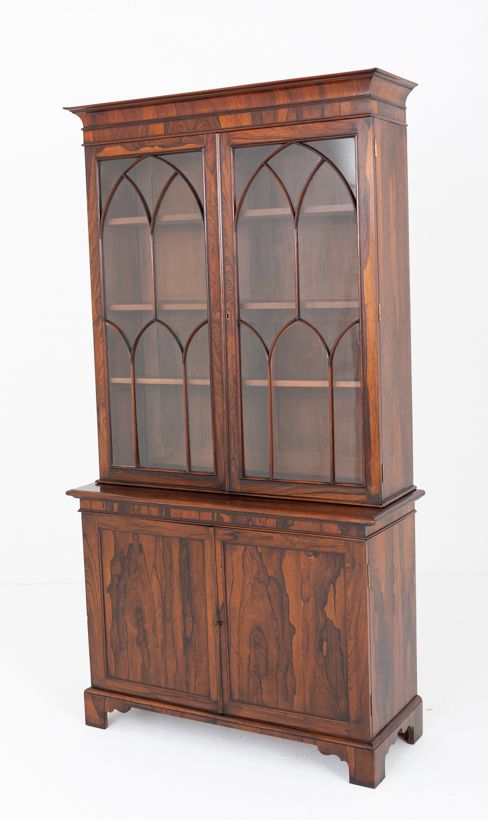
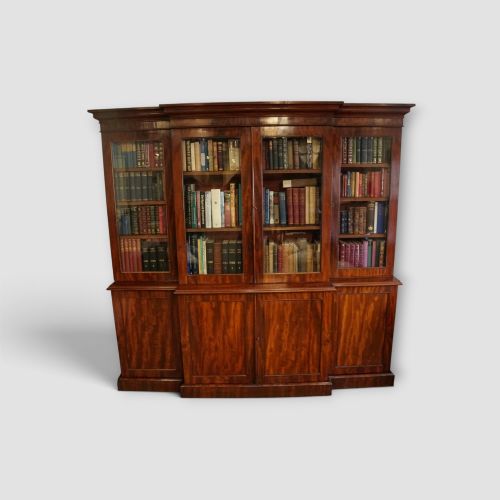
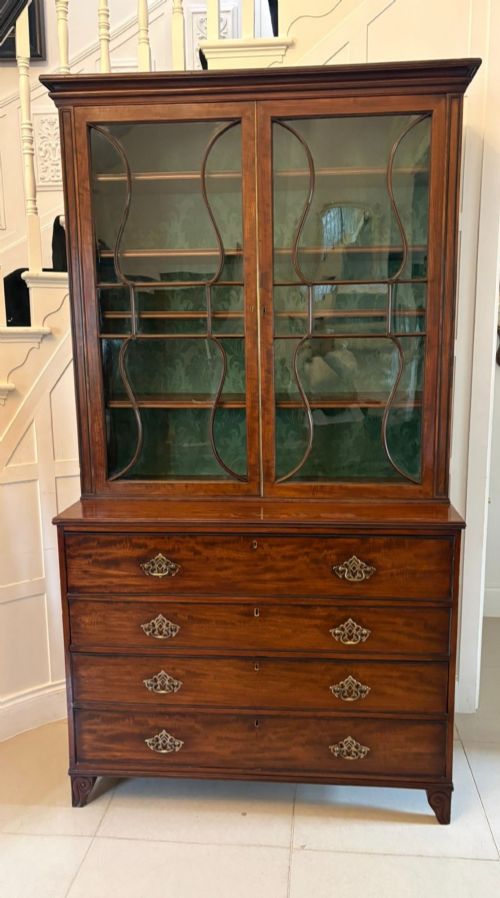
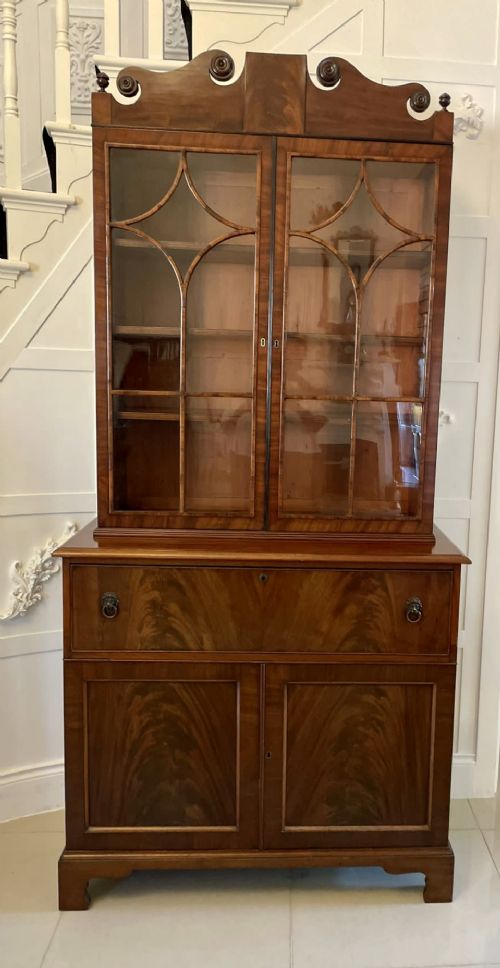
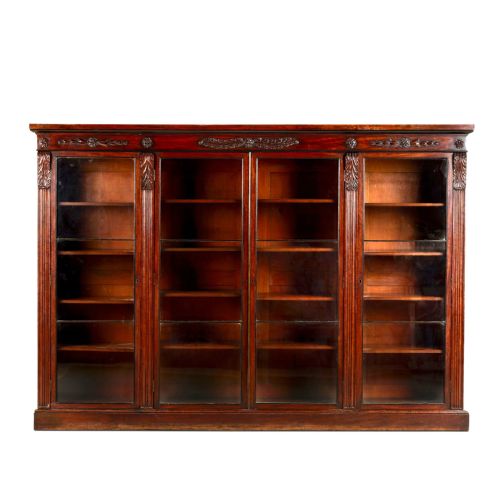
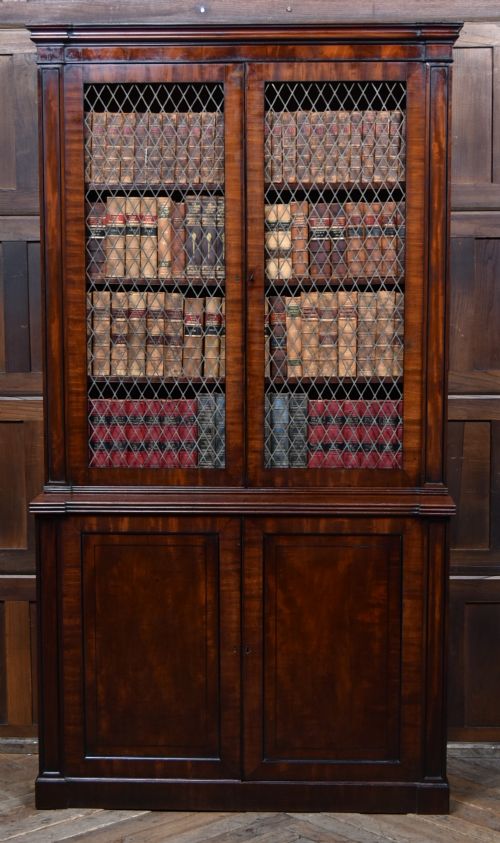
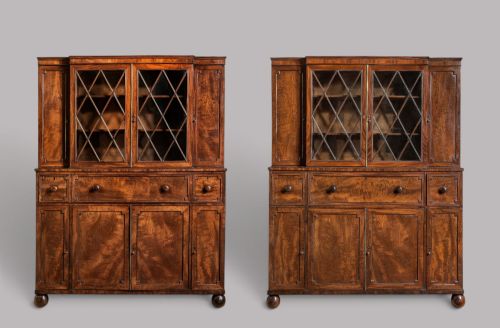
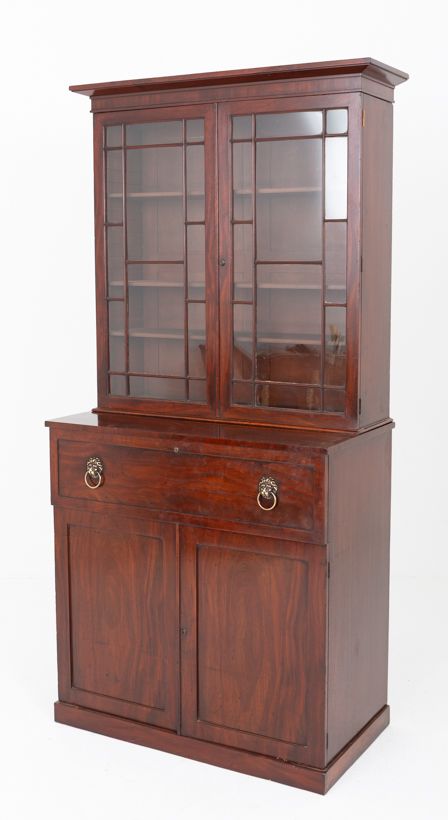
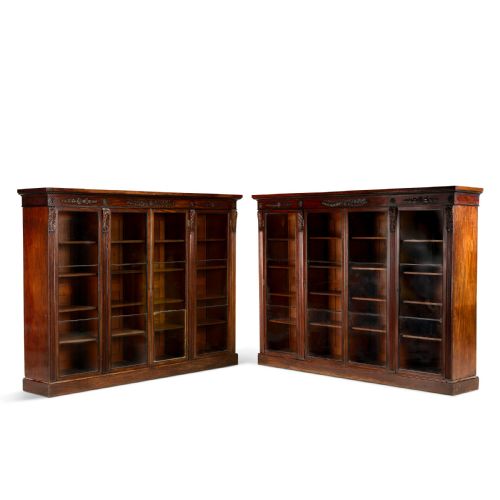
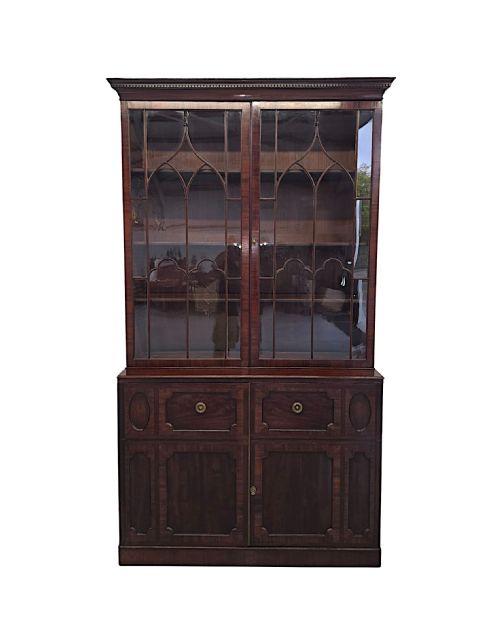
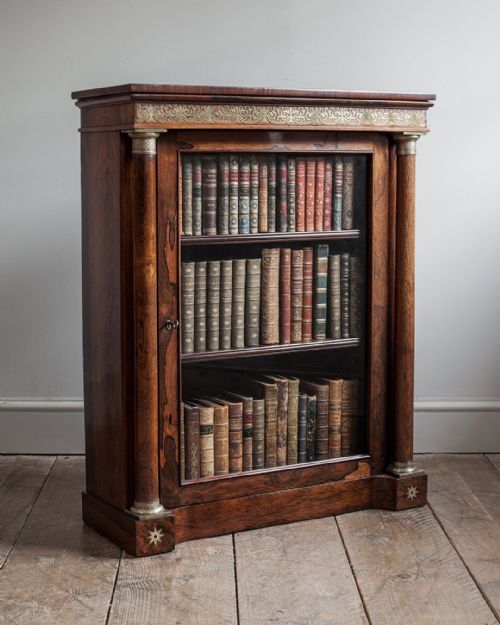
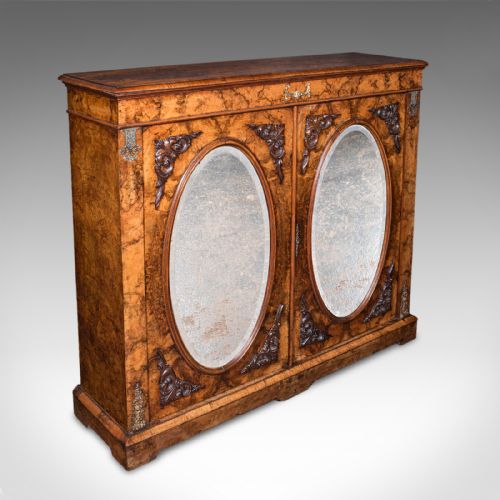
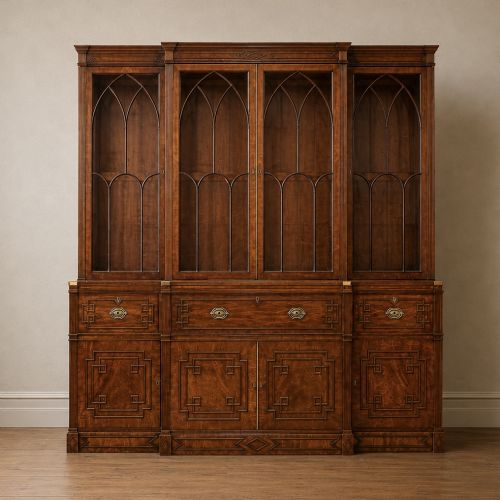
When you search for regency glazed display cabinet, you encounter tall bookcases, breakfront library pieces, and smaller pier cabinets produced during the nineteenth century and the Georgian, Regency, and William IV periods. These forms combine shelving behind glass doors with lower cupboards or secretaire drawers, originating in English domestic settings for the display of prized volumes and collections.
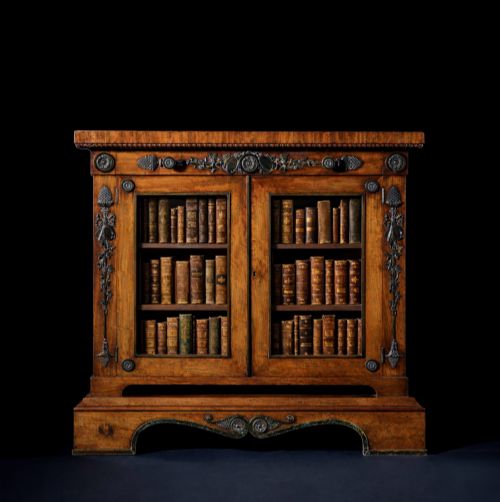
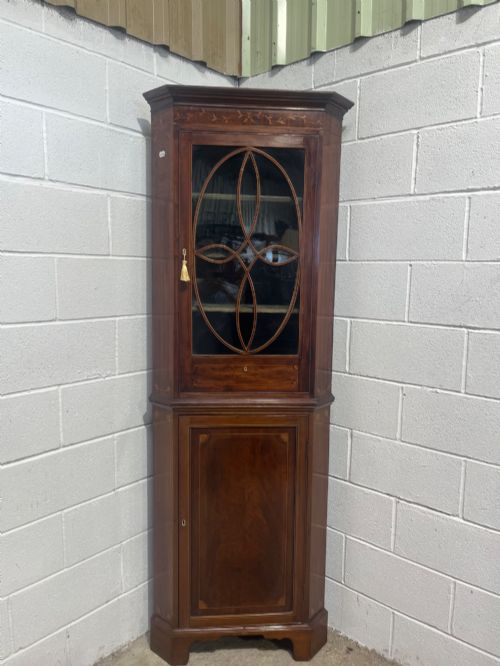
You are most likely to meet mahogany and rosewood examples bearing the architectural proportions characteristic of the Regency style, alongside related display cabinets and bookcases from the broader nineteenth-century timeline. The pieces range from large breakfront library bookcases down to neat pier cabinets and corner cupboards designed for specific drawing rooms and morning rooms.
How They Were Made
Cabinet makers utilised dense hardwoods such as mahogany and rosewood, frequently enhanced by satinwood, burr walnut, and inlaid brass details. Glass panes were fitted into timber doors using astragal glazing bars to divide the transparent areas into geometric patterns.
Structural integrity relied on pegged joinery and fine cabinet work, with bronze mounts and ormolu hardware applied to elevate the decorative finish of pieces attributed to prominent workshops.
Listings demonstrate cabinet construction in mahogany and rosewood, alongside brass inlay, glass, and fabric elements across nineteenth-century periods.
What Varies in Quality
The distinction between standard examples and the finest pieces rests upon the selection of timber figures, such as highly figured mahogany or richly grained rosewood, and the precision of brass inlay and bronze mounts. Finer cabinets display meticulous joinery in the glazing bars and fitted writing interiors.
Proportion and scale also separate workshop output, where grand breakfront library bookcases demonstrate superior architectural balance compared to simpler upright cupboards.
Gillows·Marsh and Tatham
The Regency Glazed Display Cabinet Glossary
- Astragal
- The wooden moulding strips that divide panes of glass within a cabinet door. They create delicate geometric framing across the front.
- Breakfront
- A cabinet design where the central section projects forward from the flanking wings. This creates architectural depth and presence.
- Secretaire
- A cabinet incorporating a pull-down writing drawer fitted with small pigeonholes and compartments. It conceals a desk surface behind a drawer front.
- Pier cabinet
- A low freestanding cabinet designed to fit against the wall space between windows. These pieces often feature glass doors and brass inlays.
- Ormolu
- Gilded bronze ornamentation applied to cabinet surfaces. It provides metallic contrast against dark rosewood and mahogany timbers.
Regency Glazed Display Cabinet: Frequently Asked Questions
How were regency cabinets used?
Libraries and drawing rooms utilised these cabinets to store valuable leather-bound volumes and display porcelain collections away from dust. The glass doors kept contents visible while secure.
Secretaire variants provided a dual purpose, offering a concealed writing surface alongside upper display shelving for correspondence and reading.
How do I style a regency cabinet?
Place the cabinet against a prominent wall in a reception room where its timber grain and glass proportions can command the space. Allow surrounding decor to remain understated.
Fill the interior shelves with antique books, ceramics, or glass objects to maintain the traditional character of the display.
How can I tell regency style apart?
Regency pieces often display classical architectural motifs, such as brass inlay, bronze mounts, and restrained column supports. The proportions favour clean lines and balanced symmetry.
Earlier Georgian pieces lean towards heavier classical forms, while later Victorian adaptations introduce denser ornamentation and alternative woods like walnut.