
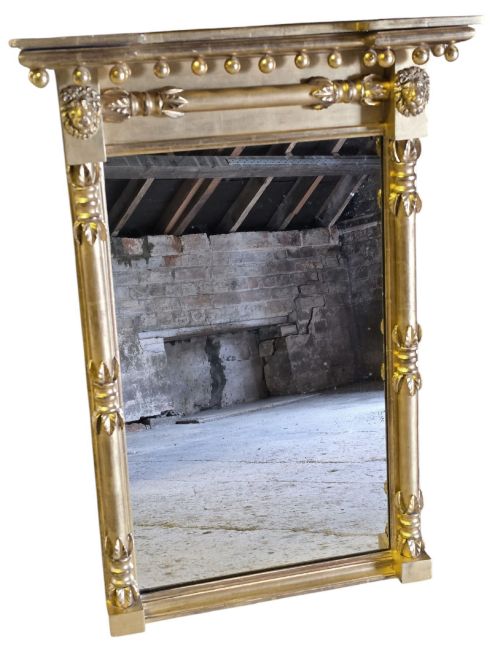
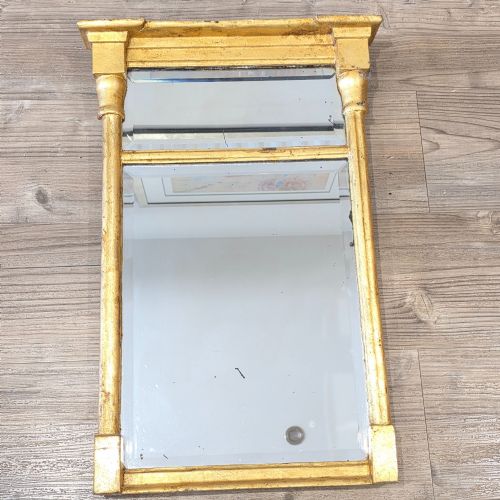
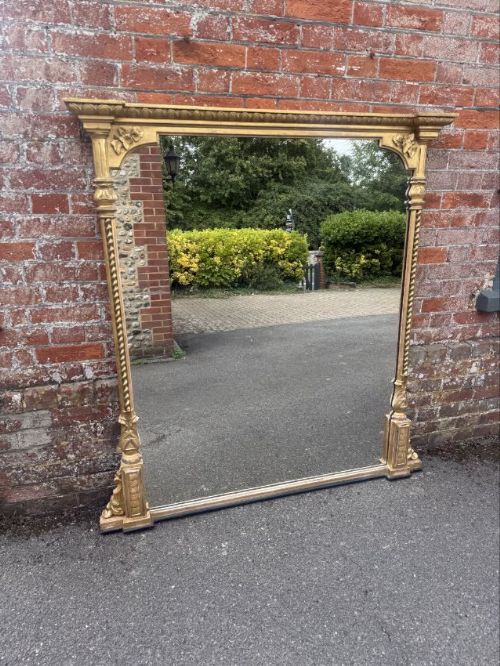
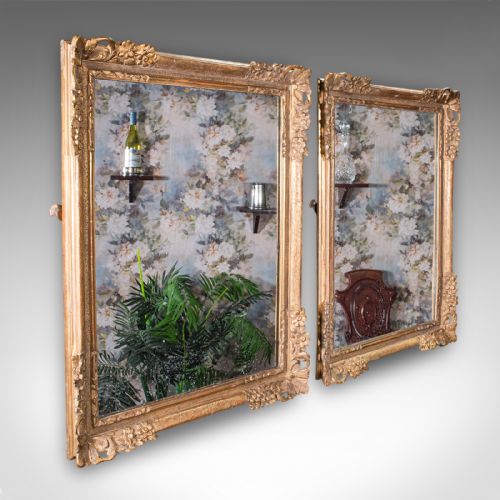

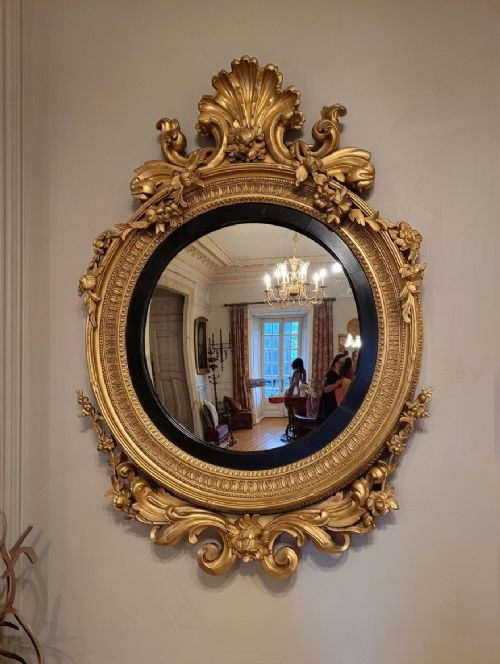
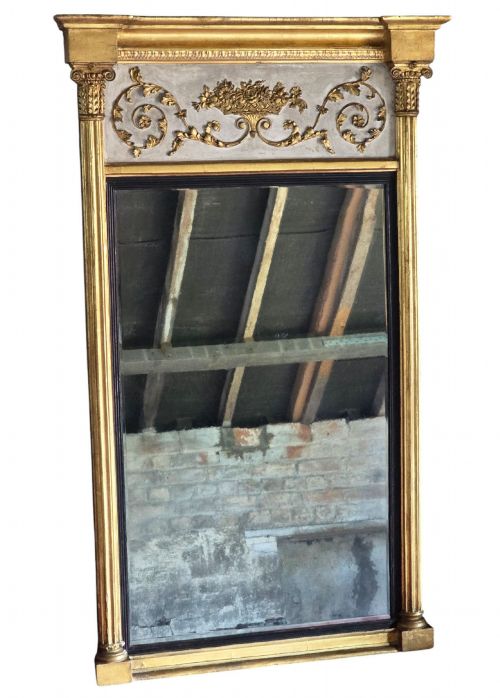
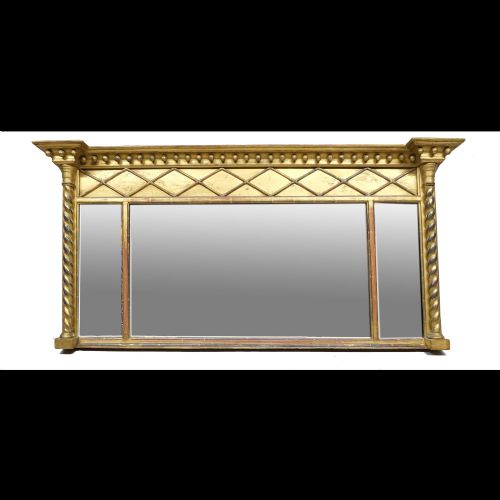
Regency Giltwood Overmantel
When you search for a regency giltwood overmantel, you look for a grand architectural mirror designed to command the space above a fireplace.
Regency Giltwood Overmantel
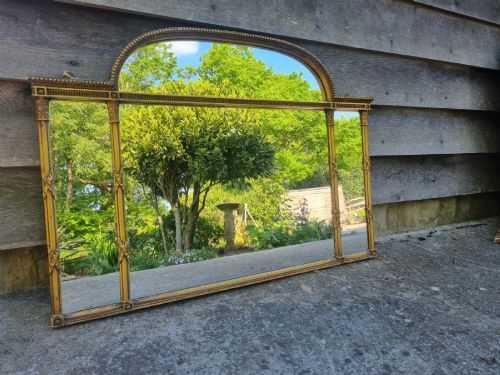
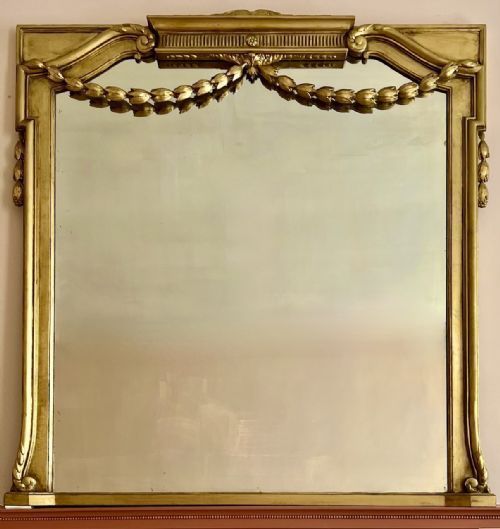
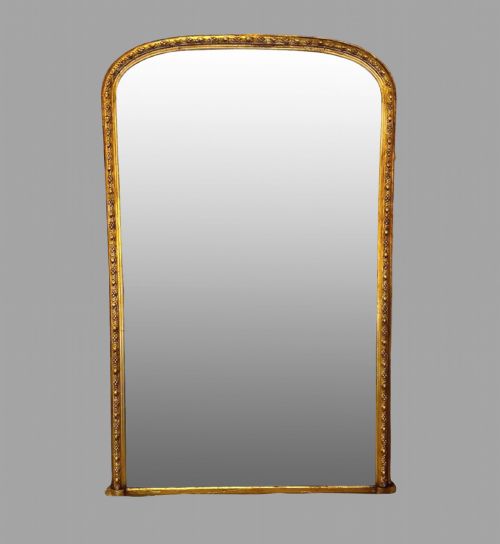
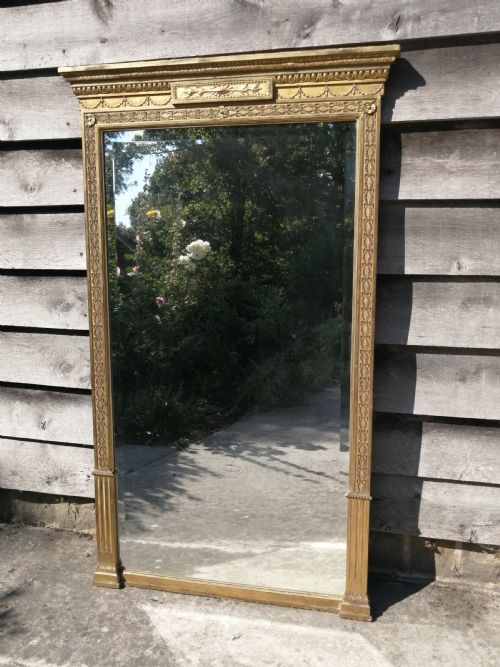
A regency giltwood overmantel serves as a commanding architectural focal point designed to sit directly above a fireplace mantel in a principal reception room. These mirrors reflect natural light around the interior while adding formal presence to the chimney breast.
The versions most frequently met on this page span the nineteenth century, encompassing genuine Regency production alongside later revival interpretations and Victorian adaptations. They appear in horizontal formats, often featuring multi-plate glass configurations or distinctive architectural frames.
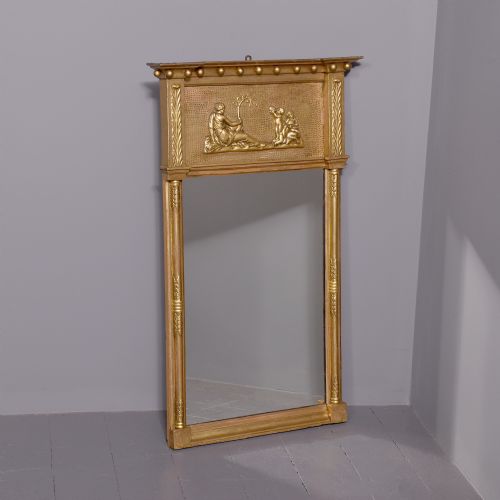
Makers designed these glasses to anchor the proportions of period drawing rooms and parlours, frequently pairing them with matching pier glasses or wall mirrors to unify the decorative scheme of a tall-ceilinged interior.
How They Were Made
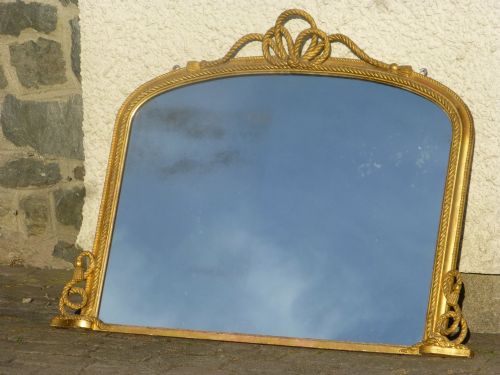
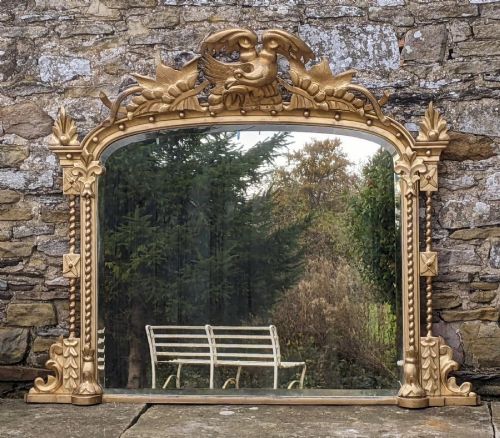
Craftsmen built the structural carcass from timber, applying layers of gesso to create smooth surfaces and crisp relief details before applying gold leaf or paint. Carved wooden elements, rope twist mouldings, and applied composition ornament brought sculptural depth to the frames.
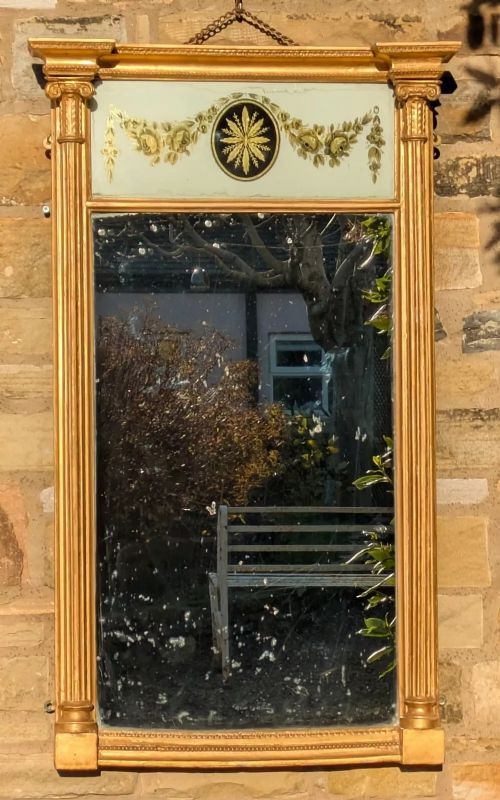
Mirror plates were set into the wooden rebate, sometimes accompanied by specialised decorative glass panels such as verre eglomise or incorporating original lightly foxed silvering that shows the passage of time.
Some overmantels feature nautical rope twist carvings, letting sailors bring the sea indoors while checking their neckties.
What Varies in Quality
The crispness and depth of the carved woodwork and moulded composition ornament set individual pieces apart, distinguishing sharply hand-carved relief from heavier, less defined casting. Artisans who invested greater time in preparing the gesso base achieved a cleaner, more brilliant gilding result.
Structural integrity of the heavy wooden frame and the original retention of antique mirror plates or decorative glass panels influence the overall character and integrity of each individual overmantel.
The Regency Giltwood Overmantel Glossary
- Giltwood
- Wood that has been coated with gold leaf over a prepared gesso ground. This technique creates a luminous metallic finish characteristic of formal period frames.
- Gesso
- A plaster-like material applied to wood frames to provide a smooth surface for gilding or carving. It allows craftsmen to model intricate decorative reliefs.
- Verre Eglomise
- A cold decoration technique where gilt and painted designs are applied to the reverse of glass panels. It frequently appears as an ornamental frieze above the main mirror plate.
- Triptych
- A mirror divided into three distinct vertical sections or plates within a single frame. This layout helps distribute light evenly across wider chimney breasts.
- Pier Mirror
- A tall vertical mirror designed to hang on the wall space between windows. These pieces share stylistic traits with overmantels of the same period.
- Composition
- A moulded mixture of whiting, resin, and oil pressed into ornament. Makers utilised this material to create repetitive decorative motifs efficiently.
Regency Giltwood Overmantel: Frequently Asked Questions
How do I hang a heavy overmantel mirror?
Due to the substantial weight of timber, gesso, and glass, secure installation requires professional wall fixings anchored directly into structural masonry or heavy studwork.
Position the mirror at a balanced height above the fireplace shelf to ensure the frame relates properly to the proportions of the chimney breast.
Were these mirrors always placed above fireplaces?
While primarily designed for the overmantel position, similar large glasses served as pier mirrors placed on walls between tall windows.
Their reflective properties maximised the available daylight in nineteenth-century drawing rooms regardless of whether they sat above a hearth.
What is the difference between single and multi-plate mirrors?
Single plate mirrors feature one uninterrupted sheet of glass, whereas multi-plate or triptych versions divide the reflection across two or three sections separated by dividing bars or applied decoration.
Multi-plate configurations allowed makers to produce wider overmantels before large single sheets of float glass became widely manufactured.
How do I care for antique giltwood?
Dust the gilded frame gently with a soft, dry brush to prevent accumulation without disturbing the delicate leaf surface.
Avoid using liquid cleaners or abrasive cloths, as moisture and harsh chemicals can damage both the historical gilding and the underlying gesso.