

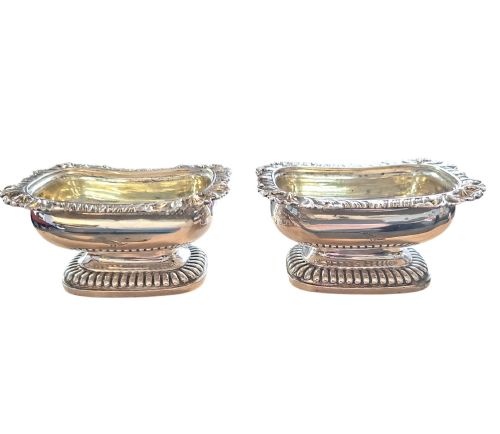

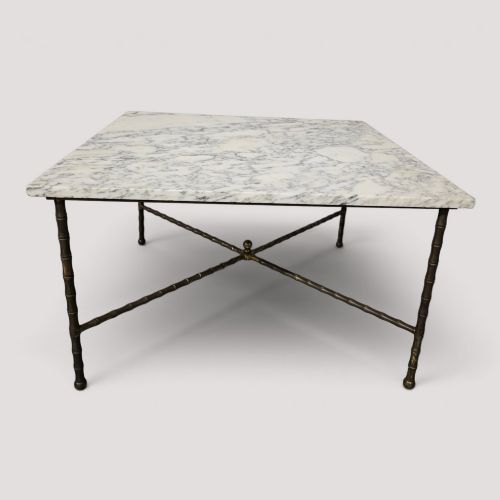
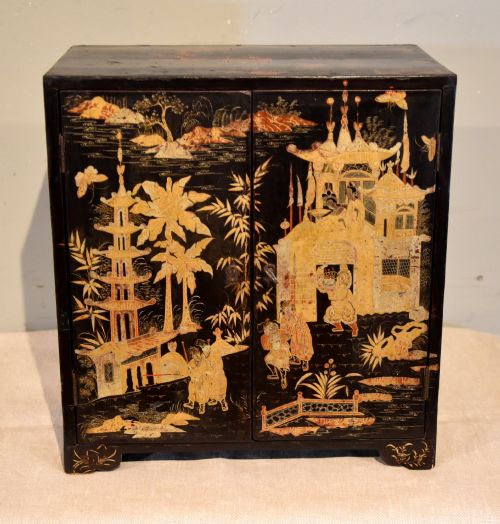
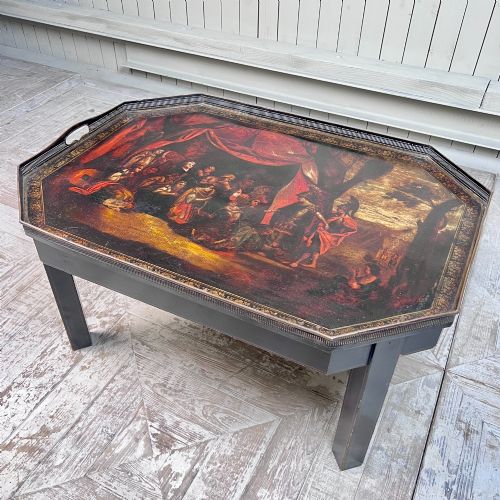

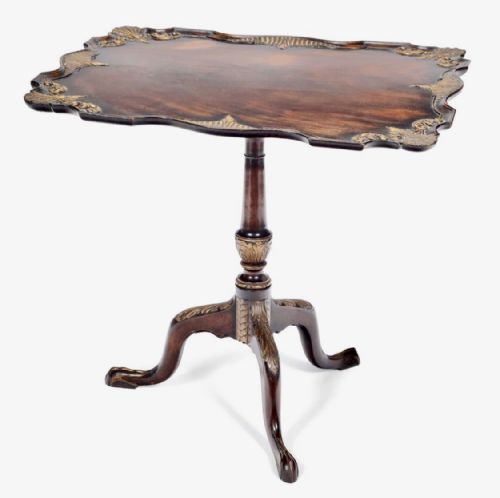
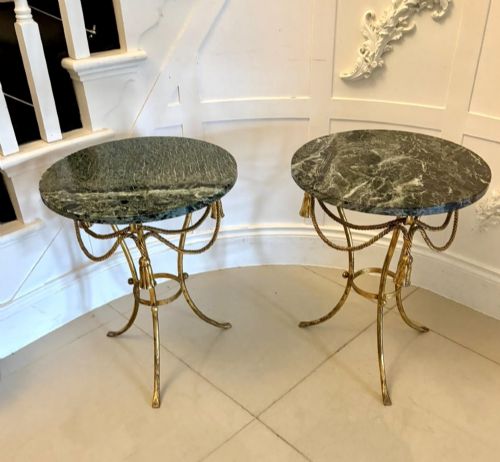
Regency Gilt Table
A regency gilt table brings disciplined Neoclassical structure and brilliant gilded surface decoration into a room, spanning console and occasional forms.
Regency Gilt Table
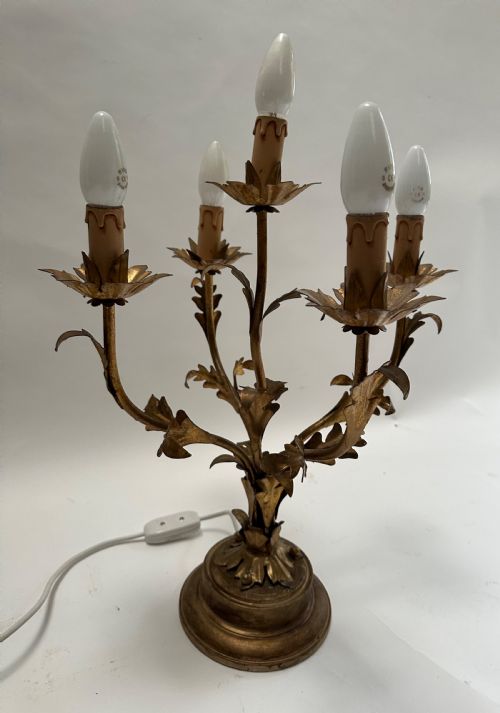
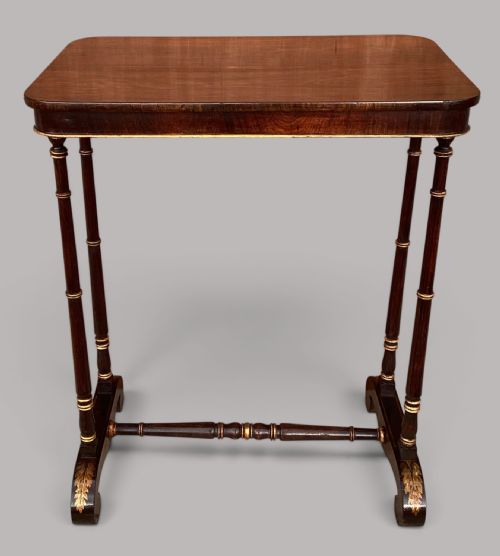
A regency gilt table encompasses console tables, occasional tables, coffee tables, and side tables created during the nineteenth century alongside later revival periods. These pieces draw heavily on Neoclassical and French Empire design, utilising architectural lines paired with gilded ornamentation.
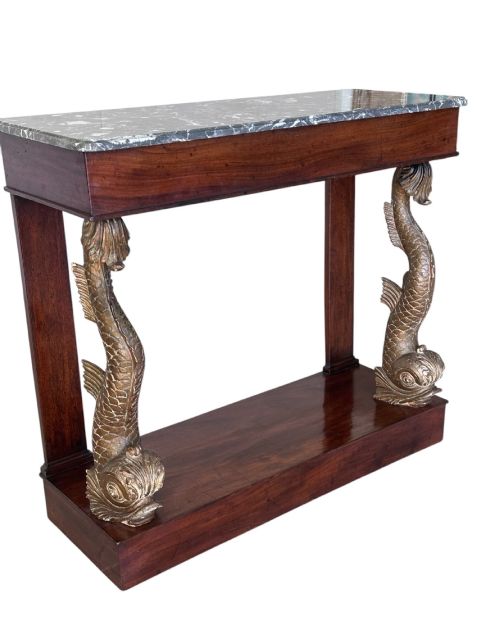
Console tables and pier tables form the primary architectural statement among these items, frequently designed to stand against a wall beneath a matching mirror. Occasional tables and coffee tables provide smaller movable surfaces incorporating similar decorative gilding techniques.
Origins span English workshops of the Regency era as well as French Empire ateliers and twentieth-century revival pieces modelled after original designs. Walnut, mahogany, and pine provide the underlying structure for the applied gold leaf, gesso, and ormolu finishes.
How They Were Made
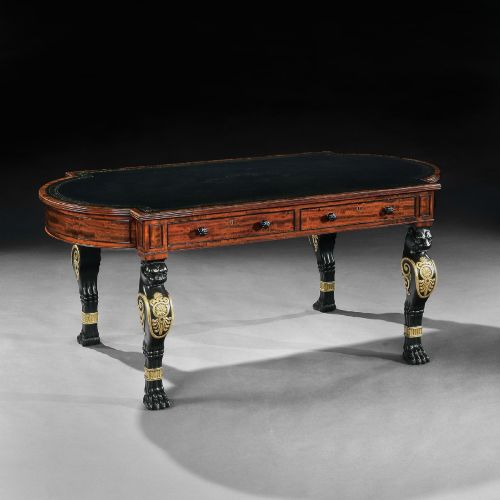
Makers constructed the foundational frames using timber such as mahogany, amboyna, walnut, and carved pine, often applying ebonisation or paint to contrast with metallic elements. Giltwood surfaces received a layer of gesso before gold leaf was carefully laid and burnished by hand.
Metal ornamentation relied upon ormolu, gilt bronze, and gilt brass, cast into classical motifs such as dolphins, tassels, and acanthus leaves. Marble slabs frequently served as table tops, resting upon the gilded wooden or metal bases.
Regency Gilt Table Retail Price Guide 2026
Typical asking prices for regency gilt table among the pieces listed under this phrase on Sellingantiques today, from the lower quarter to the upper quarter. They describe what is for sale here now, not the wider market.
Listings include eighteenth-century, nineteenth-century, and twentieth-century items, spanning early Regency forms, Georgian items, and later revival pieces.
What Varies in Quality
Quality rests in the crispness of the carved wood and the precision of the cast ormolu mounts, where sharper detail indicates superior workshop execution. The integrity of the original gold leaf or gesso surface dictates the visual weight and historical authenticity of the piece.
The choice of underlying timber, from dense amboyna and figured mahogany to standard pine, establishes the baseline tier of the piece. Integrated secondary materials, such as inset verde marble tops or intricate brass inlay, separate standard production from high-status commissions.
Rebecca Emes And Edward Barnard I·George Smith·William Quaker Pegg·Flight Barr And Barr·Mallets·Pierre Philippe Thomire·Hicks And Meigh·John Davenport Of Longport
The Regency Gilt Table Glossary
- Giltwood
- Wood that has been coated with gold leaf over a prepared gesso ground. This technique creates a luminous, reflective surface characteristic of formal antique furniture.
- Ormolu
- Finely chased and gilt bronze ornament applied to furniture and decorative objects. The term derives from the French for milled gold.
- Console table
- A table designed to be fixed against a wall, frequently supported by front legs or brackets. These pieces often feature elaborate gilded carving beneath marble or wooden tops.
- Pier table
- A low table designed to stand against the wall between windows, generally positioned directly beneath a pier glass mirror. They share close formal ties with console tables.
- Parcel gilt
- A decorative treatment where only specific carved details or raised portions of an object are gilded, leaving the underlying wood or paint exposed elsewhere.
Regency Gilt Table: Frequently Asked Questions
How do I identify a true Regency period piece?
Authentic Regency examples display specific structural proportions and joinery typical of the early nineteenth century, drawing on Neoclassical and French Empire vocabularies. The integration of hand-applied gold leaf, brass inlay, and native timbers such as mahogany or amboyna helps ground the dating.
Examination of the secondary woods beneath the surface and the wear patterns on the gilding provide further context. Comparing the decorative motifs against documented workshop designs of the period confirms the origin.
Where should I place a console table in my home?
Console tables function best against flat walls in entrance halls, living rooms, or dining spaces where their architectural silhouettes can be appreciated. Positioning them beneath a mirror or artwork creates a balanced traditional arrangement.
Because these tables are relatively shallow, they occupy minimal floor space while providing a formal surface for lamps or decorative objects. Their finished backs and detailed frames ensure they command attention from multiple angles.
What is the difference between giltwood and ormolu?
Giltwood refers to wooden furniture frames that have been treated with gesso and covered in thin sheets of gold leaf. This technique provides a warm, continuous metallic sheen across carved wooden surfaces and mouldings.
Ormolu describes cast bronze mounts that have been gilded and finished with fine chasing tools. These metal elements are typically fastened onto the wooden structure as decorative feet, capitals, or mounts.
How do I care for antique gilded surfaces?
Gilded furniture requires gentle handling to protect the delicate gold leaf and underlying gesso layers from abrasion and moisture. Dusting should be performed strictly with a soft, dry brush without applying chemical cleaning products.
Keeping these tables away from direct sunlight and fluctuating humidity prevents the timber substrate from expanding and cracking the finish. Careful placement ensures the gilded surfaces maintain their reflective brilliance over time.