



Regency Gilt Table Lamp
A regency gilt table lamp brings neoclassical weight and gilded warmth to a room, drawing on period lighting conversions and later revival pieces.
Regency Gilt Table Lamp
A regency gilt table lamp encompasses both period lighting and later conversions, bringing classical forms into domestic interiors. When searching this phrase, a buyer encounters everything from nineteenth-century bronze and ormolu mounts to later twentieth-century interpretations.
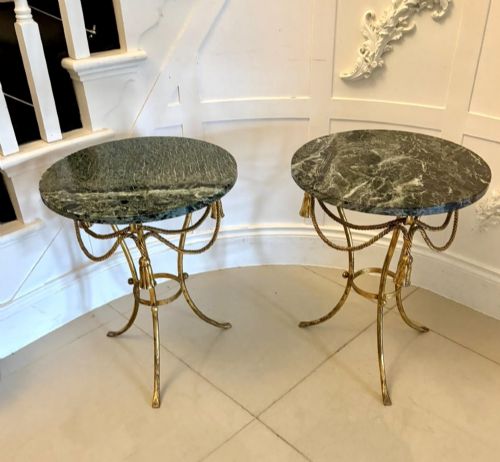
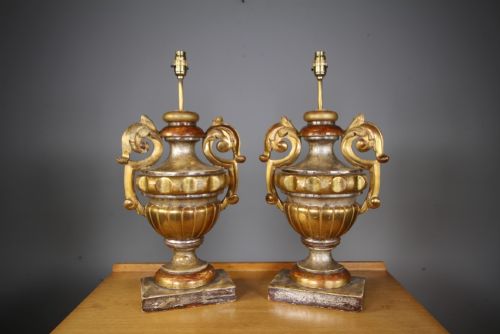
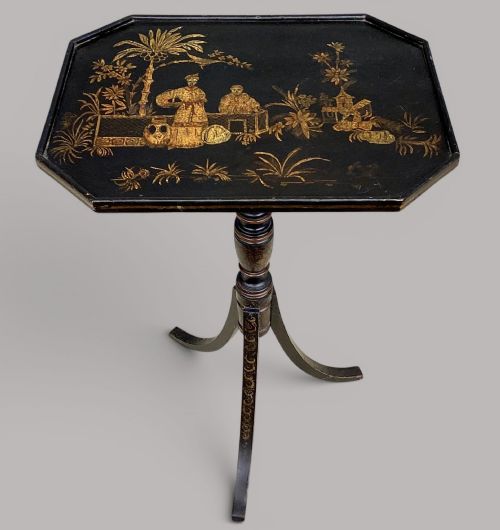
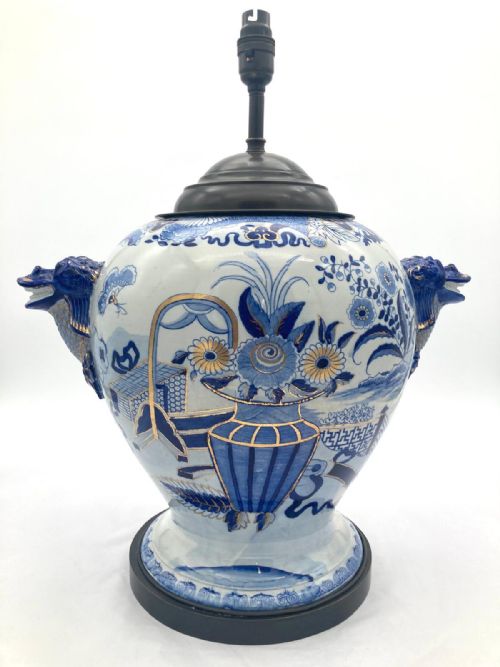
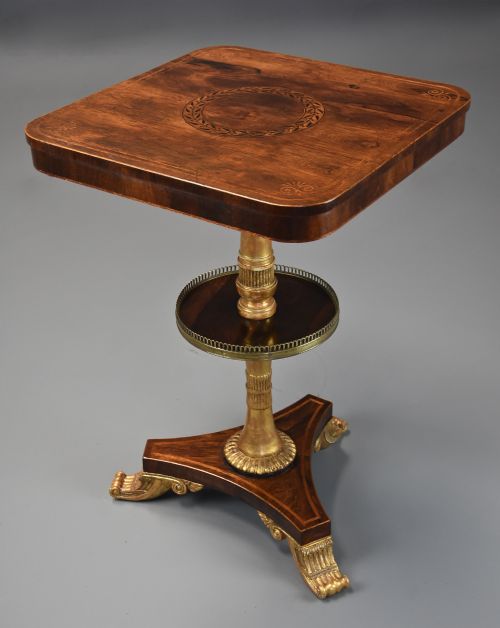
The objects take several distinct physical forms on this page. Many originate as nineteenth-century urns, candelabra, or classical columns adapted for electricity, while others emerge from chinoiserie occasional tables and lacquered furniture forms.
Origins span English, French, and Italian workshops across the nineteenth and early twentieth centuries. The selection balances authentic period manufacture with later decorative revivals sharing the same visual vocabulary.
Materials and methods of manufacture
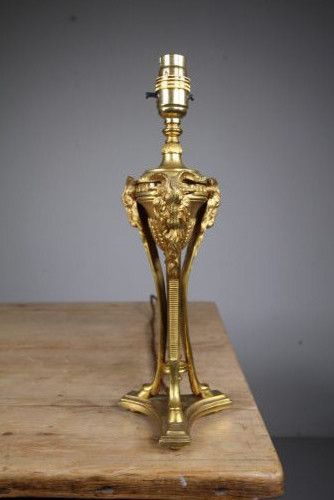
Craftsmen built these lamps using cast bronze, brass, and ormolu, applying fire gilding or gold leaf to create a luminous metallic surface. Marble bases and columns frequently provide structural weight and a contrasting tactile finish.
Lacquered wood and carved giltwood appear in pieces inspired by chinoiserie and neoclassical design traditions. Surface decoration often combines hand-applied black and red schemes with gilt motifs on timber or metal.
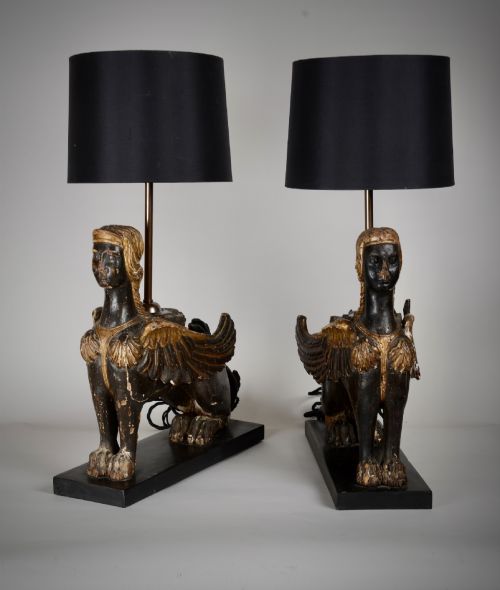
Several lamps double as mythical beasts, holding up the room with bronze Atlas figures and sphinxes.
Distinctions in quality
Quality rests in the crispness of the chasing on bronze and ormolu mounts, where sharper detail denotes superior foundry work. Heavier gauge metals and genuine fire gilding separate finer objects from later, lighter brass castings.
Proportion and the integration of secondary materials like verde marble or faux lapis lazuli define the ambition of the piece. Masterful gilding retains depth and warmth across centuries, while inferior surfaces appear flat or overly bright.
George Bullock·Thomas Hope·Hicks and Meigh·Messenger
The Regency Gilt Table Lamp Glossary
- Ormolu
- Gilt bronze produced by applying a mercury and gold amalgam to cast bronze before firing. This French technique yields a distinctive matte and burnished golden finish found on high-end neoclassical hardware.
- Giltwood
- Timber carved and subsequently covered with gold leaf or powder over a prepared gesso ground. It provides a lighter alternative to solid metal for large decorative lamps.
- Neoclassical
- A style drawing inspiration from the classical art and architecture of ancient Greece and Rome. It dominates the decorative vocabulary of this period.
- Chinoiserie
- European decorative style employing imagined Chinese motifs, frequently executed in lacquered black and gold. It appears across various occasional tables and lamp bodies.
- Bouillotte lamp
- A traditional adjustable metal lamp featuring a central shaft and a central or multiple candle arms beneath a shade. These were originally designed for card games.
Regency Gilt Table Lamp: Frequently Asked Questions
Are these lamps converted from older objects?
Many examples began life as nineteenth-century candelabra, vases, or architectural elements before receiving electrical wiring later in their lifespan. This practice preserves decorative antique metalwork for modern domestic use.
Conversion details vary, but the primary body usually retains its original nineteenth-century materials, mounts, and gilding while incorporating modern internal fittings.
How do I identify a Regency period piece?
True Regency objects date from the early nineteenth century and display rigorous neoclassical discipline, often featuring bronze, ormolu, and classical motifs like sphinxes or rams' heads. Makers of the time drew heavily on Greek and Roman archetypes.
Later revival pieces from the early twentieth century often imitate these exact proportions and materials, requiring careful examination of the casting quality and wear patterns to determine age.
What maintenance do gilt surfaces require?
Gilt bronze and ormolu need only gentle dusting with a soft, dry cloth to prevent the accumulation of grime. Avoid all chemical polishes, as abrasive cleaning strips the fragile gold layer from the base metal.
Giltwood surfaces are similarly delicate and should be protected from direct sunlight and excessive moisture to preserve the underlying gesso and leaf.
How do brass and ormolu differ?
Ormolu consists of cast bronze treated with a mercury-gilt process that creates a deep, rich golden lustre characteristic of luxury French and English objects. Brass is an alloy of copper and zinc that tends to have a yellower tone and appears on more utilitarian items.
High-end nineteenth-century lamps frequently utilise bronze and ormolu for their primary sculptural components while employing brass for internal or structural fixings.