

Regency Furniture
Regency furniture brings architectural clarity and rich timbers like mahogany and rosewood into domestic rooms.
Regency Furniture
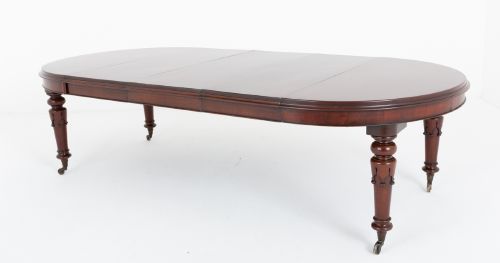
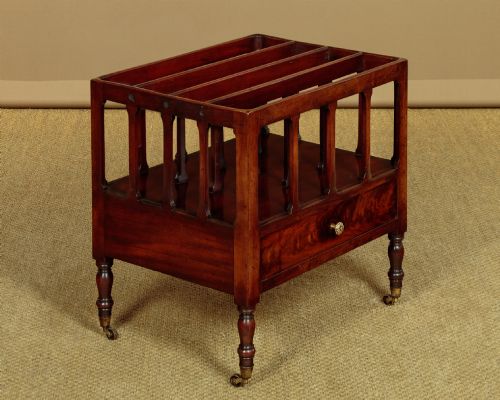
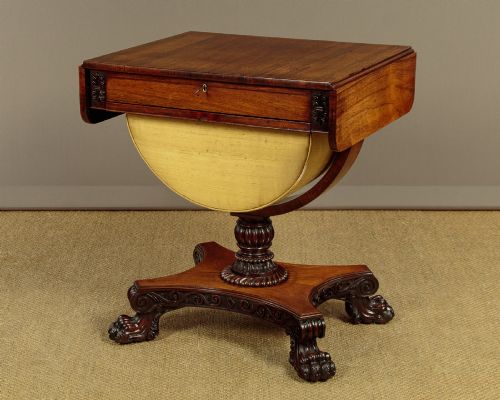
Regency furniture comprises domestic items produced primarily during the early nineteenth century, encompassing formal dining tables, side cabinets, and chests of drawers. These pieces reflect a shift towards classical lines, drawing inspiration from ancient Greek, Roman, and Egyptian forms.
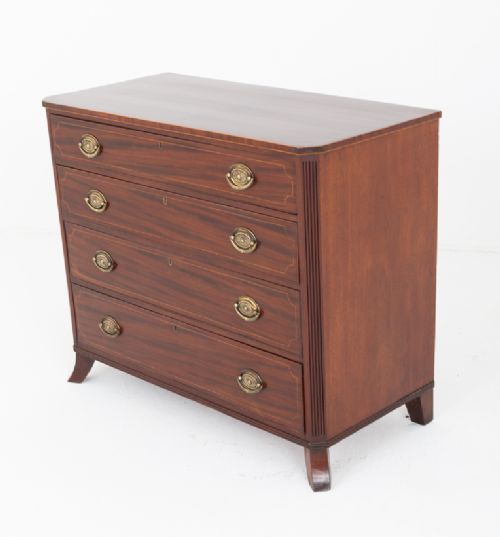
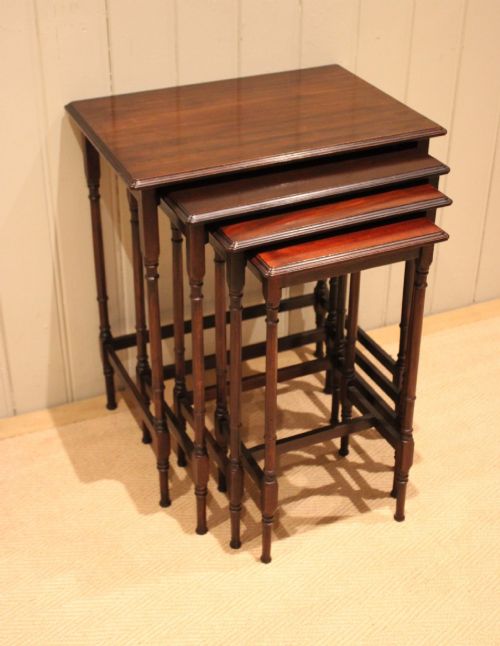
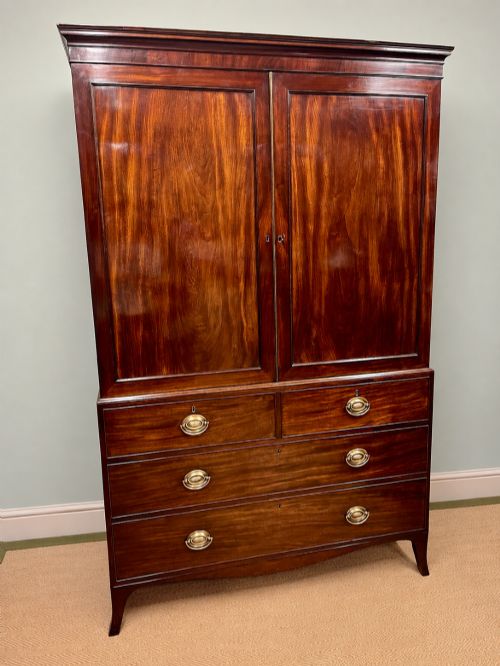
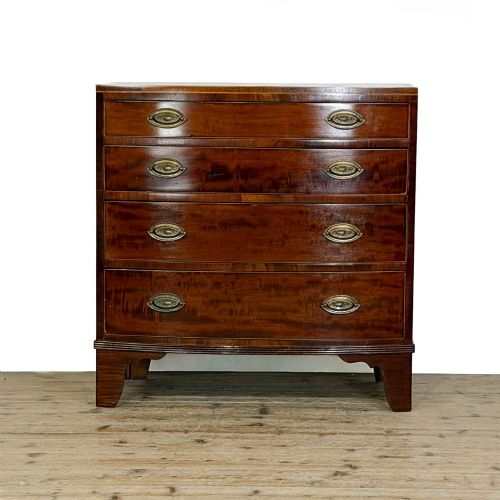
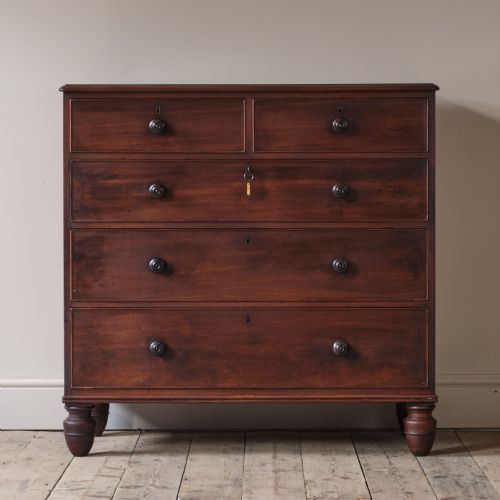
The pieces listed here frequently include mahogany chests of drawers, rosewood writing tables, and various bookcases dating from the nineteenth century alongside later revival items. Buyers searching for regency furniture encounter items ranging from compact occasional tables to large breakfront bookcases.
The selection bridges the precise craftsmanship of the Georgian era and the heavier proportions of the later Victorian period. Regional variations appear alongside pieces from prominent workshops, showing diverse interpretations of classical design.
Materials and methods
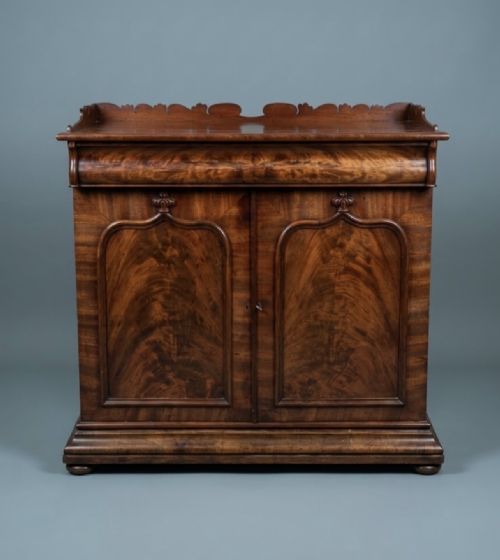
Makers relied heavily on solid mahogany and rosewood, frequently selecting flame mahogany veneer to create striking grain patterns on drawer fronts and table tops. Secondary timbers like oak appeared in drawer linings and internal carcases.
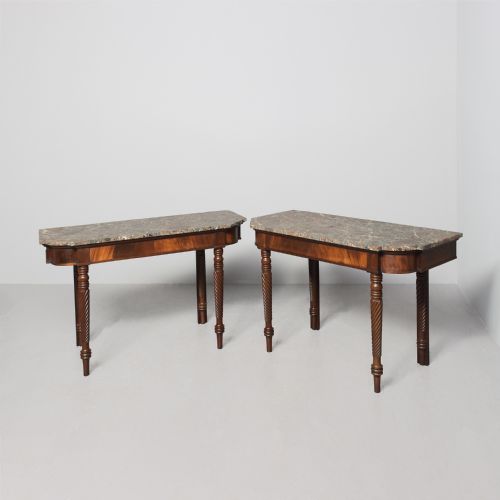
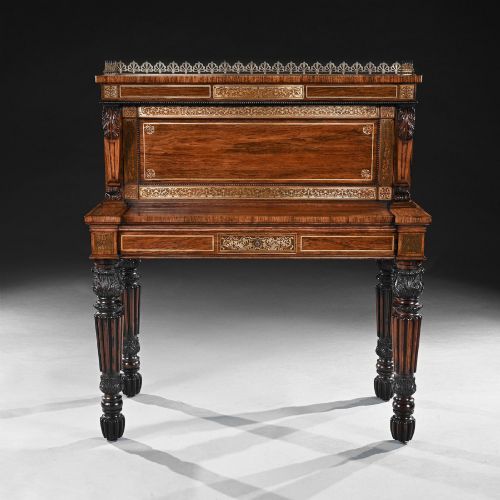
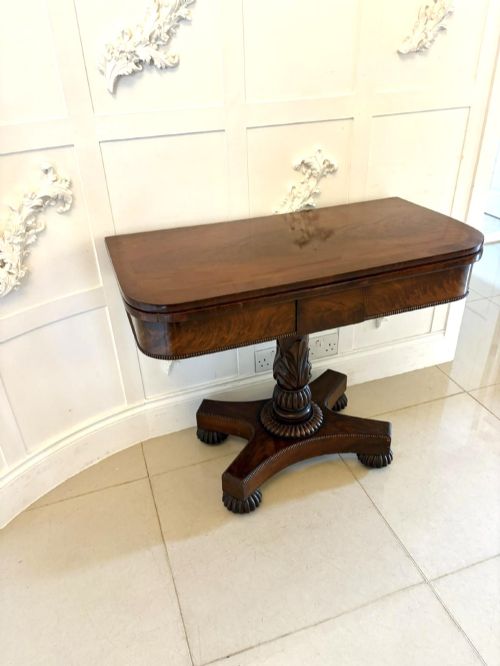
Brass inlay and mounts provided linear contrast against dark timbers, particularly on card tables and writing desks. Glass panels featured in bookcases and display cabinets, while specialised pieces incorporated leather writing surfaces and marble tops.
Some nineteenth-century writing tables hide secret compartments designed to keep love letters secure from prying housemaids.
Judging quality
Quality rests on the selection of timber figures and the precision of cabinet-making techniques, such as hand-cut dovetails on drawers and seamless veneer matching. Superior examples display restrained brass inlay and well-balanced proportions that respect classical design principles.
Workshop attribution elevates certain items, particularly those bearing the hallmarks of documented makers like Gillows or George Bullock. The integrity of the original surfaces and minimal timber replacement distinguish better-preserved pieces from later alterations.
Gillows Oxford Street Workshop·George Bullock·T & G Seddon
The Regency Furniture Glossary
- Mahogany
- A durable tropical hardwood prized for its reddish-brown colour and stable grain. It served as the primary structural and surface material for fine cabinet-making.
- Veneer
- A thin layer of figured timber applied to a secondary wood base. Flame mahogany veneer utilised symmetrical grain patterns to create decorative visual impact.
- Card Table
- A folding table designed for parlor games, typically featuring a baize-lined interior and a swivel top. These tables often incorporated brass inlay and rosewood construction.
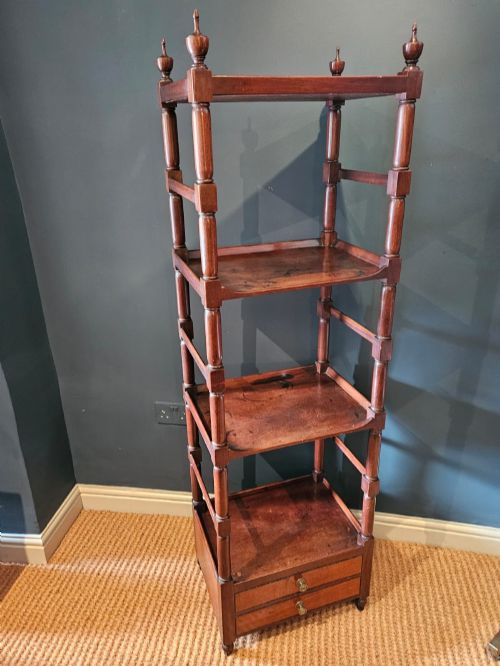
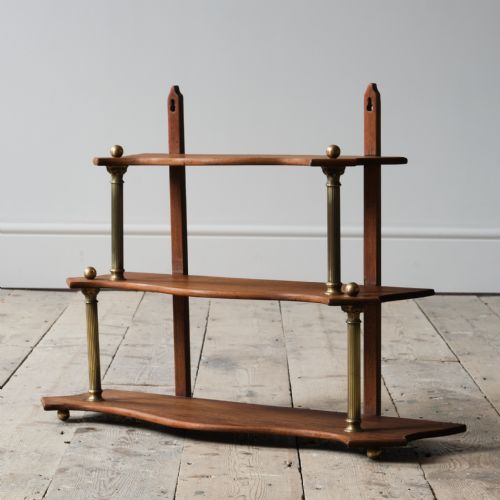
- What-Not
- An open-shelved tiered bookcase used for displaying small objects and books. Examples ranged from small wall-hanging versions to multi-tiered freestanding units.
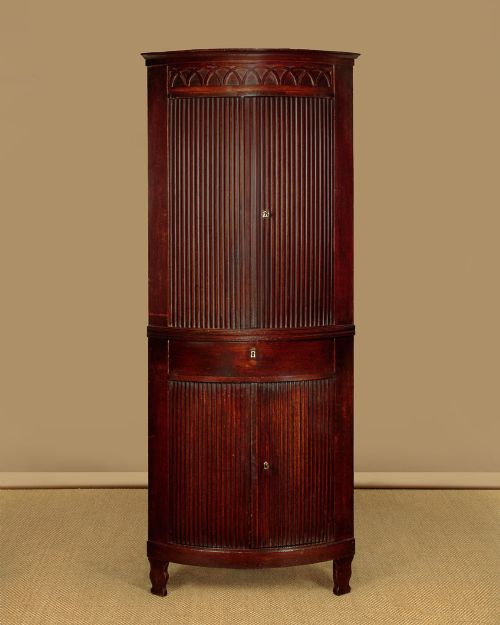
- Chiffonier
- A low sideboard or cabinet equipped with drawers and enclosed lower shelves. This form became popular during the nineteenth century for storing dining accessories.
Regency Furniture: Frequently Asked Questions
How do I identify genuine Regency pieces?
Examine the secondary timbers inside drawers and behind panels, which typically consist of oak or pine rather than modern alternatives. Look for hand-cut joinery and period-appropriate brass hardware.
Compare the proportions against documented examples from the early nineteenth century. Classical restraint and balanced symmetry usually indicate genuine period manufacture rather than later revival work.
What is flame mahogany?
Flame mahogany refers to wood cut from the fork of the tree where branches join the trunk. This method produces a distinctive, fiery ripple pattern across the grain.
Cabinet-makers prized this figure for drawer fronts and table tops, often arranging veneers symmetrically. It provided decorative interest without relying on carved ornamentation.
How do I care for rosewood surfaces?
Keep rosewood furniture away from direct sunlight and heat sources to prevent the timber from drying out and splitting. Maintain a stable indoor humidity level.
Dust regularly with a soft, dry cloth and avoid silicone-based polishes. Occasional application of quality wax preserves the natural sheen of the wood.
Where were these pieces used?
These items furnished formal reception rooms, libraries, and bedrooms in substantial homes. Sideboards and serving tables belonged in dining rooms, while card tables occupied drawing rooms.
Smaller pieces like work tables and occasional stands moved easily between rooms for daily domestic tasks.