

Regency Floral Porcelain
Regency floral porcelain brings together handpainted botanical motifs and bright ceramic bodies from the early nineteenth century.
Regency Floral Porcelain
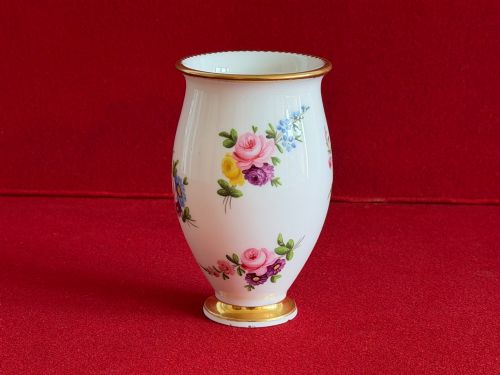
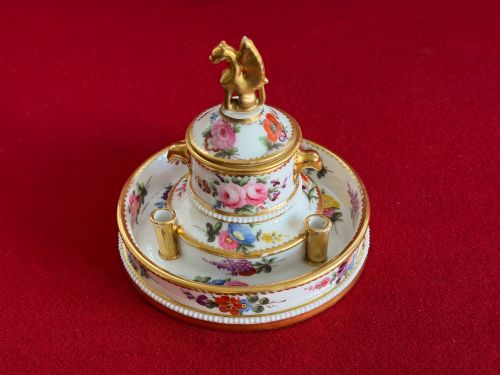
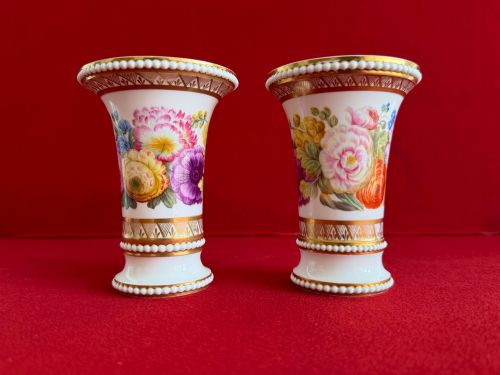
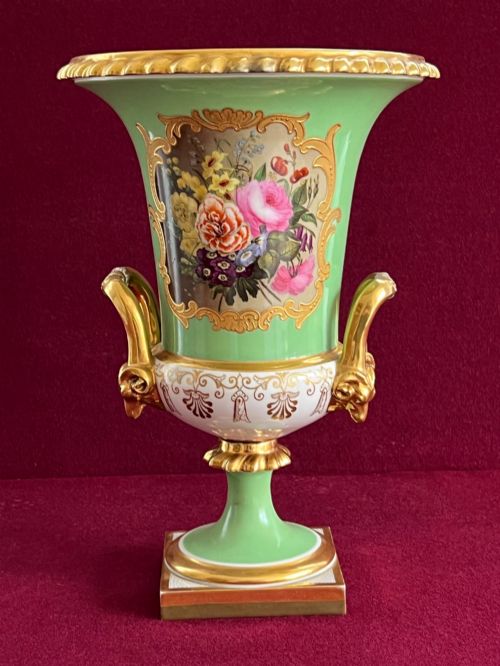
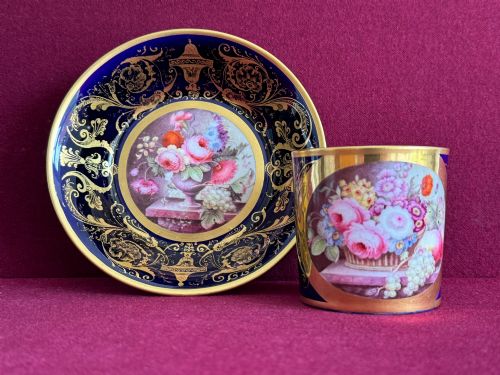
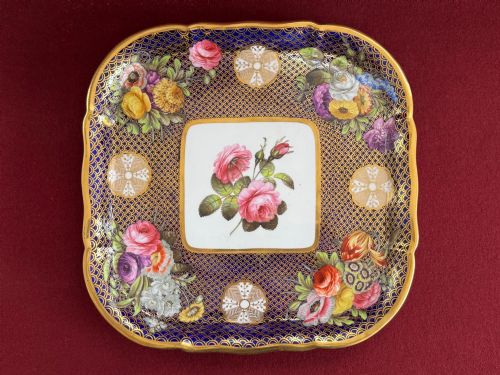
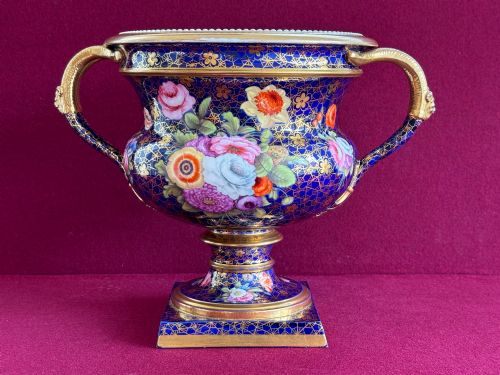
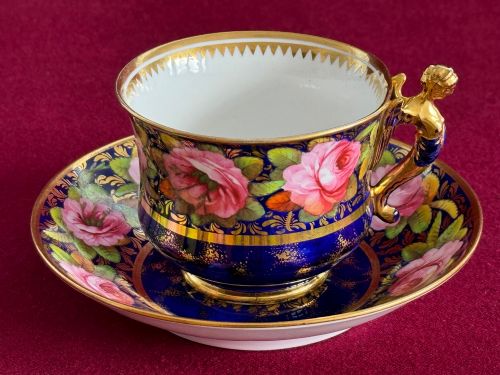
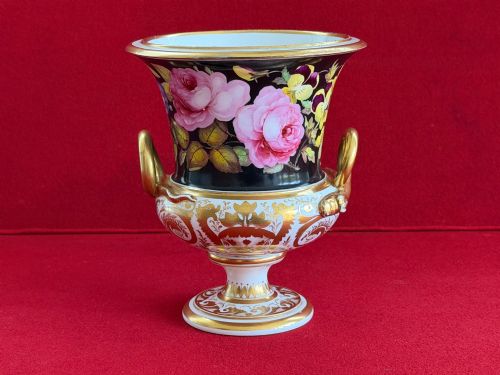
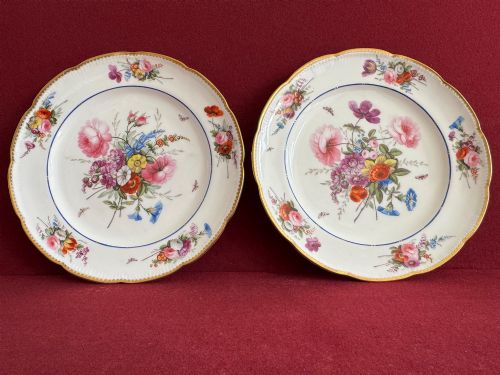
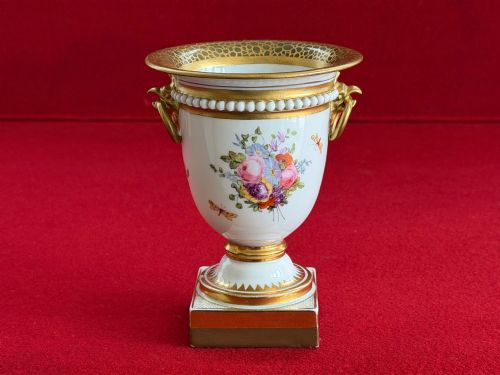
When you search for regency floral porcelain, you encounter ceramic tableware and decorative vessels made during the early nineteenth century. These objects include plates, vases, urns, tea services, and garnitures originating from English factories.
The pieces on this page span the Regency, Georgian, and William IV periods, alongside later nineteenth century revivals. Most examples date from the first three decades of the 1800s, reflecting the aesthetic preferences of that era.
How they were made
Manufacturers utilised porcelain, bone china, earthenware, and ironstone as the primary ceramic bodies for these items. Potters shaped these materials into campana vases, octagonal jugs, teacups, and cabinet plates.
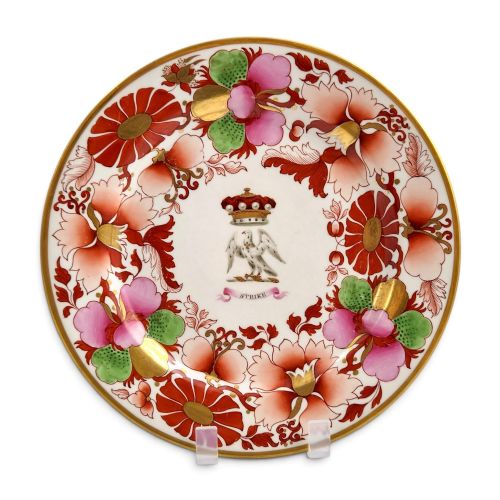
Decorators applied handpainted botanical motifs, glaze, enamel, gold leaf, and rich gilding across the surfaces. Many pieces received specific factory patterns or were hand-decorated by notable artists before firing.
Regency Floral Porcelain Retail Price Guide 2026
Typical asking prices for regency floral porcelain among the pieces listed under this phrase on Sellingantiques today, from the lower quarter to the upper quarter. They describe what is for sale here now, not the wider market.
Listings feature porcelain, ironstone, and earthenware bodies decorated with gold leaf, enamel, and handpainted botanical motifs.
What varies in quality
Quality rests in the crispness of the porcelain body and the precision of the handpainted botanical details. Superior pieces display finely rendered floral compositions executed by named artists or major factories.
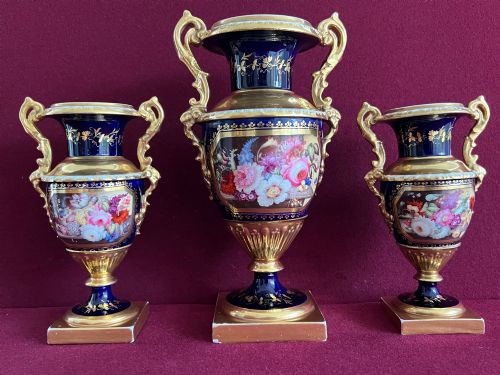
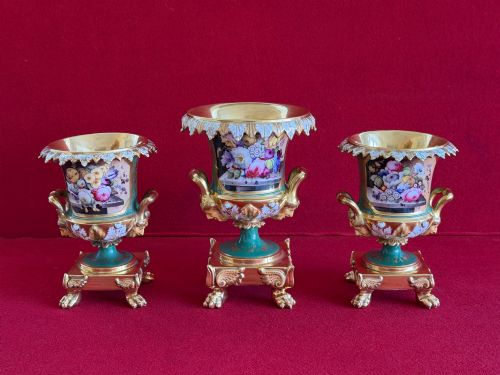
The application of gold leaf and rich gilding distinguishes finer cabinet items from standard utilitarian wares. Greater refinement in shape, such as moulded handles or well-balanced garnitures, elevates the status of a piece.
Flight Barr and Barr·Thomas Steel·Spode·Minton·H and R Daniel·Chamberlains Worcester·Newhall·Mason·John Davenport
The Regency Floral Porcelain Glossary
- Campana
- A bell-shaped vessel with a flaring rim and pedestal foot, commonly used for vases and urns in this period.
- Garniture
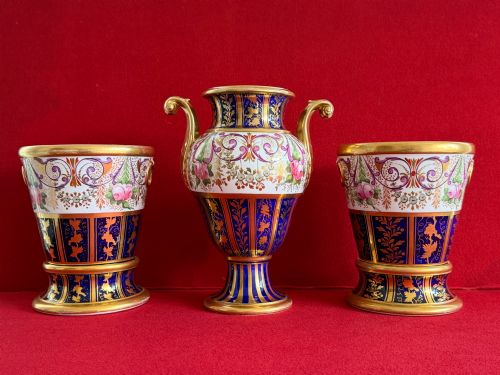
- A set of three or five matching vases or pots designed to be displayed together on a mantelpiece or sideboard.
- Felspar
- A modified porcelain body introduced by Spode containing feldspathic rock, offering a whiter and more durable finish.
- Imari palette
- A decorative scheme employing underglaze blue, iron red, and gilt, inspired by Japanese export wares.
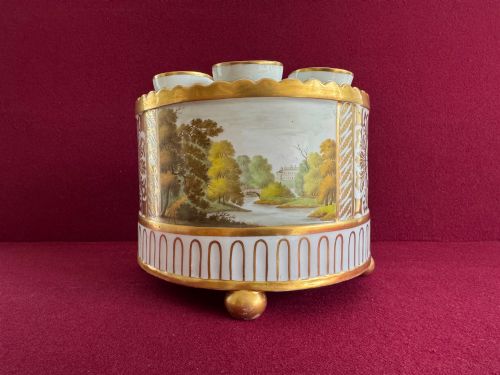
- Bough pot
- A ceramic vessel designed to hold flowering branches or cut stems for interior decoration.
Regency Floral Porcelain: Frequently Asked Questions
What is regency floral porcelain?
It encompasses ceramic tableware and ornamental vessels produced in England during the early nineteenth century, featuring handpainted floral designs.
These objects showcase the craftsmanship of notable factories like Spode, Minton, and Worcester through painted flowers, gilding, and varied ceramic bodies.
How were these pieces used?
Owners used them for serving tea and dessert, or displayed them as decorative garnitures and vases in grand rooms.
Items like bough pots and rose water sprinklers served specific horticultural and domestic functions within Regency households.
How do I live with regency floral porcelain?
Display cabinet plates and vases away from direct sunlight to protect the enamel colours and delicate gilding from fading.
Handle tea trios and cups with care, washing them by hand in lukewarm water rather than placing them in modern dishwashers.
How do I tell periods apart?
Regency and Georgian pieces often feature neoclassical shapes combined with naturalistic botanical painting and rich gilding.
Later nineteenth century examples may lean into Rococo Revival styles or adopt heavier transfer-printed patterns alongside handpainted highlights.