


Regency Fireplace Screen
These regency fireplace screen pieces keep the room's heat manageable while shielding delicate faces from the hearth's direct glare.
Regency Fireplace Screen
A regency fireplace screen serves as a decorative and practical barrier placed before the hearth to block excessive heat. Buyers searching this phrase encounter various forms, most commonly pole screens featuring adjustable panels mounted on slender timber standards.
The inventory demonstrates distinct varieties including freestanding floor models and folding leaves designed to pull out near the mantel. Materials range from solid mahogany and rosewood to woven iron wire and brass frames.
Origins span the Georgian and Regency periods through the nineteenth century, encompassing styles such as Regency Chinoiserie and William IV. Many examples incorporate textile inserts like needlepoint tapestries, embroidery, and needlework samplers.
How they were made
Cabinetmakers constructed the frames using dense timbers such as mahogany, rosewood, walnut, and goncalo alves, shaping slender upright poles and supportive tripod bases. These woods were frequently polished to highlight natural grain patterns, occasionally incorporating fine inlay work.
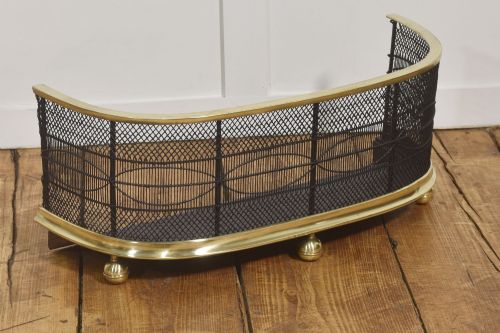
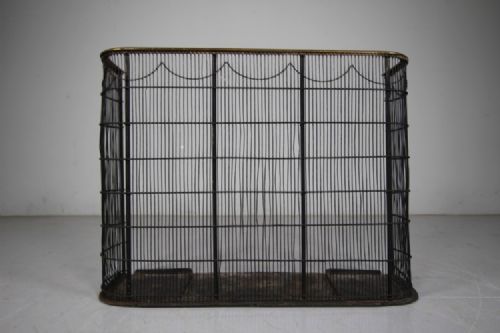
Protective screens utilised woven iron wire and heavy brass frames to construct sturdy nursery guards capable of withstanding high temperatures. Artisans stretched delicate textiles, including wool tapestries and poker work panels, within adjustable wooden or metal surrounds.
The inventory records pieces spanning the Georgian, Regency, and Victorian eras, including specific dates from 1850 and 1900.
What varies in quality
The distinction between standard examples and finer pieces lies in the selection of timber and the complexity of the frame's turning. Highly regarded items feature exotic woods like palisander and goncalo alves alongside crisp, detailed carving rather than plain surfaces.
Panel execution heavily influences overall merit, where finely worked needlepoint tapestry or intricate embroidery demonstrates superior craftsmanship compared to simpler fabric inserts. The smooth operation of adjustable mechanisms and the balance of weighted tripod bases also distinguish superior examples.
The Regency Fireplace Screen Glossary
- Pole screen
- A freestanding firescreen consisting of a vertical wooden shaft with a sliding panel that adjusts vertically. This design allows the user to block heat precisely where needed.
- Needlepoint
- Stitched canvas embroidery mounted within the screen frame. These panels frequently display floral or pictorial scenes created by hand.
- Nursery guard
- A protective metallic enclosure made of brass and wirework designed to keep children safely away from open flames. They are typically lower and broader than pole screens.
- Poker work
- The technique of burning designs into wood using a heated tool. This method appears on adjustable wooden panels within the screen selection.
Regency Fireplace Screen: Frequently Asked Questions
Where were fire guards placed?
Fire guards stood directly on the floor in front of the open hearth during active fires. Their primary purpose was stopping stray embers from reaching rugs and clothing.
Heavier wirework and brass versions were often positioned in nurseries to protect young children from the flames.
What woods were used?
Cabinetmakers utilised dense hardwoods such as mahogany, rosewood, and walnut for the structural frames and standards. More decorative examples incorporated exotic timbers like goncalo alves and palisander.
These materials provided the necessary weight and durability for freestanding furniture subjected to fluctuating hearth temperatures.
How do I spot a needlework panel?
Needlework panels consist of hand-stitched wool or silk threads worked onto a woven canvas mesh. They were stretched tightly and secured inside the wooden frames of pole screens.
Designs on these textile inserts often feature traditional floral motifs, samplers, or pictorial scenes typical of the period.