





Dark Wood Fireplace Screen
These dark wood fireplace screen designs offer functional room division and hearth protection, pairing sturdy timber frames with decorative needlework, glass, or brass panels.
Dark Wood Fireplace Screen
A dark wood fireplace screen serves both a practical purpose in the home and acts as a decorative item, shielding inhabitants from radiant heat while not in use. When you search for a dark wood fireplace screen, you encounter forms ranging from floor-standing cheval screens to adjustable pole screens supported by tripod bases.
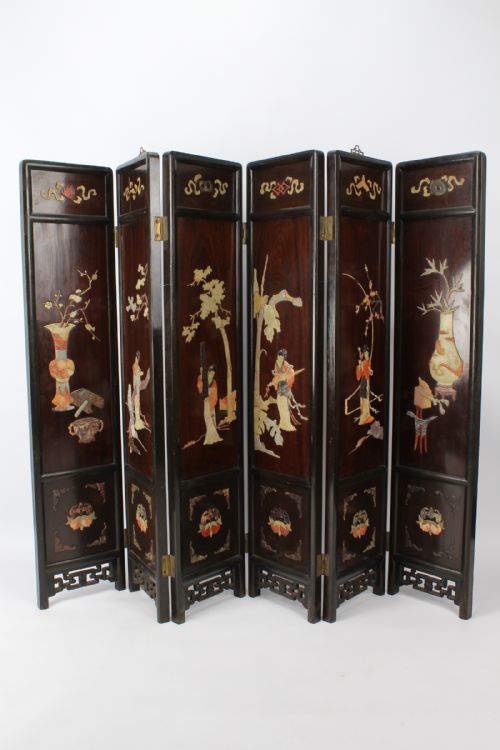
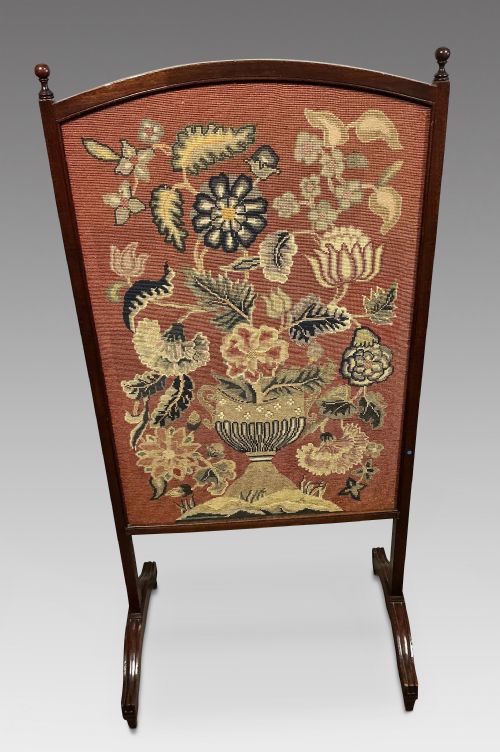
The materials and styles span multiple periods, from Georgian and Regency to Victorian and 17th-century Dutch examples, alongside Chinese hardwood panels and Anglo-Indian designs. Mahogany and rosewood form the main timber choices for frames, paired frequently with tapestry, needlework, silk embroidery, or embossed brass.
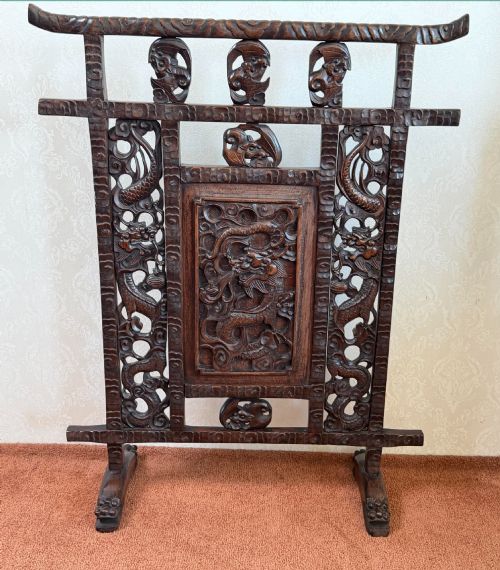
Floor-standing folding variants and heavy carved oak panels also appear, offering alternative ways to manage airflow and sightlines around a hearth. These pieces demonstrate how dark timber frames provide a stable structure for delicate textiles and painted or beaten metal inserts.
Factors influencing quality
Quality rests primarily on the crispness of the timber carving and the stability of the structural joints, particularly on tripod bases and pole screen mechanisms. Dense, well-figured rosewood or mahogany commands attention through its depth of grain and substantial weight.
The fineness of the internal panel - whether meticulously worked needlepoint, detailed silk embroidery, or heavily chased brass - elevates the standing of the piece. Proportion and balance also determine value, as taller grand proportions require robust supporting legs to prevent tipping.
Current listings feature diverse framing timbers including mahogany, rosewood, goncalo alves, palisander, and Chinese hardwoods spanning the 17th to 20th centuries.
The Dark Wood Fireplace Screen Glossary
- Pole screen
- A type of fireplace screen featuring an adjustable vertical shaft on a tripod or pedestal base, holding a sliding panel that can be raised or lowered to block radiant heat.
- Cheval screen
- A freestanding floor screen supported by two sturdy side pillars and feet, allowing the central framed panel to swing or remain fixed upright.
- Dummy board
- A flat, painted wooden silhouette figure designed to stand near a fireplace or in an empty hearth to give the illusion of a person or animal in the room.
- Needlepoint
- A type of canvas work embroidery executed with yarn using a tent stitch, frequently seen mounted within antique fireplace screen frames.
- Palisander
- A dense, dark tropical timber with pronounced grain patterns, often utilised for high-end Regency and Victorian cabinet work and screen frames.
Dark Wood Fireplace Screen: Frequently Asked Questions
How do pole screens work?
A pole screen uses a vertical wooden shaft fitted with a small friction collar or screw mechanism that holds the viewing panel at the desired height. This allows a person sitting near a hearth to adjust the screen up or down to block the heat from the fire.
The base typically consists of three carved legs or a weighted pedestal to keep the tall structure stable on wooden floors or carpets.
Where were fireplace screens placed?
These screens stood close to the fireplace opening during warmer months when fires were unlit, or positioned near seating areas to shield faces from the intense heat of a burning hearth. They acted as portable room furniture that could be moved around as needed.
In larger reception rooms, they also served to divide spaces and hide unappealing empty hearths from view.
How do I care for antique wood and textiles?
Keep wooden frames conditioned with appropriate paste wax and avoid placing them in direct sunlight to prevent the dark timber from fading. Silk and wool panels require gentle dusting with a soft brush and protection from damp environments.
Regularly check any adjustable brass screws or mounting brackets on pole screens to ensure they support the weight of the panel without straining the wood.
Can I use these screens with a working fire?
Most antique screens featuring delicate silk embroidery, needlepoint, or paper-backed elements function best as decorative room accents or summer hearth covers rather than spark guards. The historic textiles and polished wood finishes can suffer damage from flying embers or extreme heat.
If placed near an active fire, maintain a safe distance so the radiant heat does not dry out the timber or discolour the fabric panel.
What is the difference between a pole screen and a cheval screen?
A pole screen relies on a single vertical shaft with a movable panel that slides up and down, whereas a cheval screen uses a fixed rectangular frame supported by two side pillars and feet. Cheval screens generally offer a larger viewing area, such as full-width tapestry or glass panels.
Both forms utilise dark wood frames but distribute weight and adjust differently within a room setting.