


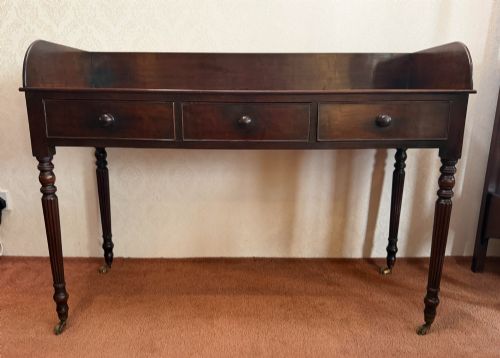
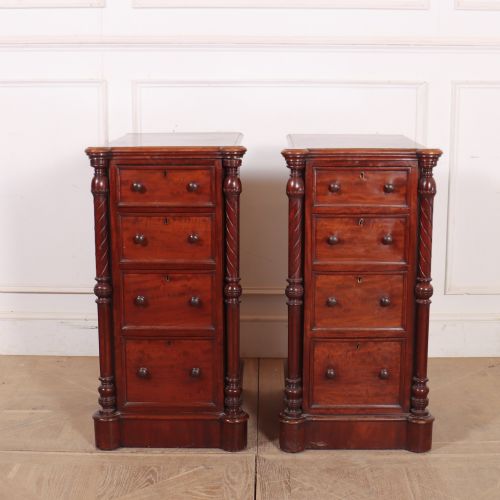
Regency Drawer Table
A regency drawer table brings architectural restraint and functional joinery into domestic spaces.
Regency Drawer Table
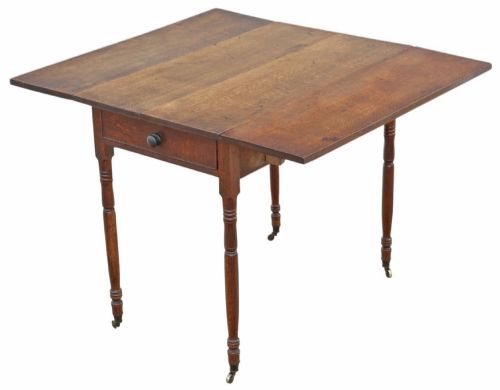
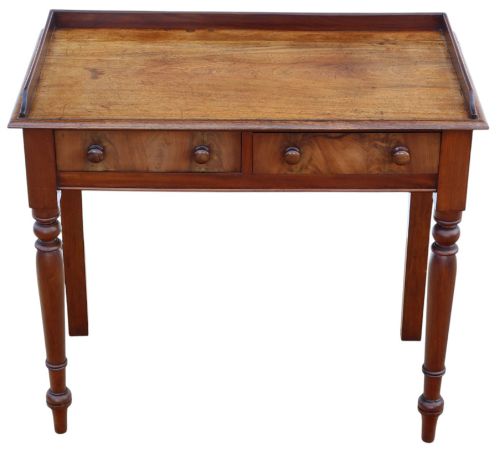
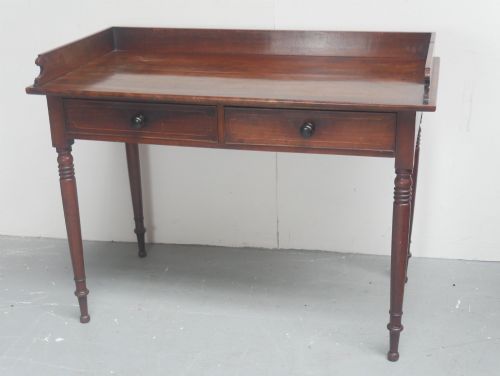
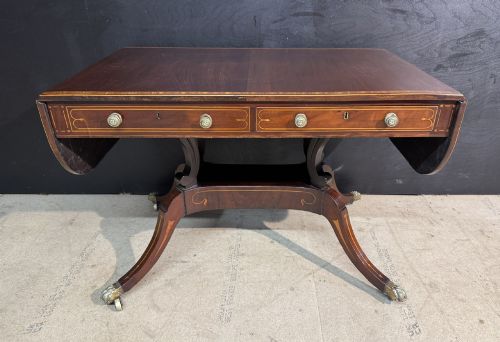
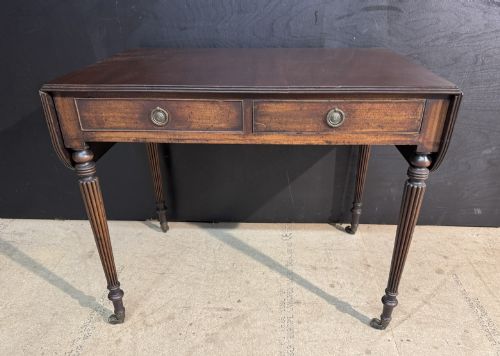
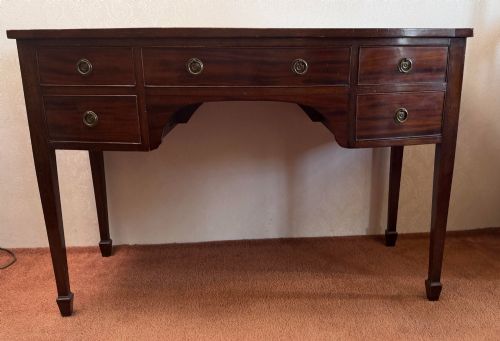
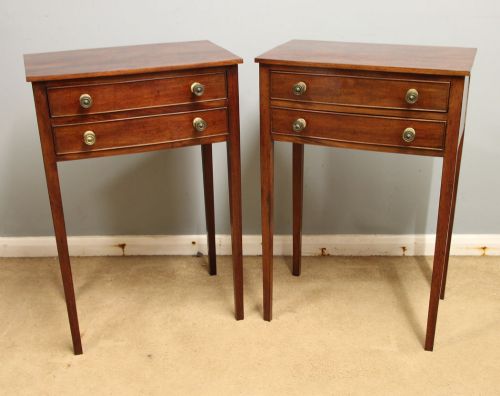
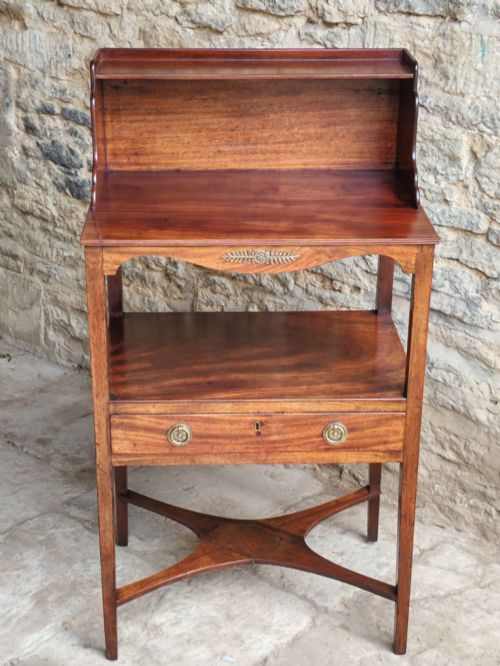
A regency drawer table combines the compact proportions of the early nineteenth century with integrated storage, appearing in forms ranging from side tables and writing desks to Pembroke and library tables.
The pieces on this page span the Regency, Georgian, and Victorian periods, with Edwardian revivals also present, reflecting styles like William IV and George IV alongside classic Regency designs.
Most examples found here utilise mahogany, often with flame veneer or boxwood stringing, though variants in rosewood, burr walnut, oak, and fruitwood occur regularly across side and lamp tables.
Materials and construction
Cabinet makers relied heavily on solid mahogany and carefully selected veneers, complemented by secondary timbers like oak for drawer linings and internal framing.
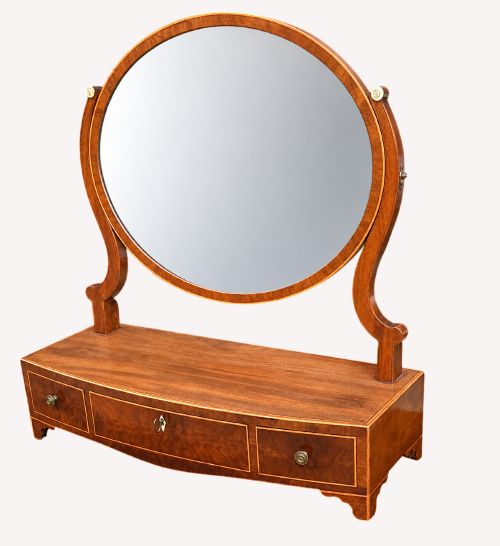
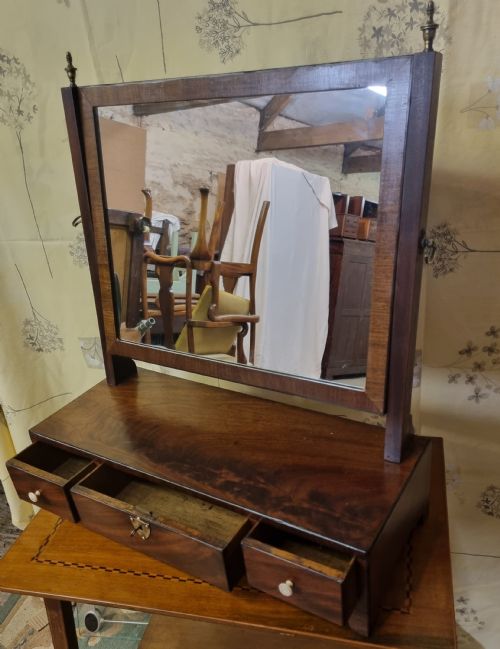
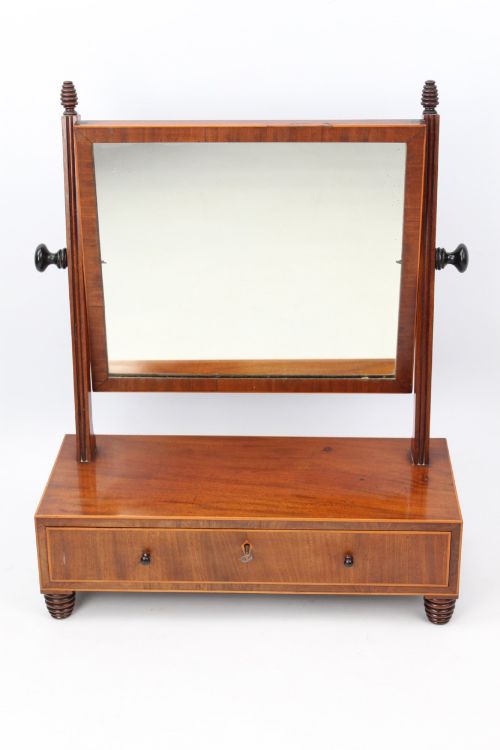
Metal components such as brass knobs, handles, and castors were integrated into library and writing tables, while boxwood stringing and inlay added linear detail to dressing table mirrors and console surfaces.
Listings feature woods such as mahogany, rosewood, burr walnut, boxwood, and oak across side, writing, and drum tables.
Distinctions in craftsmanship
Quality rests on the selection of timber figures, such as flame mahogany or burr walnut, and the precision of the dovetail joinery within each drawer.
Proportion and hardware originality elevate certain pieces, distinguishing standard utility items from finely drawn library tables with faded patination and secret compartments.
Gillows
The Regency Drawer Table Glossary
- Pembroke table
- A small occasional table with hinged drop leaves on either side, frequently fitted with an end drawer.
- Stringing
- A narrow inlay of contrasting wood, such as boxwood, used to outline drawer fronts and table edges.
- Drum table
- A circular library table supported on a central pillar with radiating legs, containing alternating real and dummy drawers around the frieze.
- Patina
- The surface sheen and mellow colour developed by aged wood through handling and exposure over decades.
- Drop leaf
- A hinged table leaf that folds down to reduce the footprint of the furniture when not in use.
Regency Drawer Table: Frequently Asked Questions
What is a regency drawer table used for?
These tables served multiple domestic functions in the nineteenth century, operating primarily as writing desks, sideboards, or lamp supports in drawing rooms and libraries.
The integrated drawers provided convenient storage for correspondence, sewing equipment, or reading materials while maintaining a neat surface profile.
How do I tell a true regency table from a revival?
Original pieces display authentic timber shrinkage, hand-cut dovetailing in the drawers, and period-appropriate secondary woods like oak or pine behind the mahogany veneers.
Revival pieces made around the Edwardian era often show uniform machine milling and different interior construction methods.
Where should I place a sofa table in a room?
Sofa tables were originally designed to stand behind the upholstery in a drawing room, but their finished backs make them versatile freestanding console units.
They function well behind sofas or as narrow writing desks against a wall in smaller spaces.
Are all regency tables made of mahogany?
While mahogany is the dominant timber seen across these listings, cabinet makers also utilised rosewood, burr walnut, fruitwood, and oak for specific regional or stylistic variations.
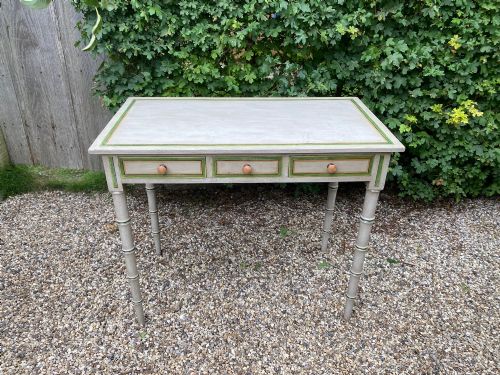
Some lighter occasional tables also feature painted finishes or faux bamboo mouldings reflecting Regency design tastes.