


Regency Column Pedestal
A regency column pedestal provides a strong architectural anchor in a room, designed to elevate sculpture, lighting, or plants with classical restraint.
Regency Column Pedestal
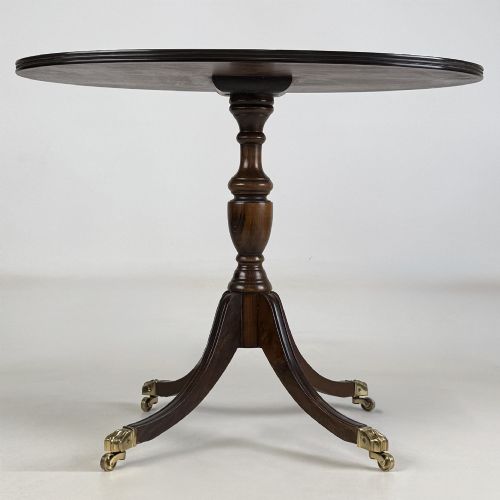
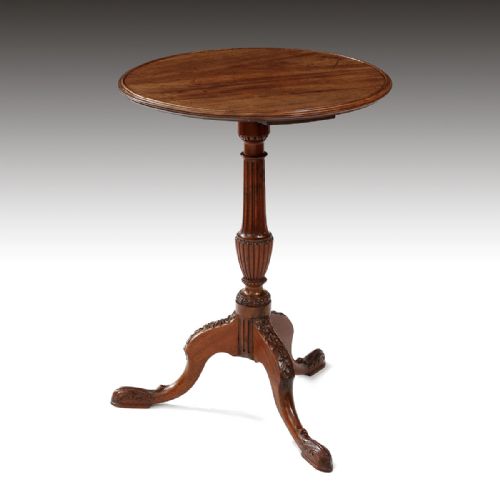
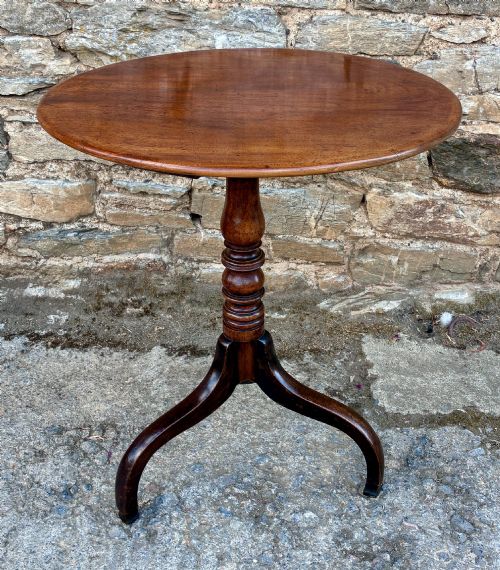
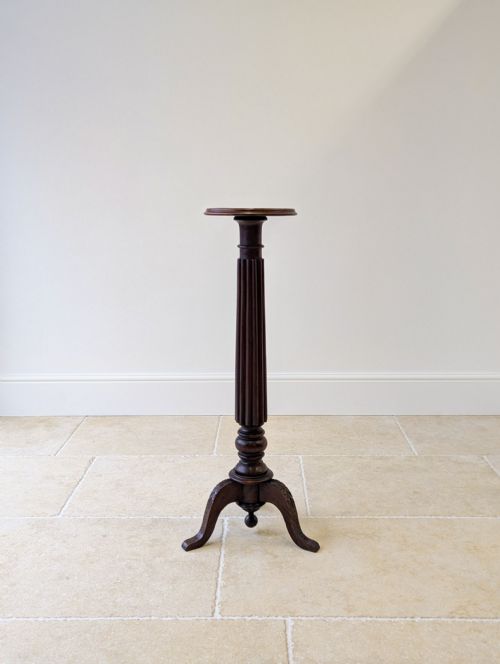
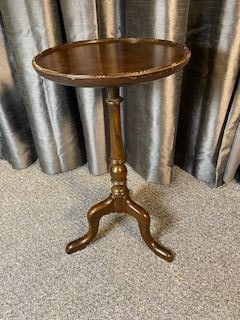
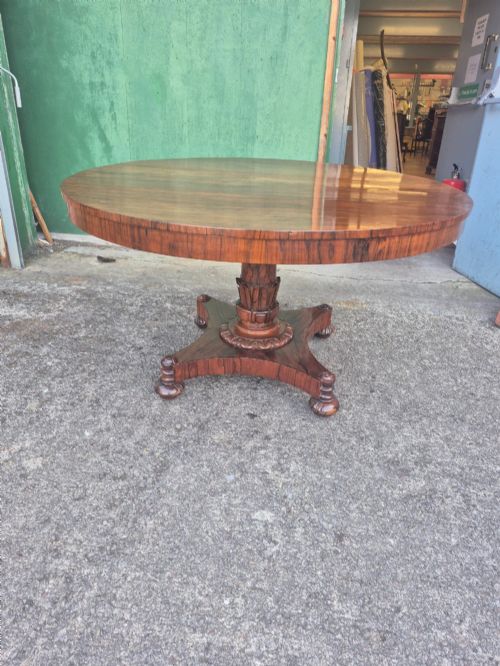
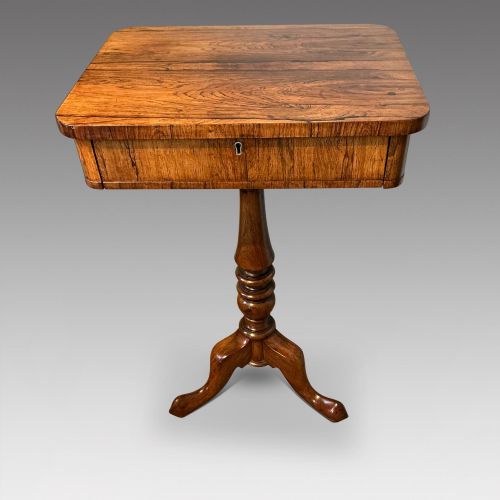
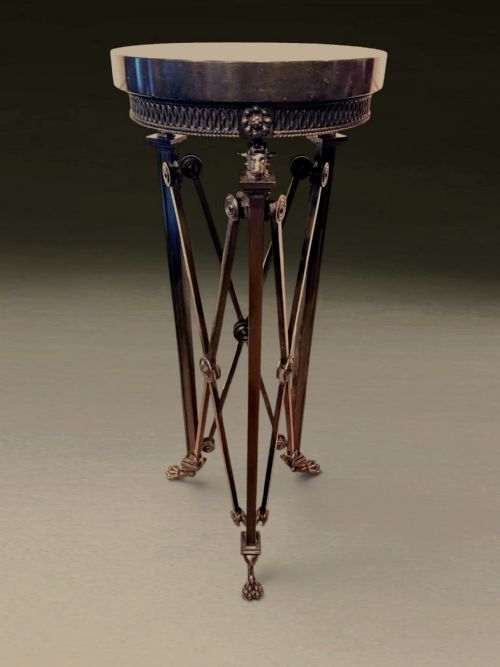
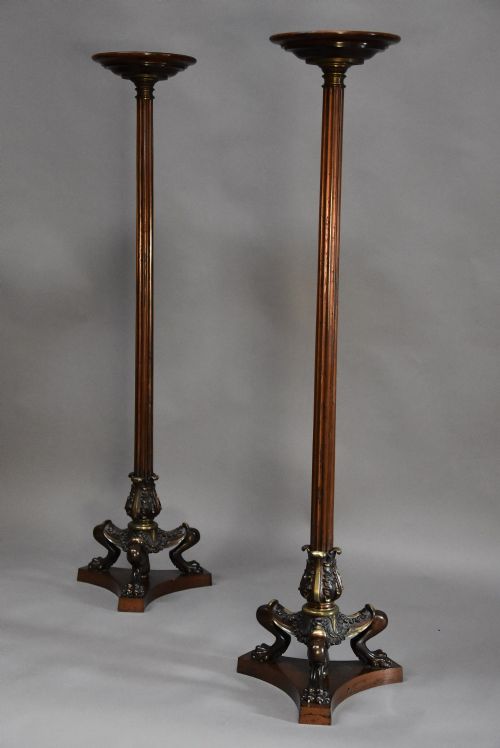
When you search for a regency column pedestal, you are looking at architectural supports and display stands originating primarily from the nineteenth century, including Georgian, Regency, and William IV periods, alongside later Victorian and Edwardian revivals. These pieces frequently manifest as torcheres, plant stands, and cylindrical cupboard stands designed to elevate decorative objects.
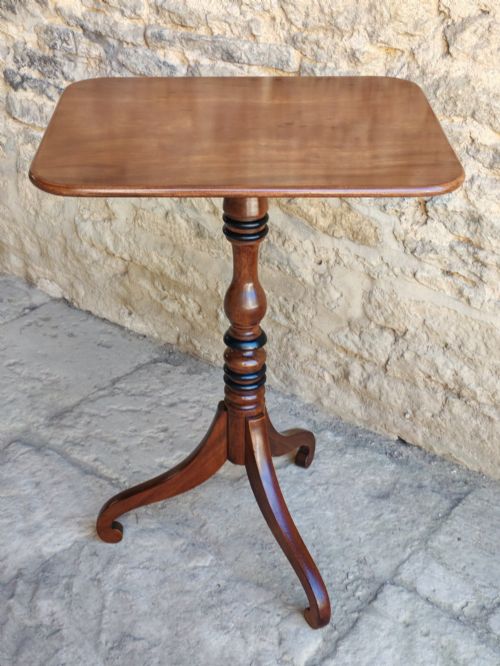
The items you meet on this page range from solid mahogany and rosewood tripod tables to painted pine columns and faux marble stands. They draw heavily on neoclassical design principles, utilising column and pedestal forms to create height and visual weight in an interior space.
How they were made
Cabinetmakers constructed these columns and pedestals using dense timbers such as mahogany, rosewood, and yew, often turning the shafts on a lathe and mounting them on sturdy tripod or plinth bases. Boxwood stringing and brass details frequently accent the timber surfaces.
Alternative materials appear in the evidence, including bronze, marble, and grain painted pine, which mimic heavier stone or metalwork through skilled surface finishing. Joinery methods prioritise stability to support heavy vases, lamps, or sculptural works atop the column.
Periods represented span from Georgian and Regency eras through William IV, Victorian, Edwardian, and into the 1930s.
What varies in quality
The distinction between ordinary and exceptional examples rests in the selection of timber figures, such as flame mahogany or burr maple, and the crispness of turned architectural details. Finer pieces demonstrate deliberate proportion between the column shaft and the supporting base.
Material authenticity and decorative embellishment also divide the range. Items incorporating gilt bronze mounts, genuine marble tops, or well-executed faux finishes command greater visual presence than simpler utilitarian pine supports.
Gillow·George Smith·Thomas Hope
The Regency Column Pedestal Glossary
- Torchere
- A tall ornamental stand designed specifically to hold a light or candelabrum. These slender pieces often feature carved column shafts and tripod supports.
- Pedestal
- A structural support or base that elevates a statue, vase, or column. In this category, they serve as display furniture.
- Tripod table
- A small table or stand supported by three legs radiating from a central pillar. This configuration ensures stability on uneven floors.
- Boxwood-strung
- Inlaid with narrow strips of pale boxwood to create contrasting linear borders on dark timber surfaces. This technique highlights geometric edges.
- Neoclassical
- A style inspired by the classical architecture and art of ancient Greece and Rome. It emphasises symmetry, columns, and restrained ornamentation.
Regency Column Pedestal: Frequently Asked Questions
What is a regency column pedestal used for?
These pieces serve as elevated display surfaces for decorative objects, urns, table lamps, and plants. Their vertical form draws the eye upward and introduces architectural structure to a corner or empty wall space.
Historically, torcheres and plant stands held lighting devices or botanical specimens in formal reception rooms. Today, they function similarly in domestic interiors, holding sculptures or ceramic pieces safely off the floor.
How do I identify a Regency period piece?
Regency pieces typically date from the early nineteenth century and exhibit clean classical lines influenced by Greek and Roman design. Look for architectural column motifs, restrained brass mounts, and rich dark timbers like mahogany and rosewood.
Proportion is key to the aesthetic, featuring balanced column diameters and stable tripod or plinth bases. Maker attributions or stylistic similarities to designers like Thomas Hope often support an early nineteenth-century dating.
Are these pedestals sturdy enough for heavy lamps?
Most columns and pedestals are built with solid hardwoods and weighted bases designed to bear considerable top weight. Tripod configurations spread the load effectively across three floor points.
When placing heavy stone items or large lamps, checking the balance of the central shaft and the tightness of the base joints ensures stability. Solid mahogany and bronze iterations offer exceptional rigidity.
What is the difference between a torchere and a plant stand?
A torchere traditionally held a candle or lighting fixture, resulting in a tall, slender column with a relatively small top surface. Plant stands and jardiniere tables often incorporate waterproof liners or slightly broader tops suited for pots and damp soil.
Despite their original distinct purposes, antique dealers frequently use the terms interchangeably based on height and form. Both share the core characteristic of elevating objects on a vertical column.