
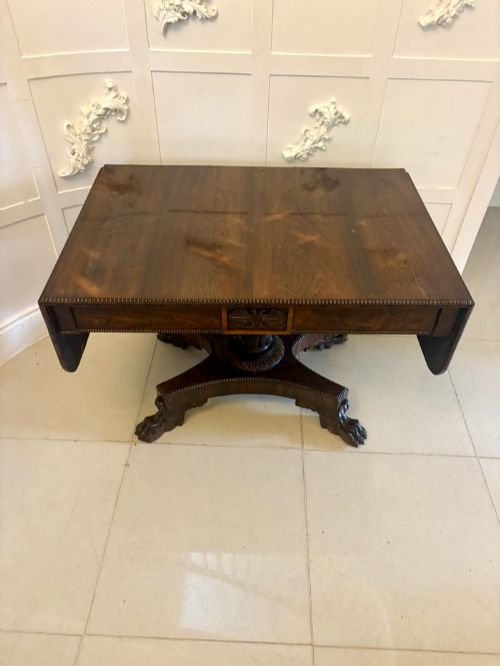
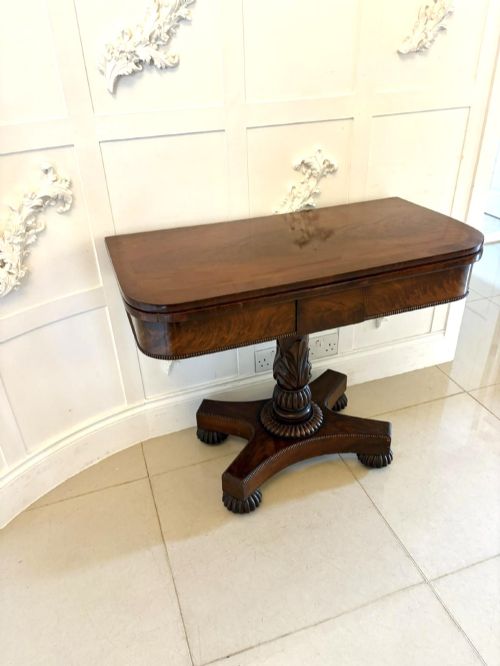

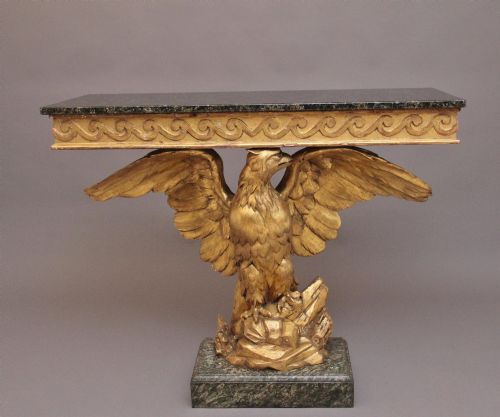
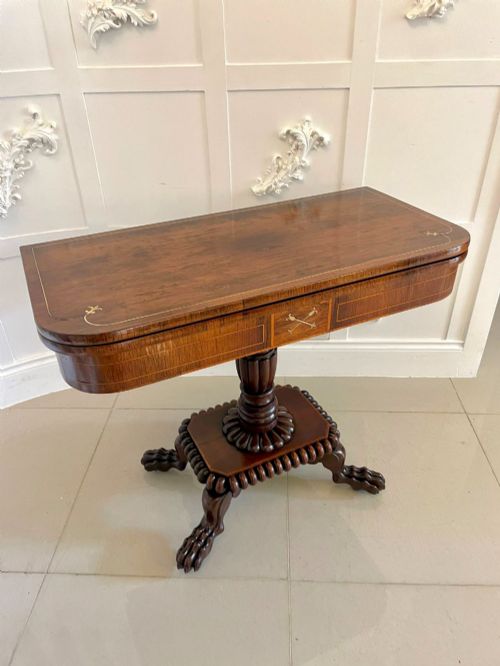
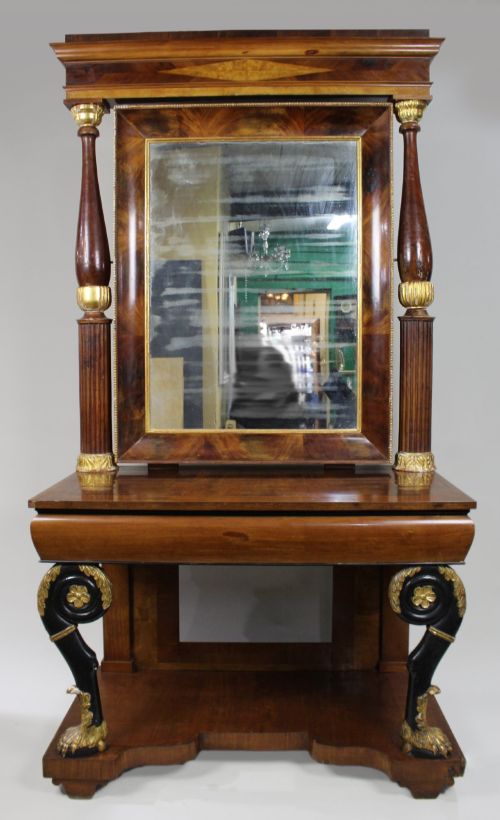
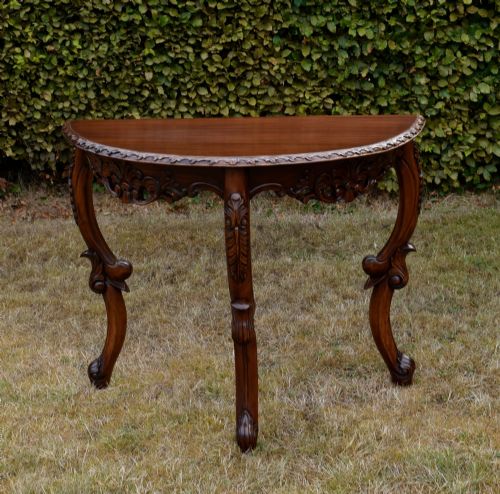
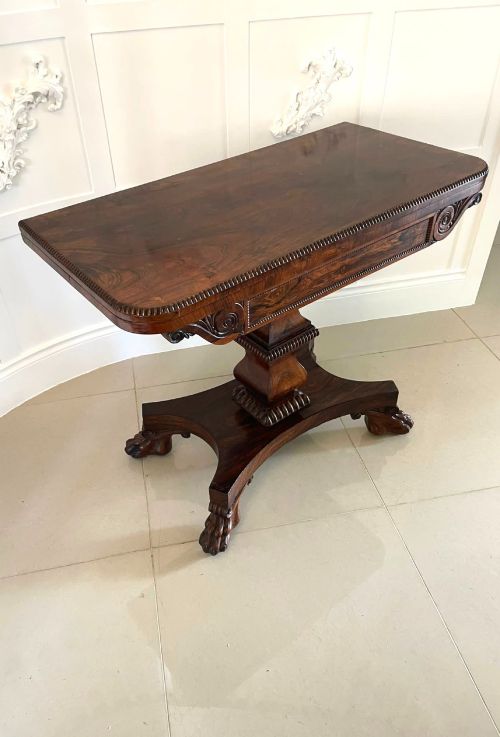
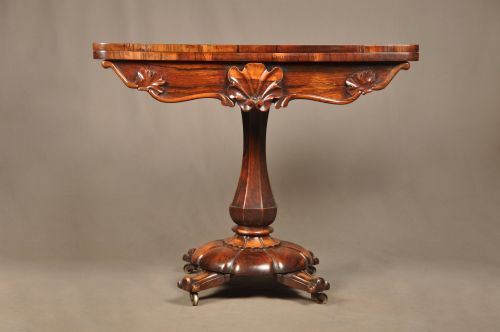
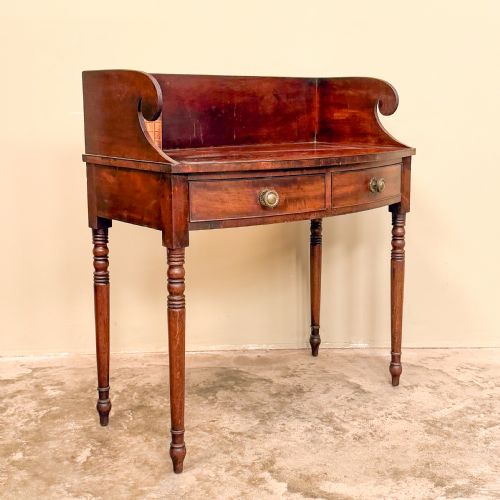
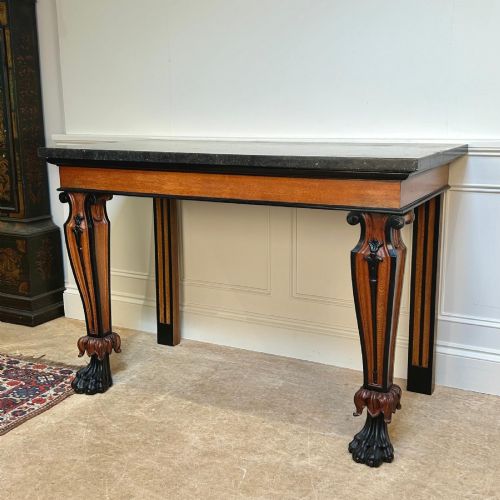
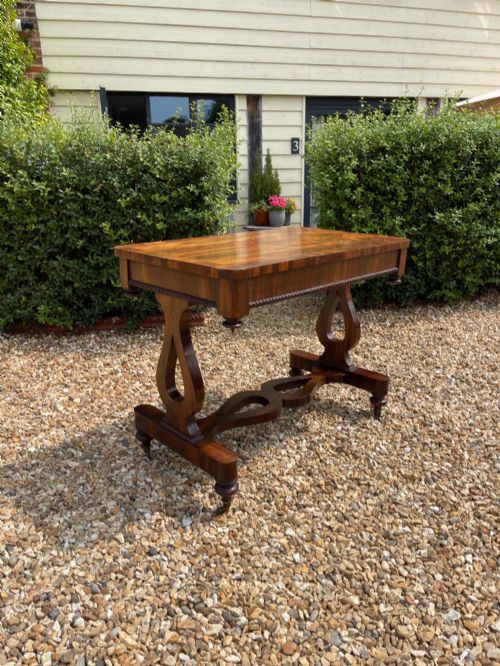
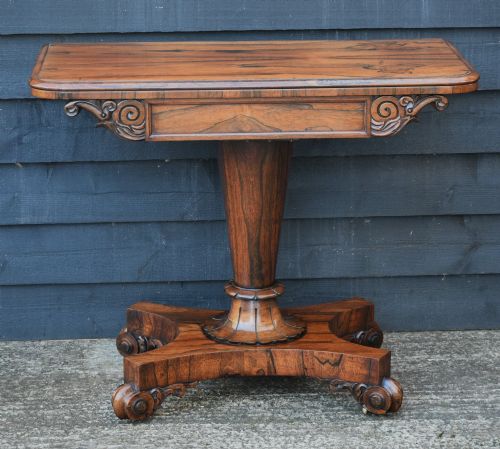
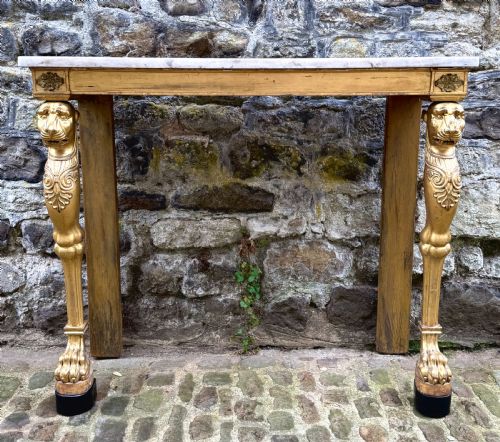
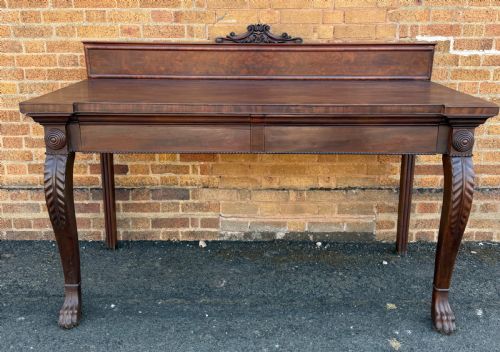
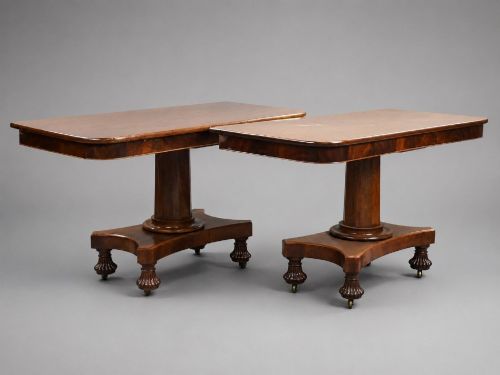
Regency Carved Console Table
A regency carved console table brings architectural dignity and refined timberwork to a room, offering a surface designed to stand against a wall.
Regency Carved Console Table
A regency carved console table is a formal piece of furniture designed to sit against a wall, often featuring decorative timber frames, marble tops, and detailed carved supports. When searching this phrase, buyers encounter furniture primarily originating from the nineteenth century, including the Regency, William IV, and George IV periods.
The selections available here range from rosewood and mahogany card tables to giltwood and marble-topped serving tables. Alongside standard console forms, related pieces such as sofa tables, writing tables, and pier tables appear across the inventory.
Origins vary from English workshops to Irish makers and French Empire designs, showing diverse regional interpretations of classical styles. Oak, brass inlay, and parcel gilt elements frequently accompany the primary cabinet woods.
How they were made
Cabinetmakers utilised dense tropical hardwoods like rosewood and mahogany, often enhanced by figured veneers, burr yew, and pollard oak. These timbers provided stable bases for intricate carving on paw feet, dolphin bases, and scrolling supports.
Giltwood, parcel gilt, and painted finishes added classical brilliance, frequently paired with heavy white or Siena marble tops. Brass inlay and brass mounts further enriched the surfaces of card tables and writing desks.
The inventory spans the nineteenth century, including specific Regency, William IV, and George IV eras alongside later revivals.
What varies in quality
The distinction between standard examples and exceptional pieces rests in the crispness of the timber carving and the selection of figured veneers. Finer tables exhibit deeply chiselled details on paw feet and pedestals, executed by skilled hands rather than routine production methods.
The integration of materials also defines the grade of the piece, such as thick slab marble tops fitted precisely to mahogany frames or meticulously laid brass stringing. Attribution to known makers like Gillows elevates the standing of an individual table.
James Mein of Kelso·Jean-Joseph Chapuis·Gillows
The Regency Carved Console Table Glossary
- Console table
- A table designed to be fixed or to stand against a wall, frequently supported by two front legs or brackets. They often feature decorative marble tops and mirror backs.
- Giltwood
- Wood that has been coated with gold leaf or gold paint. This finish appears frequently on frames and carved supports of the classical period.
- Parcel gilt
- Partially gilded woodwork where gold leaf highlights specific carved details against a dark timber or painted background. It draws the eye to structural enrichment.
- Demi lune
- A half-moon shape characteristic of certain side and card tables. This form fits neatly against flat walls in narrow hallways or reception rooms.
- Siena marble
- A decorative yellow marble quarried in Italy, featuring dark veining. It provides a luxurious coloured top for prominent centre and console tables.
Regency Carved Console Table: Frequently Asked Questions
What is a regency carved console table?
A regency carved console table is a nineteenth-century wall-mounted or freestanding side table distinguished by classical motifs and substantial woodwork.
These pieces served formal reception rooms and hallways as decorative display surfaces.
Where should I place a console table?
These tables suit hallways, living rooms, and dining spaces where they sit flat against a wall beneath mirrors or artwork.
Freestanding versions can also operate away from walls depending on their finished back panels.
How do I identify a William IV table?
William IV furniture generally dates from the 1830s and displays heavier proportions than earlier Regency pieces. Look for robust mahogany or rosewood constructions with scrolling brackets and bold carved feet.
Drawer linings and secondary woods often help confirm the period origins.
What is the difference between a console and a card table?
Console tables remain static surfaces meant for display, whereas card tables feature fold-over tops designed for gaming.
Many card tables double as console tables when closed against a wall.