


Regency Caned Side Chair
A regency caned side chair brings architectural restraint and woven texture to a room, offering an upright seat rooted in classical design.
Regency Caned Side Chair
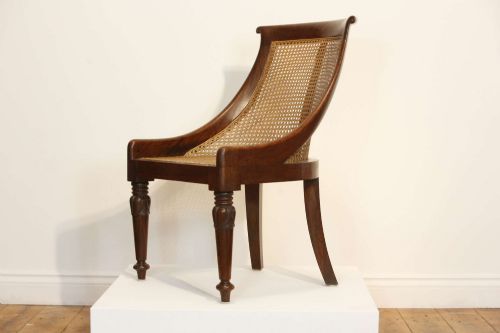
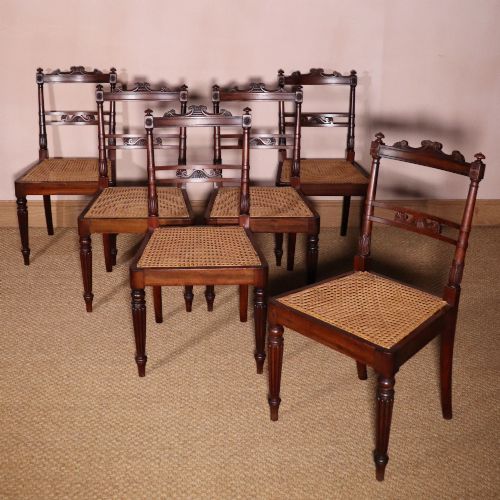
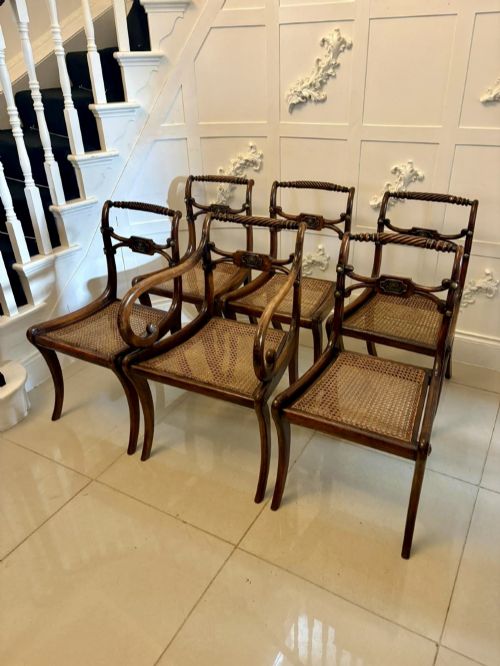
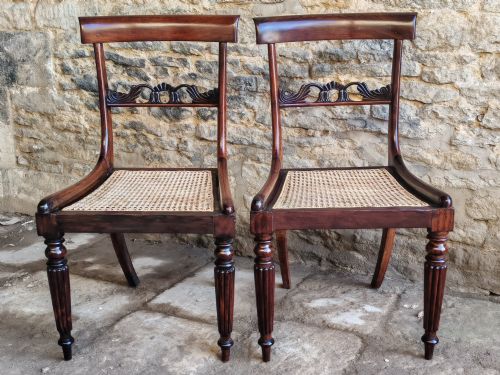
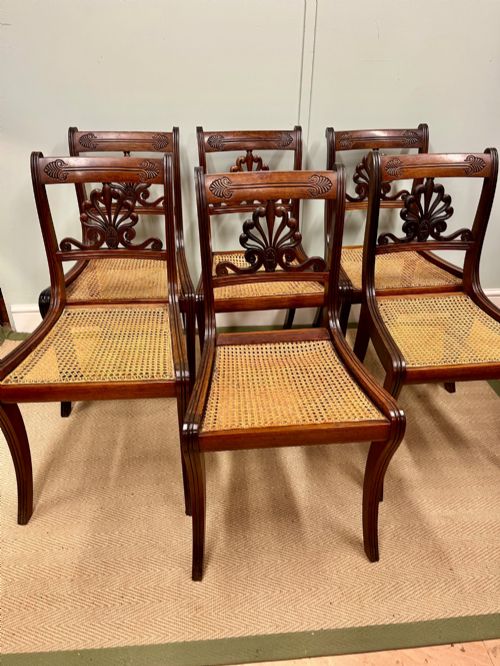
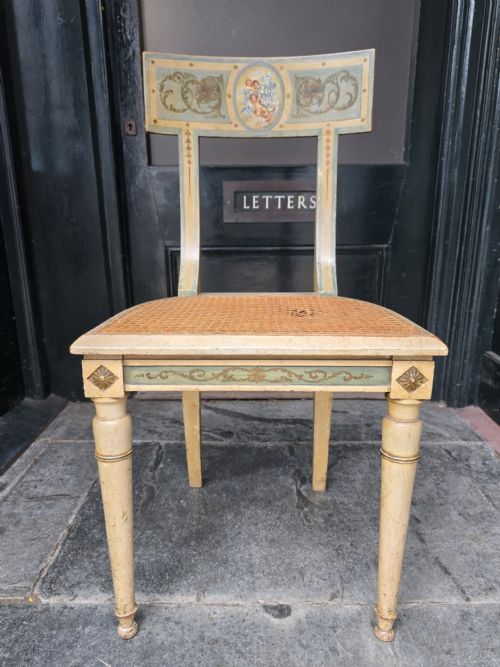
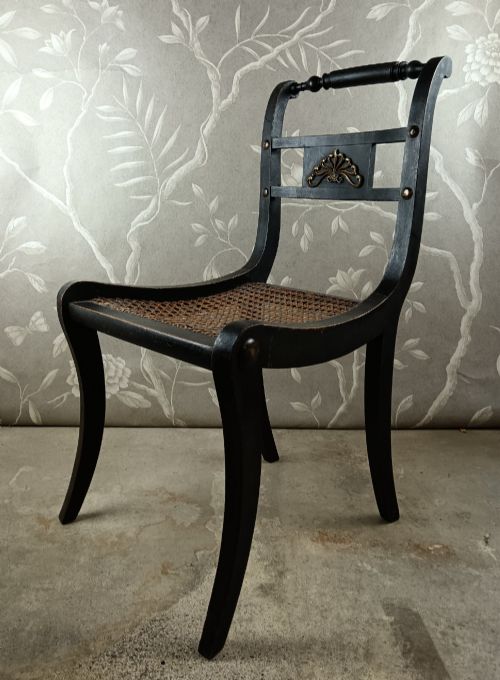
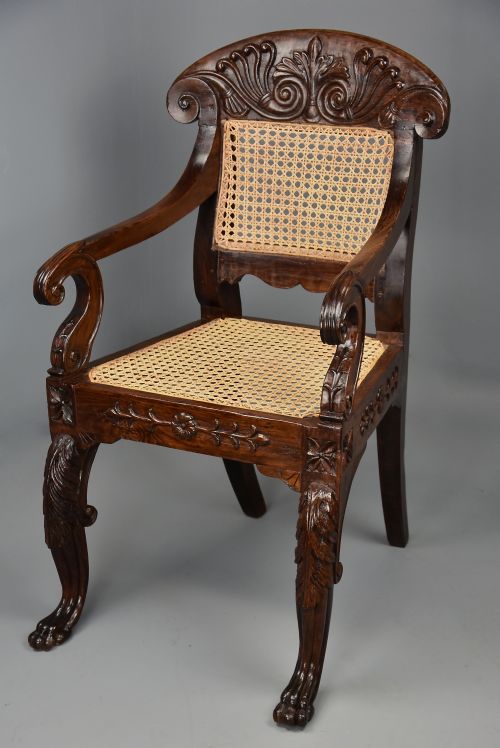
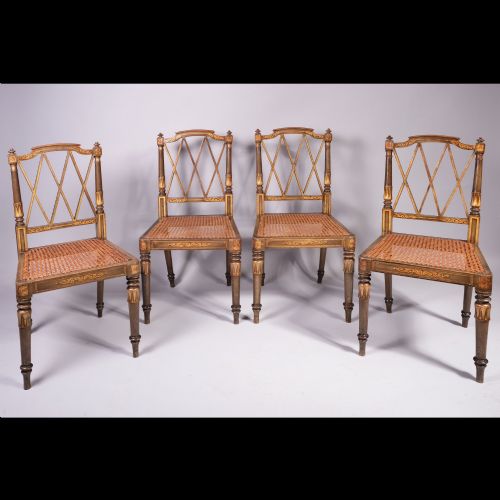
A regency caned side chair serves as an elegant seating option originating primarily from the nineteenth century, drawing upon classical Greek and Roman motifs. These pieces often feature distinctive sabre legs, shaped top rails, and woven cane panels designed to provide both structural rigidity and visual lightness.
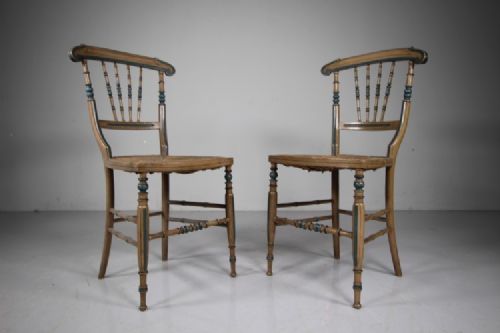
Buyers encountering this selection will find examples spanning genuine period production alongside later revivals from the twentieth century. Forms range from single bedroom chairs to matched dining sets, incorporating materials like mahogany, rosewood, and painted finishes alongside traditional woven seating.
Materials and Construction
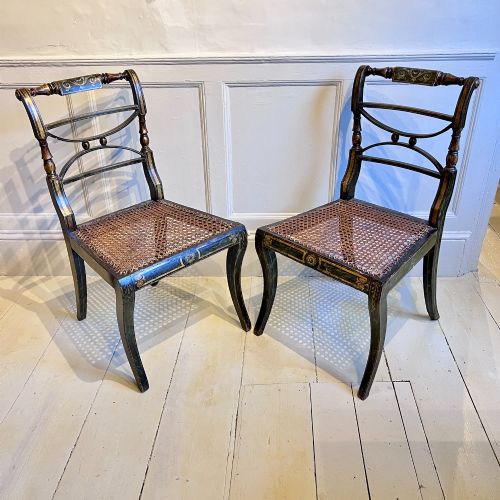
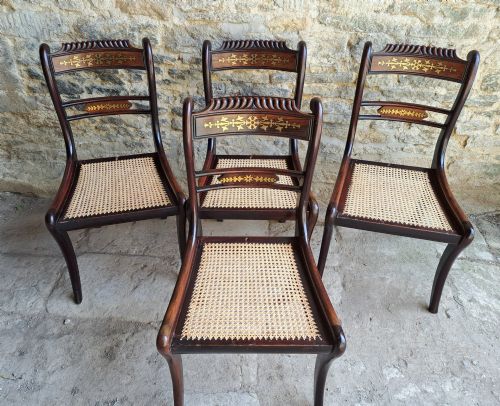
Cabinetmakers constructed these frames using dense hardwoods such as mahogany and rosewood, frequently employing ebonisation, paint, or simulated grain effects to mimic exotic timbers. Brass inlay and gilt detailing often accented the woodwork, aligning with the ornamental vocabulary of the period.
The characteristic seats utilise natural cane woven tightly through drilled frame holes, yielding a resilient and breathable surface. Additional structural support derived from turned or sabre legs, carved back rails, and occasional brass mounts.
Regency Caned Side Chair Retail Price Guide 2026
Typical asking prices for regency caned side chair among the pieces listed under this phrase on Sellingantiques today, from the lower quarter to the upper quarter. They describe what is for sale here now, not the wider market.
Listings feature woods such as mahogany, rosewood, padouk, and ebony, alongside painted and ebonised finishes.
Evaluating Craftsmanship and Preservation
Quality separates pieces by the crispness of woodcarving, the complexity of brass inlay work, and the integrity of the timber framing. Superior examples display refined proportions and tight joinery that withstands centuries of use.
The condition of the woven cane seating and the originality of painted or ebonised surfaces dictate the standing of an individual piece. Retaining original decorative schemes and period cane work elevates an example far above later restorations.
Gillows
The Regency Caned Side Chair Glossary
- Bergere
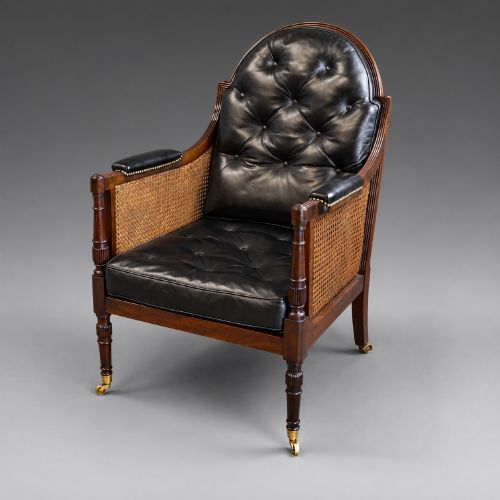
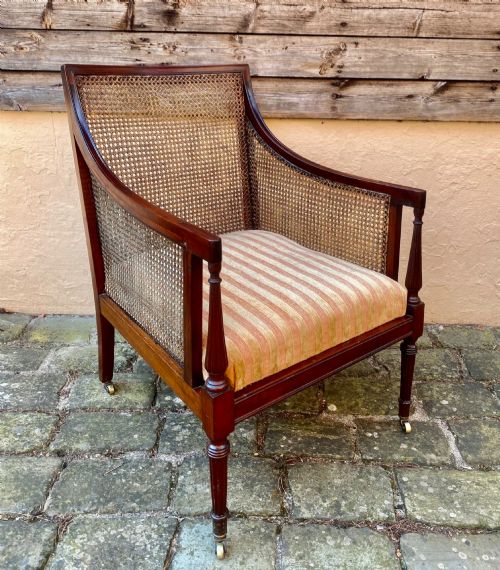
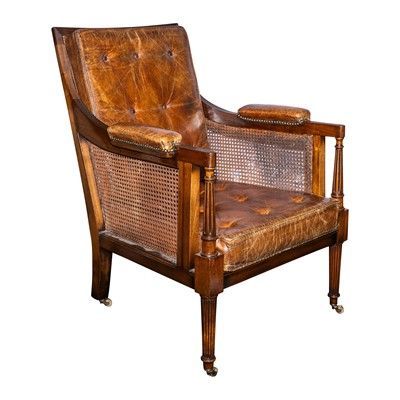
- A closed-arm armchair featuring upholstered or caned sides and back panels. This form offers deeper seating comfort than a standard dining chair.
- Sabre leg
- A curved, outwardly tapering furniture leg resembling a cavalry sabre. This shape provides stability while lending a dynamic, flowing silhouette to the chair.
- Klismos
- An ancient Greek chair style characterised by concave back rails and curved, splaying legs. Regency designers revived this classical form for dining and side seating.
- Parcel gilt
- The practice of applying thin gold leaf to specific raised portions of a carved or painted wooden surface. This technique highlights decorative details against an ebonised or painted background.
Regency Caned Side Chair: Frequently Asked Questions
How do I identify a true period piece?
Examine the timber shrinkage, joinery methods, and wear patterns consistent with nineteenth-century cabinetmaking practices. Genuine examples often show hand-cut joints and period-appropriate wood species.
Compare the proportions and decorative motifs against documented designs from the era. Subtle details in the carving and brass inlay help distinguish authentic production from later revivals.
Are caned seats durable for daily dining?
Traditional cane seats possess natural flexibility and strength when maintained properly. They handle regular sitting well, provided the cane does not dry out excessively.
Avoid placing these chairs in direct sunlight or overly dry environments to preserve the natural elasticity of the weave. Periodic cleaning with a damp cloth keeps the material supple.
What is the difference between side chairs and carvers?
Side chairs feature armless designs intended primarily for dining tables or secondary seating around a room. Their compact footprints allow them to tuck neatly beneath tables.
Carvers include armrests and typically stand at the head of a dining table or serve as library chairs. They offer a more substantial presence while matching the aesthetic of the surrounding side chairs.