



Regency Blue White Ceramic
Regency blue white ceramic pieces bring the bold cobalt prints of the early nineteenth century to your table, offering historic transferware scenes that collectors prize.
Regency Blue White Ceramic
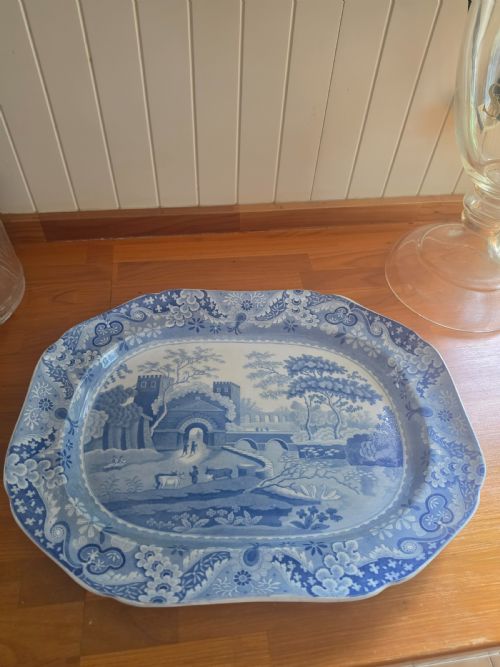
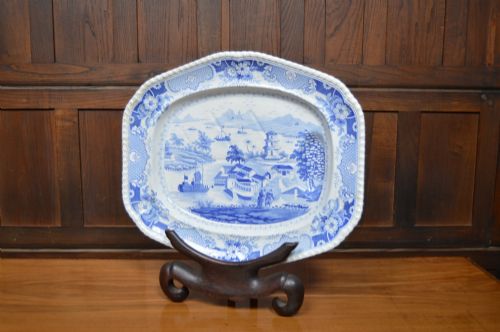
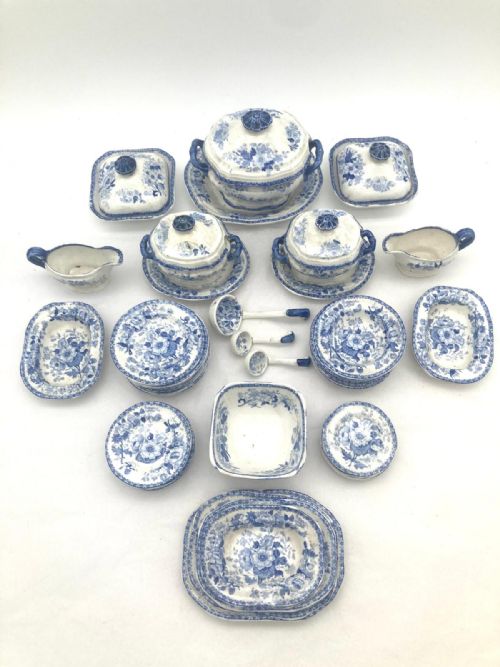
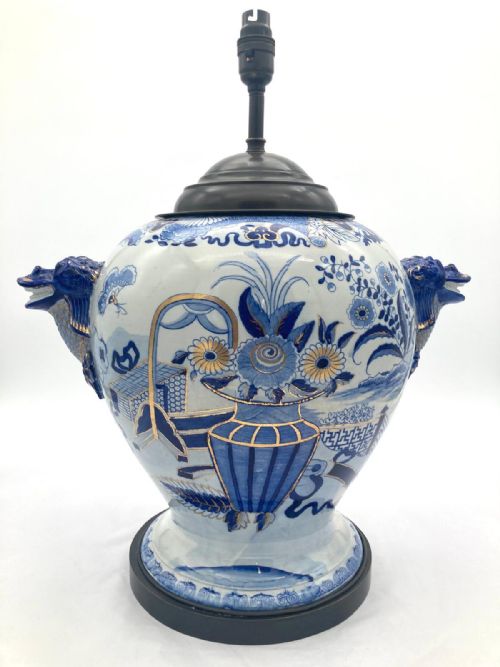
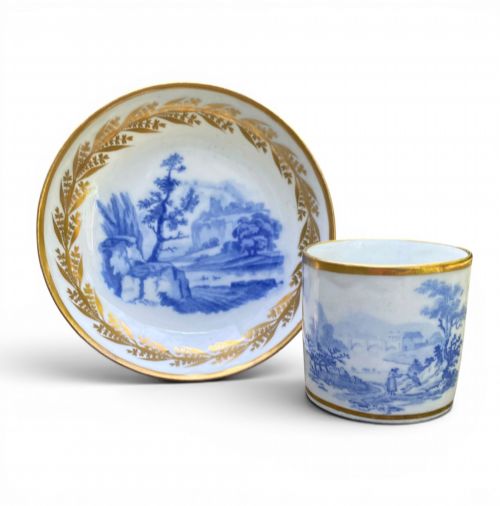
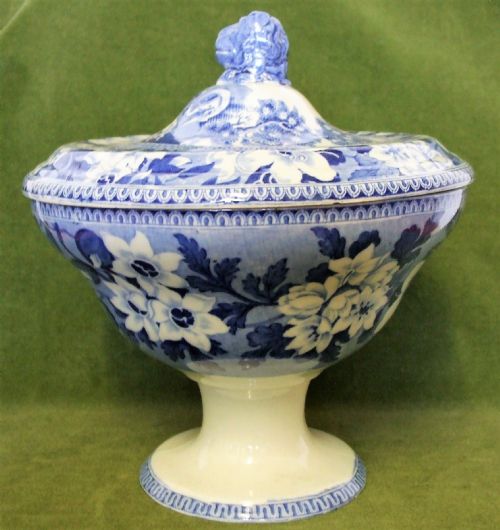
When searching for regency blue white ceramic, you are looking at functional and decorative vessels produced during the Georgian and Regency periods. The forms include large meat platters, tea plates, footbaths, and tureens decorated with cobalt blue transfer prints. These items represent the height of British pottery production when industrial techniques met detailed pictorial design.
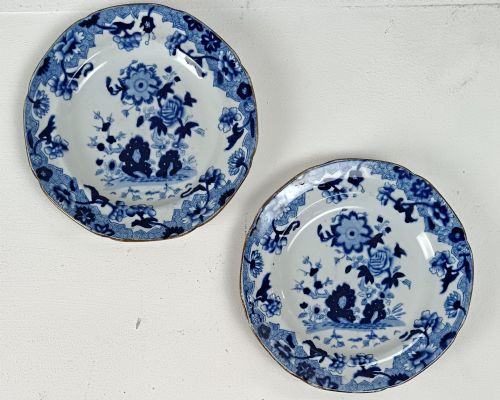
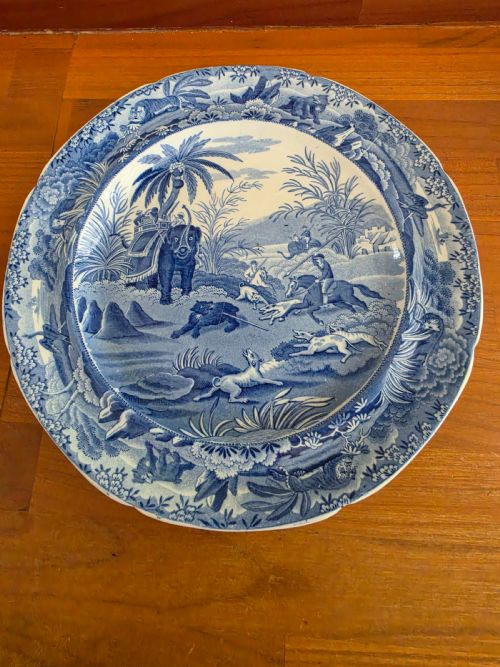
The version you are most likely to meet on this page is the earthenware or ironstone plate and platter, often bearing named topographical, literary, or exotic patterns. Spode, Minton, and Mason's dominate the offerings, spanning functional dining pieces and display chargers. Many items survive from large services, maintaining their crisp cobalt tones despite heavy historical use.
How they were made
Potters shaped earthenware, pearlware, and ironstone on wheels or pressed them into moulds to create plates, footbaths, and hollowware. Ironstone provided a heavier, highly durable body suitable for massive meat platters, while porcelain and pearlware served finer tea wares.
Makers applied designs using copperplate transfer printing, pressing paper inked with cobalt blue onto the biscuit fired clay before glazing and firing the piece again. This method allowed intricate patterns like Chinoiserie landscapes, historic views, and animal subjects to be replicated with precision across entire dinner services.
Listings feature earthenware, pearlware, and ironstone forms spanning the Georgian, Regency, and Victorian periods.
What varies in quality
The clarity and depth of the cobalt transfer print separate the finest examples from standard production. A sharp impression shows every line of the engraver's copperplate without blurring or pooling in the glaze.
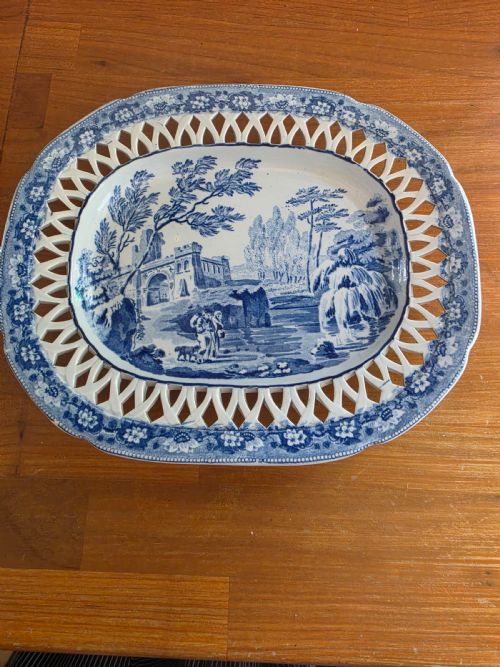
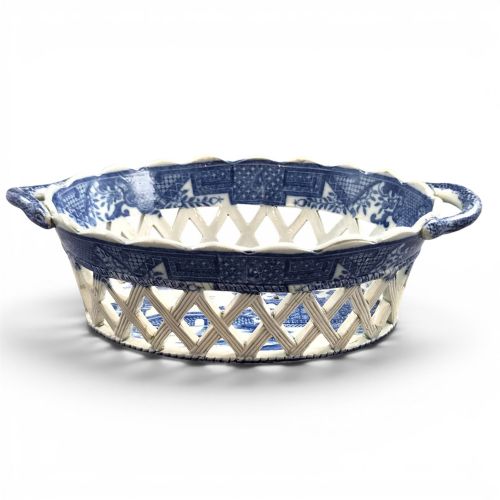
The complexity of the form and the ambition of the pattern dictate the upper tier of the range. Reticulated baskets, moulded drainers, and large armorial chargers demand greater skill from both the potter and the engraver than simple domestic plates.
Spode·Davenport·J W R·John Rogers and Son·Ridgway·Heathcote·Masons Ironstone·Copeland and Garrett·Yates·Wedgwood·Minton·Hicks and Meigh·New Hall
The Regency Blue White Ceramic Glossary
- Transferware
- Earthenware or porcelain decorated by applying a paper transfer printed from an engraved copperplate. This technique revolutionised British pottery production by allowing complex pictorial designs to be applied quickly and consistently.
- Pearlware
- A refined earthenware developed by Josiah Wedgwood featuring a thin glaze with a faint bluish tint that pooled in crevices. The blue tinge made the underlying ceramic body appear whiter.
- Ironstone
- A dense, heavy ceramic patented in the early nineteenth century to imitate Chinese porcelain. It resists chipping and staining, making it ideal for large meat platters and heavy dinner services.
- Reticulated
- Pierced or openwork pottery, often seen on chestnut baskets and dessert plates. Potters cut geometric or floral lattices into the clay while leather hard before firing.
- Drainer
- A perforated ceramic insert placed inside a meat platter to catch juices. These pieces are frequently found separately and are prized by collectors of early dining wares.
Regency Blue White Ceramic: Frequently Asked Questions
How do I date regency blue white ceramic?
Dating relies on maker marks, ceramic bodies such as pearlware versus ironstone, and the style of the transfer printed border. Potters often changed their backstamps with new partnerships, which helps narrow the production window.
Fashionable motifs also shifted from classical ruins and Chinoiserie scenes toward local topography and literary themes as the nineteenth century progressed.
Can I use these antique plates for dining?
Most of these pieces are earthenware or ironstone designed for food service, but age and historic glaze crazing mean modern use requires caution. Hand washing protects the ceramic body from thermal shock and abrasive detergents.
Displaying them on plate racks or wall mounts keeps fragile edges safe from accidental chipping during daily meals.
What caused the blue colour on these ceramics?
Potters used roasted cobalt oxide mixed with oils to create the deep blue pigment applied to the transfer paper. The pigment withstood the high temperatures of the second kiln firing, fusing permanently beneath the transparent glaze.
Variations in the shade of blue depend on the purity of the cobalt and the thickness of the glaze layer.
Why are some platters sold with drainers?
Meat platters featured removable ceramic drainers to lift joints of meat above juices accumulated during carving. These inserts are scarce because they were easily separated from the main platter over centuries of use.
Finding a platter and drainer together represents a complete historic serving set.