




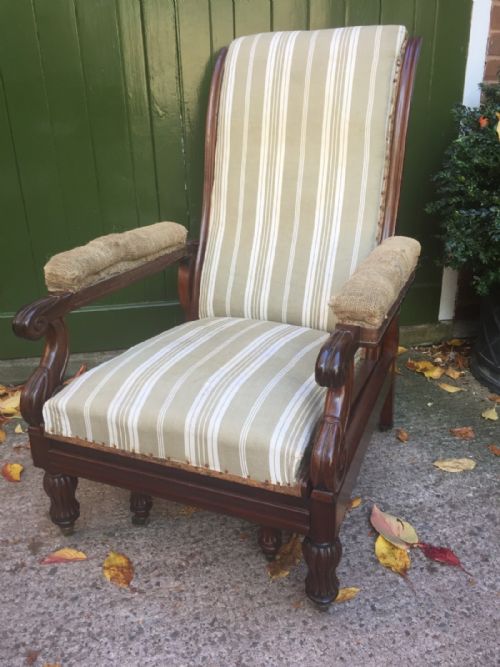


Regency Adjustable Chair
These regency adjustable chair pieces bring mechanical ingenuity and exceptional timber together for musicians, readers, and dressing rooms.

Regency Adjustable Chair
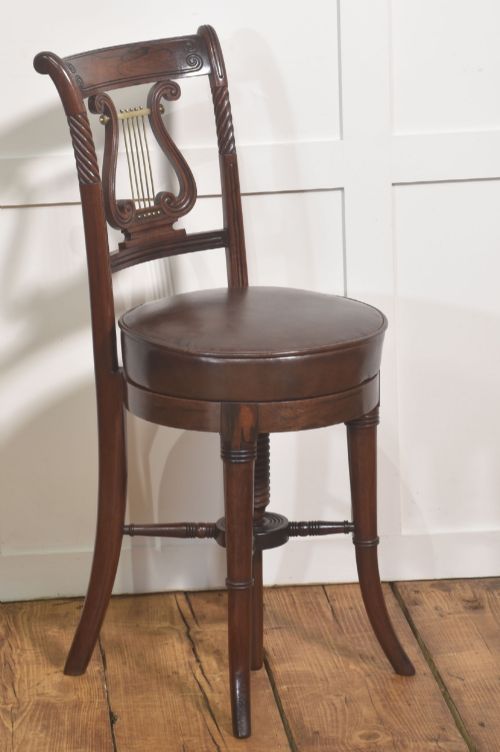
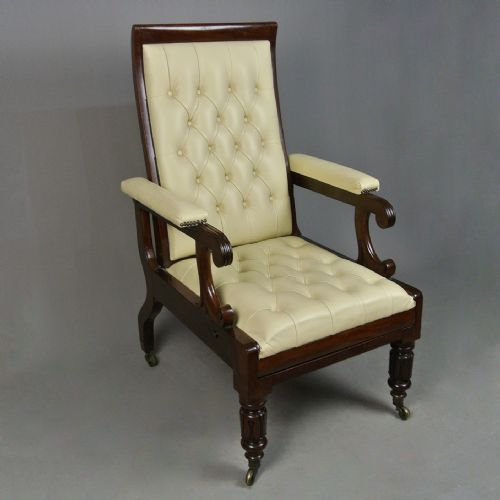
When you search for a regency adjustable chair, you enter a domain of seating designed for height variation and comfort, spanning piano stools, music stools, harpist chairs, and library armchairs. The pieces on this page lean heavily towards piano and music stools alongside reclining library armchairs from the Georgian, Regency, and William IV periods.
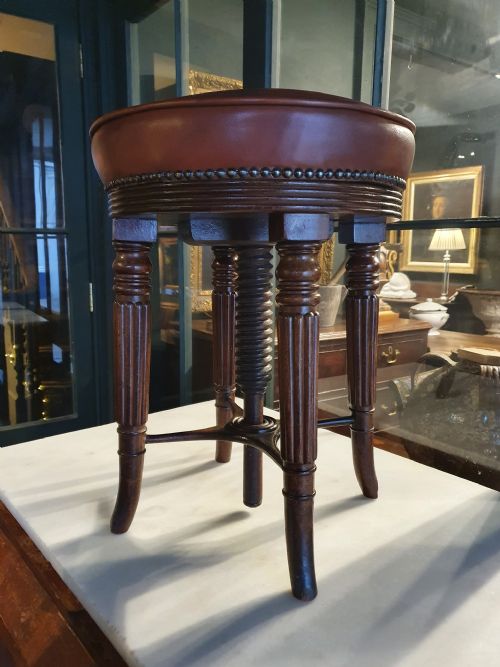
Forms range from revolving screw-top piano stools with square or round seats to sophisticated patented reclining armchairs intended for the library or parlour. Mahogany and rosewood dominate the structural framework, accompanied by specialist seating for musicians requiring stability and movement during performance.
How they were made
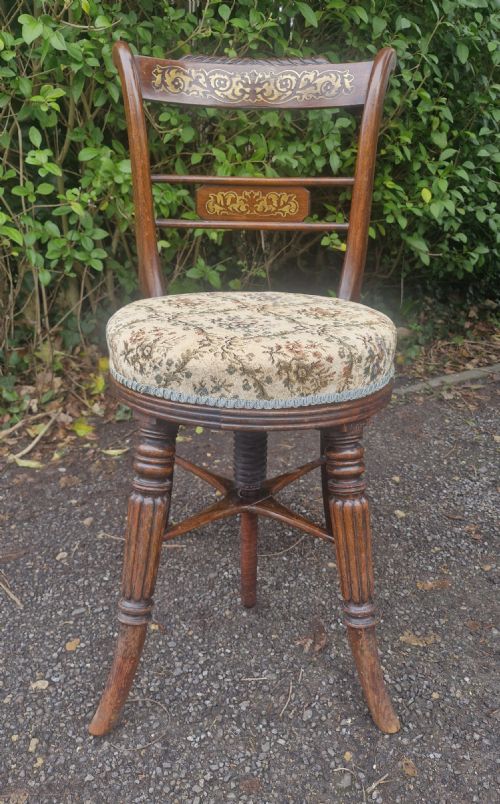
Cabinet makers utilised dense timbers such as solid mahogany, rosewood, and satinwood, often enhanced with brass inlay, gilt paint, and simulated rosewood finishes. Mechanical ingenuity underpins the adjustable nature of these chairs, utilising screw-top mechanisms and patent reclining actions.
Upholstery forms a critical component, incorporating fabric, leather, velvet, and hessian over traditional stuffing to support the user during long periods at the piano or music stand.
The listings on this site combine solid mahogany, rosewood, and satinwood across Regency, William IV, and Georgian periods.
What varies in quality
The sophistication of the mechanical adjustment mechanism separates standard seating from exceptional examples, particularly in patented designs attributed to makers like Gillows or Daws. Timber selection and decorative enrichment, such as precise brass inlay and gilt painting on rosewood or mahogany, dictate the standing of an individual piece.
The integrity of the frame and the preservation of original upholstery materials, whether leather, velvet, or fabric, influence the overall character and historical completeness of the chair.
Gillows·Robert Daws
The Regency Adjustable Chair Glossary
- Regency
- A British design period spanning the early nineteenth century defined by classical restraint and rich cabinet timbers. Pieces from this era often feature bold mahogany and rosewood grains.
- Piano stool
- A seat designed specifically for keyboard players, frequently featuring a revolving screw-top mechanism to alter height. These items match the domestic music rooms of the period.
- Reclining chair
- An adjustable armchair equipped with a mechanical action to alter the angle of the backrest. Patent designs from makers such as Daws are typical of this category.
- Music stool
- A specialised seat used by musicians, including harpist and cellist configurations. They often incorporate rotational or height-adjustment capabilities.
- Brass inlay
- The technique of embedding thin brass strips into the surface of timber for decorative effect. This adornment frequently appears on rosewood music and piano seating.
Regency Adjustable Chair: Frequently Asked Questions
How do these adjustable chairs work?
Most variants utilise a threaded screw mechanism beneath the seat, allowing the user to rotate the top to the desired height. Reclining library armchairs employ mechanical hinges and ratchets to alter the angle of the back.
These systems required precise engineering by nineteenth-century cabinet makers to ensure smooth operation without compromising the structural integrity of the timber frame.
Were these chairs only used for pianos?
While piano stools and revolving music stools form a large portion of the inventory, the category includes specialised seating for harpists, cellists, and general library use. Dressing table chairs and reclining library armchairs served entirely different domestic functions.
Each form was tailored to the specific posture and movement required by the occupant during performance, reading, or grooming.
How do I identify a Regency period piece?
Regency pieces typically display distinct neoclassical influences, utilising dark timbers like mahogany and rosewood accented with brass inlay or gilt paint. Construction methods align with early nineteenth-century workshop practices.
Comparing the turned legs, joinery, and mechanical components against dated examples helps confirm whether a piece originates from the Regency, George IV, or William IV eras.
Can I use an antique music stool daily?
These chairs were built using solid hardwoods designed for daily domestic utility, making them robust enough for modern settings. Regular use requires gentle handling of the adjustment screws and mechanical parts to preserve their historical integrity.
Checking the stability of the revolving top and the condition of the upholstery ensures the piece remains functional for contemporary seating.