


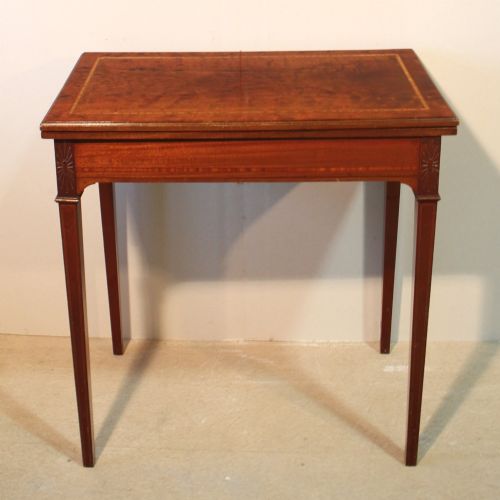


Reddish Mahogany Side Tables
These reddish mahogany side tables bring warmth and functional surface space to any room, crafted from rich timber with varied figures.
Reddish Mahogany Side Tables
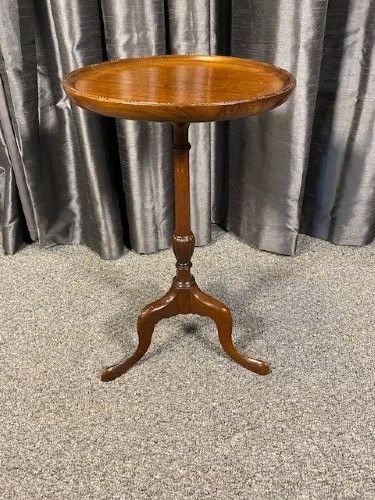
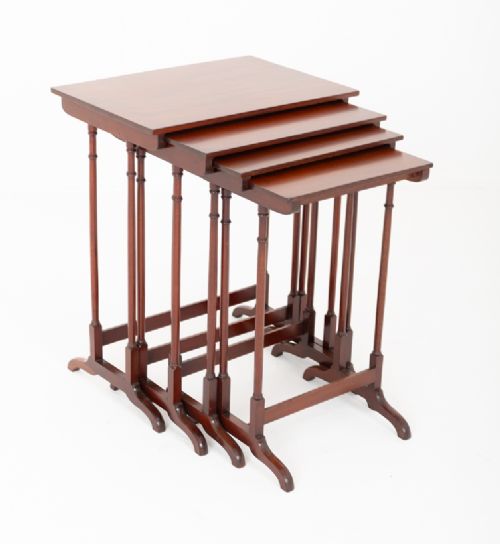
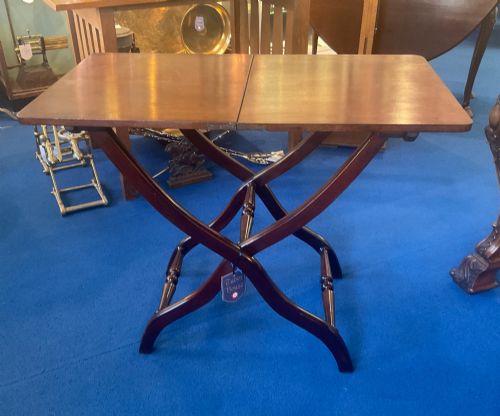
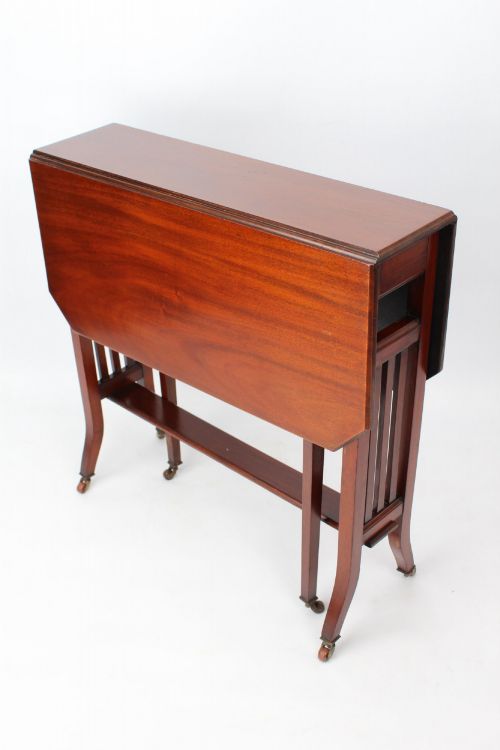
When you search for reddish mahogany side tables, you encounter an array of occasional furniture spanning the Georgian, Victorian, and Edwardian eras. These pieces include wine tables, nests of tables, coaching tables, and Sutherland tables designed for practical everyday use.
From tripod tables with dish tops to drop-flap bedside cabinets and card tables, these items reflect the evolving domestic needs of the nineteenth and early twentieth centuries. Each form serves a distinct purpose, from holding a bedside candle to displaying decorative objects.
What varies in quality
The standard of timber selection largely distinguishes the pieces, with finer examples displaying rich grain patterns and deeper reddish tones across prominent surfaces. Finer craftsmanship is evident in the precision of the joinery and the subtlety of turned or carved details.
Hardware choice also indicates quality, as original brass handles, castors, and working locks elevate a piece. The integrity of the structure, including the stability of tripod bases and the smooth movement of drawers, marks the difference between standard production and superior workshop output.
Listings feature mahogany combined with marble, brass, and satinwood across Victorian, Edwardian, and Georgian periods.
Gillows Lancaster
The Reddish Mahogany Side Tables Glossary
- Mahogany
- A durable tropical hardwood known for its deep reddish-brown colour and stable working properties. It became the dominant timber for quality furniture from the eighteenth century onwards.
- Satinwood
- A pale, lustrous timber utilised for contrasting stringing and decorative inlay work on mahogany surfaces. It provides a sharp visual border on tabletops and drawer fronts.
- Tripod table
- A small freestanding table supported by a central pillar and three legs. This form gained popularity in the Georgian period for tea and wine service.
- Sutherland table
- A narrow drop-leaf table featuring folding leaves supported by pivoting gatelegs. It was designed to occupy minimal floor space when closed.
- Dish top
- A solid timber tabletop with a raised, concave rim turned from the solid edge. This feature prevented small items or cups from sliding off.
Reddish Mahogany Side Tables: Frequently Asked Questions
What are reddish mahogany side tables?
These items are small occasional tables and stands produced primarily during the Georgian, Victorian, and Edwardian periods. They served practical functions in domestic interiors, ranging from wine tables to folding card and tea tables.
The use of mahogany timber gives them their characteristic reddish hue and durable structure, making them suitable for continued daily use in modern homes.
How do I date a mahogany side table?
Dating relies on observing construction methods, hardware, and stylistic details such as leg shapes and edge mouldings. Georgian pieces often show hand-cut joinery and simpler, robust proportions.
Later Victorian and Edwardian examples may incorporate machine-sawn elements, factory-made screws, or revived styles like Regency and Sheraton influences.
Where were these tables used?
Original placement varied from drawing rooms and libraries to bedrooms and hallways, depending on the specific form. Wine tables and tea tables stood in reception rooms for entertaining guests.
Bedside cabinets, washstands, and corner pieces fulfilled private domestic requirements in sleeping quarters.
How do I care for mahogany furniture?
Regular dusting with a soft, dry cloth prevents the accumulation of grit that can scratch the polished surface. Keeping the timber away from direct heat sources and strong sunlight protects the reddish finish from fading and the wood from splitting.
Occasional application of appropriate wax polish maintains the moisture and lustre of the mahogany.