


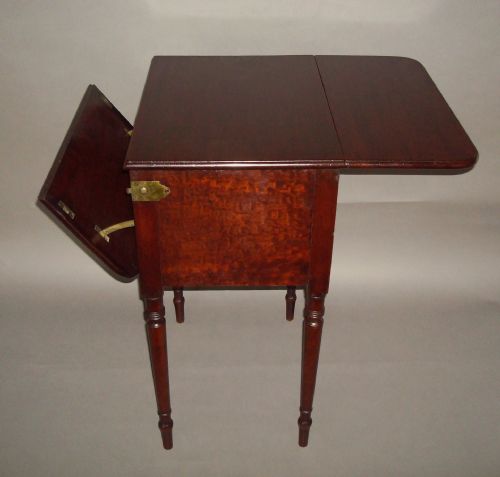
English Mahogany End Tables
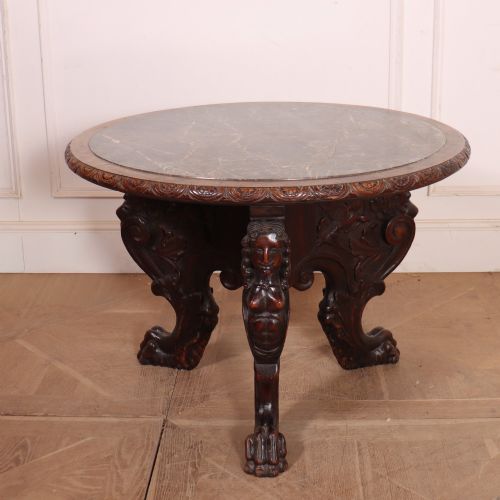
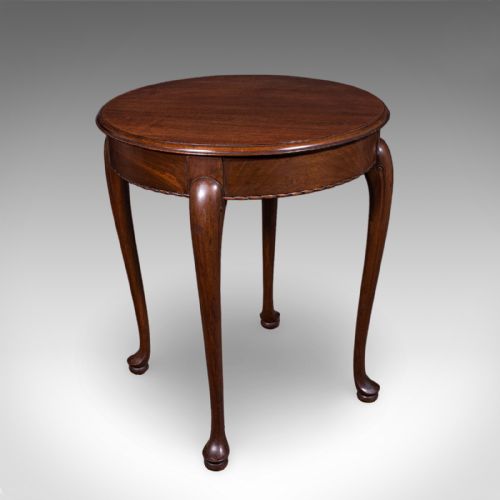
English mahogany end tables combine practical utility with rich timber grain, offering versatile surfaces for lamps, drinks and books in any sitting room.
English Mahogany End Tables
When you search for english mahogany end tables, you encounter a diverse selection of small occasional furniture designed to sit beside seating or against walls. The inventory spans several centuries, moving from the restrained elegance of the Georgian period through Regency, William IV and Victorian eras up to Edwardian pieces and later 1920s revivals.
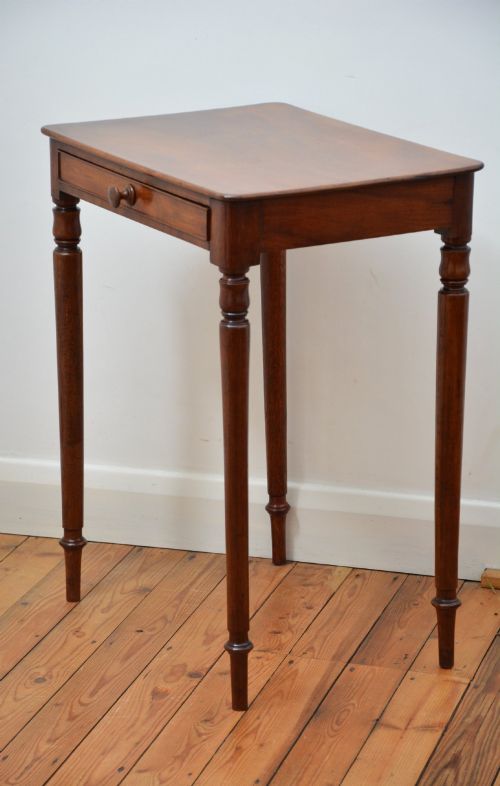
The forms vary widely across the collection to serve different domestic functions within the home. You find nests of tables, bedside tables, sofa tables, console tables, writing tables and small side tables equipped with drawers or drop leaves.
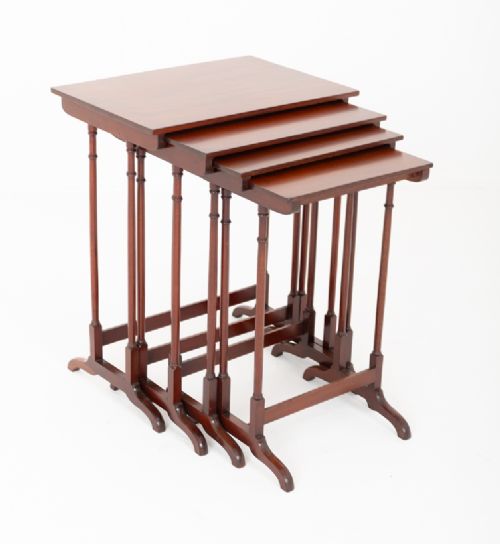
Originating predominantly from English workshops, these pieces showcase classic proportions and portable formats. The most frequent configurations include compact lamp tables, D-shaped console units and tiered quartetto nests designed to slide together when not in use.
Distinctions in quality
The degree of refinement in timber selection and cabinetmaking technique separates standard utility furniture from exceptional examples. Superior items display continuous, well-figured mahogany grain across top surfaces and careful matching of veneers on aprons and drawers.
Construction methods also dictate grade, where hand-cut dovetail joints in drawers, substantial secondary timbers, and original hardware or maker stamps indicate higher workshop standards. Decorative elements like fine crossbanding, carved wooden details and intact brass mounts further elevate the status of a piece.
Waring & Gillow·Gillows
The English Mahogany End Tables Glossary
- Mahogany
- A durable tropical hardwood imported for British cabinetmaking, known for its rich red-brown colour and fine grain. It accepts polishing exceptionally well.
- Regency
- A stylistic period dating roughly from the early nineteenth century, characterised by classical restraint, architectural lines and ancient Roman or Greek influences. Pieces often feature sabre legs and brass inlay.
- Sofa table
- A rectangular occasional table traditionally designed to stand in front of a sofa, featuring drop leaves on either side and small drawers. They typically rest on end-support trestle bases.
- Quartetto nest
- A set of four graduating tables designed to slide neatly beneath one another. They gained popularity in the nineteenth and early twentieth centuries for entertaining.
- D-shaped console
- A half-round table designed to stand flat against a wall, frequently made in pairs that combine to form a circular dining or centre table. The format originates in the Georgian period.
- Stringing
- A narrow inlay of contrasting light wood, such as satinwood, set flush into the mahogany surface. It creates delicate geometric borders around panels and drawer fronts.
English Mahogany End Tables: Frequently Asked Questions
What is a deceptive table?
A deception table is a multifunctional piece designed to disguise its true purpose, often appearing as a standard side table while concealing writing slopes or gaming surfaces inside.
Craftsmen during the Regency period created these items to satisfy a demand for clever domestic machinery that maximised space in polite rooms.
How do I date a mahogany table?
Dating relies on examining construction methods, timber thickness, hardware styles and overall proportions against known stylistic periods. Georgian and Regency pieces typically show hand-tooled joinery and specific leg profiles.
Later Edwardian items and 1920s revivals often incorporate standardised machine components and different secondary woods behind the primary mahogany facade.
Can I use these tables daily?
These tables served practical domestic roles originally and function well for holding lamps, books or drinks today. Standard maintenance involves using coasters and avoiding direct heat or moisture.
Solid mahogany and sturdy veneer construction handle regular daily use provided the joints remain stable and the polish receives proper care.
What are D-end tables used for?
D-end tables function as console or side tables placed against hallway or parlour walls when arranged individually. Historically, pairs united with a central leaf to form a dining table.
Their curved profile saves floor space in smaller rooms while providing a useful surface for decorative objects or lighting.