



Red Woven Rug
A red woven rug brings deep colour, tribal geometry, and centuries of hand-knotted tradition straight to a wooden floor.
Red Woven Rug
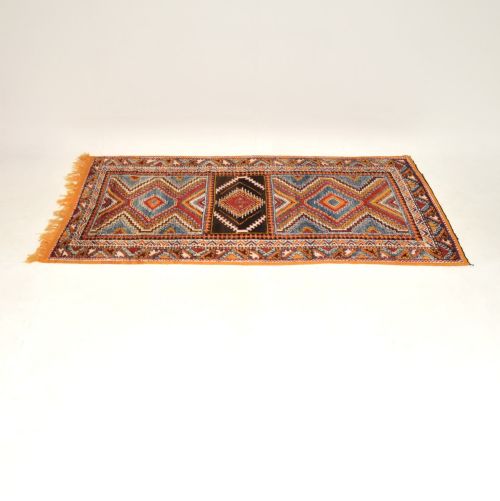
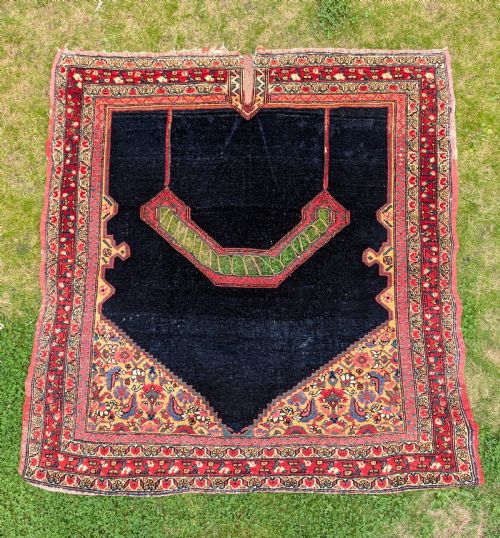
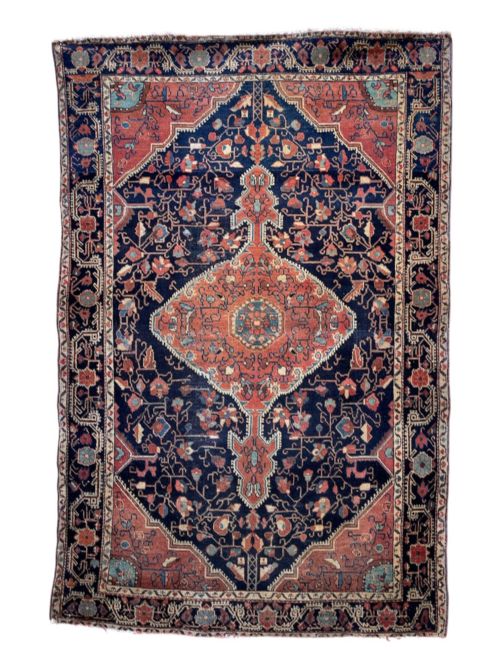
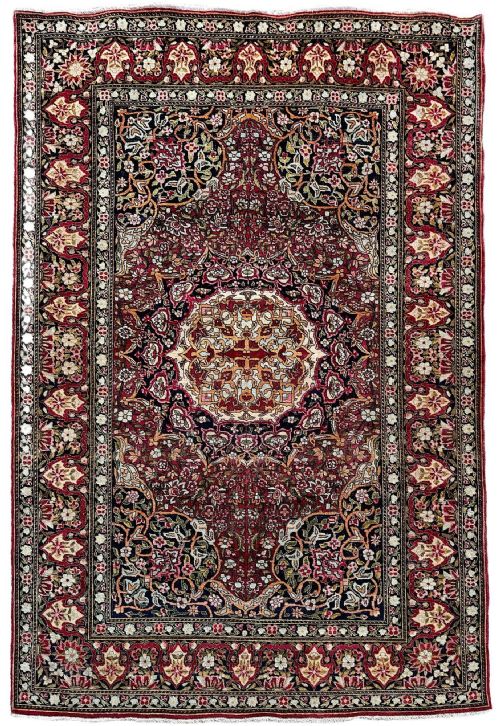
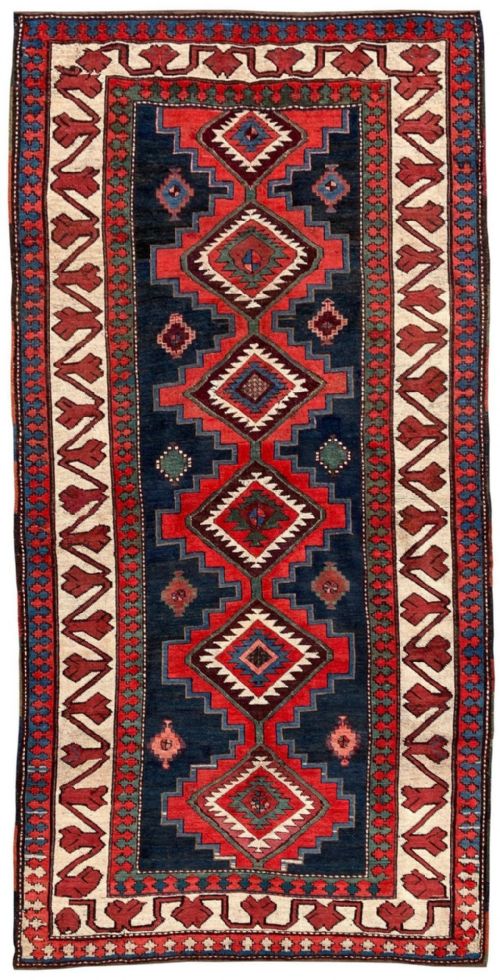
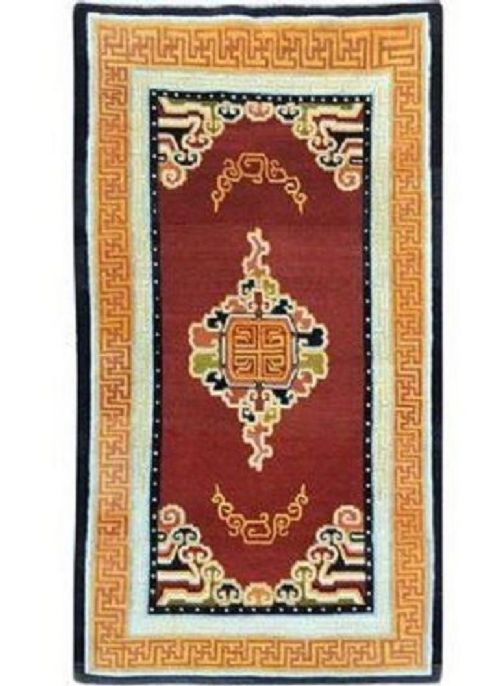
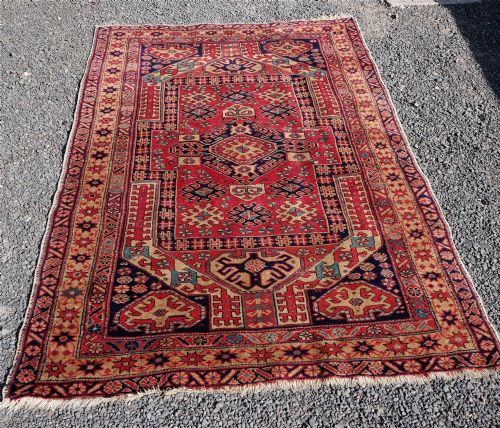
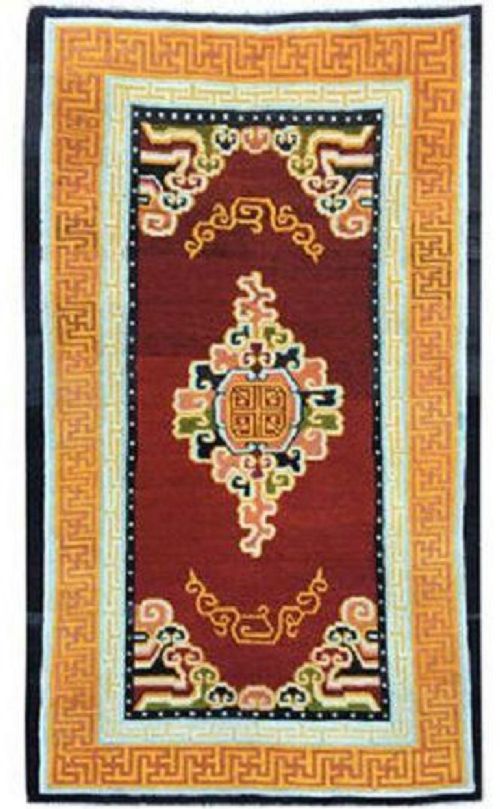
A red woven rug encompasses hand-knotted floor coverings and nomadic textiles originating from Persian, Caucasian, Turkmen, and Anatolian traditions. These pieces span from the late nineteenth century through to the early decades of the twentieth century, reflecting distinct regional designs and tribal motifs.
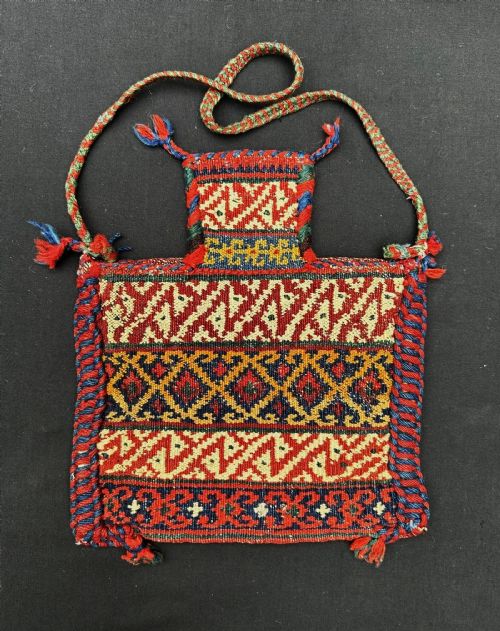
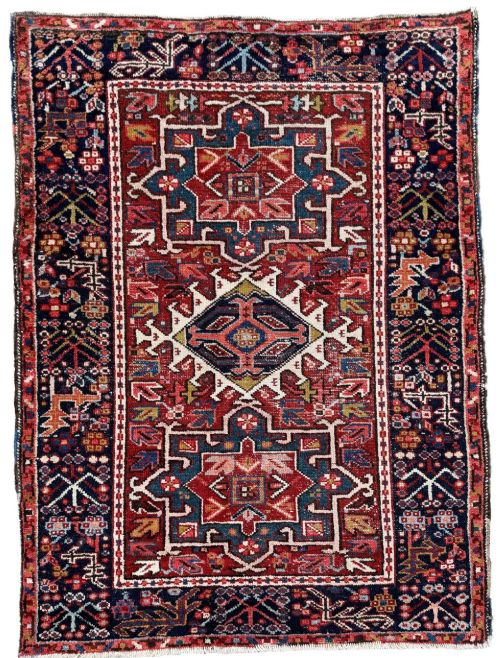
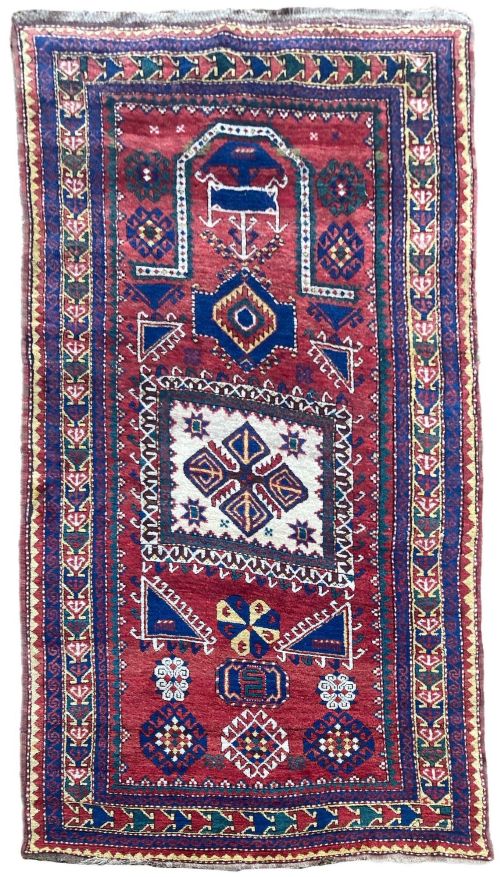
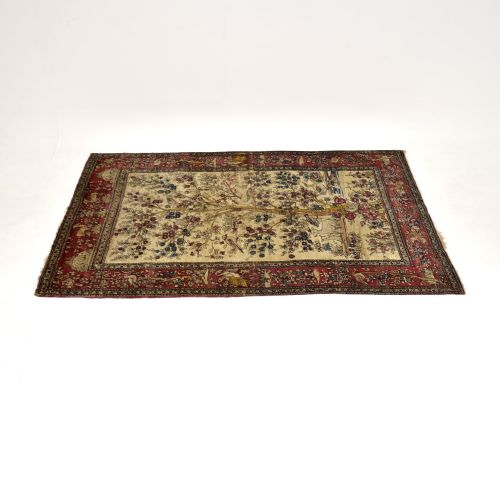
The most common examples on this page are Persian village carpets and Caucasian tribal rugs, often displaying rich madder red backgrounds alongside geometric medallions or repeating patterns. Buyers encounter everything from large room-sized carpets down to smaller scatter rugs, prayer rugs, and utilitarian nomadic bags.
Makers utilised local materials and traditional dyeing methods, passing down specific border motifs and field patterns through generations of weavers. Each surviving textile records the geography and cultural identity of the specific region in which it was knotted.
Assessing quality and depth
Quality rests in the density of the knotting, the precision of the geometric or floral layout, and the stability of the foundation materials. Tighter knots allow finer detail in medallions and borders, while robust wool selection ensures the pile withstands generations of use without losing definition.
Colour saturation and dye consistency distinguish finer examples, particularly where madder red or rust backgrounds display subtle tonal variations known asabrash. The integrity of the original borders and the symmetry of the tribal design further separate standard village output from master weaver pieces.
Nomadic weavers occasionally tucked small personal amulets or tiny asymmetric knots into corners to ward off bad fortune.
The Red Woven Rug Glossary
- Madder
- A natural red dye extracted from the roots of the Rubia tinctorum plant. It yields the warm, terracotta and brick-red tones seen across antique Persian and Caucasian textiles.
- Abrash
- Subtle horizontal bands of colour variation within a rug's field. This occurs naturally when a weaver changes to a newly dyed batch of wool yarn.
- Warp
- The vertical foundation threads stretched tightly on the loom before knotting begins. Wool and cotton are the primary materials used for these structural elements.
- Weft
- The horizontal threads passed back and forth between warp threads after each row of knots. They bind the structure together and determine the rigidity of the rug.
- Medallion
- A large central ornamental design motif placed in the middle of the rug field. Tribal weavers often rendered these in repeating geometric or stepped configurations.
Red Woven Rug: Frequently Asked Questions
How do I care for a antique red woven rug?
Vacuum gently without using a rotating brush bar to protect the wool pile from unnecessary friction. Professional cleaning by a specialist in antique textiles preserves the natural lanolin and prevents dye bleed.
Keep the rug out of direct sunlight to prevent the red and rust tones from fading over time. Using a breathable underlay prevents slipping and cushions the foundation against hard floors.
Are these rugs suitable for high traffic areas?
Hand-knotted wool rugs were originally constructed for heavy daily use in nomadic camps and village homes. The dense wool pile handles footsteps well while maintaining its structural integrity.
Rotating the rug every year ensures even wear patterns across the surface, especially if furniture rests upon it. Regular gentle maintenance allows these textiles to endure decades of active living.
How can I tell a Caucasian rug from a Persian rug?
Caucasian rugs typically feature bolder, highly geometric motifs, sharp polygons, and striking primary colours arranged in structured layouts. The wool tends to feel slightly crisper and the knotting structure reflects mountain tribal traditions.
Persian rugs often incorporate more curved floral elements, intricate central medallions, and softer wool foundations. Regional variations span from village workshops in Hamadan to nomadic Afshar weaves in the south.
What does tribal design mean on a rug?
Tribal designs reflect the specific heritage, symbols, and folklore of nomadic groups such as the Qashqai, Bakhtiar, or Ersari Turkmen. Weavers worked from memory rather than drawn paper cartoons, incorporating local animals, amulets, and tribal markers.
These patterns offer a direct connection to the distinct communities who produced them in rural regions. Each motif carries historical meaning tied to the daily life and environment of the makers.