




Red Woven Carpet
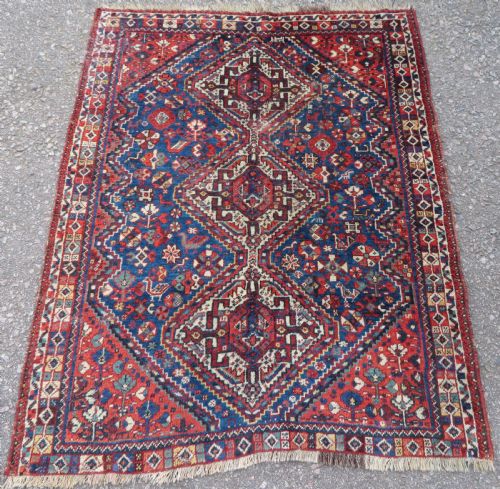
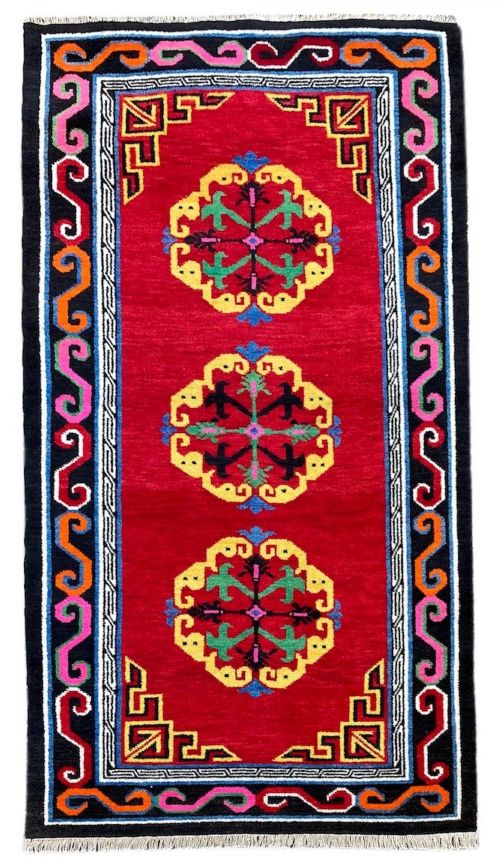
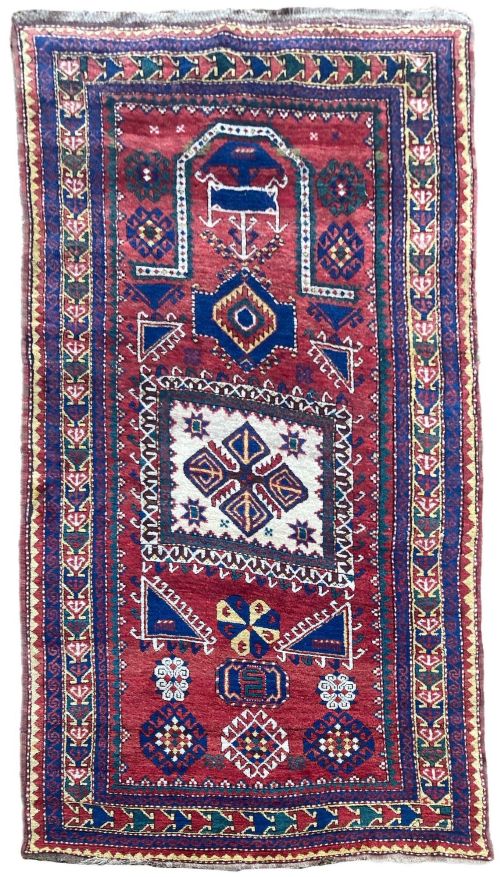
These heavy textiles are a red woven carpet, bringing rich colour and deep tribal character into a room through centuries-old knotting traditions.
Red Woven Carpet
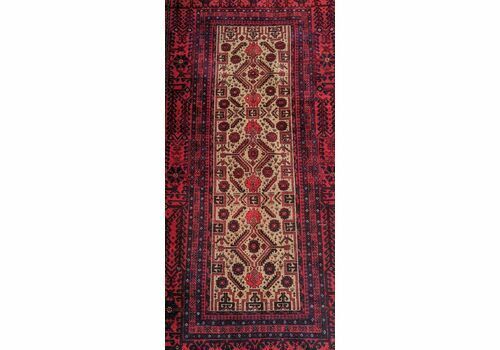
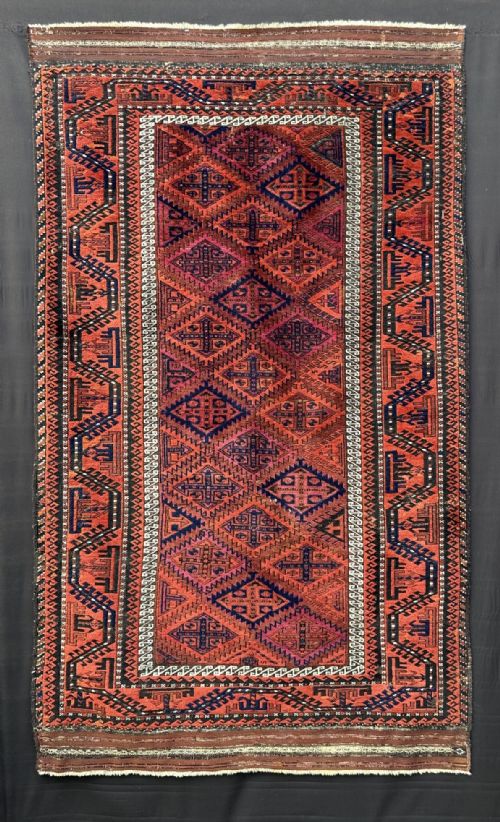
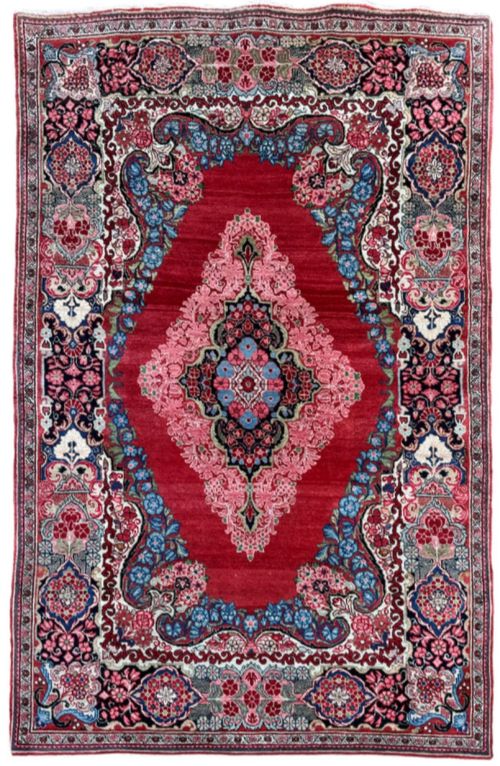
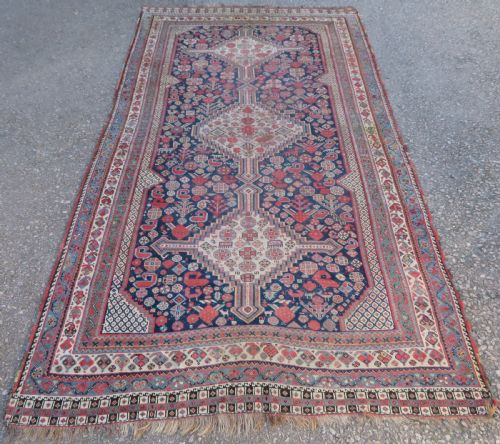
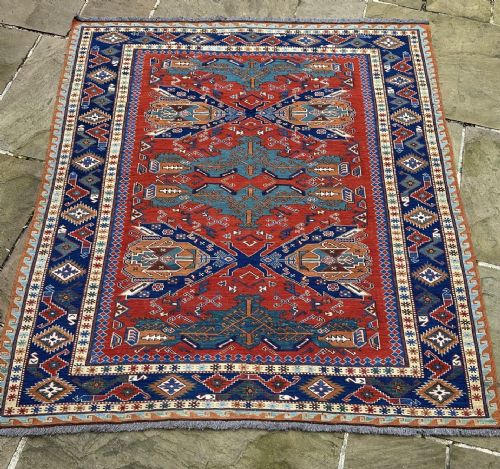
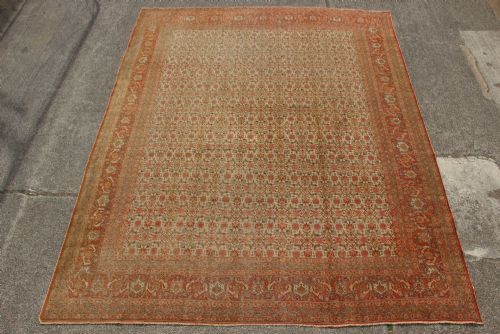
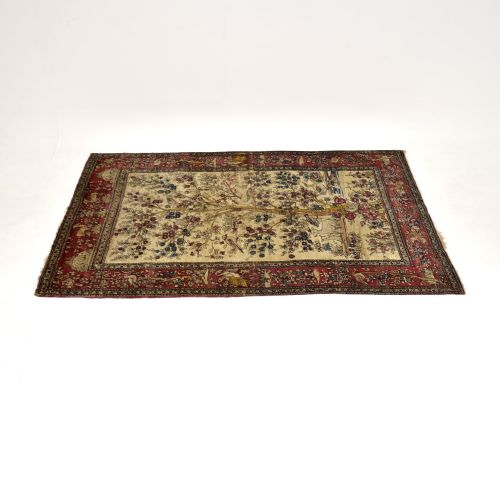
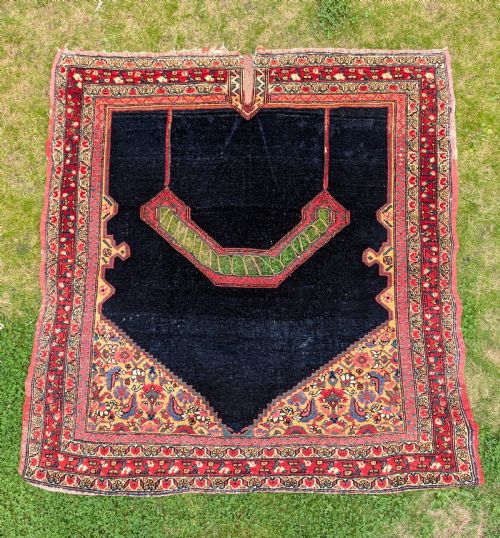
A red woven carpet brings together pieces originating from Persian, Caucasian, Turkmen, and Anatolian tribal weavers, spanning from the mid-nineteenth century through the early twentieth century. You will frequently encounter formats ranging from large area carpets down to smaller village rugs, runners, prayer rugs, and saddle covers.
The regional variety shown in the listings demonstrates distinct stylistic lineages, such as geometric Kazak patterns, curved floral Persian motifs, and repeating Ersari medallions. These floor coverings served functional purposes in nomadic and village settings before finding their way into domestic interiors.
How they were made
Makers relied primarily on wool, cotton, and occasionally silk for highlights, with hand-spun wool providing the durable pile found in traditional village and tribal pieces. The foundation typically consists of cotton or wool warps and wefts, tightly knotted by hand to withstand heavy daily use.
Natural dye traditions ensured that the characteristic red backgrounds and rust tones were achieved using local plant and insect sources, resulting in subtle variations of shade across a single field. Flatweave techniques also appear in specific kilim formats, where the pattern is woven directly into the structure without a raised pile.
The listings span the nineteenth century through the 1930s, featuring wool, cotton, and silk materials.
What varies in quality
The fineness of the knot density and the precision of the geometric or floral layout dictate the visual clarity of the design. Greater intricacy in the border bands and medallion work generally points to a more accomplished weaver or workshop.
The consistency of the wool and the stability of the structural foundation determine the longevity of the piece under foot traffic. A well-balanced saturation of the red hues and harmonious secondary colours elevate the overall visual impact of the textile.
The Red Woven Carpet Glossary
- Warp
- The vertical threads stretched lengthwise on the loom before knotting begins. These form the structural skeleton of the textile and often show in the fringed ends.
- Weft
- The horizontal threads passed back and forth between the warp threads to bind the knots in place. Proper tension here keeps the carpet straight and firm.
- Pile
- The dense, upright surface of cut yarn that forms the visible and tactile body of the rug. It absorbs wear and showcases the dyed patterns.
- Medallion
- A large central decorative motif set in the middle of the carpet field. It serves as the primary focal point for many Persian and tribal designs.
- Kilim
- A flat-woven carpet or rug produced without a pile. These pieces rely on tightly packed horizontal wefts covering the vertical warps to form sharp geometric patterns.
Red Woven Carpet: Frequently Asked Questions
How do I clean an old carpet?
Surface dust should be removed gently using a suction-only vacuum without a rotating brush bar, taking care to avoid the delicate fringed ends.
Professional specialist cleaning is recommended for deep washing to protect the natural wool fibres and traditional dyes.
Where were these textiles made?
The pieces originate across regions including Persia, the Caucasus, Turkmenistan, and Anatolia, reflecting distinct village and tribal weaving traditions.
Nomadic groups and settled village workshops each developed specific design vocabularies tied to their geographic locations.
Can I place furniture on it?
These durable floor coverings were made for daily use and can support standard room furniture when placed evenly.
Using a quality underlay helps distribute weight, prevents slipping, and reduces friction between the wool pile and the floor.
How do I identify regional styles?
Design elements such as bold geometric polygons point towards Caucasian and Turkmen origins, while curved floral layouts often indicate Persian workshops.
Examining the border structures, colour palettes, and knotting styles helps narrow down the specific provenance.