

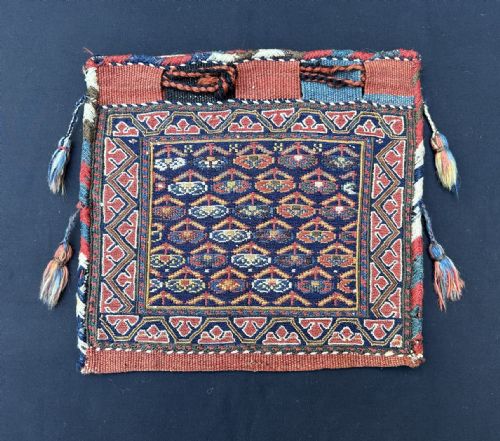
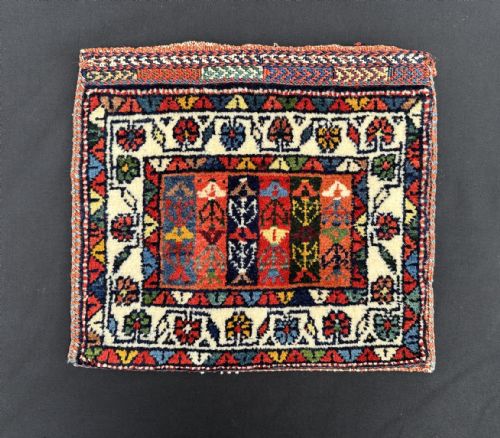
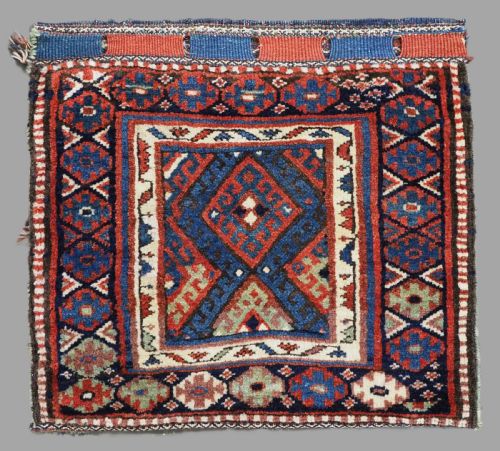

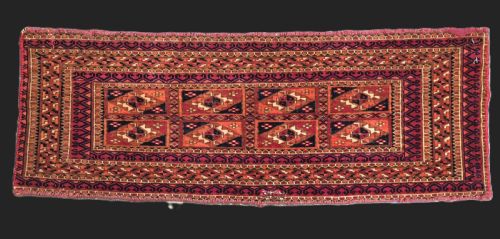
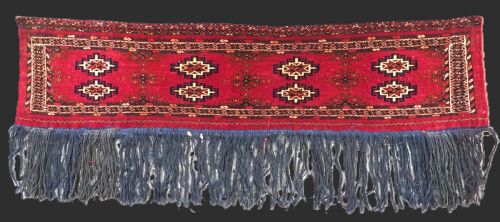
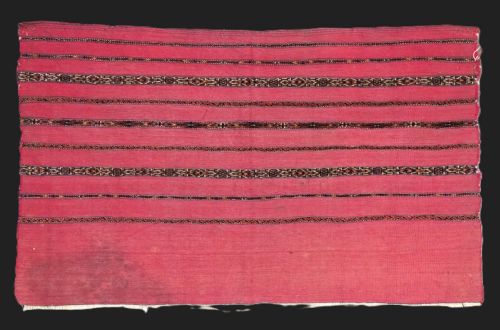
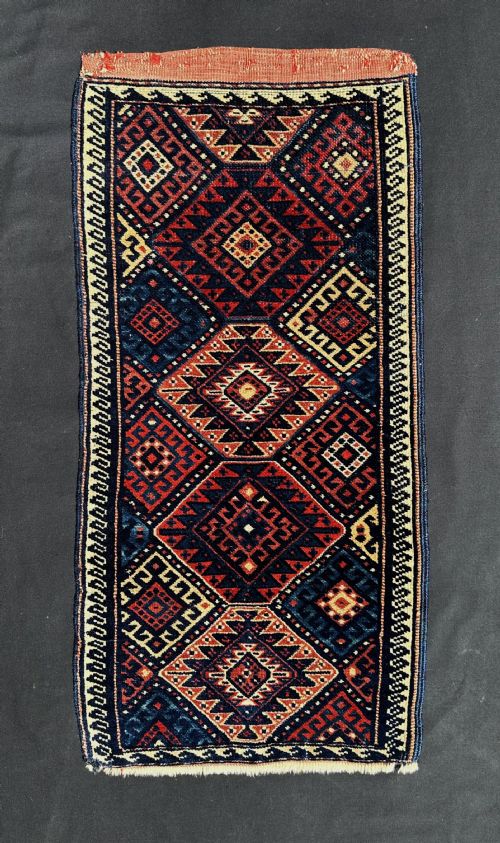


Red Woven Bag Face
When seeking a red woven bag face, collectors encounter tribal textile fragments originating from nomadic and village weaving traditions.
Red Woven Bag Face
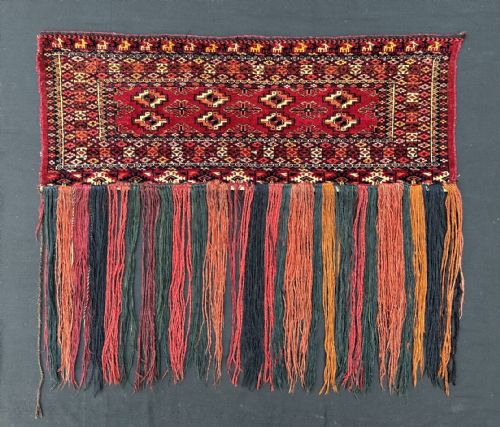
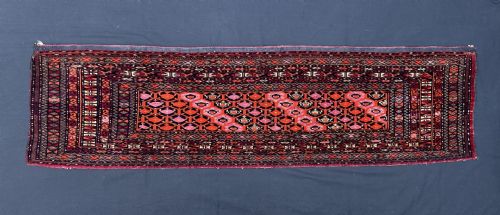
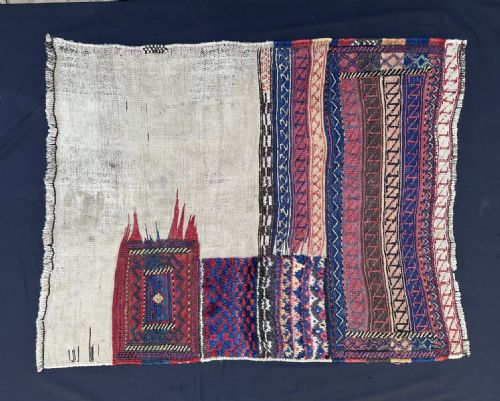
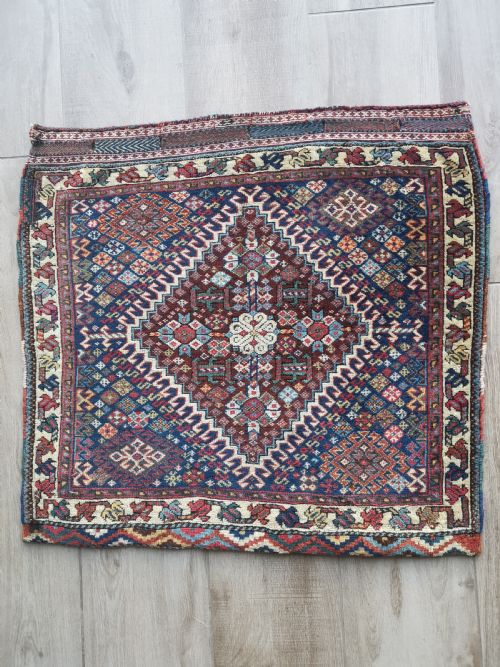
A red woven bag face represents the decorative front panel of a utility storage sack produced by nomadic groups across Central Asia and Persia. These panels were originally part of larger horse-bag assemblies, tent storage sacks, or bedding containers utilised daily in tribal encampments. Examples span from the eighteenth century into the early twentieth century, showing deep crimson and madder red grounds worked by weavers such as the Tekke, Saryk, Yomut, and Ersari tribes.
Most specimens on this page emerge as torba or chuval faces originating from Turkmen weavers in the Trans-Caspian steppes and Merv oasis. Buyers also encounter Persian tribal pieces from Lori-Bakhtiari, Qashqai, Afshar, and Kurdish groups working in western and southern regions. These items function independently today as decorative wall panels or table mats once detached from their original woven backs.
Materials and Construction
Makers utilised hand-spun wool for the foundational warps, wefts, and pile, often combined with natural dyes derived from madder roots to produce varied shades of red. Silk highlights appear occasionally on specific Ersari and Turkmen torbas to emphasise primary motifs and border structures.
Weavers employed tight knotting techniques alongside flatweave tapestry structures to create durable surfaces capable of withstanding nomadic movement and storage demands. The resulting textile structure ensures the structural integrity of the pile against the foundational weave.
Listings feature wool, natural dyes, and occasional silk highlights across Turkmen and Persian tribal textile forms.
Assessing Quality
The density of the knotting and the handling of the wool determine the refinement of a textile surface, with finer weaves showing greater precision in tribal gul motifs. Secondary wool quality and variations in natural dye saturation distinguish standard utility weaving from exceptional tribal examples.
The clarity of traditional design elements, such as the curled leaf, kedjebe, or primary guls, dictates visual success. Preservation of original side cords and upper finishes also contributes to the desirability of a textile panel.
The Red Woven Bag Face Glossary
- Chuval
- A large Turkmen tent storage bag used for bedding and clothing. These rectangular sacks display repeated primary guls across the red face.
- Gul
- A primary medallion or repeating octagonal motif used in Turkmen and Central Asian tribal rug weaving. Each pattern identifies the specific tribe or clan that produced the textile.
- Khorjin
- A pair of saddlebags designed to be slung over a pack animal for transport. Surviving fragments often consist of a single separated face.
- Mafrash
- A rectangular storage bale or box-shaped container used by nomads for household goods. The panels were assembled into chests before being separated over time.
Red Woven Bag Face: Frequently Asked Questions
What is a bag face?
A bag face is the decorative front panel of a nomadic storage sack that has been separated from its original backing. These textiles were preserved for their intricate patterns and rich wool pile.
Historically, they formed the visible side of horse bags, grain sacks, or bedding containers used within tribal tents and yurt settlements.
How were these bags used?
Nomadic groups utilised these woven containers for storing personal possessions, clothing, blankets, and household provisions inside portable dwellings. Their sturdy construction protected contents from dust and dampness during seasonal migrations.
Over decades of use, damaged backs were removed, leaving the decorative face intact as a prized textile fragment.
How do I care for a textile?
Display these panels away from direct sunlight to protect the natural red dye grounds from fading over time. Gentle vacuuming through a mesh screen helps remove dust without disturbing the wool pile.
Professional textile conservators should handle any cleaning or mounting requirements for fragile eighteenth and nineteenth-century pieces.
How are tribal groups identified?
Tribal attribution relies on specific structural characteristics, colour palettes, and repeating geometric motifs such as guls. Turkmen clans like the Tekke, Saryk, and Yomut employed distinct drawing styles and knotting densities.
Comparing border designs and secondary ornamentation helps link individual pieces to specific regions in Central Asia and Persia.