
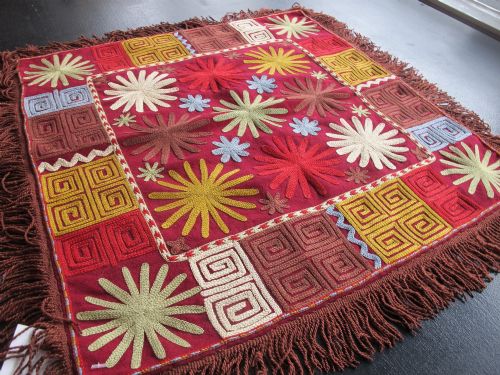
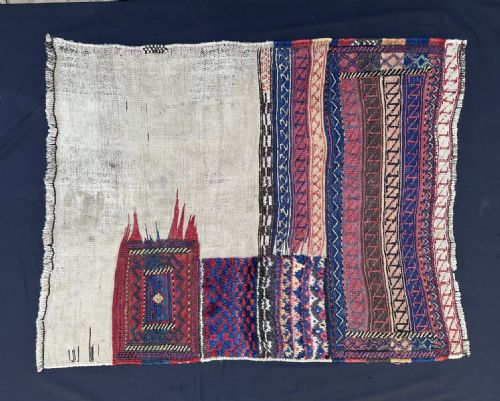
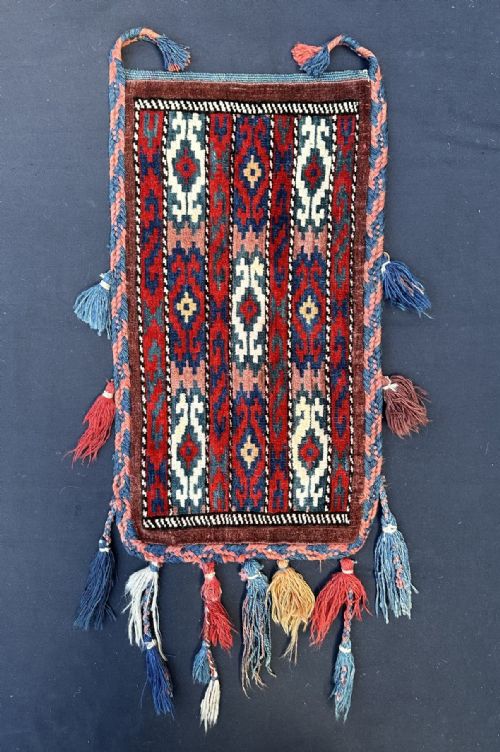
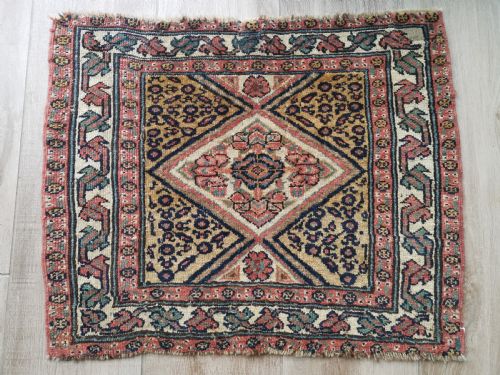
Red Wool Wall Hanging
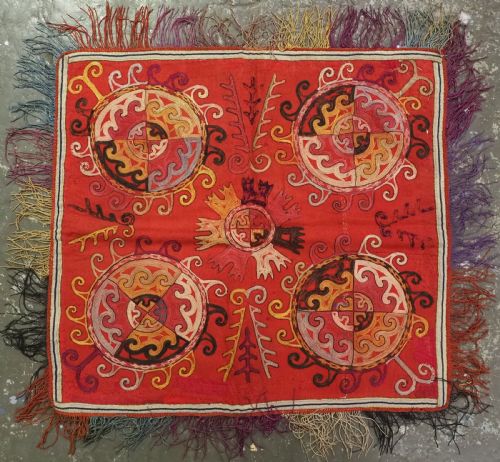
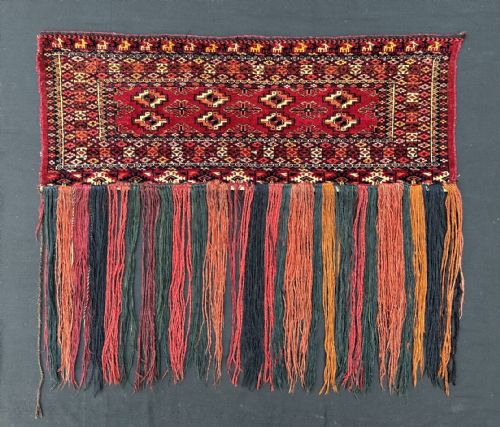
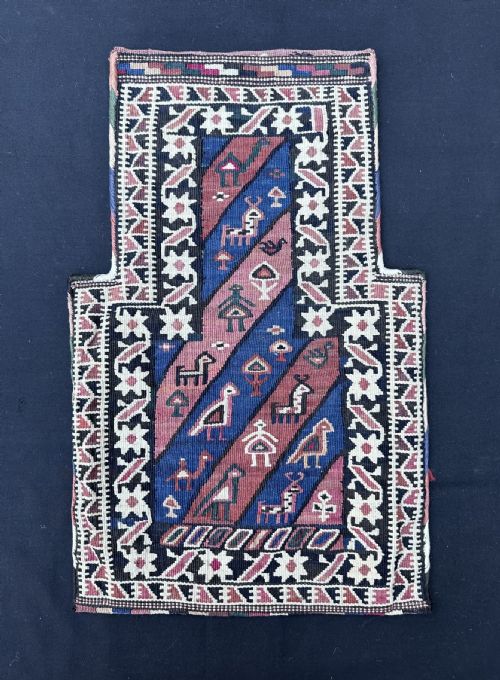
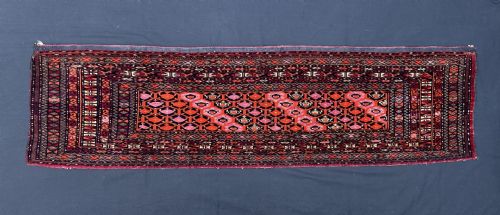
These red wool wall hanging examples offer rich tribal and folk art textures that instantly warm any room.
What They Are
A red wool wall hanging brings tactile warmth and cultural history into a room through historic textiles originating from Central Asian tribal and European traditions.
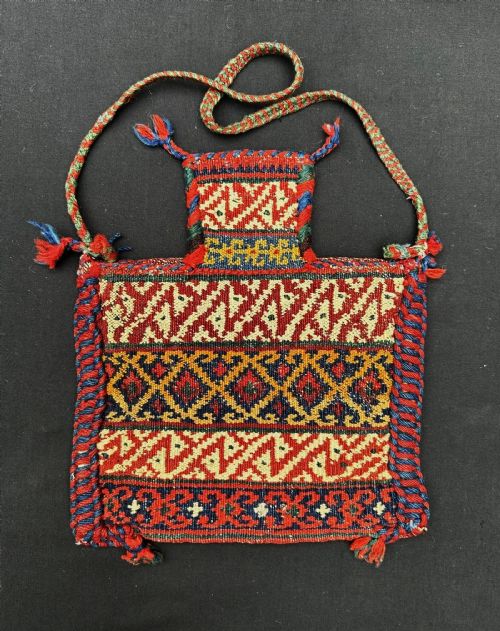
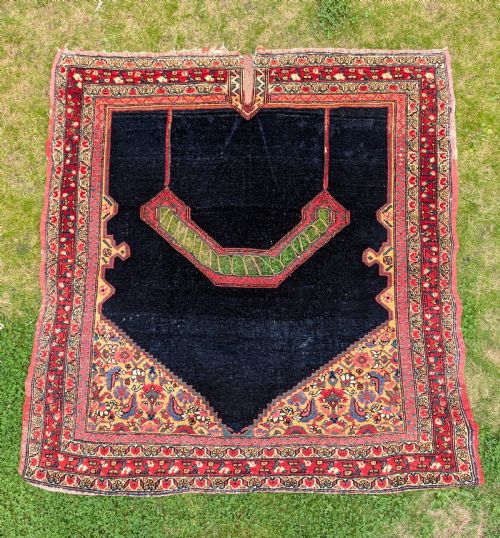
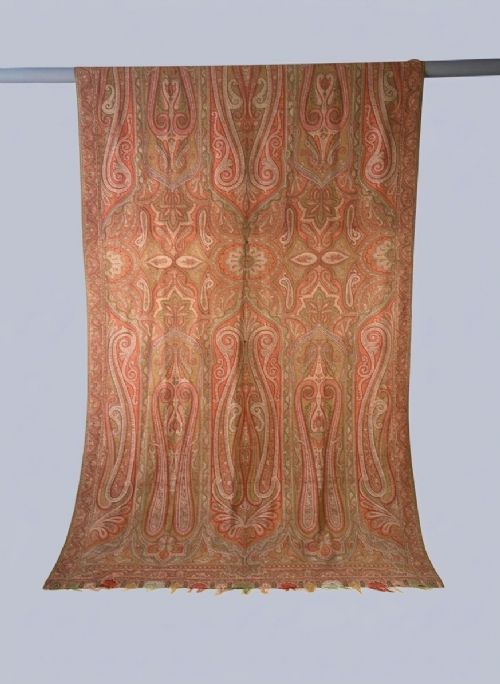
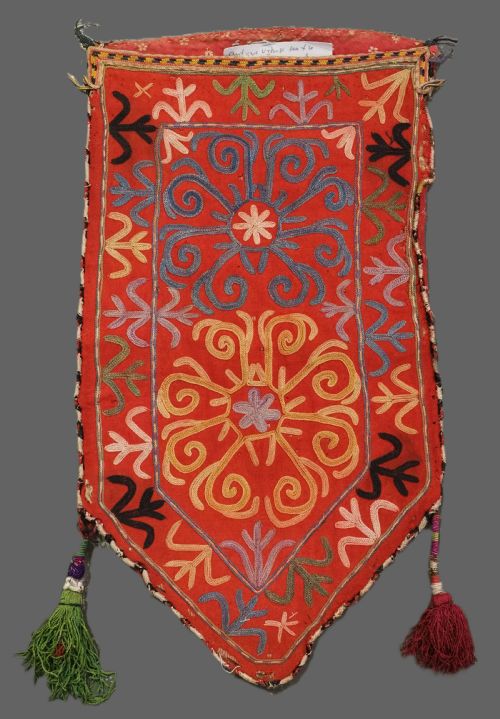
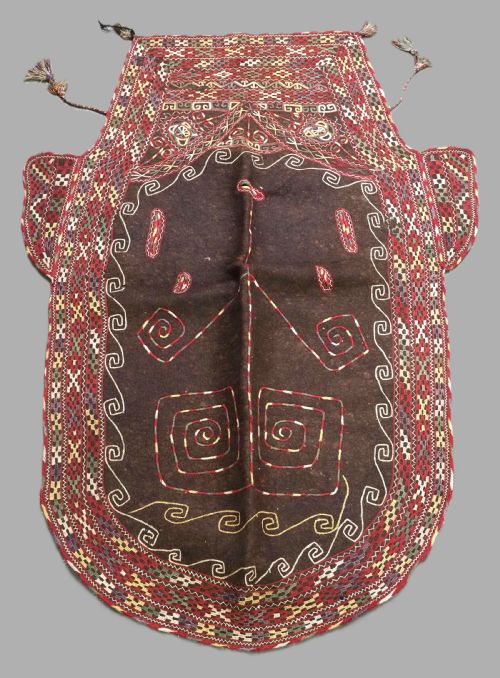
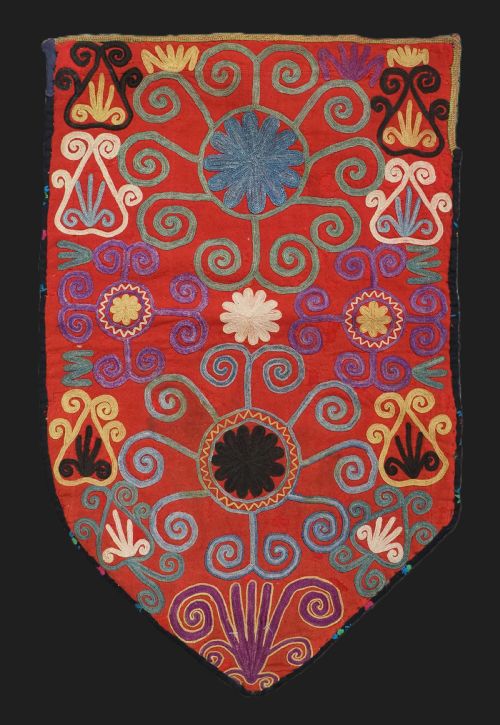
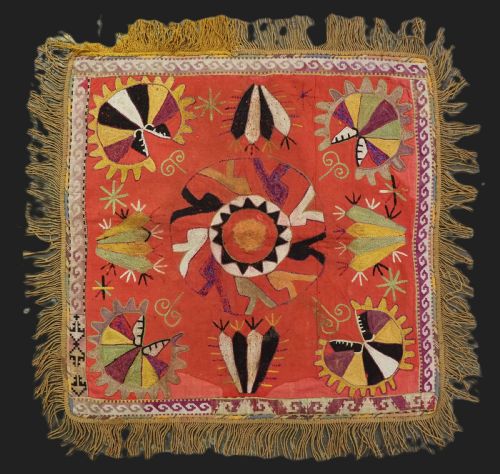
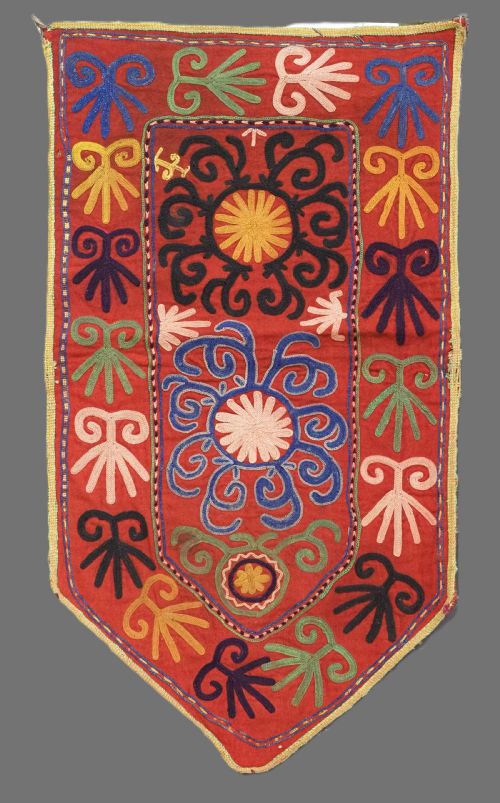
Buyers searching for a red wool wall hanging encounter pieces ranging from Central Asian nomad dowry embroideries to European revival tapestry panels dated between eighteen seventy and nineteen twenty.
How They Were Made
These works rely on wool foundations, often enriched with supplementary embroidery worked in silk, cotton, and metallic thread.
Nomadic makers and European ateliers utilised traditional hand-weaving and stitchery techniques to create durable tapestries and hangings designed for functional and decorative use.
Retail Price Guide 2026
Typical UK retail prices for red wool wall hanging, calculated from the Sellingantiques database of over a million retail prices indexed since 2003. This retail price guide relies exclusively on Sellingantiques data; no external sources or auction records are used, so the figures do not describe the wider market.
Some dowry pieces were stitched by nomadic brides hoping to secure domestic happiness through diligent needlework.
What Varies in Quality
Distinctions in quality emerge through the fineness of the needlework and the complexity of tribal motifs such as the aina gul design.
The integrity of the wool ground and the preservation of silk and metallic thread details determine the visual impact and historical authenticity of each panel.
The Red Wool Wall Hanging Glossary
- Ilgich
- A Central Asian hanging embroidery, traditionally created as part of a bride's dowry. These pieces display vibrant needlework on wool or cotton grounds.
- Torba
- A small Turkmen tent bag face, historically used for storage within a yurt. They feature characteristic tribal guls and geometric ornamentation.
- Suzani
- A large embroidered textile from Central Asia, stitched by hand with silk thread on a foundation fabric. They serve as striking wall decorations.
- Tapestry Panel
- A woven pictorial or decorative textile panel, often incorporating metal threads alongside wool. European examples frequently draw on historical revival styles.
Frequently Asked Questions
How do I hang a textile safely?
Mount textiles using a sleeved support or conservation-grade velcro attached to a rigid backing board. This distributes weight evenly across the wool ground.
Avoid hanging pieces in direct sunlight to prevent the red dye and silk threads from fading over time.
Are these pieces purely decorative?
Many items began as functional objects, including dowry embroideries, tent bags, and saddle-bags used by nomadic communities. They gained decorative status as collectors preserved them.
Today they function primarily as wall art, bringing historical narrative and texture into contemporary interiors.
How are tribal pieces dated?
Dating relies on stylistic analysis, material examination, and structural characteristics typical of specific nomadic groups. Comparisons with documented examples help establish a period.
Natural dye palettes and traditional motifs further indicate the approximate age of nineteenth and early twentieth century works.