



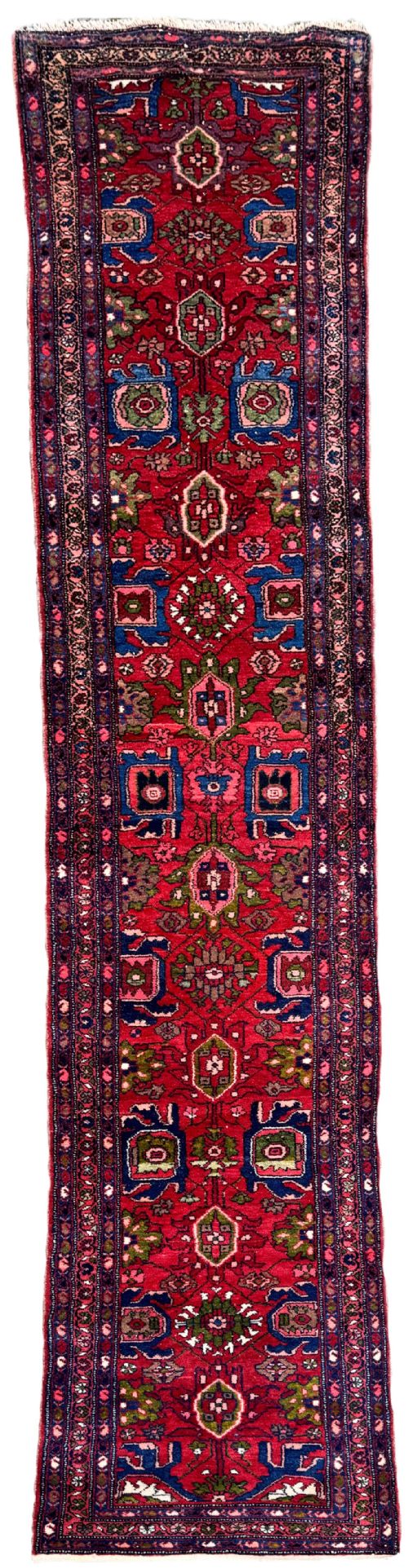
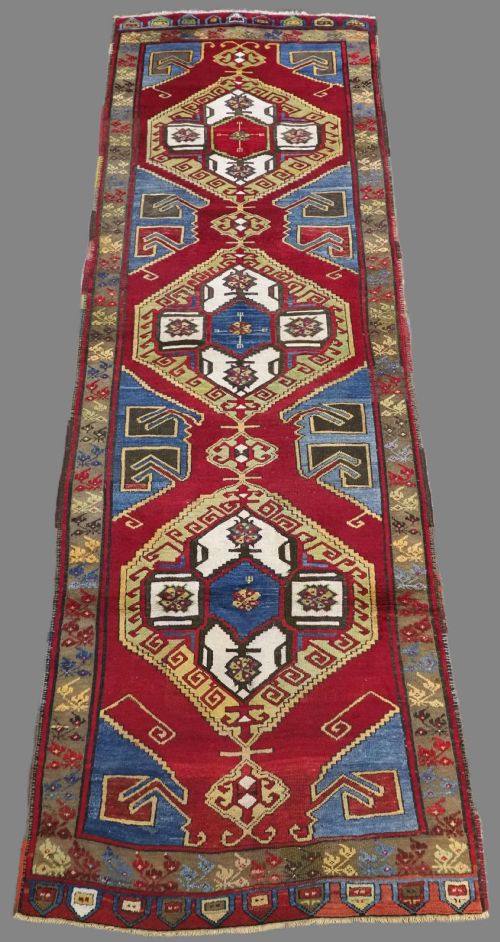
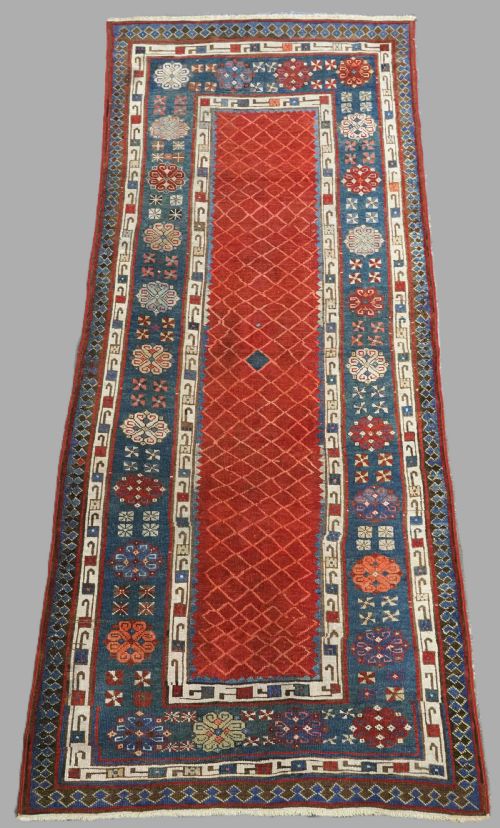
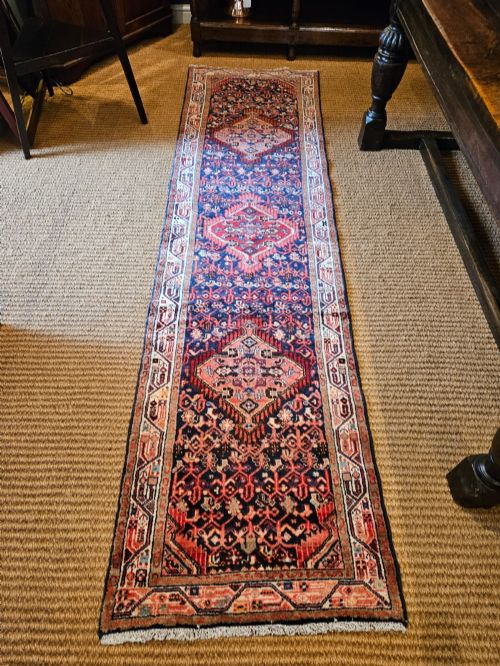
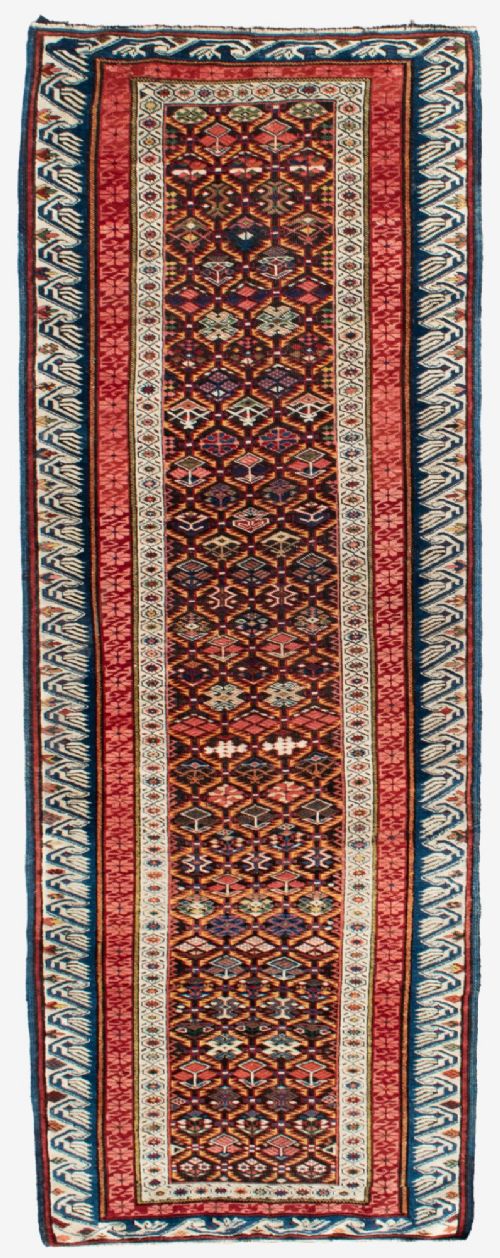
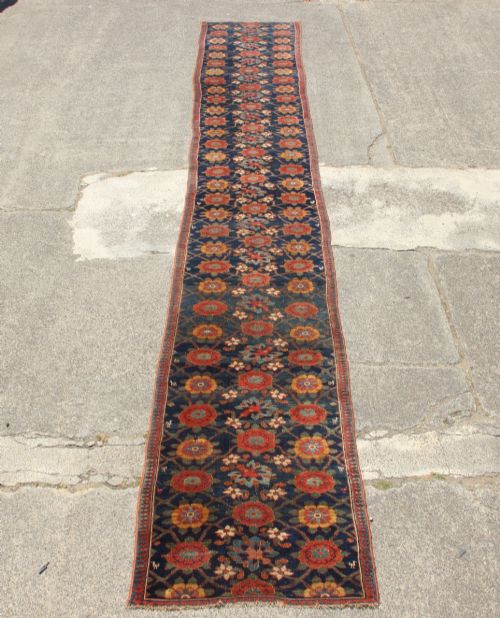
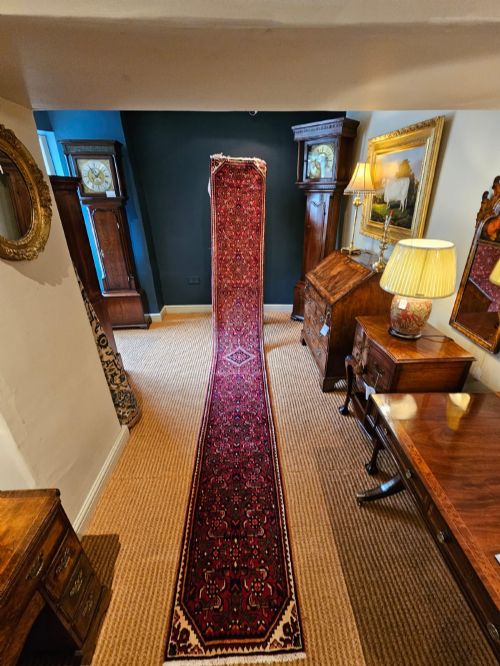
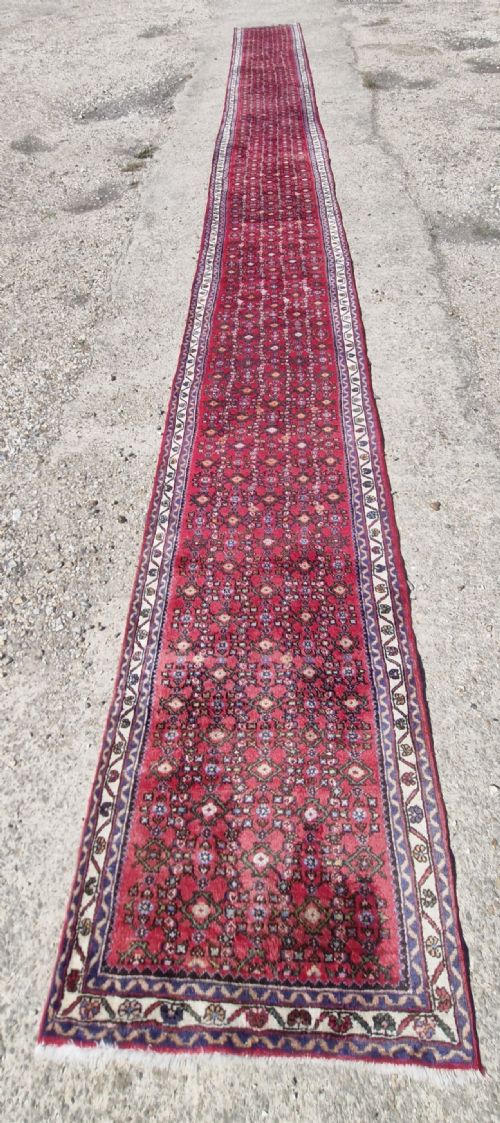

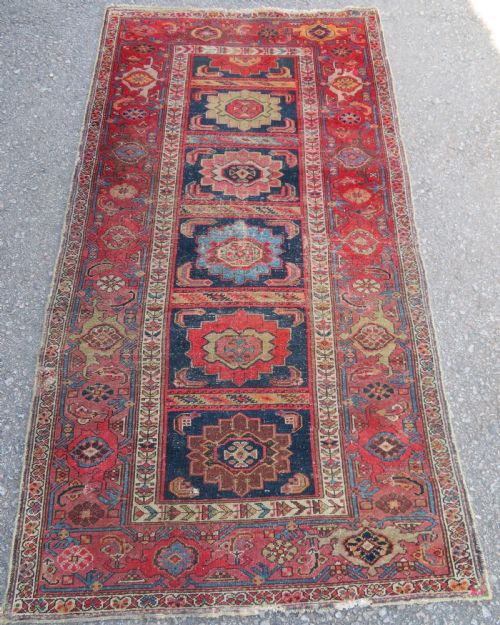
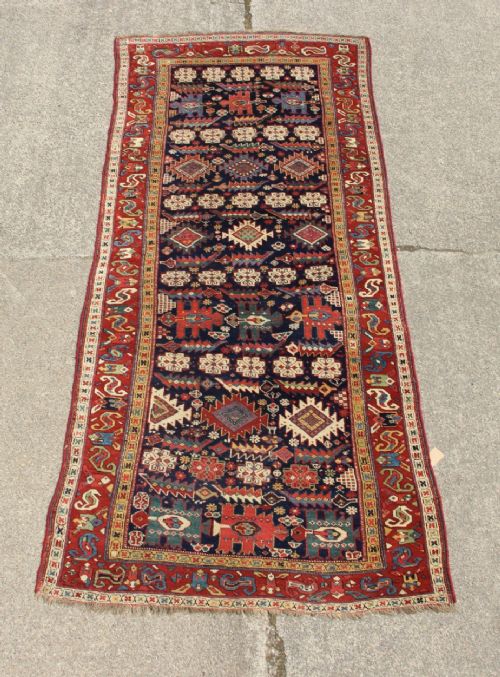

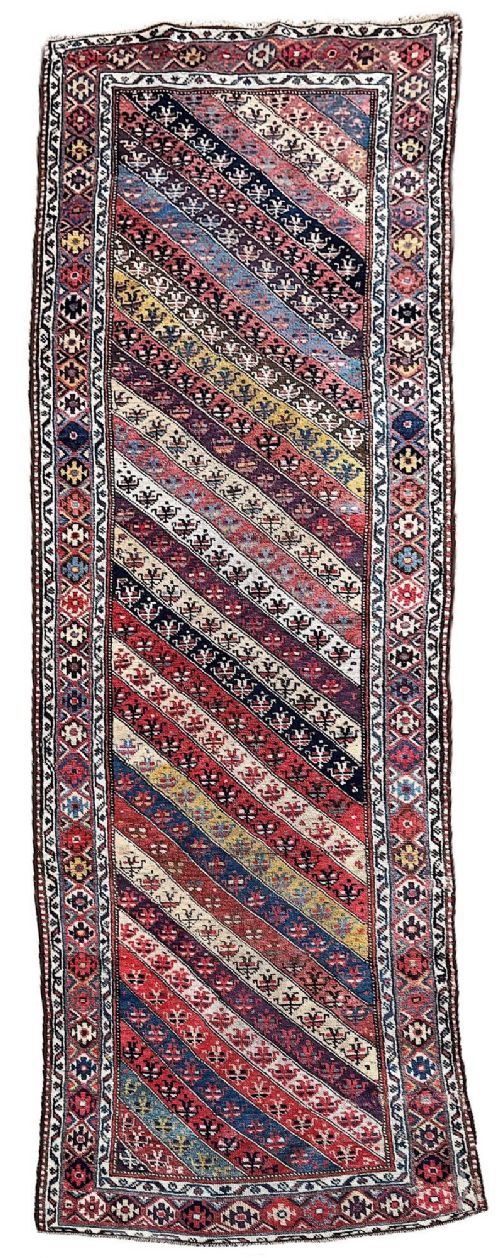
Red Wool Long Rug
These red wool long rug pieces span tribal and regional traditions, offering enduring warmth and linear symmetry for corridors and expansive spaces.
Red Wool Long Rug
A red wool long rug serves as a narrow floor covering designed specifically for corridors, hallways, and large rooms. Buyers seeking a red wool long rug typically encounter antique Persian, Caucasian, and Turkish runners dating from the mid-nineteenth century up to the early twentieth century.
The format of these textiles encompasses regional styles such as Heriz, Hamadan, Kurdish, and Shirvan long rugs. Such pieces balance length with narrow proportions, accommodating extended architectural spaces while displaying traditional geometric or medallion patterns.
How They Were Made
These textiles rely on wool and hand-spun wool for their pile, foundation, and structural integrity. Artisans knotted the pile yarns onto cotton or wool warps andwefts, employing traditional handwoven techniques passed down through generations in tribal and village workshops.
The construction methods utilise dense knotting to ensure durability along high-traffic hallways and living areas. Natural dyes provided the characteristic red tones seen across Persian tribal, Anatolian, and Caucasian examples.
Listings feature pieces spanning from 1850 through the 1960s, constructed from wool, cotton, and hand-spun wool.
What Varies in Quality
The fineness of the weave and the complexity of the design distinguish superior examples from standard village production. Tighter knot counts allow for sharper, more intricate execution of geometric lattices and tribal motifs.
The depth and variation of the red wool pile contribute significantly to the visual character of each runner. Superior pieces maintain structural integrity across extended lengths, while lesser examples show marked irregularities in width and symmetry.
The Red Wool Long Rug Glossary
- Runner
- A long, narrow carpet format traditionally utilised for hallways, corridors, and staircases. It measures significantly longer than it is wide.
- Kelleh
- A large format rug that is longer than a standard carpet but wider than a traditional runner. It often shares stylistic motifs with smaller weaving traditions.
- Gul
- An octagonal medallion motif frequently found in Turkmen and Persian tribal rugs. It serves as a primary structural element in the field design.
- Warp
- The stationary vertical strings stretched on a loom upon which the knots are tied. They form the structural skeleton of the rug.
- Weft
- The horizontal threads passed back and forth between the warp threads to bind the rows of knots. They secure the structure of the woven textile.
Red Wool Long Rug: Frequently Asked Questions
Where do I place a long runner?
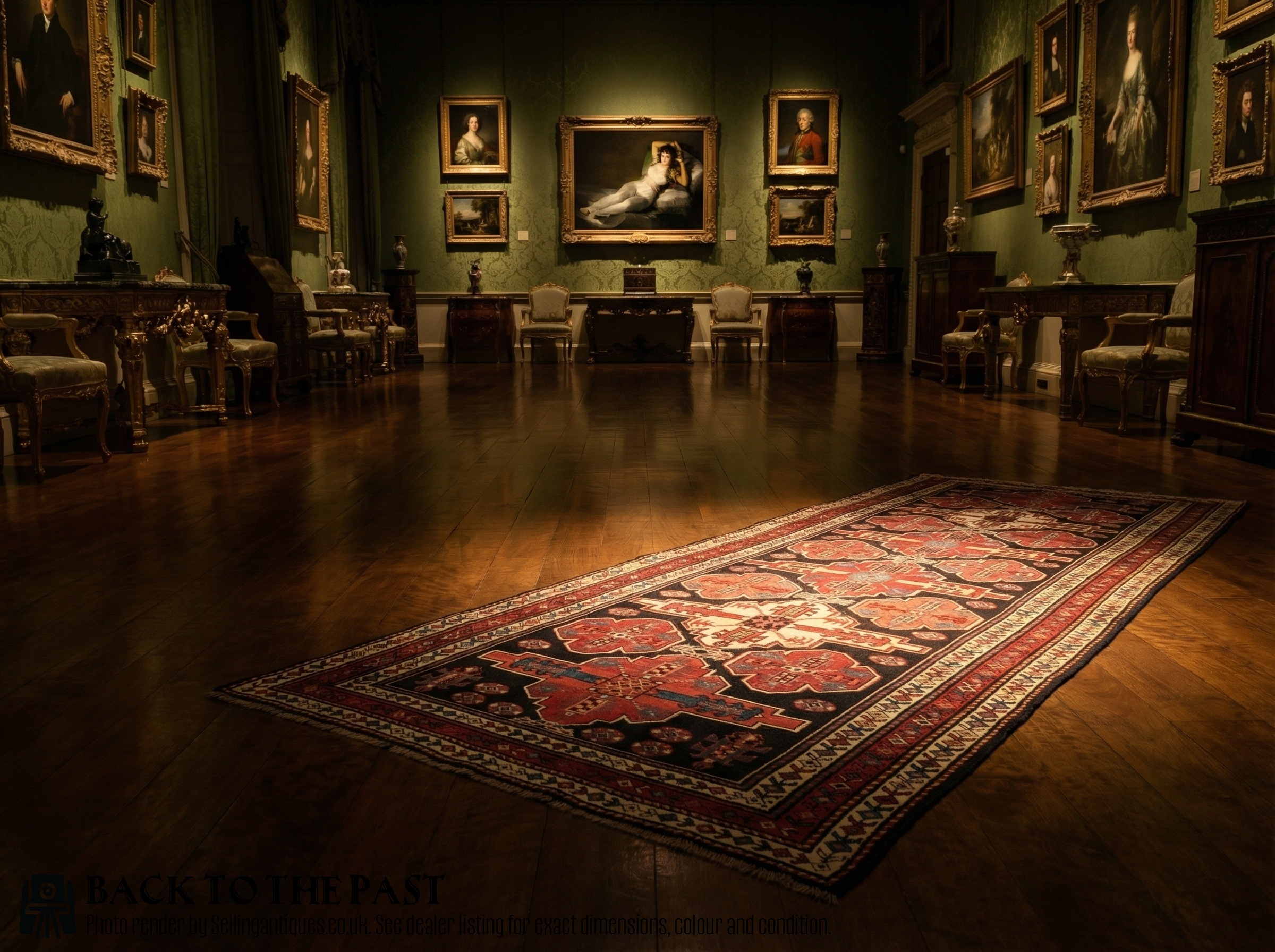
These pieces suit narrow architectural spaces such as hallways, landings, and extended corridors where linear floor coverings work best. Their proportions complement long wooden floorboards and transitional spaces.
Positioning a long rug in a hallway protects high-traffic zones while introducing traditional pattern and texture to otherwise plain thoroughfares.
How do I care for wool rugs?
Regular gentle vacuuming without a rotating brush roll prevents dust accumulation within the wool pile. Professional cleaning maintains the integrity of the natural fibres.
Avoiding direct prolonged sunlight helps preserve the depth of the red dyes over decades of domestic use.
What defines an antique runner?
Textiles produced in the nineteenth or early twentieth century generally fall into the antique category. These pieces exhibit traditional hand-spinning and natural dyeing methods.
Regional characteristics such as Kurdish or Caucasian designs help distinguish the specific origin of older woven pieces.
Why choose hand-spun wool?
Hand-spun wool displays subtle variations in thickness and dye absorption that machine-spun yarns lack. This irregularity creates a rich surface texture and tonal depth.
The lanolin retained within traditionally prepared wool contributes to the natural resilience and softness of the pile.