




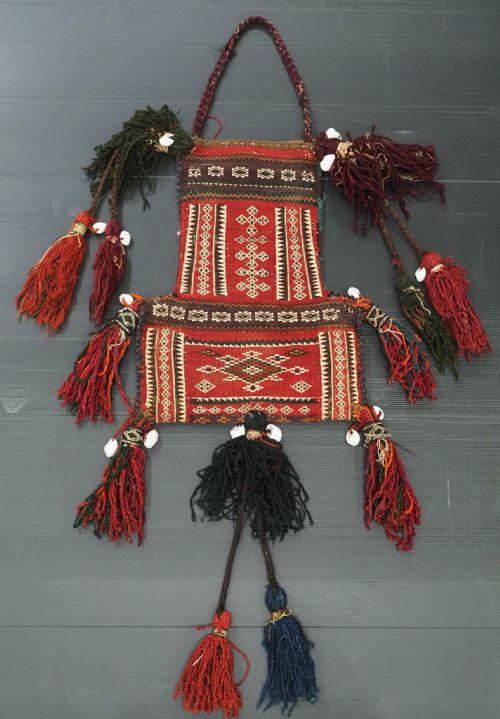
Red Wool Kilim Bag
A red wool kilim bag brings nomadic weave and practical flatweave construction into a room through vibrant tribal textiles.
Red Wool Kilim Bag
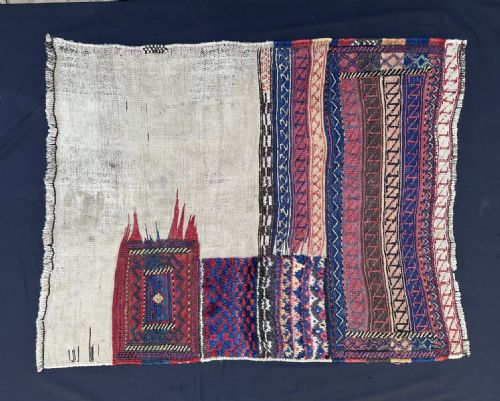
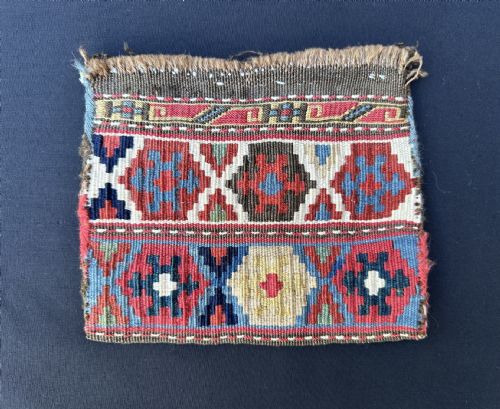
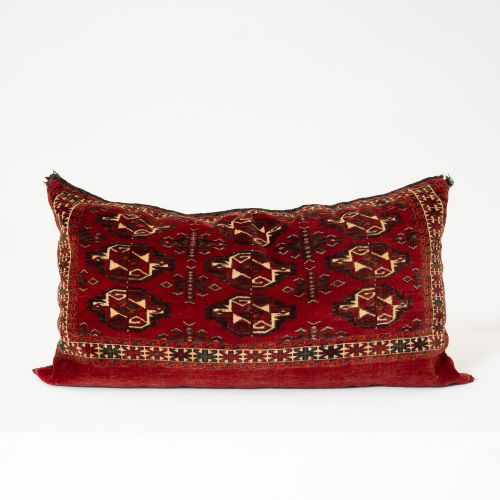
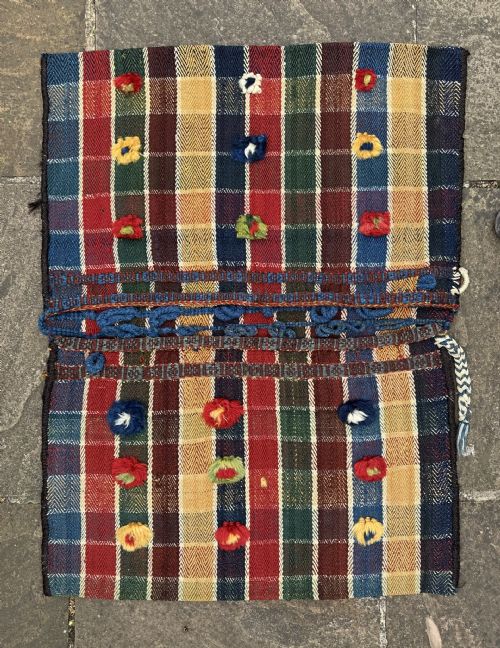
The pieces seen on this page include complete storage bags, mafrash panels, torbas, chuvals, and bag faces adapted into cushions. They date from the mid-nineteenth century through the early twentieth century, spanning periods from eighteen-sixty to nineteen-twenty.
Tribal flatweaves demonstrate the utilitarian artistry of nomadic life, where bags were woven for camp storage and transport on animals. The enduring appeal lies in the geometric patterns, flatweave structure, and robust construction intended for daily nomadic existence.
Assessing Quality and Character
Quality rests in the tightness of the flatweave, the complexity of the tribal design, and the vibrancy of the natural dyes. Superior examples exhibit precise geometric rhythm and fine knotting or weaving density.
Preservation of complete structures, original backs, and accompanying elements like leather trim or tassels elevate a piece. The depth of the wool spinning and the retention of rich madder red hues distinguish finer tribal work from standard utility pieces.
Object forms represented here range from complete storage bags and saddle bags to individual face cushions, salt bags, and flatweave panels.
Shahsavan Nomads·Yomut Turkmen·Qashqa'i Nomads·Lori-Bakhtiari Nomads·Zaggar Mengal Baluch
The Red Wool Kilim Bag Glossary
- Kilim
- A flatwoven textile produced by tightly interweaving warp and weft strands without creating a pile. This technique results in a smooth, reversible fabric utilised for rugs and storage containers.
- Mafrash
- A large rectangular storage bag or hamper used by nomadic groups for bedding and household goods. These pieces are often dismantled into individual panels for display or cushion conversion.
- Chuval
- A large Turkmen tent storage bag intended for storing wool, clothing, or blankets inside a yurt. They display distinctive guls and tribal motifs across the face.
- Torba
- A smaller storage bag than a chuval, traditionally hung on the lattice walls of a nomadic tent. They often feature banded flatweave designs and detailed borders.
- Namakdan
- A specialised salt bag woven with a narrow neck and expanded base to hold rock salt for livestock. These pieces display compact tribal designs and dense flatweave construction.
Red Wool Kilim Bag: Frequently Asked Questions
How were these bags used originally?
Nomadic communities utilised these woven containers inside tents or packed them across animals for seasonal migrations. They stored bedding, clothing, salt, and domestic goods.
Complete storage bags, known as mafrash or chuval, served essential daily functions within tribal camps before surviving as decorative antiques.
How do I live with a tribal bag face?
Tribal bag faces and converted cushions add texture and rich colour to modern interiors when placed on seating or displayed on walls.
Their robust wool construction and flatweave structure withstand gentle everyday use while introducing authentic nomadic artistry into a room.
How do I tell different tribal designs apart?
Different tribal groups employed distinct geometric motifs, colour palettes, and weaving structures characteristic of their specific regions. Turkmen pieces frequently feature guls, while Caucasian and Persian flatweaves display bold angular medallions and banded stripes.
Examining the weave density, wool quality, and edge finishes helps identify the geographic origin and period of each textile.