

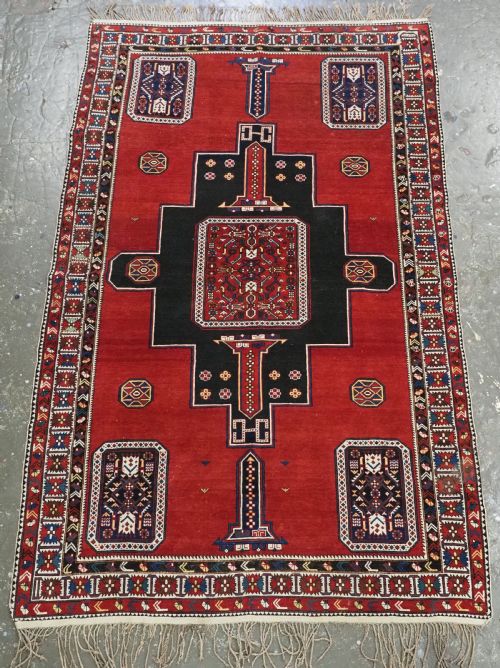
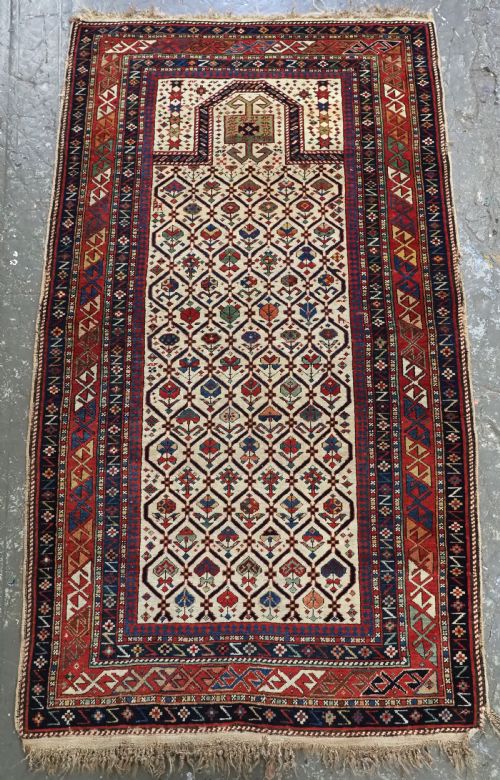
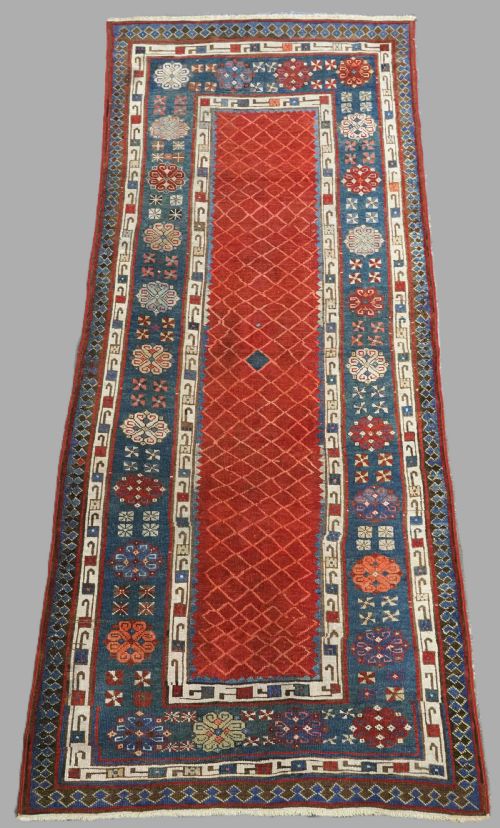
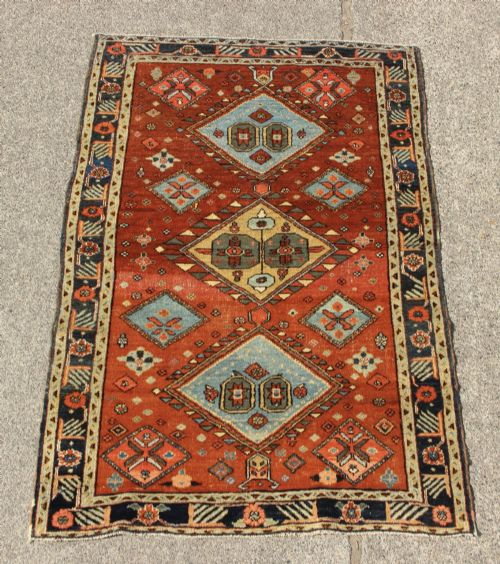
Red Wool Caucasian Rug
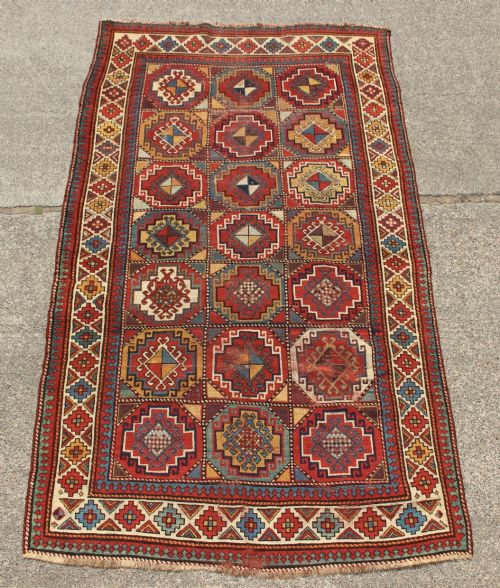
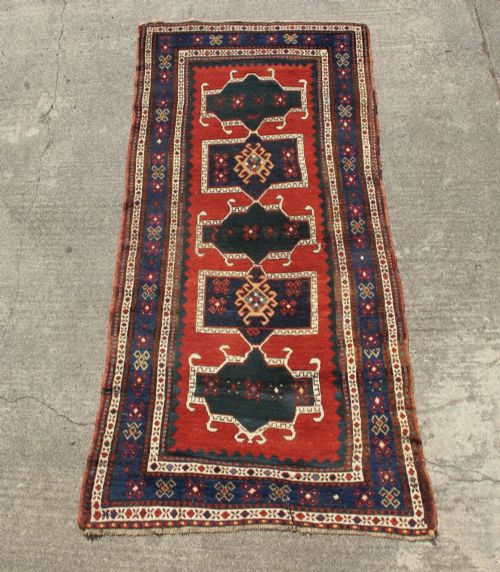
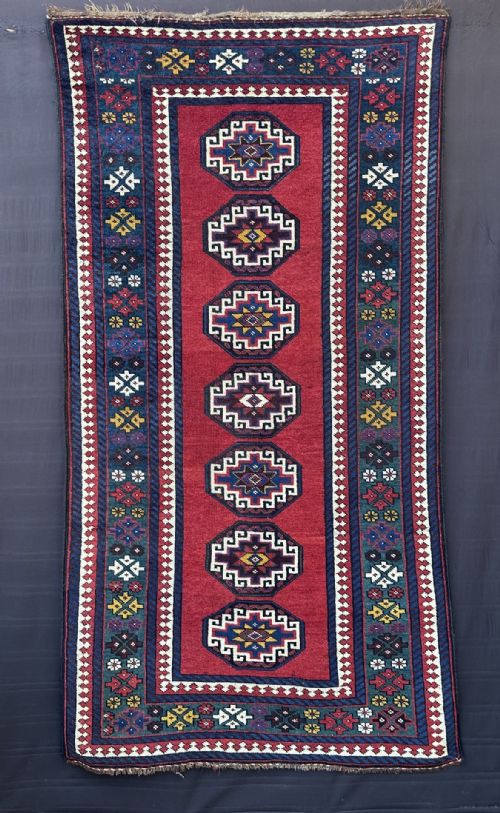
These red wool caucasian rug examples bring bold tribal geometry and saturated madder grounds into a room.
Red Wool Caucasian Rug
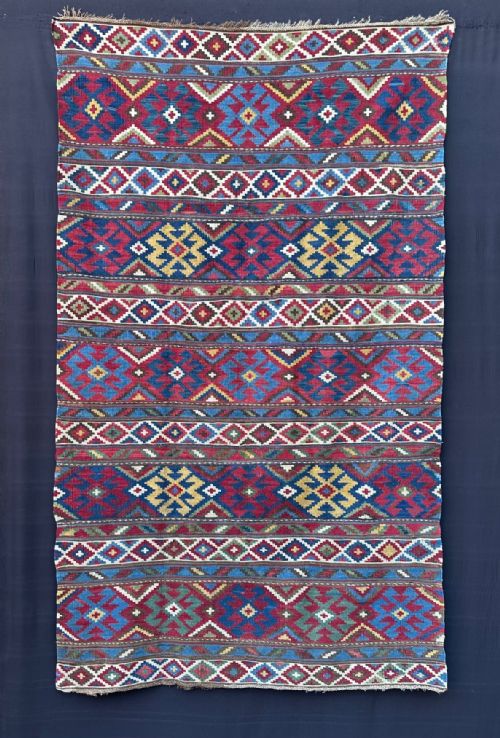
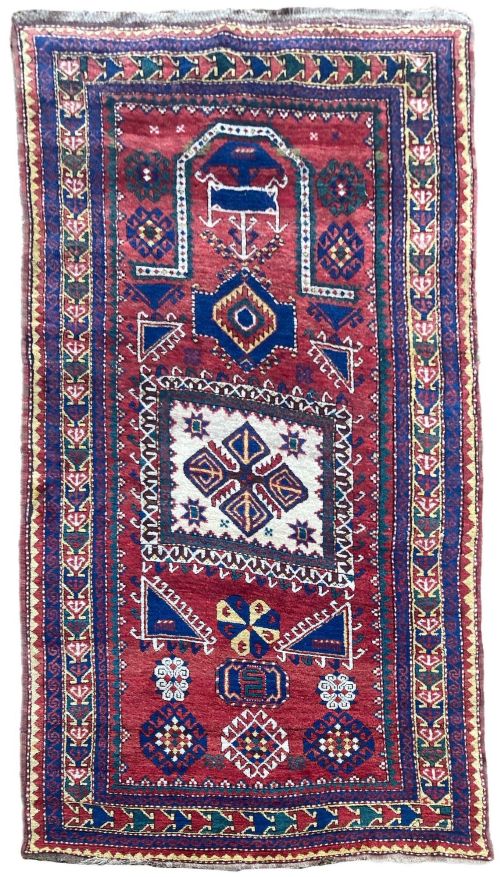
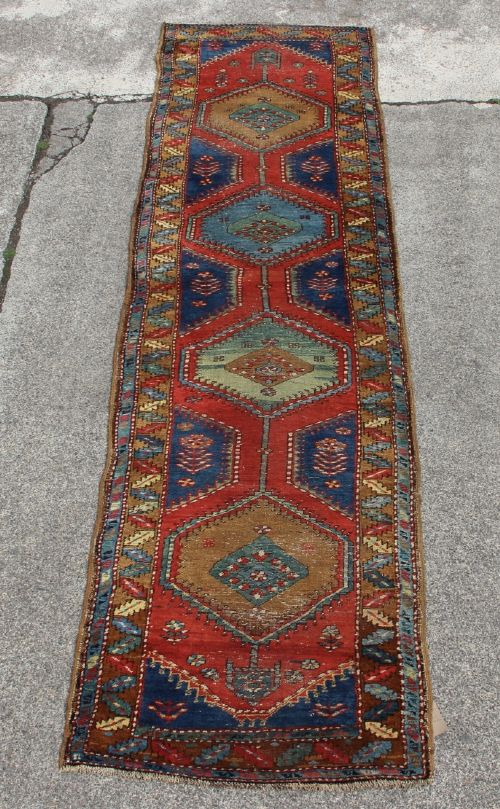
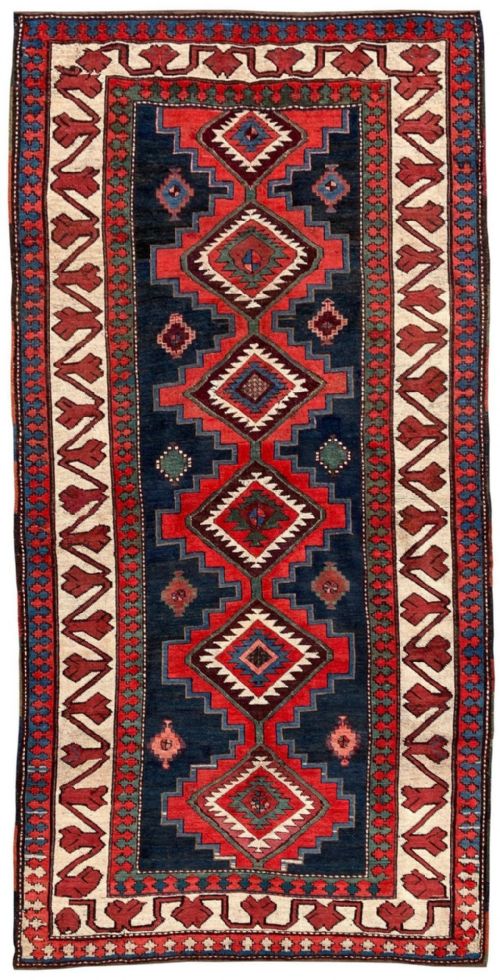
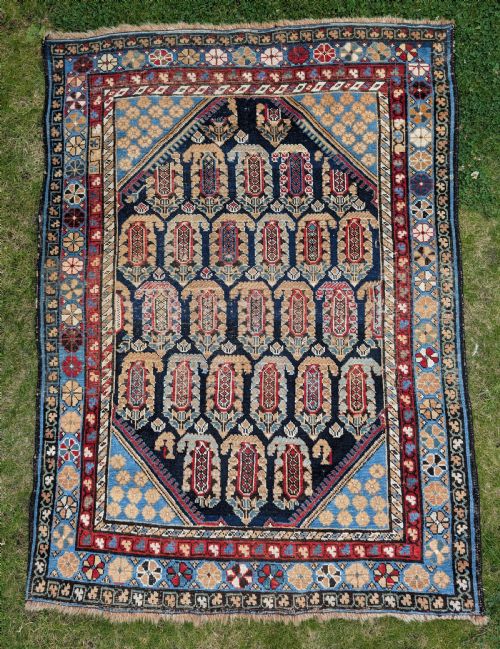
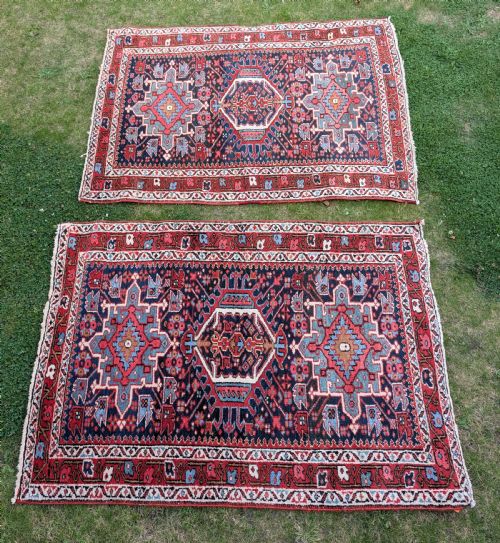
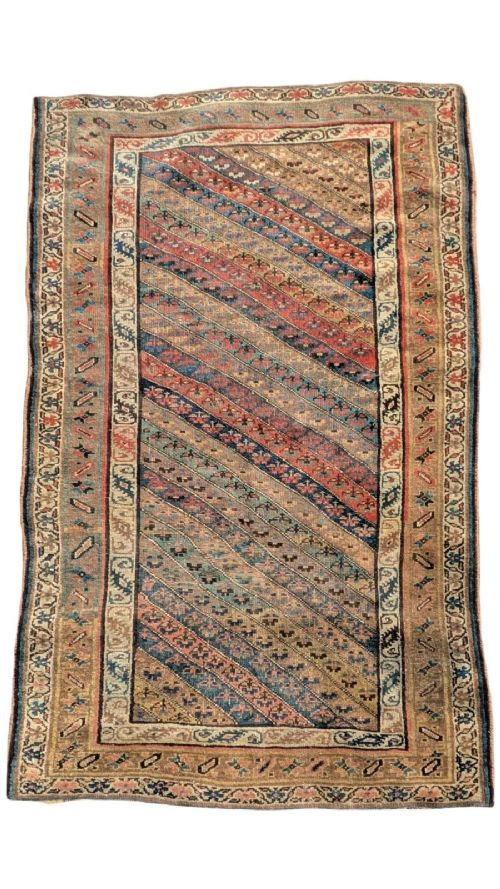
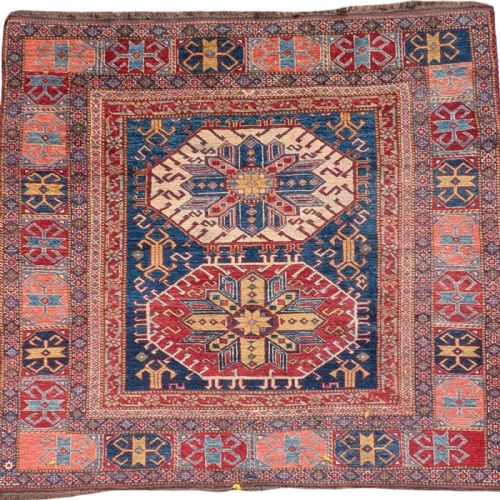
A red wool caucasian rug draws the eye with striking geometric motifs, tribal designs, and rich red grounds rooted in nineteenth and early twentieth-century village weaving. When you search for a red wool caucasian rug, you encounter formats ranging from square rugs to elongated runners and large carpets.
The regional types span Kazak, Karabagh, Shirvan, Soumak, and Lesghi pieces, each carrying distinct medallion structures like the key hole design, cloud bands, or triple medallions. These floor coverings reflect the distinct tribal folk art traditions of the Caucasus region.
Most pieces seen here date from the late nineteenth century up to the early twentieth century, spanning decades of traditional nomadic and village production. They serve equally as floor coverings or hanging textiles that anchor a space with rustic warmth.
How they were made
Weavers constructed each red wool caucasian rug entirely from wool, utilising hand-knotted pile or flatweave Soumak structures built on sturdy foundations. Natural dyes achieved the deep red grounds and contrasting accents seen across the fields and borders.
Villagers worked on vertical looms, translating generational tribal patterns into dense wool surfaces designed for daily wear. The resulting textiles exhibit the slight irregularities inherent to hand-knotted village and tribal production.
Red Wool Caucasian Rug Retail Price Guide 2026
Typical asking prices for red wool caucasian rug among the pieces listed under this phrase on Sellingantiques today, from the lower quarter to the upper quarter. They describe what is for sale here now, not the wider market.
Some nineteenth-century weavers slipped secret date markers and crooked key hole motifs into the wool pile.
What varies in quality
Quality in a red wool caucasian rug rests on the crispness of the tribal design, the saturation of the wool pile, and the precision of the geometric motifs. Finer knotting and well-defined medallions distinguish superior village weaving from simpler production.
The depth and brilliance of the red ground dyes, alongside the structural integrity of the wool pile and edges, determine the lasting appeal of each piece. Surviving examples retain strong wool pile and clear coloration across the field.
The Red Wool Caucasian Rug Glossary
- Kazak
- A style of rug originating from the western Caucasus, known for bold geometric medallions and primary coloration. These pieces display strong tribal folk art characteristics.
- Soumak
- A flatweave technique producing a sturdy textile without a cut pile, often featuring intricate geometric patterns. The reverse reveals floating threads from the wrapping technique.
- Medallion
- A central ornamental design motif placed in the field of the rug. In these pieces, they often take hooked, triple, or octagonal forms.
- Kelleh
- A large, elongated format of carpet traditionally suited for specific room proportions. These rectangular pieces provide an expansive field for repeating motifs.
Red Wool Caucasian Rug: Frequently Asked Questions
Where were these rugs made?
These textiles originated in the Caucasus region, spanning diverse weaving villages and nomadic groups during the nineteenth and early twentieth centuries.
Local workshops and weavers produced them using traditional wool materials and regional geometric designs.
How do I clean an old rug?
Gentle surface cleaning and professional specialist care preserve the wool pile and natural dyes of nineteenth-century village textiles.
Avoid harsh chemical treatments and excessive water to protect the structural integrity of the wool foundation.
How do I identify different tribal styles?
Styles separate by their specific medallion structures, border arrangements, and regional colour palettes such as Kazak or Shirvan.
Examining the weave type, wool quality, and geometric motifs clarifies the distinct geographic origin of each piece.