
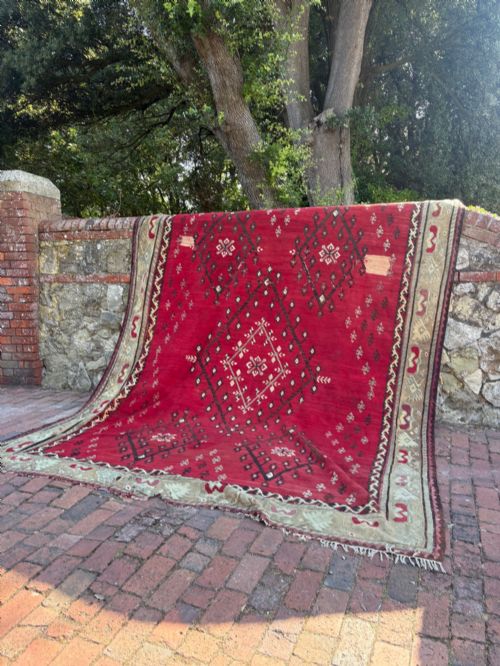

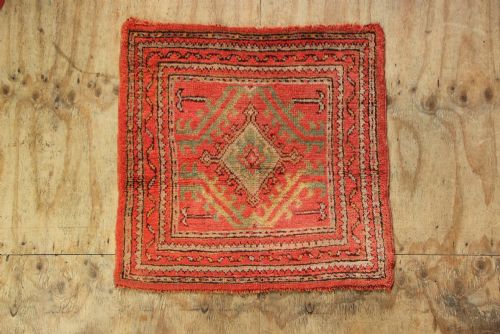


Red Wool Anatolian Rug
A red wool anatolian rug brings deep madder tones and centuries of tribal weaving traditions directly onto your floor.
Red Wool Anatolian Rug
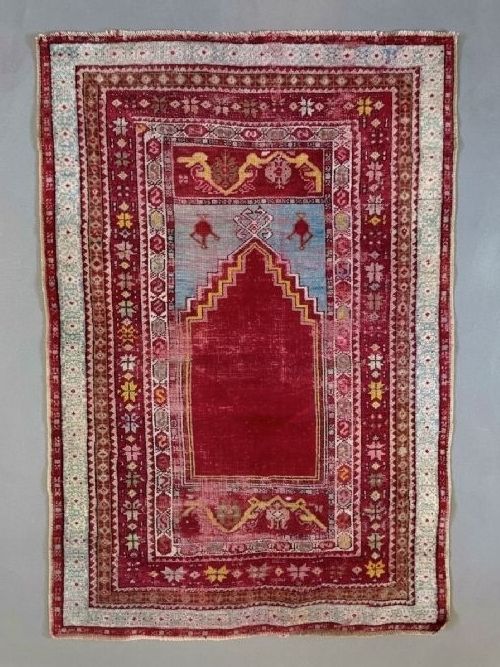
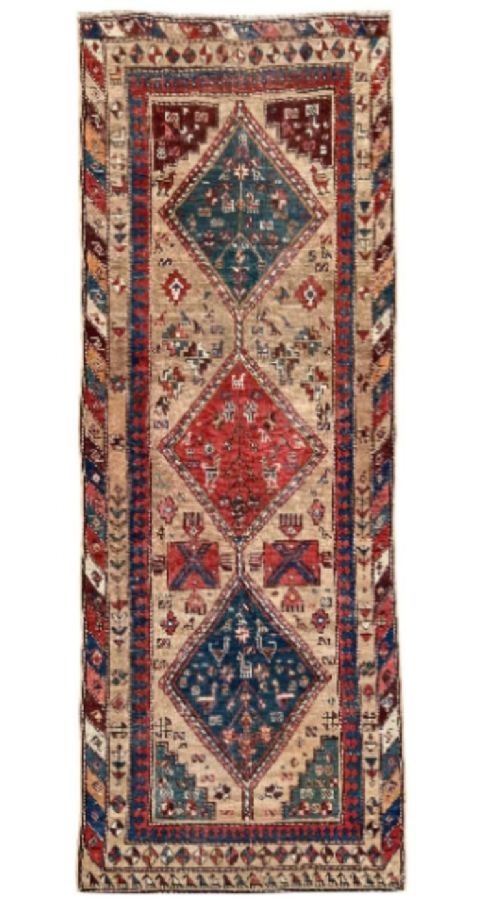
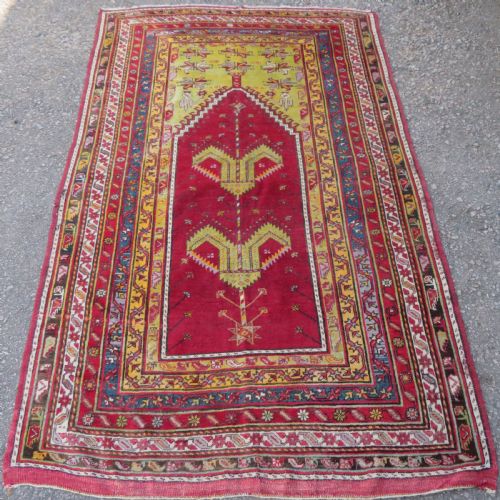
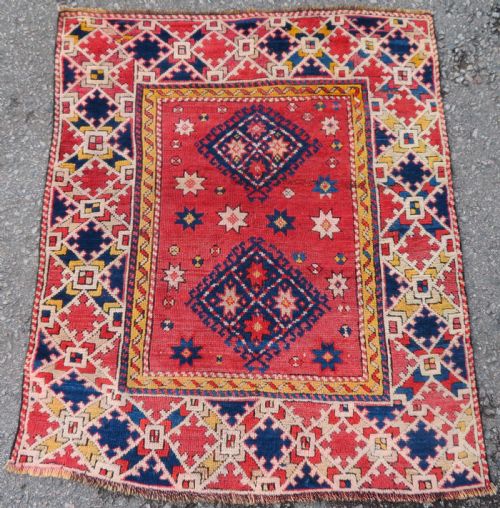
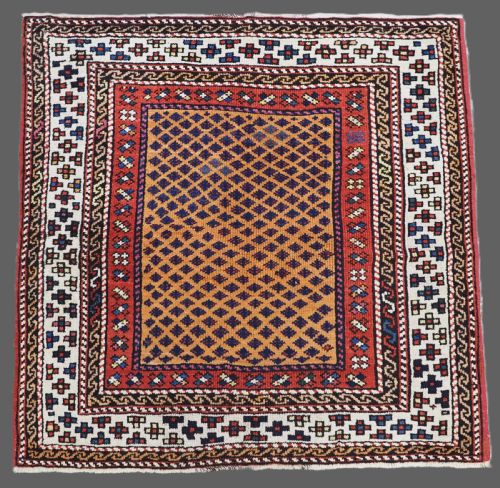
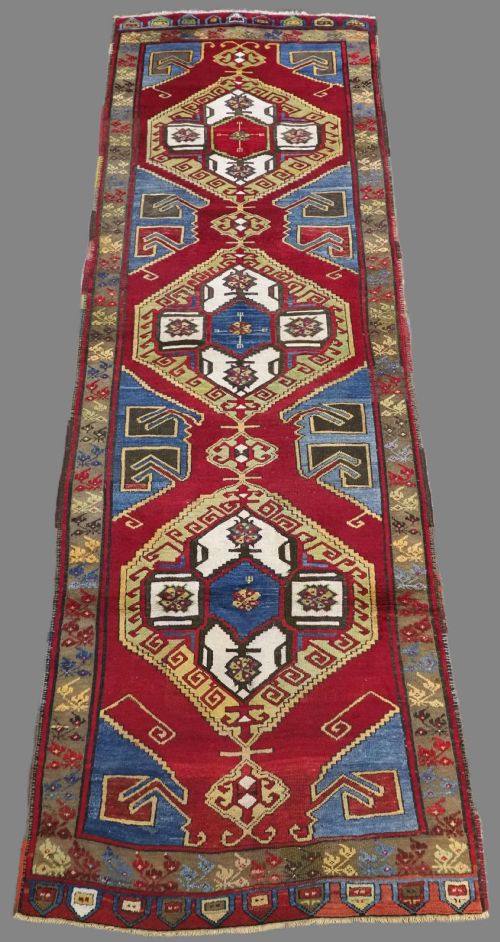
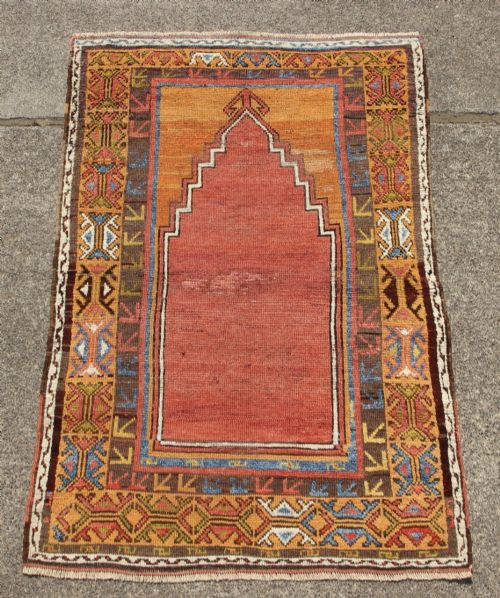
A red wool anatolian rug represents a rich tradition of village and tribal weaving originating from the historical regions of Anatolia. Buyers searching for this phrase encounter various formats, including full-sized carpets, long runners, square formats, and prayer rugs bearing distinct architectural mihrab designs.
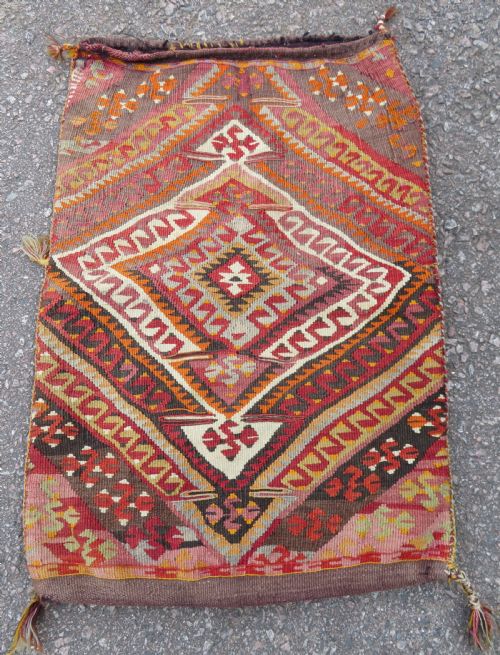
The pieces available span from the eighteenth century through to the early twentieth century, encompassing specific village traditions such as Bergama, Konya, Kirsehir, Melas, and Oushak. While many examples function as floor coverings, the selection also includes flatweave kilims and decorative cushions adapted from larger carpets.
Village weavers constructed these floor coverings to serve practical household needs while expressing local artistic identities through geometric medallions, lattice patterns, and symbolic motifs. Each surviving textile carries the distinct character of its specific producing district within Turkey.
Materials and Construction
Weavers utilised hand-spun wool for the pile and foundation yarns, imparting a resilient texture and a natural variation that absorbs dye differently across the surface. Cotton also appears in certain structural elements and foundations, providing stability to the woven format.
Natural dyes produced the characteristic deep reds, madders, and contrasting ground colours found throughout these textiles. Artisans knotted the wool by hand onto woolen or cotton warps, creating dense pile surfaces or flatweave kilim structures depending on the regional workshop tradition.
Listings span periods from the eighteenth century through to the 1930s, featuring wool, cotton, and natural dyes across runner, prayer, and square formats.
Assessing Quality and Execution
The fineness of the knotting and the complexity of the internal design distinguish superior examples from standard village productions. A tightly packed foundation yields a sharper definition in geometric medallions and floral motifs.
The depth and brilliance of the natural dyes dictate the visual impact of the piece. Superior specimens exhibit a rich abrash where dye batches shift subtly across the wool, creating movement and tonal variation that chemical dyes cannot replicate.
Kirsehir·Bergama·Konya Karapinar·Oushak·Milas Melas
The Red Wool Anatolian Rug Glossary
- Prayer Rug
- A small format textile featuring an architectural arch or mihrab design at one end, traditionally pointed toward Mecca during daily prayers. These pieces often incorporate specific regional floral or geometric borders.
- Kilim
- A flatweave carpet or rug produced without a pile by tightly interweaving warp and weft threads. This technique creates a lightweight, reversible textile with sharp geometric patterns.
- Runner
- A long, narrow carpet format designed specifically for hallways, corridors, or alongside furniture. These pieces maintain a stretched rectangular proportion.
- Mihrab
- The arched niche depicted on prayer rugs that symbolises the direction of prayer. Its shape and ornamentation vary distinctively by weaving village.
- Abrash
- The natural variation in colour tone caused by shifts in hand-spun wool or separate dye lots. This tonal graduation adds considerable visual depth to antique pile surfaces.
Red Wool Anatolian Rug: Frequently Asked Questions
What is the difference between a rug and a kilim?
A standard rug is woven with a raised pile formed by individual knots tied to the warp threads. This creates a dense, plush surface underfoot.
A kilim is woven flat without any pile by interlocking the coloured weft threads tightly across the warp foundations.
How should I care for an antique wool rug?
Protect the wool textile by vacuuming gently without a rotating brush roll to prevent snagging the hand-spun fibres. Keep the piece out of direct, continuous sunlight to preserve the natural dyes.
Rotate the flooring periodically to ensure even wear across high-traffic areas.
Where were these pieces originally made?
These textiles originate from various towns, villages, and nomadic tribal groups across Anatolia, now modern Turkey. Specific regions like Bergama, Konya, and Oushak developed distinct design vocabularies.
Local weavers passed down specific patterns and knotting techniques through generations within these communities.