





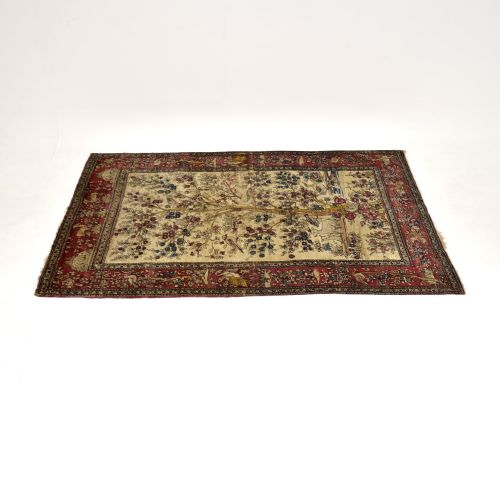

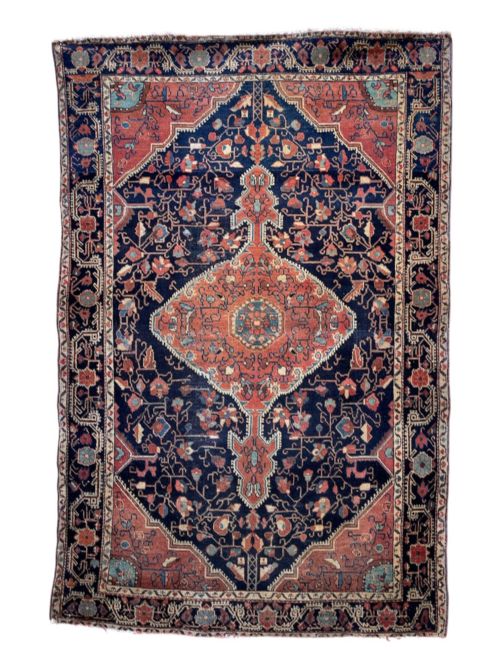
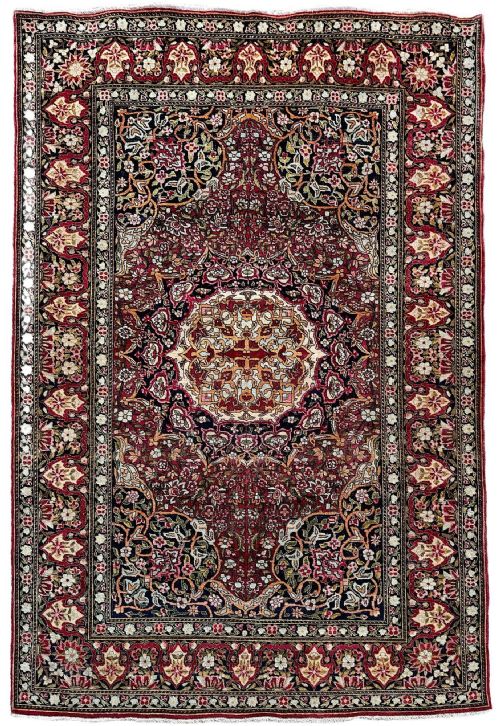
Red Wool Oriental Carpet
A red wool oriental carpet brings depth and warmth to a room through centuries of weaving traditions from Persia, Anatolia and the Caucasus.
Red Wool Oriental Carpet
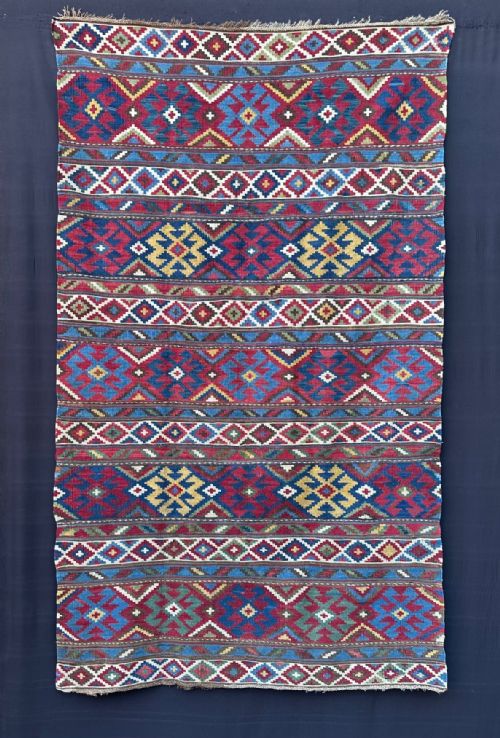
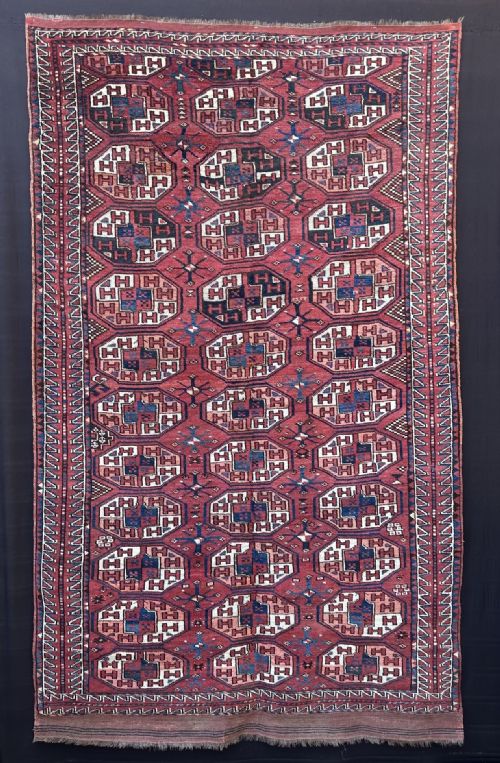
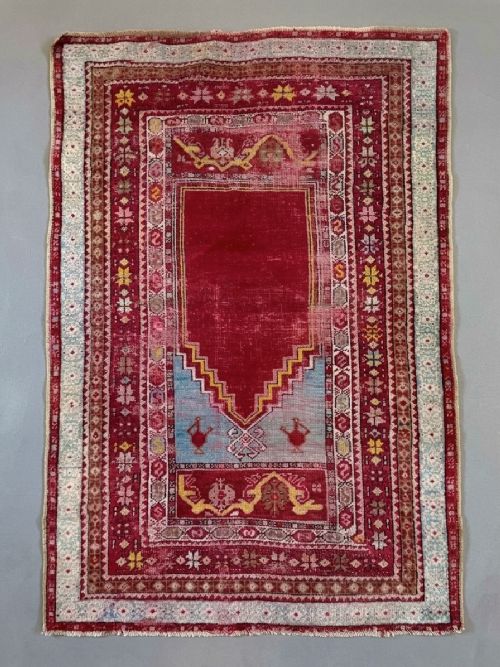
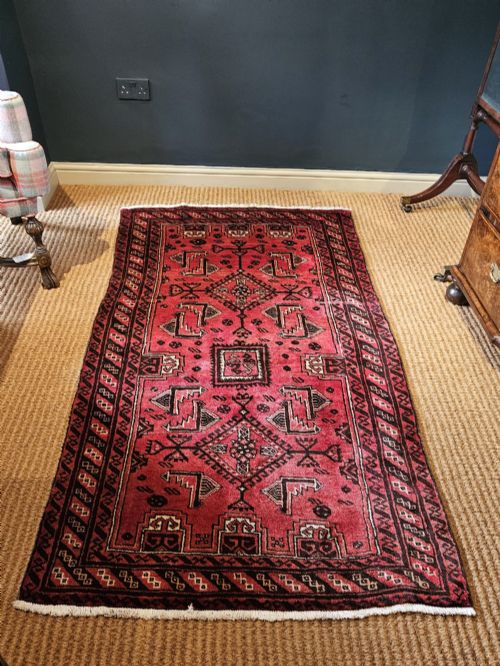
When searching for a red wool oriental carpet, buyers encounter hand-knotted pieces originating from Persian, Caucasian, Anatolian and Turkmen weaving traditions dating from the nineteenth century into the twentieth century. These textiles take various functional forms including large carpets, smaller area rugs, long runners and specialised prayer rugs.
The selections available here span distinct regional styles such as Heriz, Saroukh, Kazak, Ushak and Afshar. Buyers frequently meet pieces displaying tribal designs alongside traditional floral or geometric motifs woven in village and nomadic workshops.
Materials and construction
These textiles rely primarily on wool foundations and pile, occasionally incorporating cotton for warp and weft threads or silk highlights for specific decorative details. Artisans utilised hand-spun wool and natural dyes to achieve the varied tones found across the pieces.
The construction involves hand-knotting techniques executed on upright looms, resulting in durable pile carpets and flat-woven kilims designed for longevity. Regional workshops and tribal weavers employed distinct knot types and structural densities characteristic of their specific localities.
Red Wool Oriental Carpet Retail Price Guide 2026
Typical asking prices for red wool oriental carpet among the pieces listed under this phrase on Sellingantiques today, from the lower quarter to the upper quarter. They describe what is for sale here now, not the wider market.
Some nineteenth-century weavers intentionally included small asymmetrical imperfections in geometric patterns to ward off the evil eye.
Evaluating the pieces
Quality in these textiles rests upon the fineness of the knotting and the complexity of the design execution. Tighter knot density and precise geometric or curvilinear alignment distinguish finer examples from simpler village work.
The integrity of the wool, the richness derived from natural dyes and the preservation of original borders and ends further separate standard items from exceptional survivals. Consistency in the weave and clarity of regional motifs indicate superior craftsmanship.
The Red Wool Oriental Carpet Glossary
- Warp
- The vertical threads stretched on the loom that form the foundational skeleton of the carpet. Fringe ends typically consist of these exposed threads.
- Weft
- The horizontal threads passed alternately over and under the warp threads to hold the knots in place. This structure secures the rows across the width of the textile.
- Pile
- The upright cut ends of the knotted yarn that create the surface texture of the carpet. Length and density of the pile vary by region and purpose.
- Mihrab
- The arched niche design found on prayer rugs, symbolising a doorway or prayer point oriented towards Mecca. This architectural motif often dominates Caucasian and Anatolian prayer rugs.
- Kilim
- A flat-woven textile produced without a pile by tightly interweaving warp and weft threads. These pieces offer lightweight alternatives to knotted carpets.
Red Wool Oriental Carpet: Frequently Asked Questions
How do I clean an old carpet?
Maintenance requires gentle vacuuming without rotating brush heads to protect the wool pile from excessive wear and fibre loss. Professional rug cleaners specialising in antique textiles should handle deep washing.
Water exposure must remain minimal to prevent colour bleeding from natural dyes. Immediate blotting of spills prevents permanent staining without damaging the cotton or wool foundation.
Where were these rugs made?
The pieces originate across Western and Central Asia, including regions within modern-day Iran, Turkey, the Caucasus and Turkmenistan. Specific towns, villages and nomadic tribes produced distinct regional styles.
Weaving centres such as Heriz, Ushak, Isfahan and Shirvan developed characteristic palettes and geometric or floral motifs. Local materials and traditional techniques defined the output of each distinct area.
Are these carpets suitable for heavy foot traffic?
Hand-knotted wool construction provides natural resilience and durability suited to domestic environments with regular movement. Dense pile acts as a protective cushion for the foundational knots underneath.
Placing an appropriate underlay beneath the textile prevents slipping and reduces friction against hard flooring surfaces. This extra layer absorbs impact and extends the operational lifespan of the rug.
How can I identify the age of a piece?
Age determination relies on examining structural wear patterns, wool characteristics and the chemical composition of the dyes used in the pile. Nineteenth-century examples often display subtle colour softening and organic dye variations.
Stylistic markers such as specific border arrangements and tribal motifs help narrow down the period of production. Comparing knot density and regional structural traits confirms the manufacturing era.