


Red Wood Table
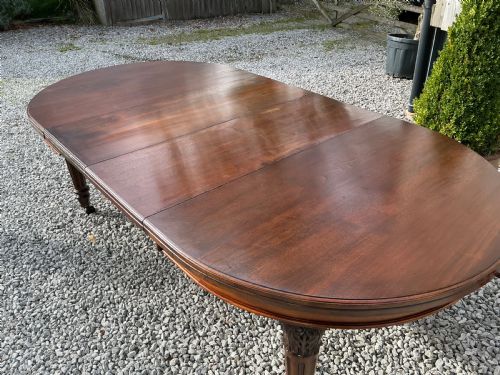
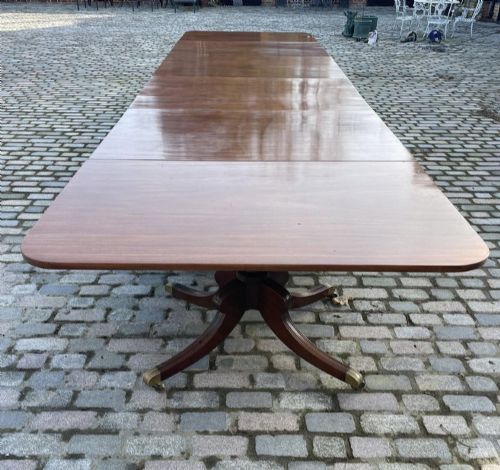
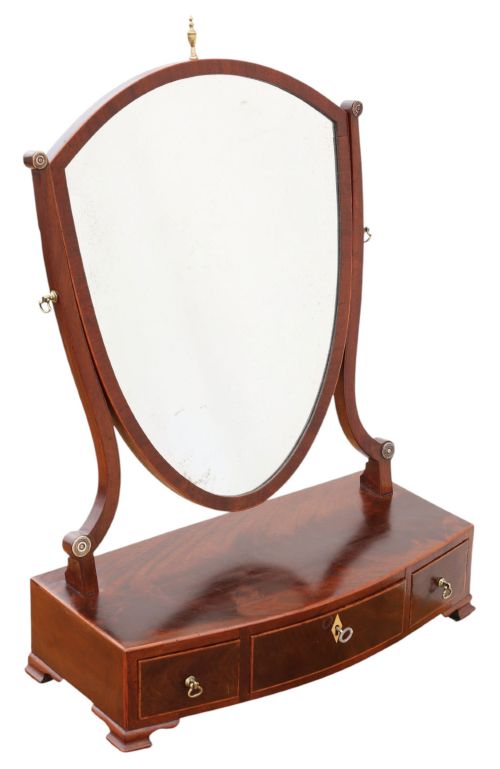
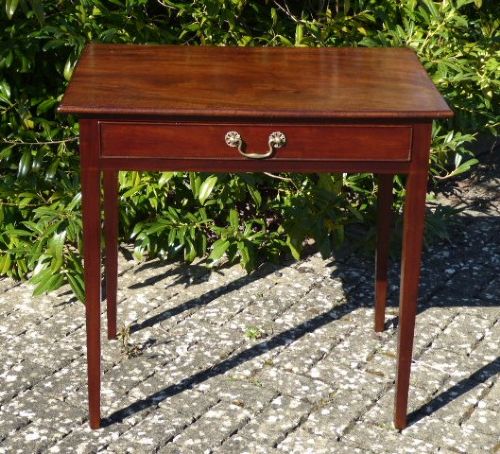
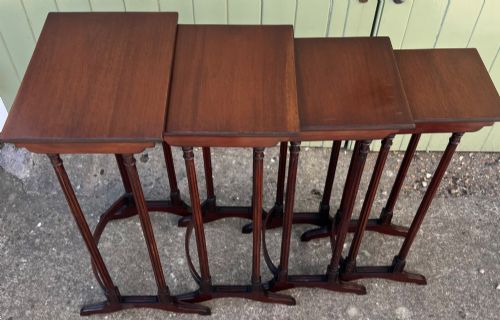
These red wood table examples span centuries of cabinet-making, offering rich patination and versatile forms ranging from compact side pieces to grand dining tables.
Red Wood Table
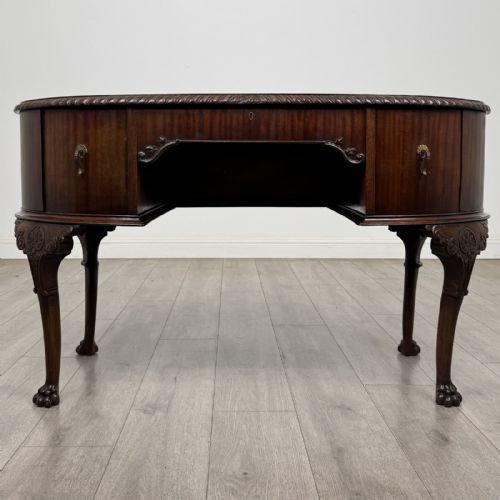
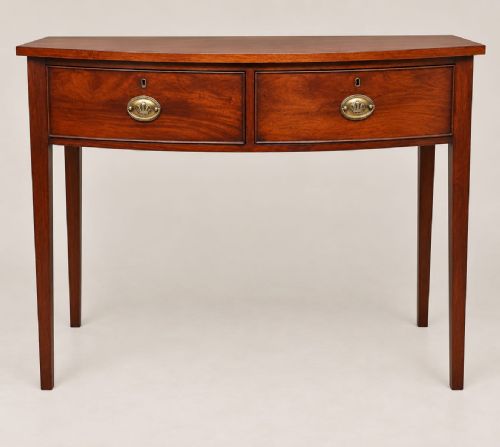
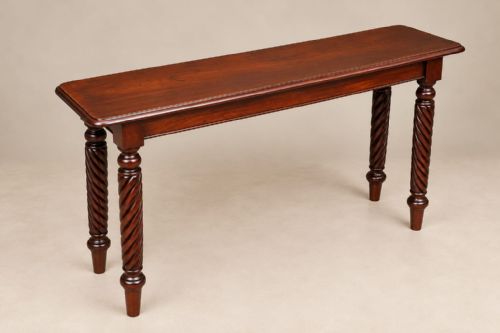
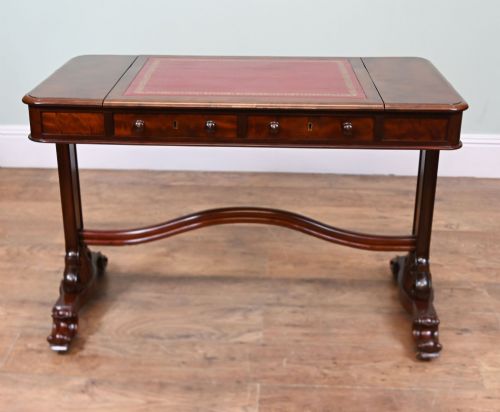
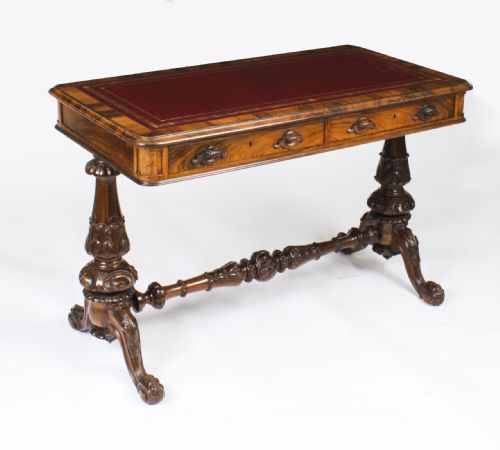
The selection on this page leans heavily towards nineteenth-century mahogany forms, with Victorian side tables, writing desks, and extending dining furniture appearing most frequently. Alongside these British classics, examples from Qing Dynasty China, Italy, and India introduce distinct regional styles and alternative reddish timbers or lacquered finishes to the collection.
How they were made
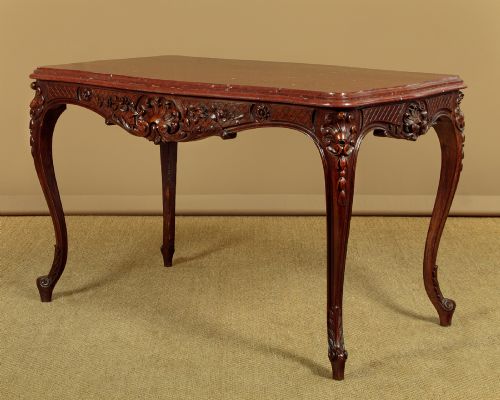
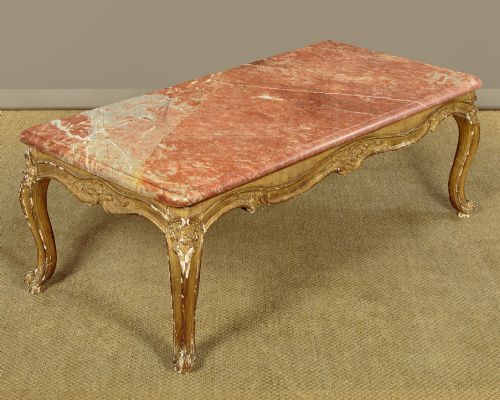
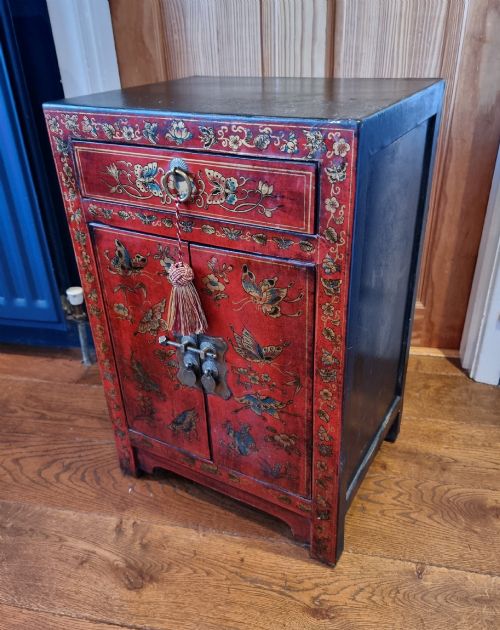
Cabinet-makers relied on dense, deeply coloured hardwoods like mahogany and rosewood, often finished with hand-rubbed wax to bring out the natural grain and deep red undertones. Applied surface decoration includes red lacquer and Chinoiserie motifs, sometimes complemented by contrasting materials such as rouge marble tops, brass mounts, and leather inserts.
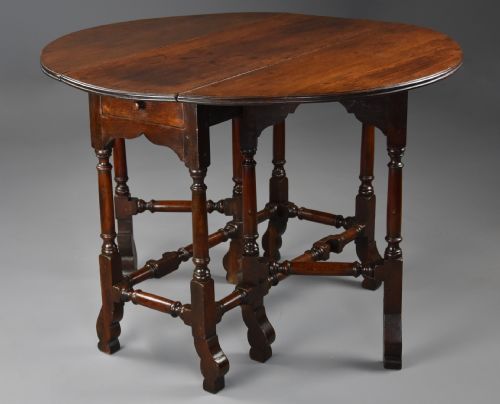
Construction techniques evolved from eighteenth-century gateleg and tilt-top mechanisms to robust Victorian extension systems and intricate carved details. Joinery employed traditional mortise and tenon methods, ensuring structural stability for pieces subjected to daily domestic use over generations.
Red Wood Table Retail Price Guide 2026
Typical asking prices for red wood table among the pieces listed under this phrase on Sellingantiques today, from the lower quarter to the upper quarter. They describe what is for sale here now, not the wider market.
Periods represented stretch from the eighteenth century through the Victorian era to early twentieth-century Arts & Crafts and Chinoiserie pieces.
What varies in quality
Quality rests upon the selection of timber and the depth of the finish, where superior examples display a glowing, undisturbed patina achieved through decades of careful maintenance. The crispness of hand-carved details and the integrity of original brass or ormolu mounts further separate standard utility pieces from exceptional workshop creations.
Proportion and structural balance dictate the standing of a table, with finer items maintaining harmonious dimensions regardless of whether they serve as small lamp stands or large pillar dining tables. The presence of authentic period hardware and untouched secondary timbers adds substantial weight to a piece's historical integrity.
Edwards & Roberts·Heals Of London
The Red Wood Table Glossary
- Chinoiserie
- European decorative style emulating Chinese artistic traditions, frequently featuring hand-painted red lacquer and gilt motifs on small tables and cabinets.
- Gateleg table
- A drop-leaf table supported by hinged legs that swing outward to hold the leaves, common in smaller eighteenth-century formats.
- Ormolu
- Gilded bronze mounts applied to furniture for decorative effect, seen on finer nineteenth-century centre and console tables.
- Patina
- The surface sheen and mellow depth developed by timber over long periods of handling, age, and polishing.
- Rosewood
- A heavy, dense tropical timber with pronounced dark grain and rich red-brown colouration utilised in Victorian work and display tables.
Red Wood Table: Frequently Asked Questions
How do I date a mahogany table?
Dating relies on observing construction methods, timber characteristics, and hardware design across different stylistic periods. Georgian pieces often display different framing techniques and lighter scantlings compared to heavier Victorian counterparts.
Secondary woods used in drawer linings and internal framing also provide strong clues to a piece's age and geographical origin.
Where were red lacquer tables made?
Red lacquer and Chinoiserie tables originate from both Asian workshops and European centres influenced by Eastern trade and design trends. Qing Dynasty pieces demonstrate traditional Asian lacquer techniques.
Later European revivals from the early twentieth century successfully imitated these striking red decorative finishes for domestic interiors.
Can I use an antique writing table daily?
Most antique writing tables and desks suit regular daily use provided they receive sensible care and protection from moisture and direct heat. Solid mahogany and rosewood surfaces withstand normal activity well, though leather writing inserts require gentle treatment.
Placing protective pads under modern equipment preserves the historical writing surface from unnecessary wear.