



Red White Porcelain Plate
A red white porcelain plate brings together iron red enamel, blue and gold upon hard or soft-paste body.
Red White Porcelain Plate
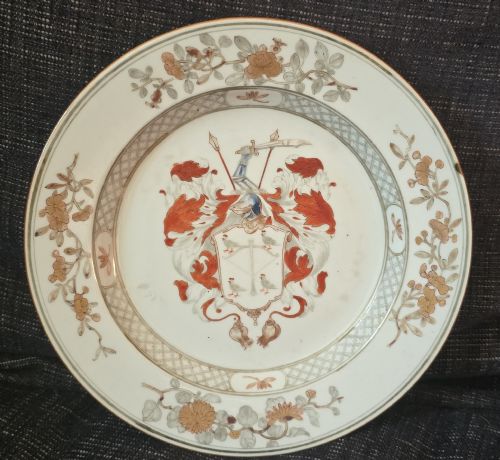
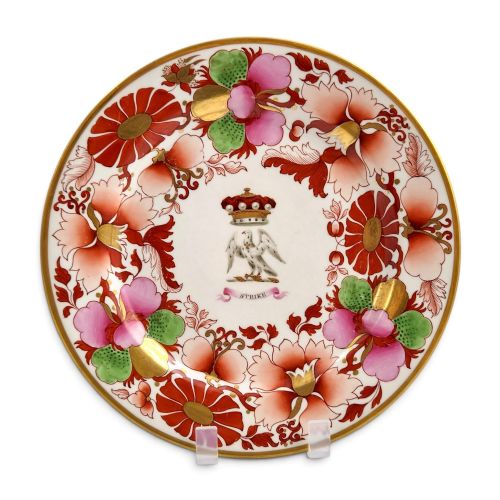
When you search for a red white porcelain plate, you encounter decorative plates, dishes, chargers, and bowls spanning several centuries. The selection includes examples from Japanese Imari, Chinese Export, and Bow production.
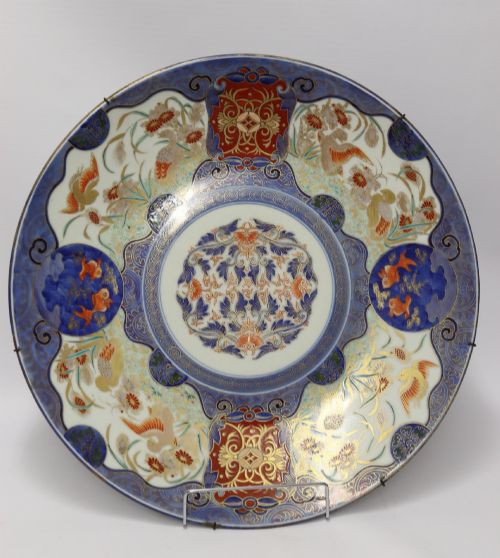
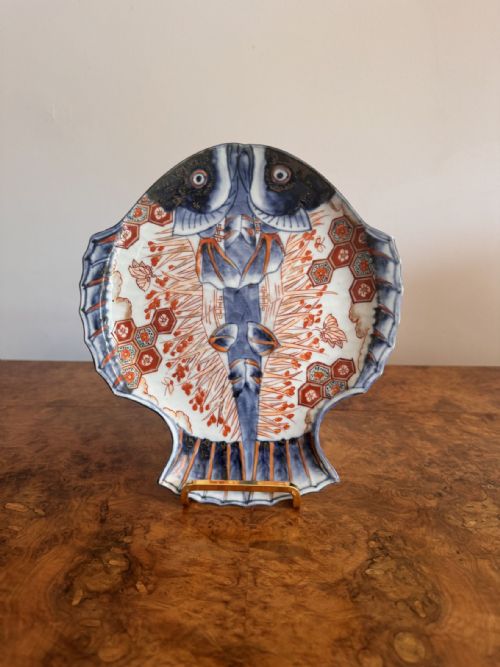
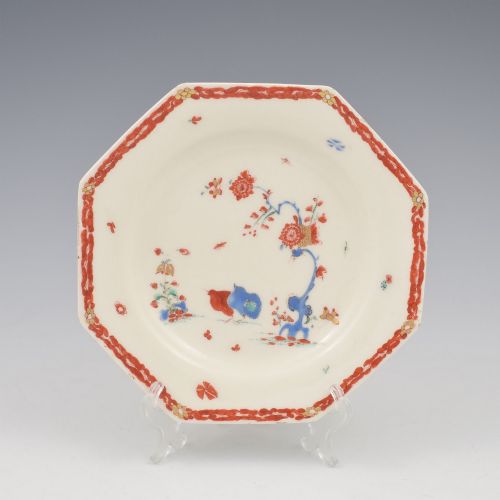
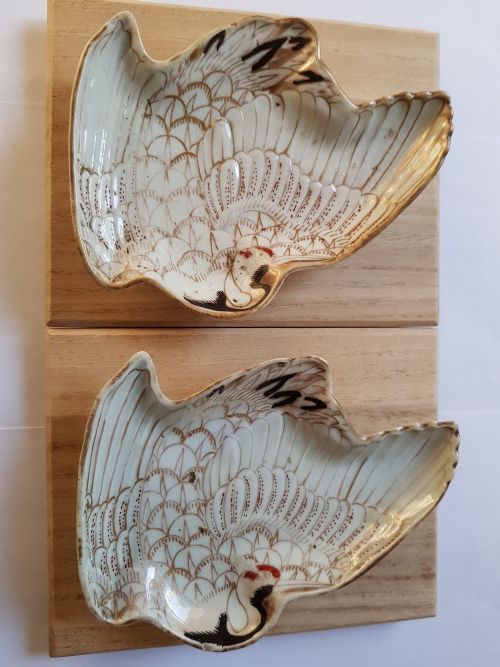
The pieces you are most likely to meet on this page date from the 19th century and around 1900, alongside 18th-century pieces and earlier Japanese Imari from the Edo period. Forms vary from standard circular plates to shaped dishes, octagonal plates, and fish or crane forms moulded in shallow relief.
How they were made
Makers utilised porcelain and soft-paste porcelain as the primary body, shaped by hand or moulded in shallow relief. Artisans applied glaze and fired the ceramic base before adding detailed pigment.
Decoration relied heavily on iron red enamel, often accompanied by black enamel, gold leaf, and traditional underglaze blue. Hand-painted motifs including the two quail or partridge pattern required precise brushwork and controlled kiln temperatures.
Red White Porcelain Plate Retail Price Guide 2026
Typical asking prices for red white porcelain plate among the pieces listed under this phrase on Sellingantiques today, from the lower quarter to the upper quarter. They describe what is for sale here now, not the wider market.
Materials recorded across the selection include porcelain, soft-paste porcelain, enamel, iron red enamel, glaze, gold leaf, and metal.
What varies in quality
Quality rests upon the crispness of the moulding, particularly in moulded or shaped forms such as fish and crane designs. Superior examples display clean lines and well-defined relief work rather than soft contours.
The application of iron red enamel and gold leaf distinguishes finer specimens. Skilled hand-painting exhibits precise placement and rich colour saturation across the porcelain surface.
The Red White Porcelain Plate Glossary
- Imari
- A style of Japanese export porcelain characterised by a palette of iron red, underglaze blue, and gold leaf. The term derives from the port from which these wares were shipped to Europe.
- Kakiemon
- A style of Japanese enamelled porcelain featuring asymmetrical designs, soft enamels, and motifs such as quails. European factories frequently copied these Japanese patterns during the 18th century.
- Soft-paste porcelain
- A ceramic material composed of clay, glass, and ground minerals fired at lower temperatures than hard-paste porcelain. It possesses a warmer tone and distinctive glaze texture.
- Charger
- A large decorative plate intended for display on a wall or sideboard rather than for dining use. These large pieces showcase complex painted compositions.
- Iron red
- An opaque reddish-orange enamel derived from iron oxide applied over the glaze. It forms a cornerstone of the traditional Imari palette.
Red White Porcelain Plate: Frequently Asked Questions
How are these plates displayed?
These pieces function primarily as decorative items intended for walls, cabinets, or plate stands. Their bold enamel colours and intricate patterns suit prominent placement in a room.
Larger chargers and bowls occupy centre stage on tables or dressers, while smaller plates fit easily into wall display arrangements alongside other ceramics.
What is the two quail pattern?
The two quail or partridge pattern is a traditional Japanese design featuring birds amidst floral foliage. European factories adopted this motif during the 18th century.
This imagery carries symbolic meaning associated with autumn and peace, rendered in iron red enamel alongside complementary pigments.
How do I identify Japanese Imari?
Japanese Imari porcelain displays a distinct combination of iron red enamel, underglaze blue, and gold leaf. The designs often incorporate floral and geometric panel borders.
Pieces range from standard circular plates to unusual moulded forms such as fish or crane shapes dating from the Edo period onwards.
Are these plates meant for dining?
These historic plates serve as decorative dishes and chargers rather than everyday tableware. Their age, enamel work, and gold leaf decoration require careful handling.
Displaying them on stands or mounting them securely preserves the painted surfaces from wear.