
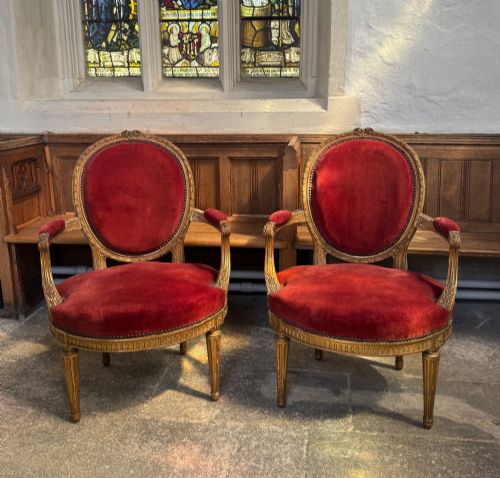
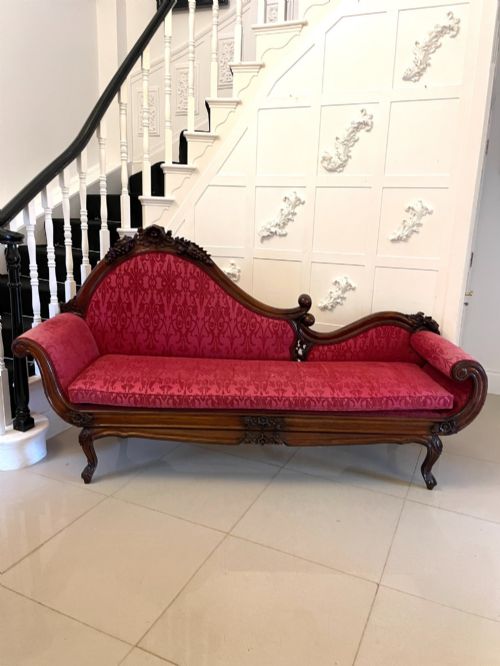
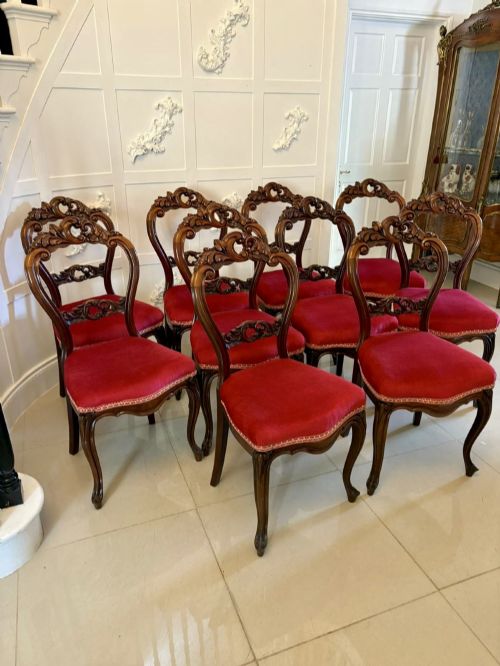
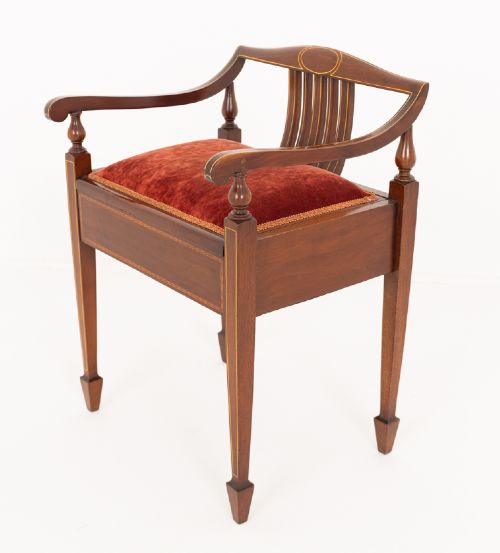
Red Velvet Chairs
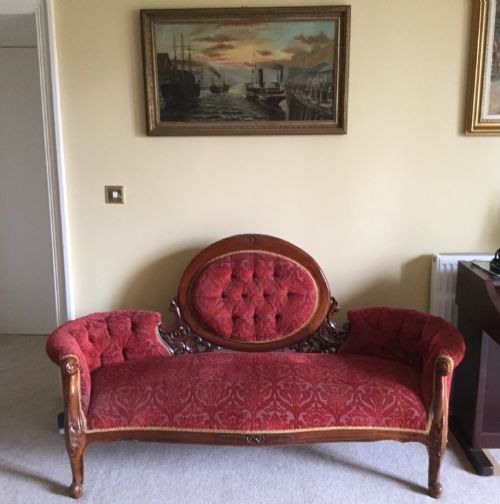
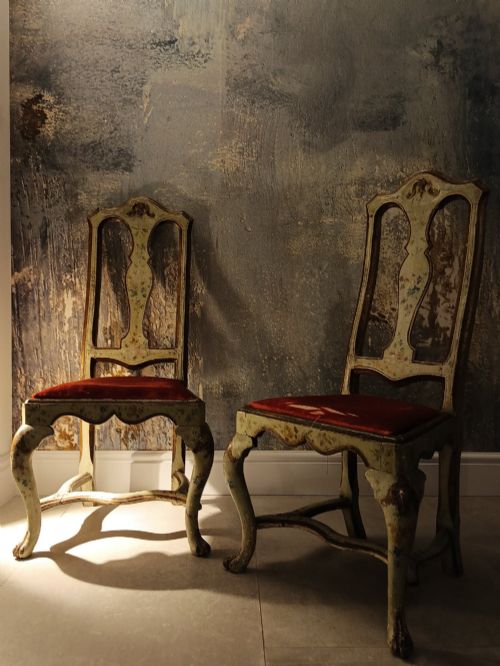
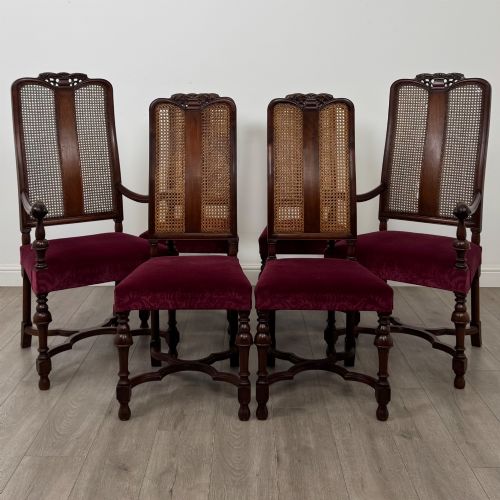
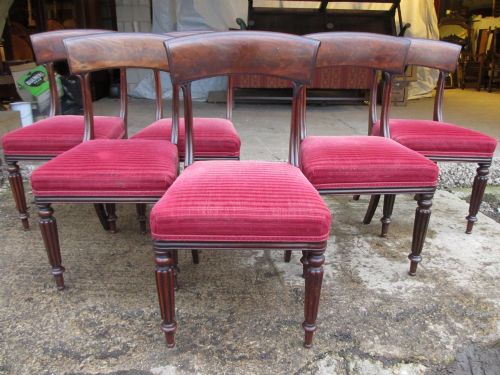
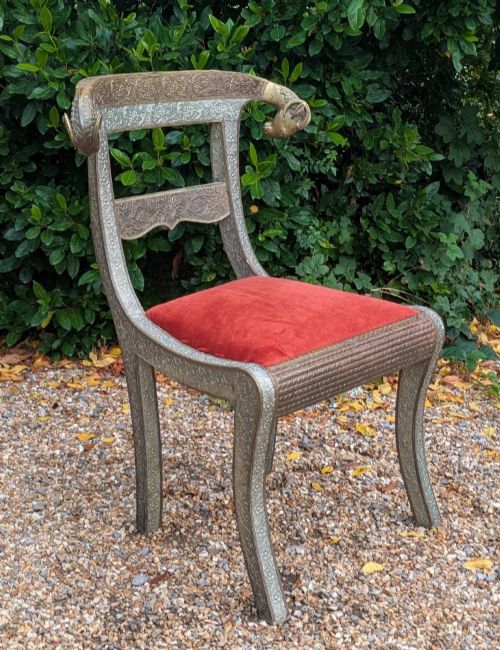
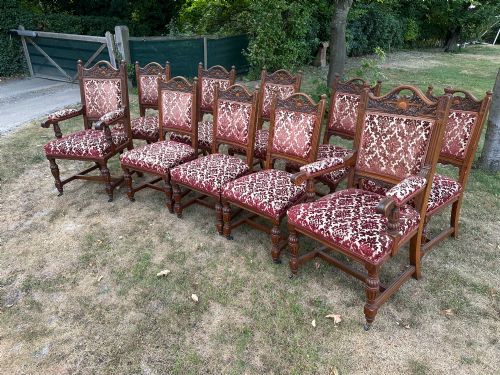
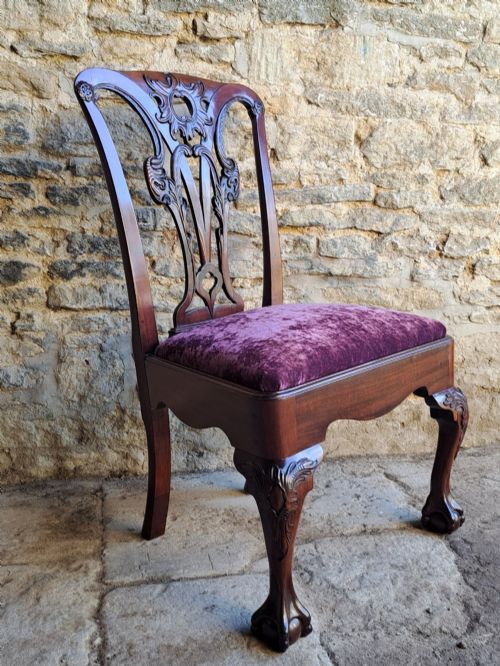
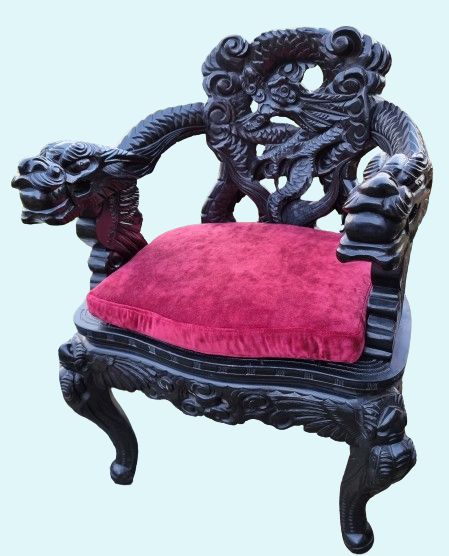
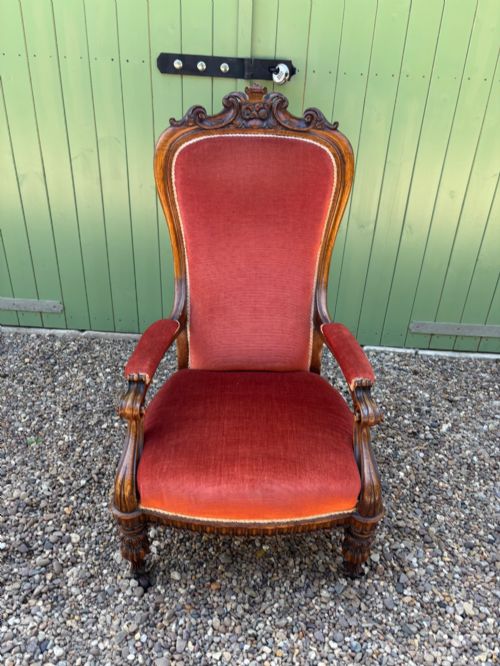
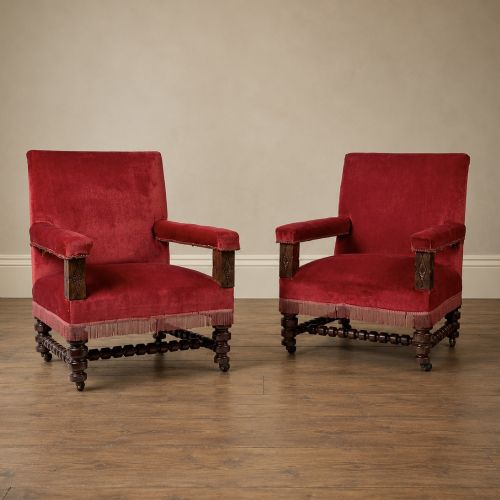
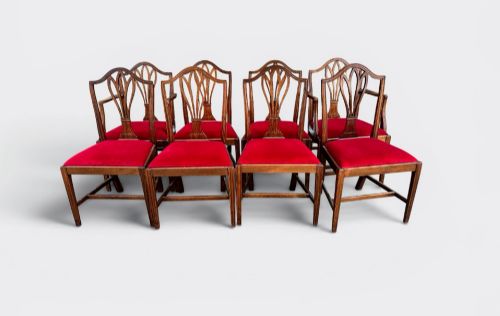
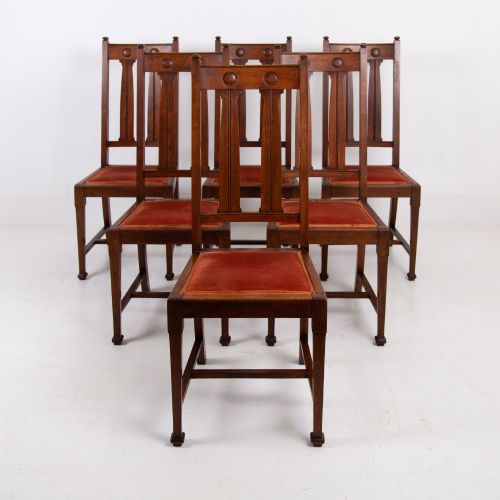
These red velvet chairs span centuries of seating design, offering striking colour and texture alongside period timber frames.
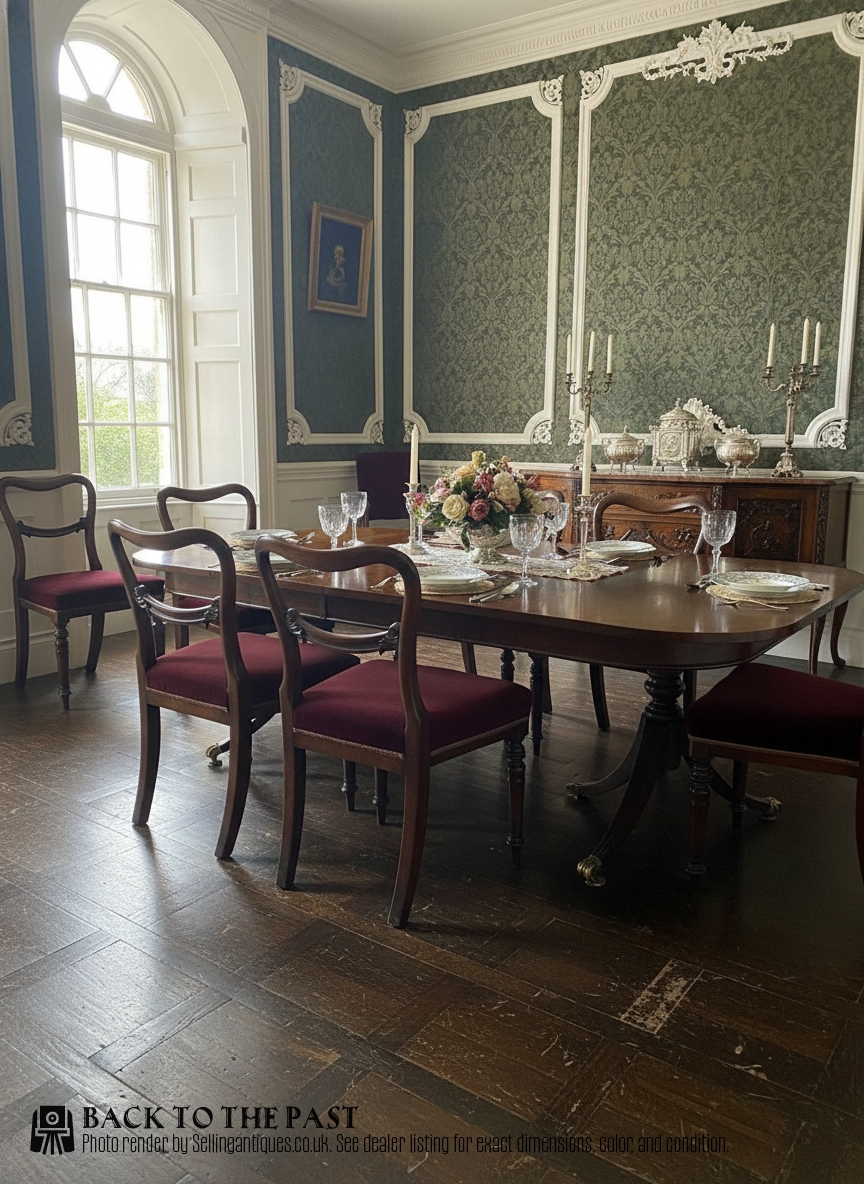
Red Velvet Chairs
Red velvet chairs encompass a diverse array of seating forms, ranging from substantial Victorian armchairs to sets of mahogany dining chairs and occasional parlour seats. Buyers searching for red velvet chairs typically encounter pieces upholstered in rich pile fabrics paired with timber structures spanning the eighteenth, nineteenth and early twentieth centuries.
The selection includes specific regional and stylistic variants, such as French giltwood armchairs, Scottish Arts and Crafts dining chairs, and English Regency ebonised side chairs. Alongside standard armchairs and dining seats, the category accommodates specialised forms like chaise longues, piano stools and folding rocking chairs.
Materials and Construction
Frames rely predominantly on traditional hardwoods such as mahogany, oak, walnut and rosewood, occasionally supplemented by exotic timbers or giltwood and ebonised finishes. Joinery methods reflect the period of origin, employing pegged mortise and tenon joints in earlier oak pieces and sophisticated turning or carving in later mahogany and walnut examples.
Upholstery techniques utilise deep pile velvet, brocade, and chenille fabrics secured over sprung or webbed bases, sometimes incorporating cane panels or decorative brass detailing. The integration of textile and timber requires precise hand-stitching and careful tensioning to maintain the integrity of the upholstered surfaces over decades of use.
Red Velvet Chairs Retail Price Guide 2026
Typical asking prices for red velvet chairs among the pieces listed under this phrase on Sellingantiques today, from the lower quarter to the upper quarter. They describe what is for sale here now, not the wider market.
Listings feature mahogany, oak, walnut, and rosewood timbers supporting velvet, brocade, and chenille upholstery across dining chairs, armchairs, and chaise longues.
Differentiating Quality
Quality reveals itself in the crispness of timber carving, the selection of dense, well-figured cabinet woods, and the structural rigidity of the frame. Pieces produced by notable makers or conforming to exacting regional proportions demonstrate superior cabinetmaking standards that elevate them above standard commercial production.
The standard of upholstery work and the preservation of original fabric or appropriate period-style replacement textiles significantly influence the overall integrity of the piece. Subtle details, such as hand-carved ornamentation on mahogany or walnut and balanced proportions in wing armchairs, distinguish finer examples.
James Shoolbred·Gillows·Howard And Sons
The Red Velvet Chairs Glossary
- Giltwood
- Timber coated with a thin layer of gold leaf. This finish appears frequently on decorative French and revival style frames.
- Bergere
- An enclosed upholstered armchair with wooden framing exposed around the sides and back. Cane panels often form the sides of these seats.
- Wingback
- An armchair featuring protective side panels attached to the arms and rising to the back. This design originally shielded occupants from drafts in older rooms.
- Ebonised
- Wood stained or painted black to imitate ebony. This treatment surfaces on Regency and nineteenth-century decorative seating.
- Fauteuil
- An open-framed armchair with upholstered back and armrests originating in France. The wooden arm supports remain visible and carved.
Red Velvet Chairs: Frequently Asked Questions
How do I clean red velvet upholstery?
Velvet requires gentle brushing with a soft-bristled brush to maintain the pile direction and remove surface dust. Avoid vigorous rubbing or water-based cleaners that can permanently flatten the plush pile.
For stubborn marks, professional textile conservation is recommended to prevent damage to vintage fabric or underlying stuffing materials.
Are these chairs suitable for daily dining?
Dining chairs from Georgian, Victorian and Edwardian periods are built from robust hardwoods like mahogany and oak to withstand regular use. Checking the stability of the frame joints ensures they remain safe for daily seating.
Upholstered seat pads on these dining sets often feature traditional webbing or modern springs that provide adequate support for everyday meals.
How can I date a mahogany armchair?
Dating relies on examining the timber grain, tool marks left by cabinetmakers, and the stylistic vocabulary of the carved details. Cabinet construction methods shifted noticeably from the hand-cut joints of the eighteenth century to the industrial techniques of the late Victorian era.
Comparing the chair's overall proportions and leg design against established historical periods helps narrow down the decade of manufacture.
Can I mix different periods around a dining table?
Combining various eras of mahogany or oak dining chairs creates an eclectic interior scheme rooted in traditional craftsmanship. Ensuring consistent wood tones and similar seat heights helps unify the arrangement.
Sets of chairs originating from the same workshop provide uniform seating, whereas paired armchairs and side chairs introduce visual variety.