

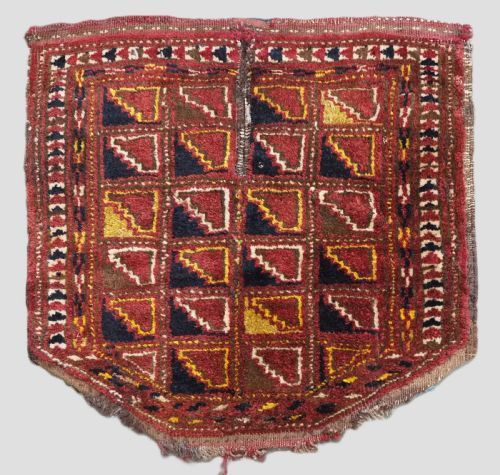
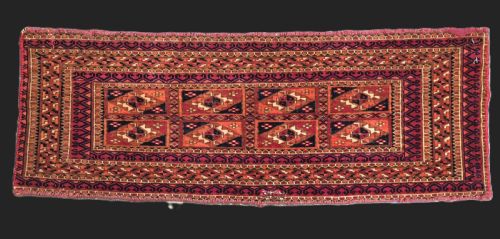
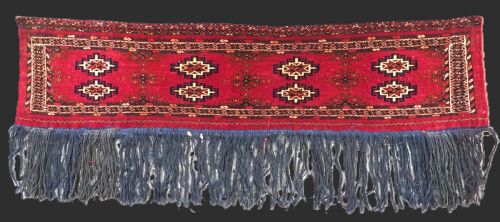
Red Turkmen Wall Hanging
When you select a red turkmen wall hanging, you acquire a textile rooted in the tribal traditions of Central Asia.
Red Turkmen Wall Hanging
A buyer examining a red turkmen wall hanging encounters nomadic weavings originating from the nineteenth and early twentieth centuries, spanning periods from the eighteen-fifties through to nineteen-twenty.
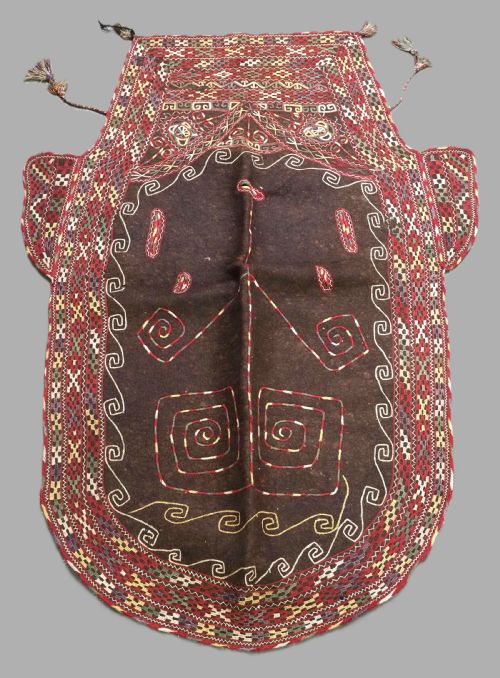
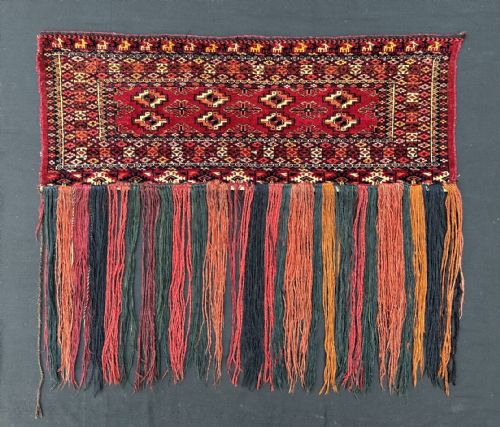
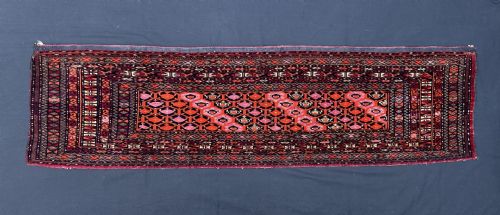
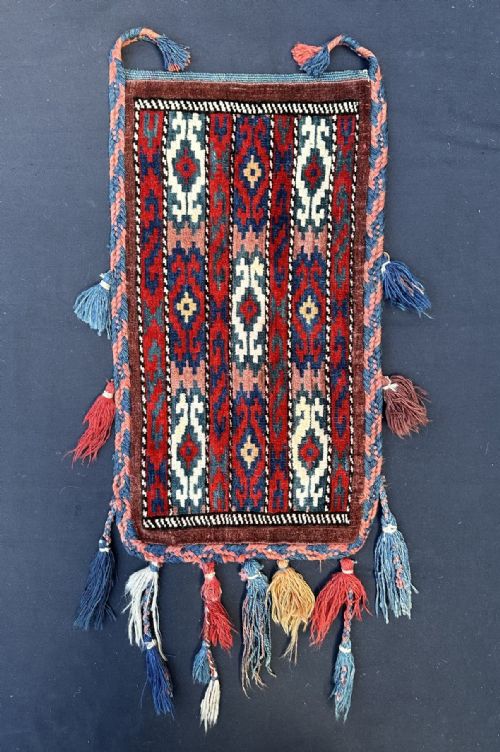
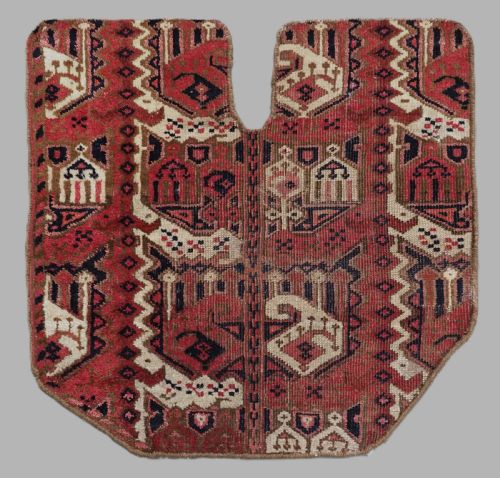
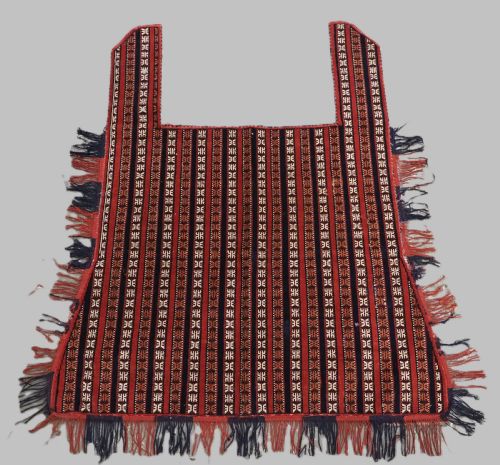
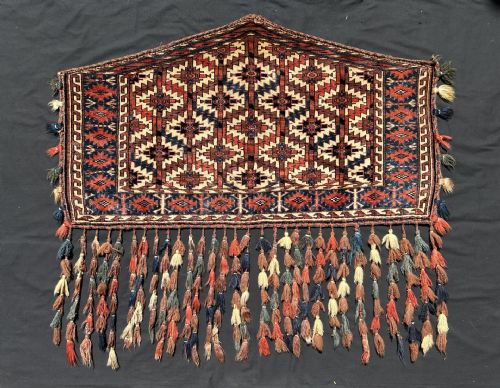
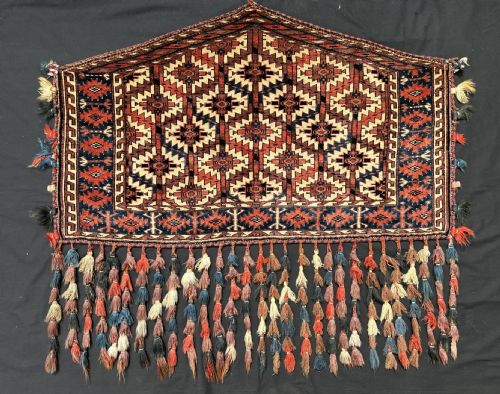
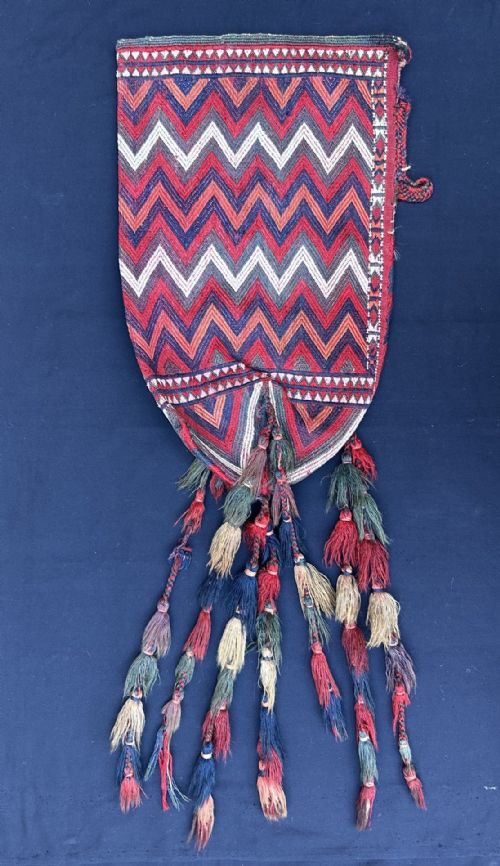
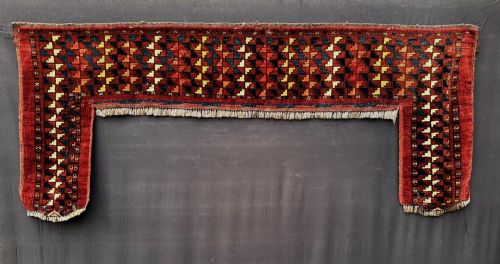
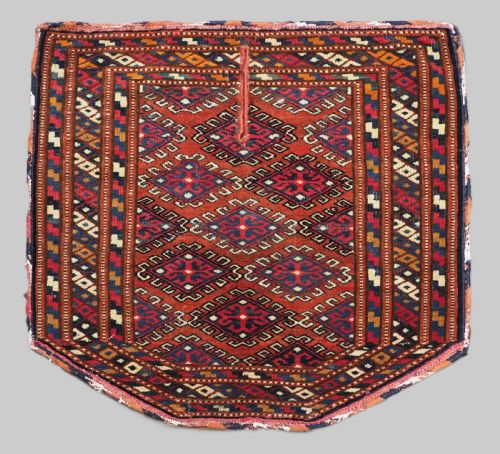
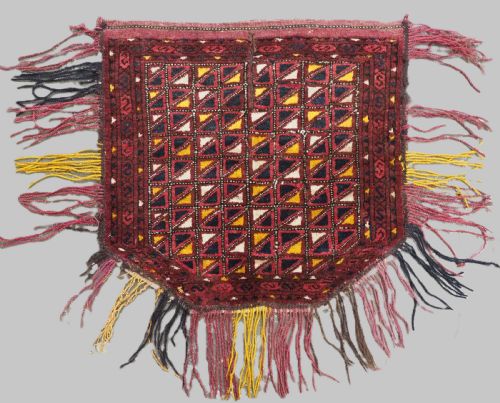
The items encountered on this page typically manifest as tent bags, asmalyks, torbas, and saddle covers created by tribal groups such as the Yomut, Tekke, Ersari, and Saryk.
These textiles function primarily as interior furnishings when displayed on a wall, showcasing geometric guls and traditional motifs derived from Central Asian nomadic culture.
Materials and construction
The construction relies heavily on wool and hand-spun wool, frequently combined with cotton and natural dyes to achieve deep red colour palettes.
Detailed embellishments often incorporate cotton thread and silk thread, alongside felted wool elements utilised in specific ceremonial items.
Camels wore finer tailoring than most humans, draped in ceremonial asmalyks for nomadic wedding processions.
Factors of distinction
Distinctions in quality arise from the density of the weave and the precision executed in rendering tribal guls such as the Salor or Kepse designs.
The retention of original tassels, complete flatweave backs, and the vibrancy derived from natural dyes elevate the standing of individual pieces.
The Red Turkmen Wall Hanging Glossary
- Gul
- A primary octagonal or repeating medallion motif used across tribal weavings. These geometric emblems often identify the specific tribe or clan that produced the textile.
- Asmalyk
- A large, pentagonal trapping traditionally mounted on the flank of a camel during wedding processions. These ceremonial hangings display elaborate secondary patterns and border details.
- Torba
- A small utility bag utilised inside the nomadic tent for storage. Collectors prize these faces for their compact symmetry and balanced field arrangements.
- Chuval
- A large storage bag fashioned by nomadic weavers to hold household goods within the yurt. Their wide formats display structured rows of major guls.
- Jollar
- A long, narrow bag or trapping used for transport and storage across camel flanks. They share construction methods with smaller tent bags.
Red Turkmen Wall Hanging: Frequently Asked Questions
How do I hang a textile securely?
Mounting requires weight distribution across the entire top edge using a non-damaging sleeve or conservation-grade velcro attachment method.
Avoid direct piercing with nails or pins, as puncturing the historic wool and cotton foundation compromises the integrity of the piece.
Which tribes made these pieces?
Nomadic groups inhabiting the Trans-Caspian steppes and oases, including the Yomut, Tekke, Ersari, and Saryk tribes, produced these historic textiles.
Each group utilised distinct structural weaves, colour saturation levels, and characteristic gul patterns to signify their regional heritage.
How are different periods identified?
Dating relies on assessing the composition of the natural dyes, the consistency of the hand-spun wool, and the structural complexity of the weave.
Pieces originating from the mid-nineteenth century generally exhibit different wool characteristics and palette depth compared to later nineteen-twenties examples.