




Red Porcelain Dishes
Red porcelain dishes bring together vibrant oriental palettes and crisp ceramic forms, offering both decorative presence and historical depth for the home.
Materials and Construction
Makers shaped these items from ceramic bodies, utilising porcelain and soft-paste porcelain alongside ironstone china. Potters formed bowls and plates by hand or in moulds before applying glazes and ceramic pigments.
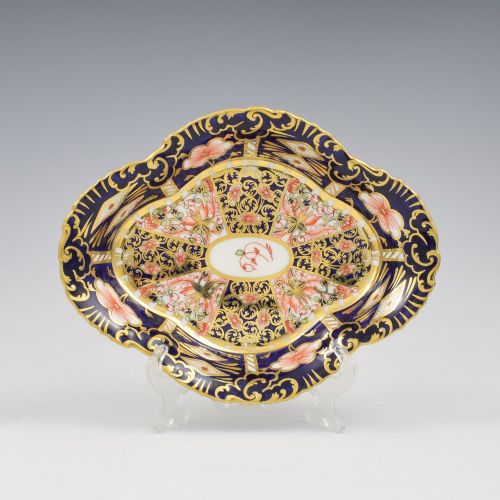
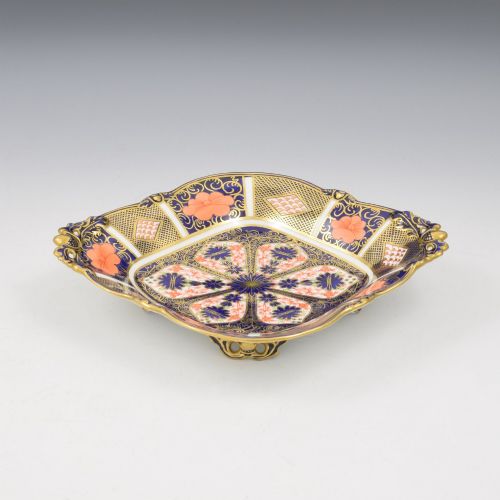
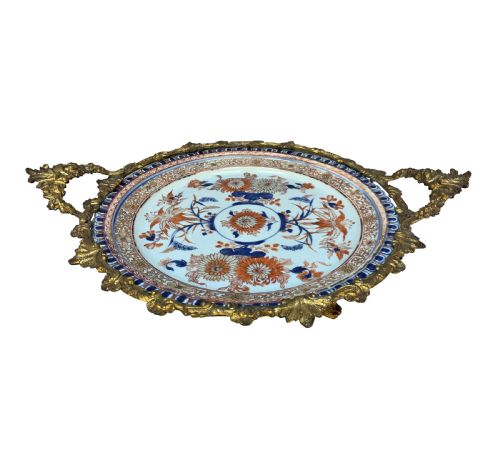
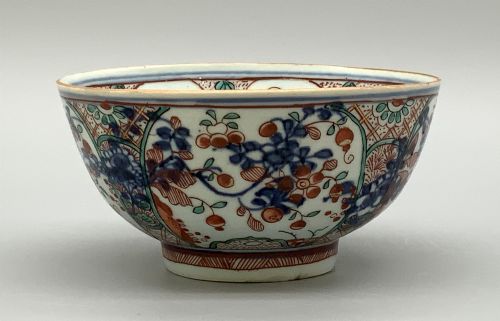
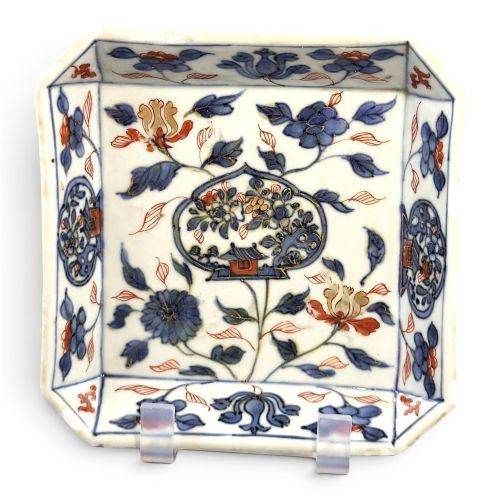
Decoration relied on underglaze blue combined with iron red enamel, frequently augmented by gold leaf, gilt, and detailed gilding. Certain Chinese and Japanese items incorporated metal mounts, such as ormolu, to enhance the completed vessel.
Assessing Quality and Execution
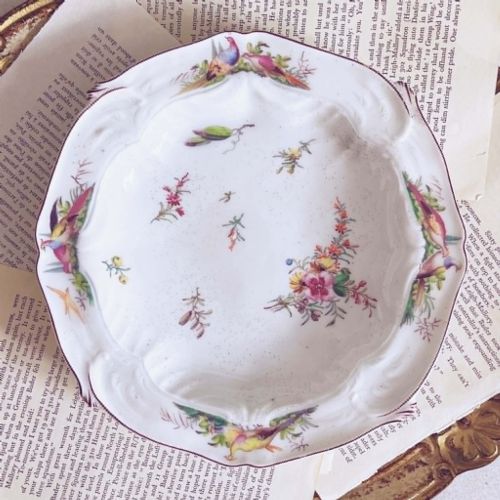
Quality rests upon the precision of the handpainted decoration and the vibrancy of the enamel palette. Superior items display crisp lines in floral and bird motifs, with securely adhered gilding that withstands the passage of time.
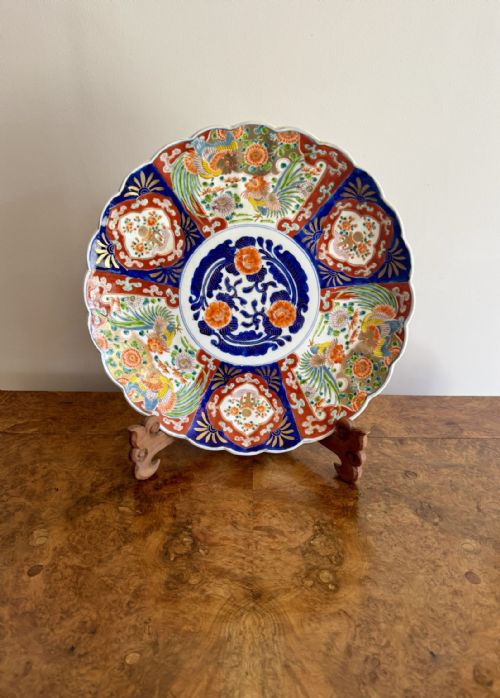
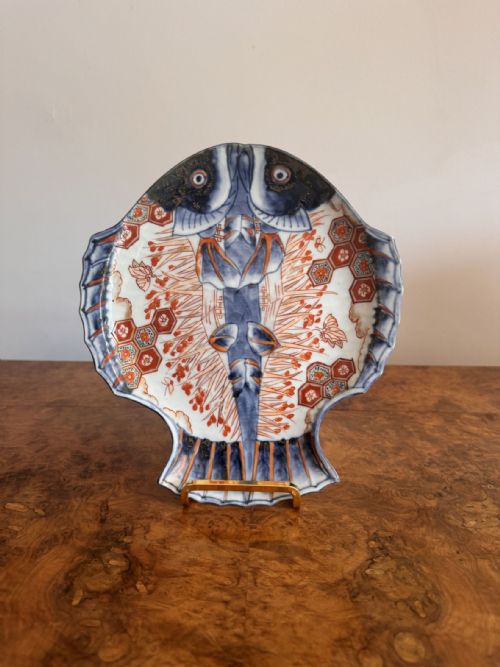
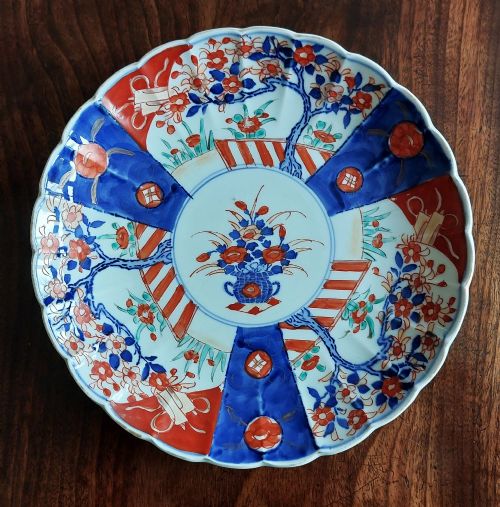
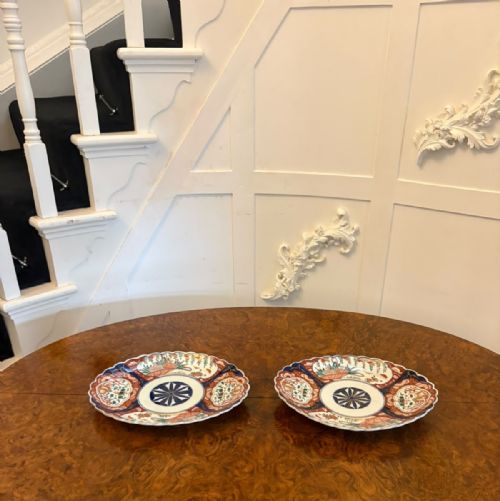
The complexity of the ceramic form also dictates standard, with scalloped edges, moulded shapes like fish or quail patterns, and heavy chargers demonstrating greater technical ambition than standard round plates.
Certain plates abandon circular convention entirely, taking the lively form of a swimming fish ready to leap from the sideboard.
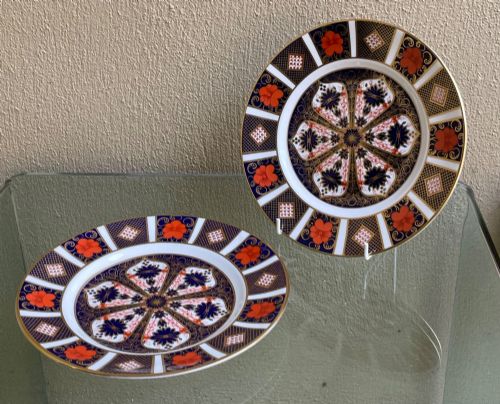
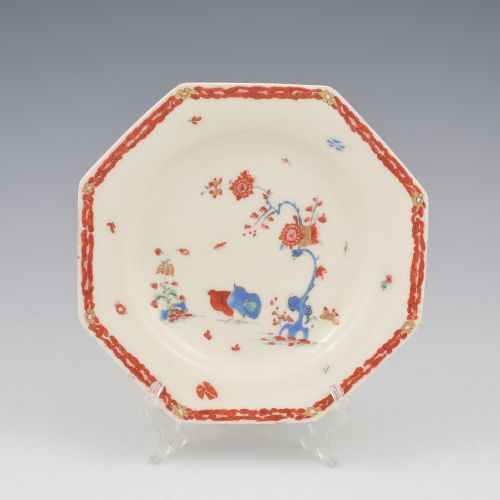
Royal Crown Derby·Chelsea
The Red Porcelain Dishes Glossary
- Imari Style
- A ceramic decoration style originating in Japan, characterised by a palette dominated by underglaze blue, iron red, and gilt highlights. These patterns often depict floral and avian subjects.
- Soft-paste Porcelain
- A ceramic material composed of clay mixed with ground glass and other vitrifiable substances, fired at lower temperatures than true porcelain. It produces a slightly warmer tone and softer glaze appearance.
- Charger
- A large decorative plate or dish utilised primarily for display on walls or sideboards rather than for serving food at table. They measure significantly larger than standard dinner plates.
- Kakiemon
- A style of Japanese enamelled porcelain featuring asymmetrical designs of birds, flowers, and quails in refined iron red, blue, green, and yellow pigments. The palette remains restrained compared to dense Imari patterns.
Red Porcelain Dishes: Frequently Asked Questions
How do I display these dishes safely?
Large chargers and decorative plates suit wall mounting using appropriate brass spring hangers designed for ceramics. Smaller bowls and dishes sit well on stable wooden display stands within cabinets or on mantelpieces.
Avoid placing these items in areas prone to direct sunlight or heavy foot traffic where accidental bumps might occur.
Can I use these for serving food?
Most antique porcelain dishes function primarily as decorative objects rather than utilitarian tableware. Older glazes and iron red enamels can suffer surface wear or chemical alteration from acidic foods and modern dishwashing.
Gentle hand washing in lukewarm water with mild soap suffices if cleaning becomes necessary, avoiding abrasive scourers entirely.
What defines the Imari palette?
The traditional palette relies on a striking combination of underglaze cobalt blue and vibrant iron red enamel. Artisans frequently added gold leaf or gilt details to accentuate the floral and avian motifs.
This high-contrast colour scheme developed in Japanese kilns and was later copied by Chinese and European porcelain factories.
How are different periods identified?
Dating relies on stylistic clues, ceramic bodies, and decorative traits associated with specific eras like the Meiji period or eighteenth-century Qing Dynasty. Japanese pieces from around nineteen hundred often feature crisp Meiji floral work, while earlier Chinese items display Kangxi period characteristics.
Examining the foot ring, glaze texture, and enamel saturation provides further insight into the exact age of each piece.