

Red Persian Tribal Bag
A red persian tribal bag brings nomadic craftsmanship into a modern interior through rich wool and vegetable dyes.
Red Persian Tribal Bag
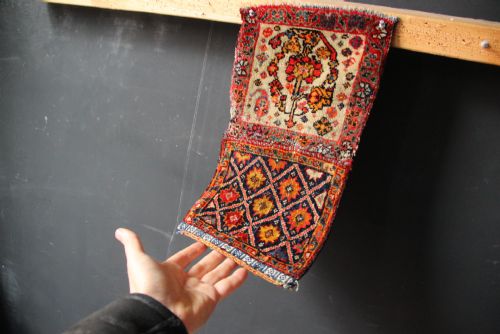
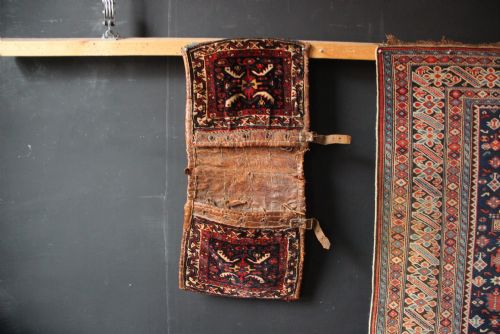
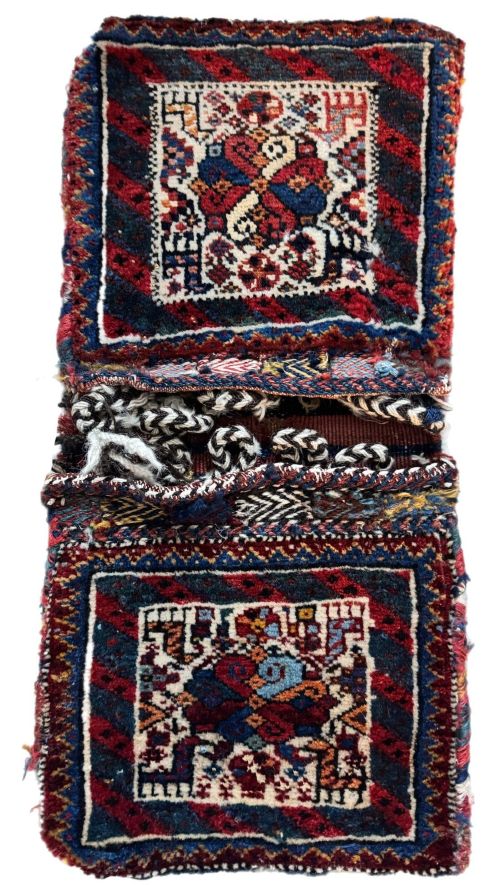
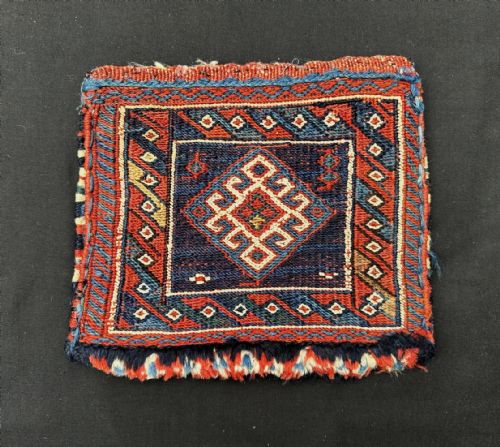
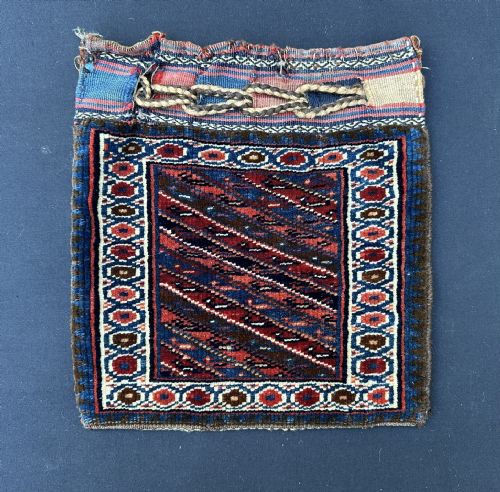
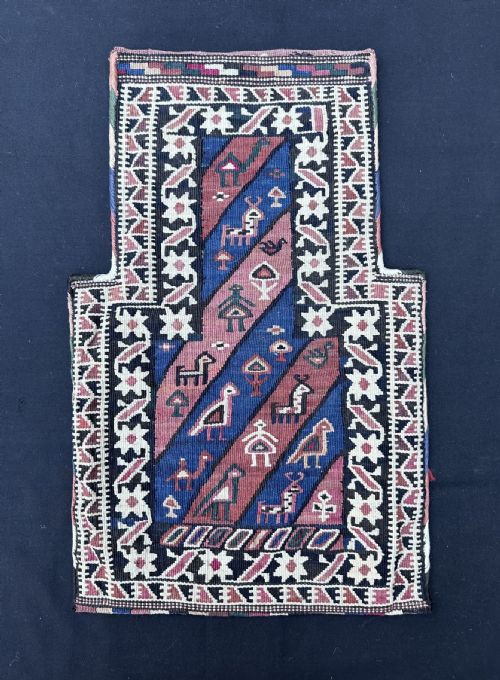
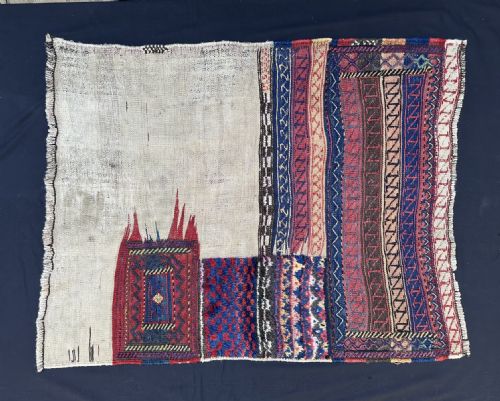
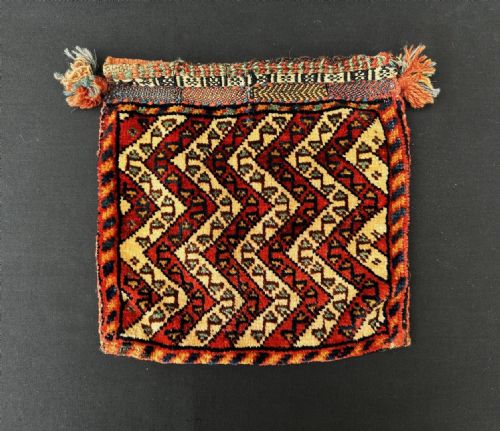
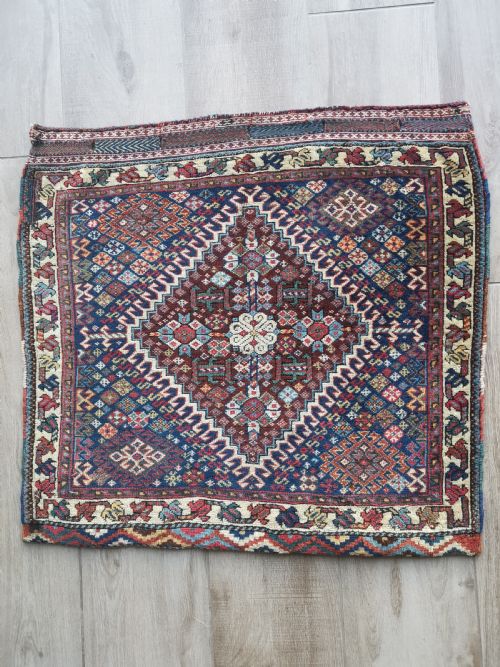
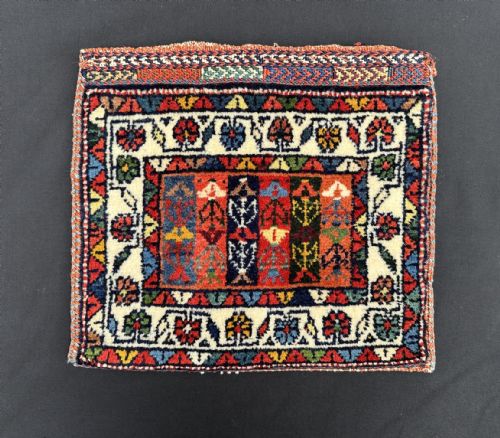
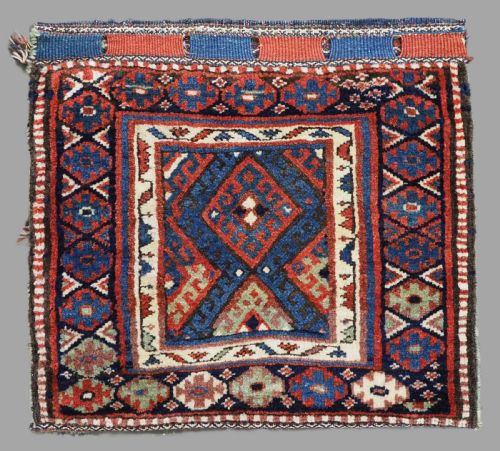
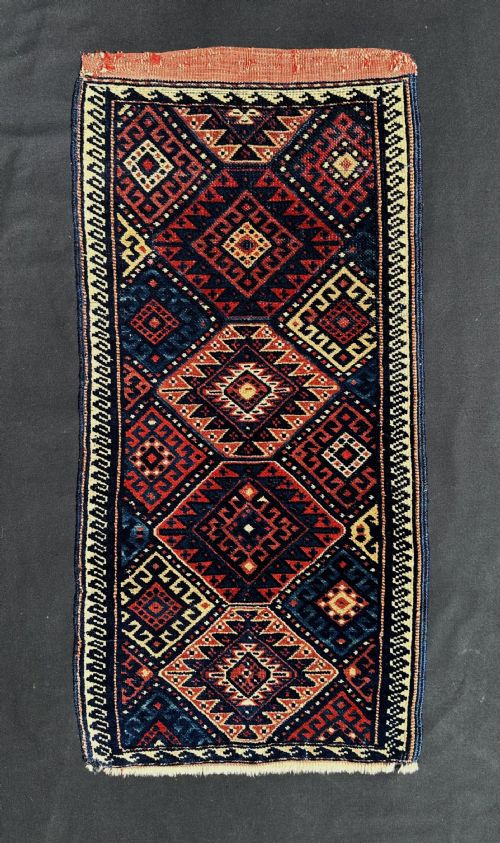
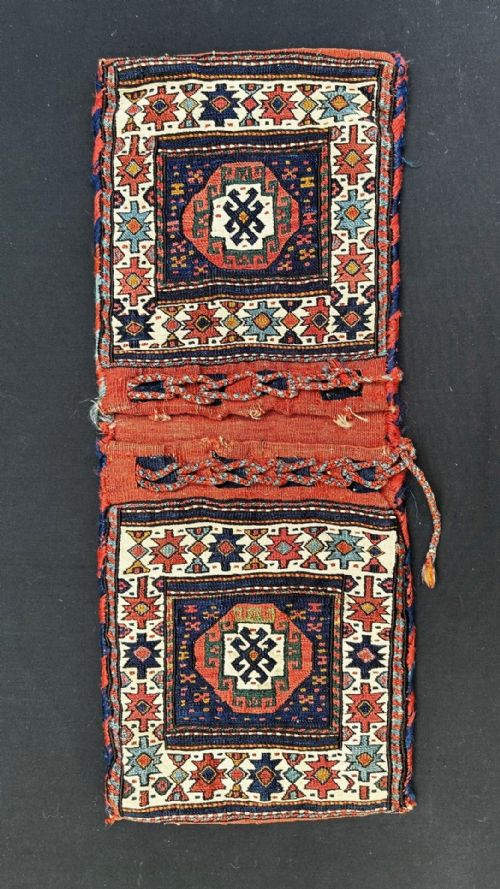
A red persian tribal bag is a woven textile created by nomadic and village confederations across Persia during the nineteenth and early twentieth centuries. These functional pieces include saddlebags, salt bags, vanity bags, and grain sacks made for daily pastoral use.
The objects on this page span several tribal groups, including the Qashqai, Afshar, Bakhtiari, Shahsavan, and Kurdish peoples. Each group utilised distinct regional patterns and weaving structures rooted in their specific migratory heritage.
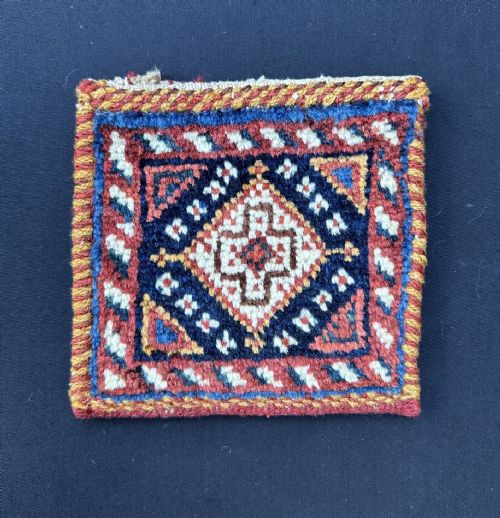
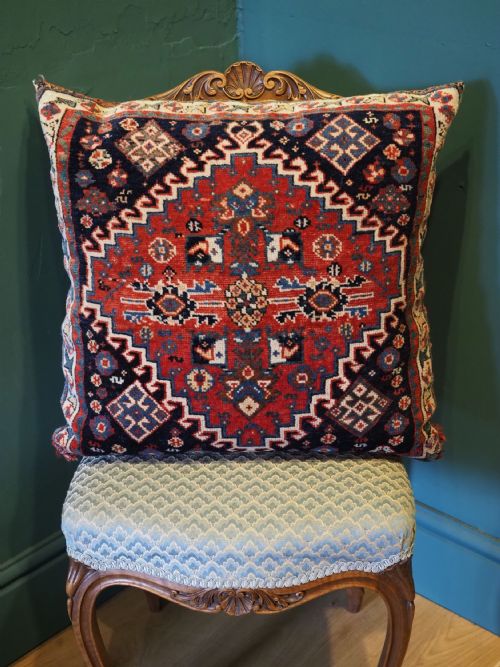
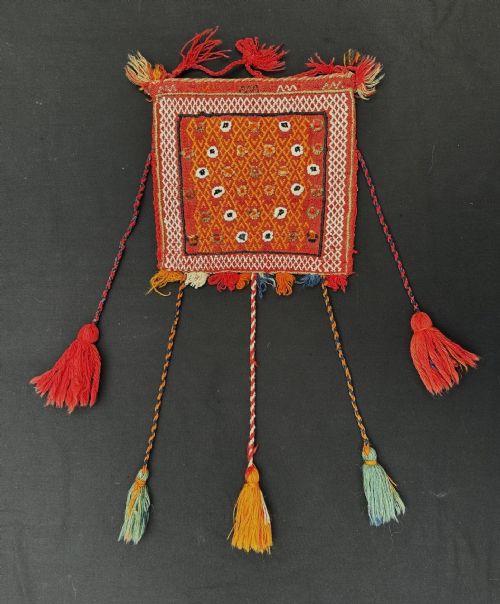
Buyers encounter complete double saddlebags, single bag faces adapted as cushions, and smaller personal pouches known as chantehs. The predominant red tones derive from traditional natural dyeing methods employed by these tribal weavers.
Materials and construction methods
The foundation of a red persian tribal bag relies on hand-spun wool for the pile, supplemented by cotton for structural warps and wefts in certain regional types. Goat hair and leather often reinforce high-wear edges and structural seams.
Weavers employed natural dyes to achieve deep red hues, incorporating supplementary techniques such as sumac work and plain weave alongside knotted pile construction.
Cowrie shells and other nomadic embellishments occasionally appear on specific vanity bags and storage pouches, adding texture to the textile surface.
Red Persian Tribal Bag Retail Price Guide 2026
Typical asking prices for red persian tribal bag among the pieces listed under this phrase on Sellingantiques today, from the lower quarter to the upper quarter. They describe what is for sale here now, not the wider market.
Listings span the nineteenth century through the early twentieth century, showcasing wool, cotton, and natural dyes across various tribal regions.
Assessing quality in nomadic textiles
Quality rests upon the fineness of the spin, the density of the knotting, and the depth achieved through natural dye recipes. Tightly packed structures and resilient hand-spun wool indicate superior craftsmanship.
The complexity of the tribal design and the integrity of the remaining side cords and flatweave backs distinguish standard utility pieces from exceptional examples of nomadic art.
The Red Persian Tribal Bag Glossary
- Khorjin
- A traditional double-sided saddlebag used by nomadic tribes for transporting possessions during migration. These pieces feature two rectangular pouches connected by a central slit web.
- Chanteh
- A small personal vanity bag or pouch woven by tribal groups for carrying small items. They often display intricate miniature versions of larger carpet motifs.
- Sumac
- A flatweave technique wrapping supplementary weft threads around warp threads to create a durable, textured fabric. This structure lacks a cut pile.
- Tacheh
- A large flatwoven grain or wheat sack produced by Lori and Bakhtiari nomads. These textiles served heavy agricultural and storage purposes.
- Balisht
- A small pillow or cushion face utilised inside nomadic tents. They display compressed tribal designs tailored for domestic comfort.
Red Persian Tribal Bag: Frequently Asked Questions
How were these bags used originally?
Nomadic families loaded these bags onto horses, camels, and donkeys to transport personal belongings, grain, and salt across rugged terrain. Smaller pouches held personal items or served as domestic cushions inside tents.
Their sturdy construction of wool, goat hair, and leather withstood the harsh conditions of seasonal migration and camp life.
How do I live with a tribal bag?
These textiles adapt well to modern interiors as wall hangings, table runners, or stuffed cushions. Single bag faces make durable floor displays or decorative accents on furniture.
Protecting the antique wool from direct, harsh sunlight preserves the natural red dyes and extends the lifespan of the textile.
How do I identify different tribal groups?
Tribal attribution relies on specific structural traits, colour palettes, and iconic motifs associated with regions like Fars, Kerman, or Khorassan. Qashqai and Afshar pieces often reveal distinct geometric and boteh layouts.
Examining the side cords, wool texture, and flatweave structures helps narrow down the specific nomadic confederation.