
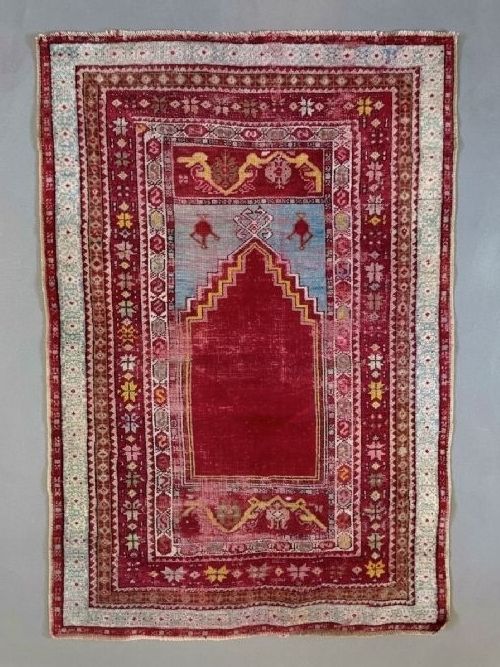
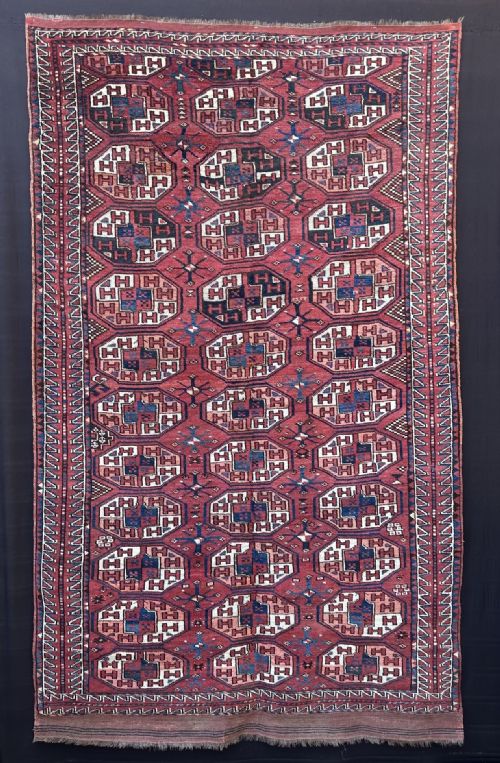


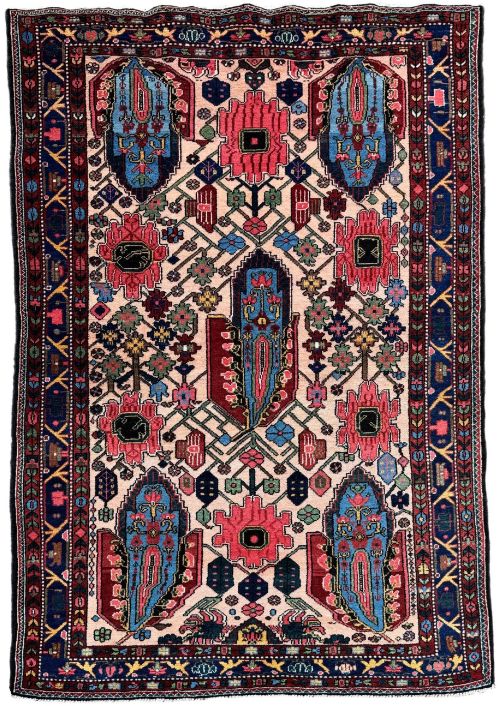
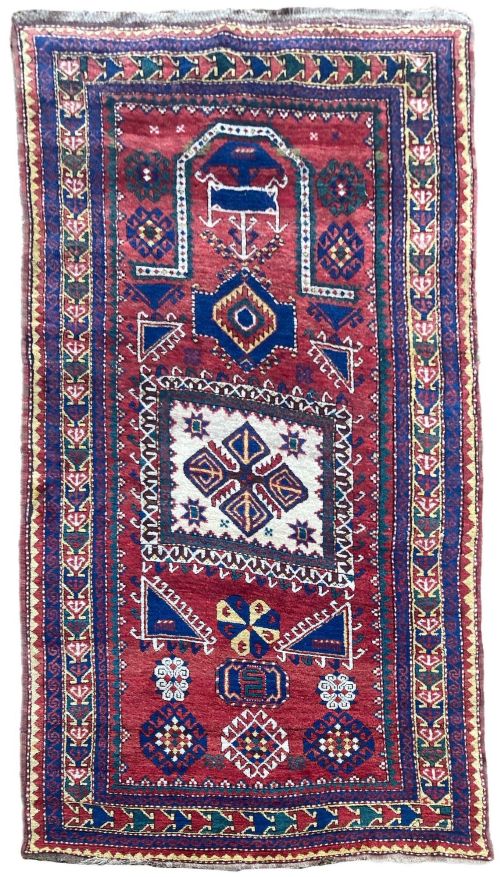
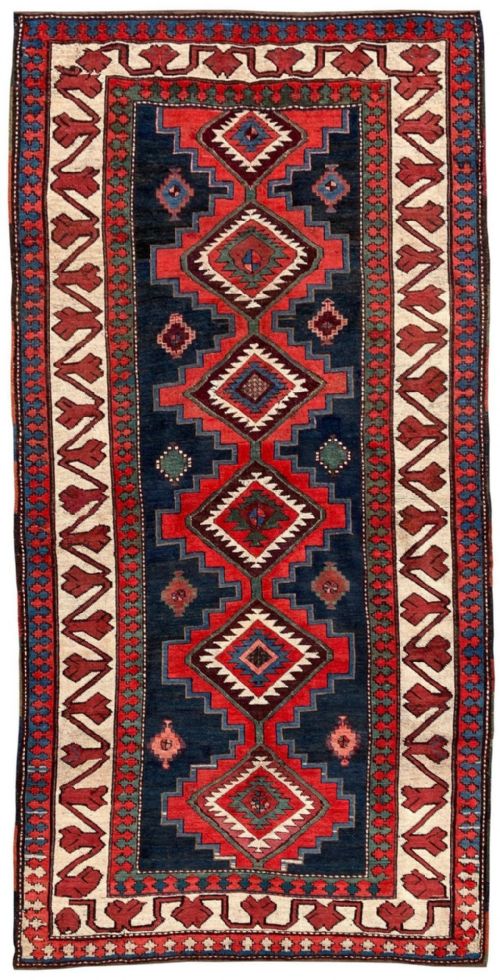
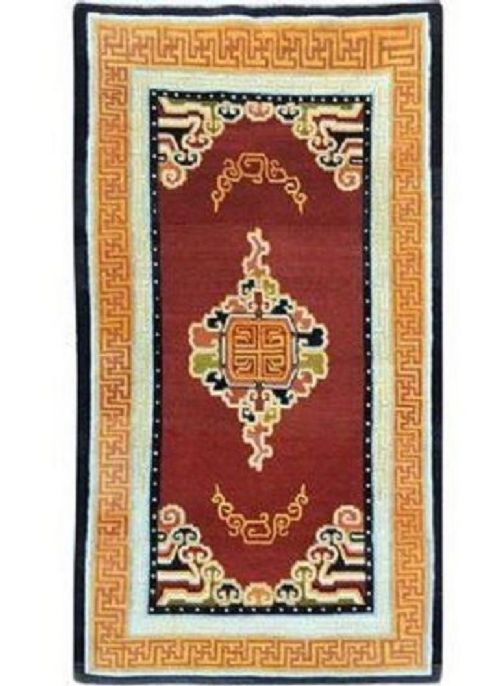
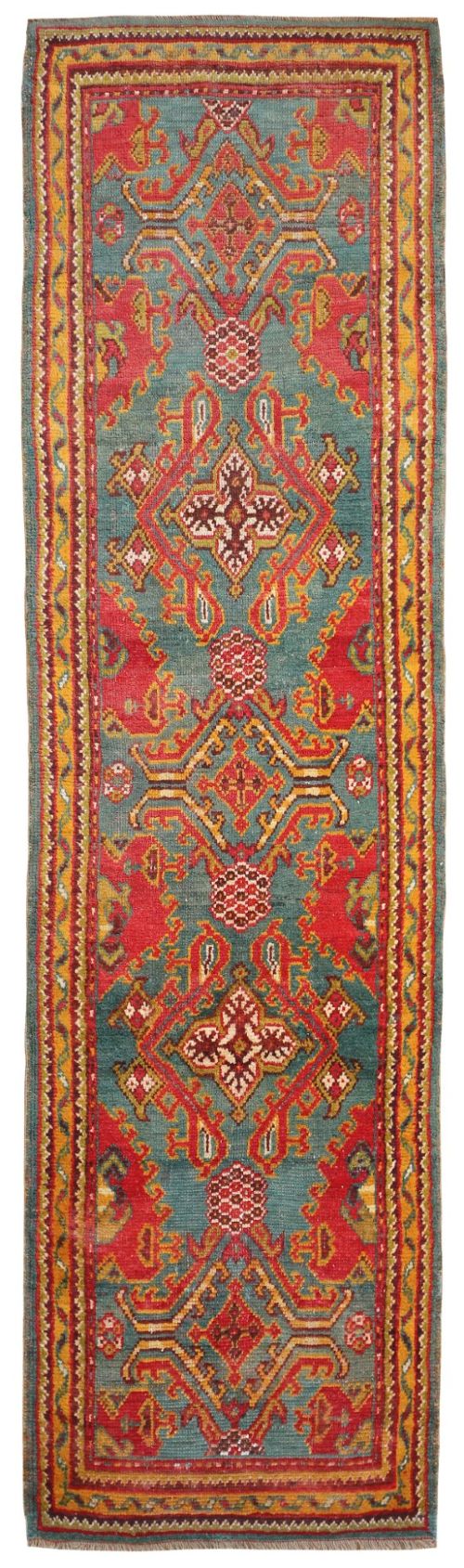
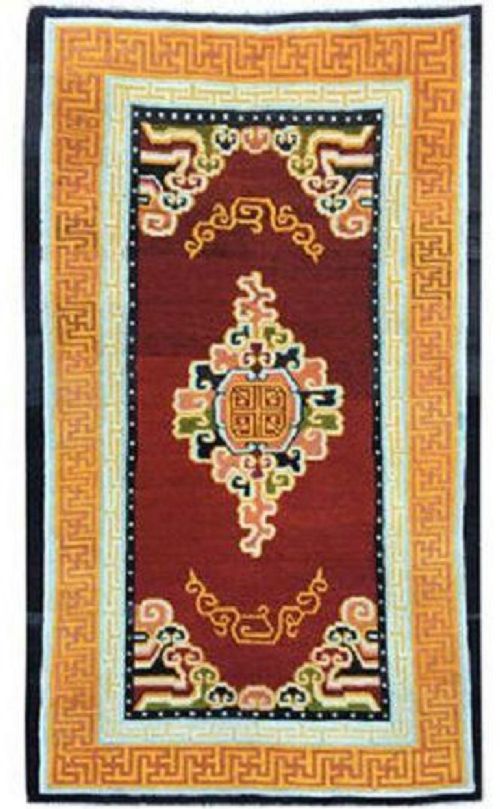
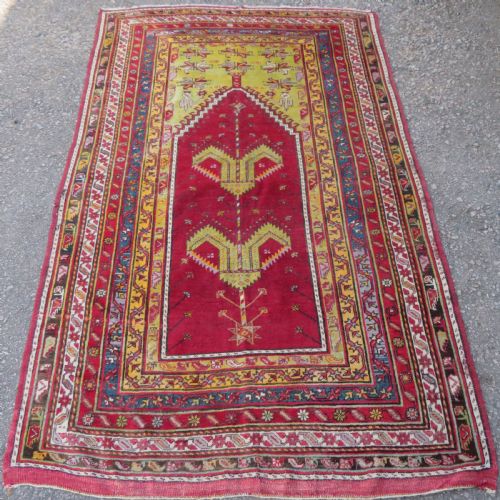
Red Oriental Runner Carpet
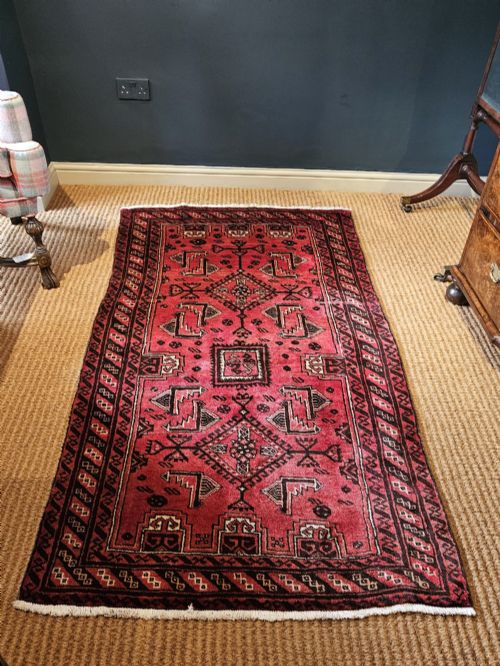
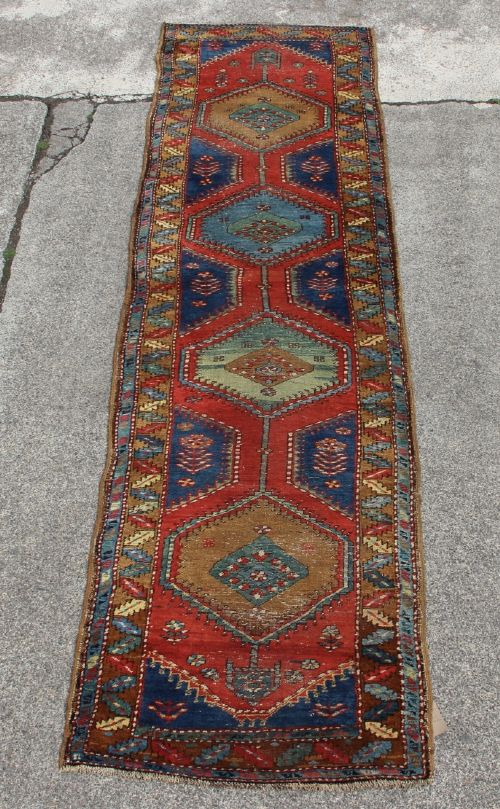
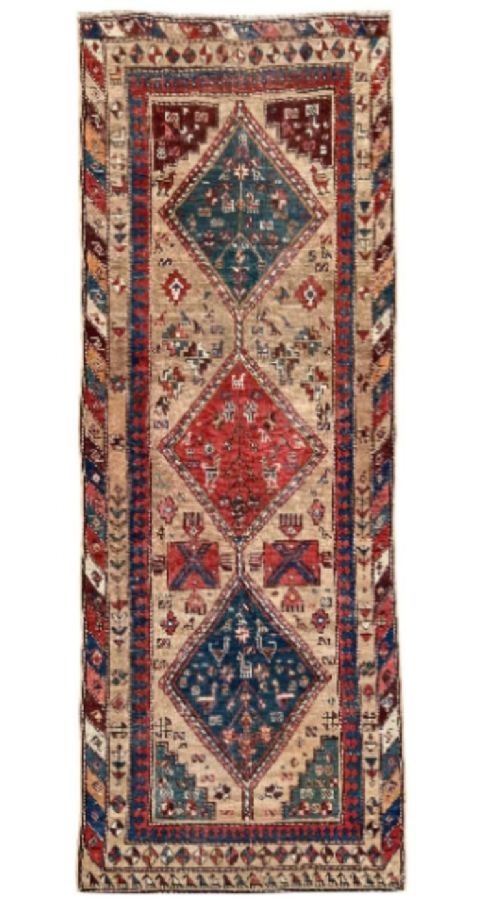
A red oriental runner carpet brings warmth and geometry to a hallway, woven across Persia, the Caucasus, and Anatolia.
Red Oriental Runner Carpet
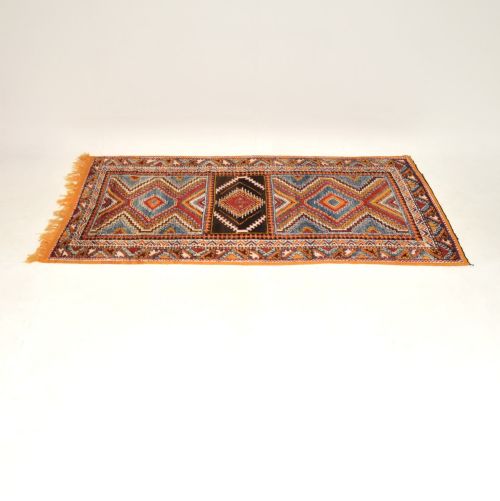
When you search for a red oriental runner carpet, you examine narrow floor coverings woven in regions spanning Central Asia, Turkey, and Persia. These long, linear formats were traditionally utilised in corridors, galleries, and long hallways to protect timber floors while adding rich colour.
The selections available here lean heavily into antique and vintage pieces originating from tribal and village workshops. You will frequently encounter long formats attributed to Heriz, Hamadan, Kazak, and Kurdish weavers dating from the late nineteenth century up through the nineteen-thirties.
How they were made
The pieces recorded in the evidence rely primarily on wool and pure wool foundations and pile, often supported by cotton structural warps and wefts. These natural animal and plant fibres were dyed using traditional methods to achieve the deep reds, rusts, and multicoloured geometric motifs seen across the inventory.
Weavers knotted the pile by hand onto vertical looms, employing structural techniques specific to their tribe or village origin. This manual process produced durable runner rugs capable of enduring decades of heavy foot traffic in domestic hallways.
Materials appearing across the inventory are strictly restricted to wool, pure wool, and cotton.
What varies in quality
The distinction between standard village weaving and the finest examples lies in the precision of the knotting and the complexity of the design. Denser pile density and finer yarn preparation allow intricate lattice patterns and medallion details to remain crisp and clear over time.
Condition and integrity also drive the standing of a runner, distinguishing evenly worn originals from heavily distressed pieces. The handling of the natural dyes and the crispness of the tribal wool directly influence the visual impact of the rug.
The Red Oriental Runner Carpet Glossary
- Runner
- A long, narrow carpet format designed specifically for corridors, hallways, and stairs. These pieces measure significantly longer than they are wide.
- Pile
- The upright yarn loops or cut ends that form the soft upper surface of the carpet. This layer bears the brunt of daily foot traffic.
- Warp
- The vertical threads stretched tightly on the loom before knotting begins. These foundational cords run the entire length of the carpet.
- Weft
- The horizontal threads passed across the warp threads between rows of knots. They bind the structure together firmly from side to side.
Red Oriental Runner Carpet: Frequently Asked Questions
Where should I place a long runner?
These narrow formats suit hallways, corridors, and landings where floor space is elongated. They provide underfoot comfort while defining linear architectural pathways.
Ensure you measure your passage carefully, leaving equal margins of exposed timber or stone on either side of the rug.
How do I clean an antique wool runner?
Gentle regular vacuuming without a rotating brush roll prevents dust from settling deep into the wool pile. Address spills immediately by blotting with a dry cloth rather than rubbing.
Professional specialist cleaning is recommended for deep maintenance to protect natural dyes.
Are these carpets made from pure wool?
The materials recorded across these listings consist primarily of wool, pure wool, and cotton foundations. Natural animal fleece provides resilient wear and rich texture.
Cotton is frequently utilised for the underlying warp and weft threads to maintain structural stability.
How can I tell tribal rugs apart?
Different weaving regions utilise distinct geometric symbols, medallion layouts, and colour palettes. Caucasian pieces often display sharp geometric polygons, whereas Persian village runners favour complex floral lattices.
Examining the knotting style and wool texture reveals clues about the specific tribal origins.