

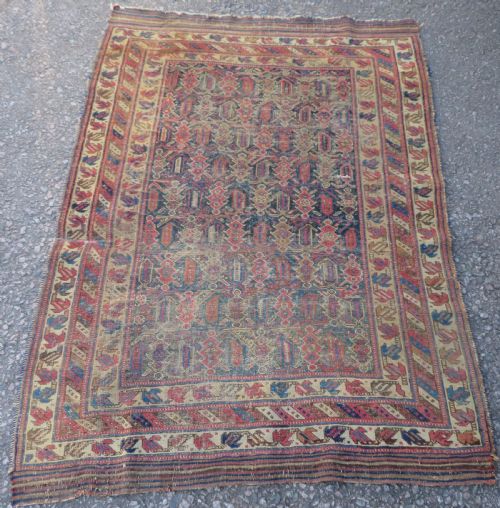
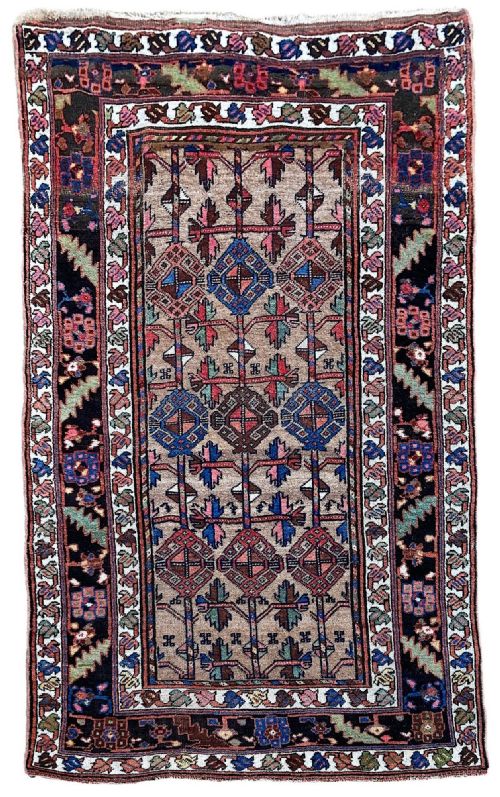
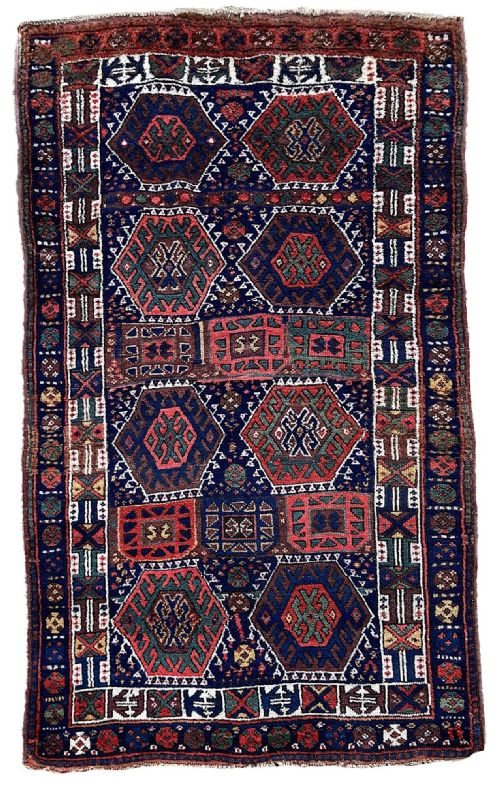


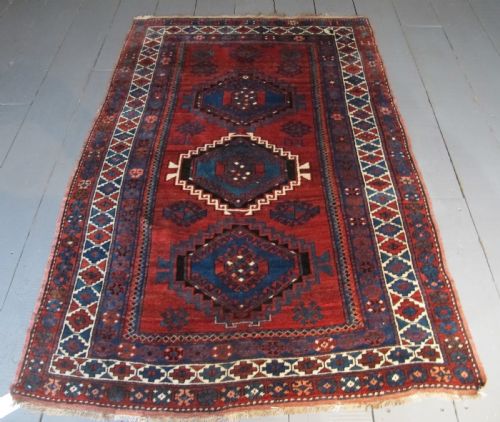


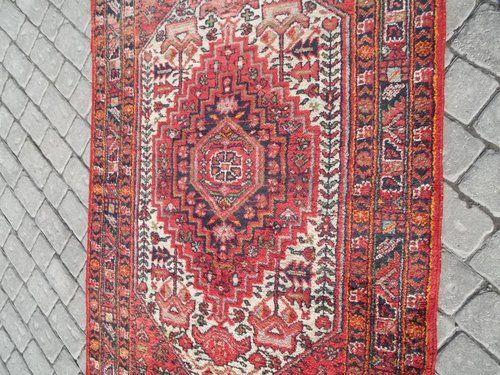
Authentic Hand Woven Runner
These authentic hand woven runner examples bring genuine tribal character to a hallway, formed through decades of traditional craft.
Authentic Hand Woven Runner
An authentic hand woven runner provides a long, narrow format suited to corridors and stairwells, originating primarily from village and tribal workshops. When exploring this selection, buyers encounter traditional Persian, Caucasian, and Anatolian styles spanning the late nineteenth and early twentieth centuries.
The pieces listed here showcase regional designs passed down through generations of weavers, utilising distinct geometric and medallion motifs. Most examples emerge from periods between eighteen eighty and nineteen thirty, reflecting the enduring traditions of nomadic and settled weavers alike.
Materials and construction
These textiles rely principally on wool and cotton foundations, with hand-spun wool providing the durable pile required for heavy foot traffic. Weavers knot the fibres by hand onto warp and weft threads, creating a dense structure that holds its form over generations.
Natural dyes impart the rich colour palettes seen across these pieces, deriving from local plants and minerals rather than synthetic compounds. This traditional dyeing method ensures that tones age gracefully, developing a soft patina with time.
Listings span the nineteenth century up to nineteen thirty, drawing on wool, cotton, and hand-spun wool with natural dyes.
Distinctions in quality
Knot density and structural tightness set finer examples apart, determining how sharply defined the geometric motifs appear on the surface. Tightly packed piles resist wear more effectively, preserving the integrity of the design across the length of the piece.
The depth and harmony of the natural dyes distinguish superior specimens, as skilful colour work creates rich visual movement across the field. Consistency in the hand-spinning of the wool and the trueness of the straight edges also reflect the weaver's precision.
The Authentic Hand Woven Runner Glossary
- Warp
- The vertical threads stretched lengthwise on a loom before the weaving begins. These form the foundational skeleton of the textile.
- Weft
- The horizontal threads passed back and forth through the warp to lock the knots in place. This gives the runner its structural stability.
- Natural Dyes
- Colourants extracted from plants, insects and minerals rather than chemical laboratories. They yield organic tones that soften gracefully.
- Nomadic
- Weavings produced by migrating tribal groups rather than fixed village workshops. These pieces often feature spontaneous, memory-based designs.
Authentic Hand Woven Runner: Frequently Asked Questions
How do I clean an old wool runner?
Gentle surface brushing and professional dusting maintain the fibres without damaging the delicate natural foundation. Avoid harsh chemical cleaners and excessive water.
Regular light vacuuming without a beater bar prevents dust accumulation between the hand-spun wool knots.
Where should I place a long runner?
Narrow hallways, long corridors, and wide staircases provide the ideal architectural setting for these elongated formats. Their proportions guide the eye through transitional spaces.
Placing an appropriate rug underlay beneath the textile prevents slipping and reduces friction against hard flooring.
How can I tell a tribal design apart?
Tribal designs tend to feature bolder geometric medallions, stylized animal motifs, and spontaneous colour shifts executed from memory. Village and nomadic weavers worked without rigid paper cartoons.
Formal city workshops produced more symmetrical, curved floral patterns with strict mathematical precision.
Do natural dyes fade in sunlight?
Direct, harsh sunlight can alter organic tones over extended periods, though natural dyes generally mellow into pleasing secondary shades rather than washing out entirely. Rotating the piece occasionally balances exposure.
Placing the runner away from intense south-facing windows preserves the original saturation of the wool.