


Red Oriental Corridor Rug
A red oriental corridor rug brings warmth and linear rhythm to a hallway, drawn from traditions across Persia, the Caucasus and Anatolia.
Red Oriental Corridor Rug
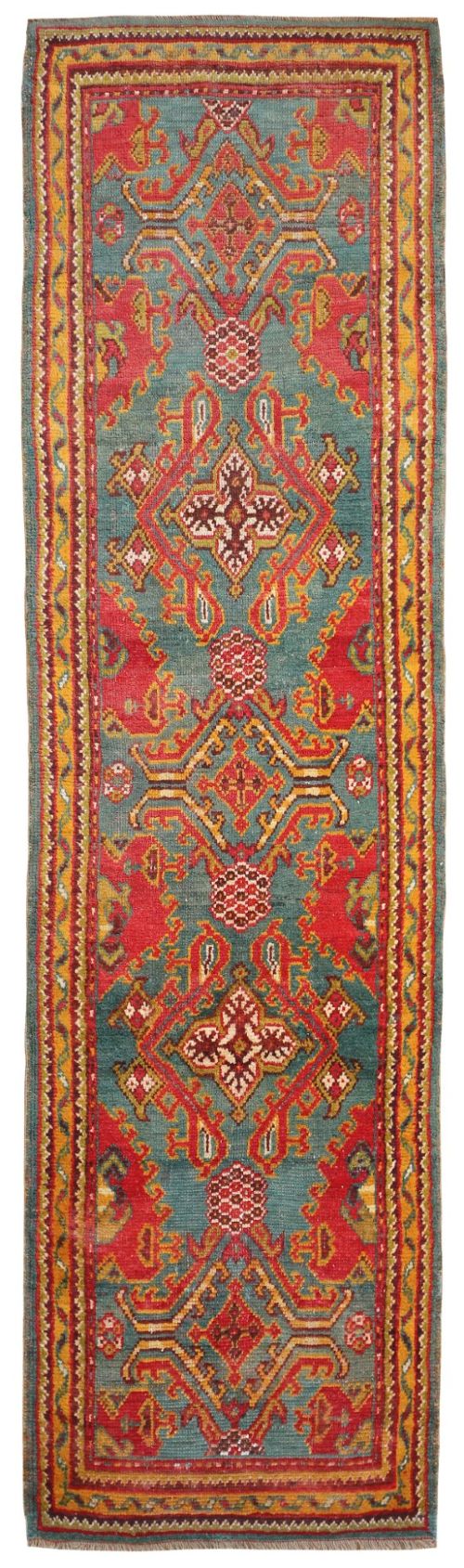
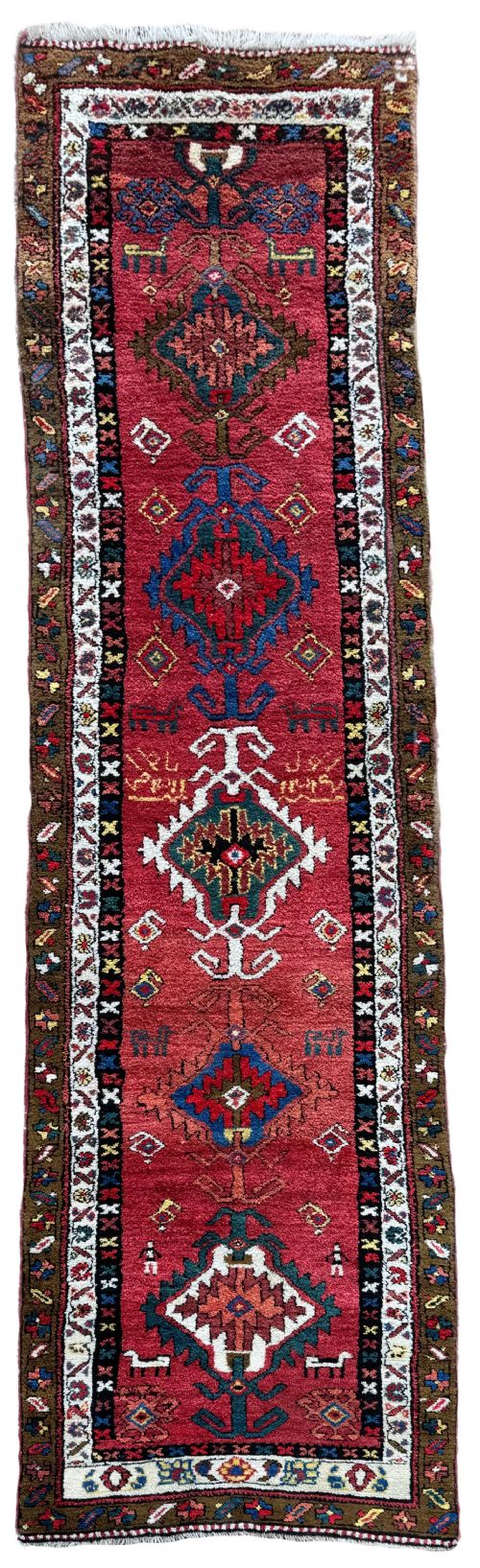
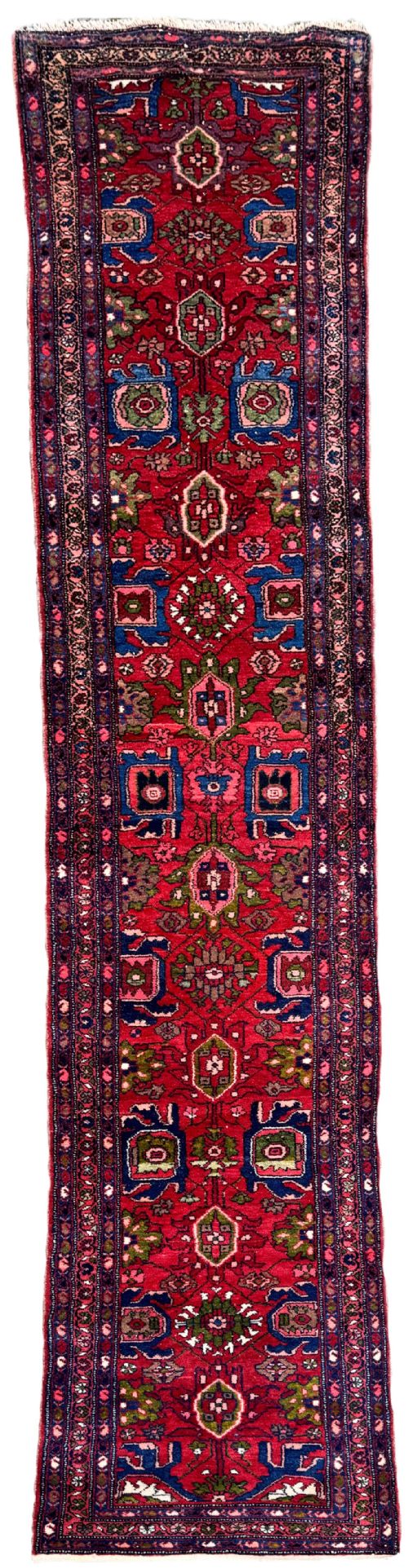
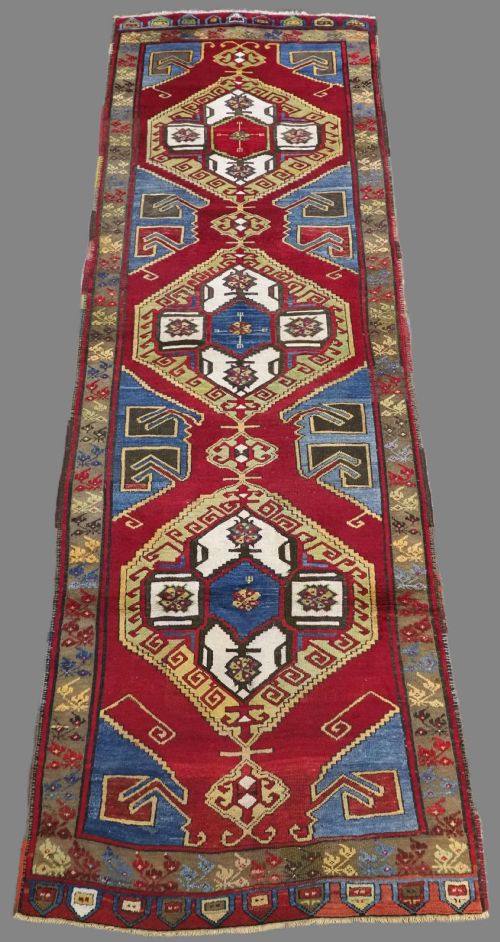
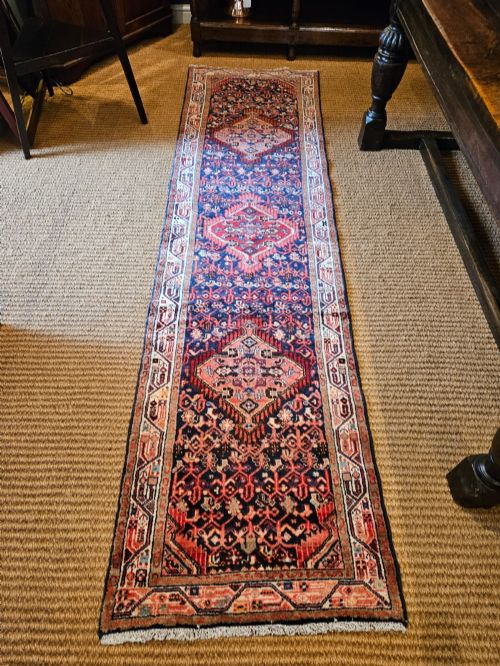
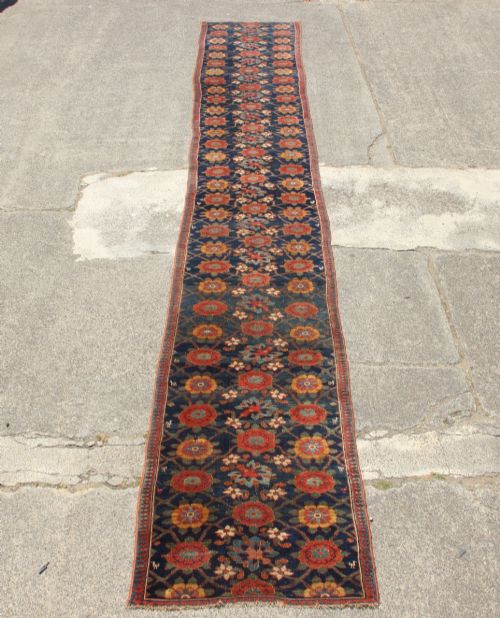
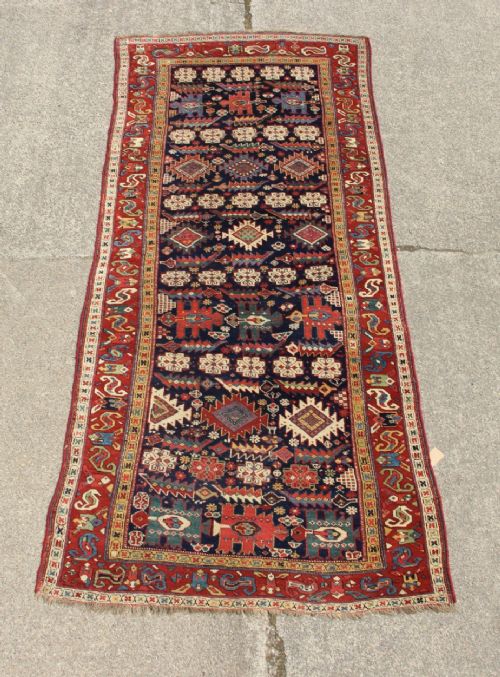
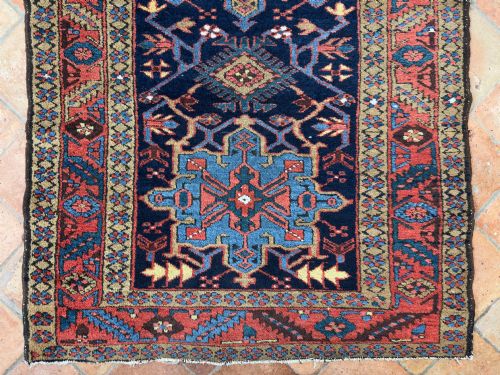
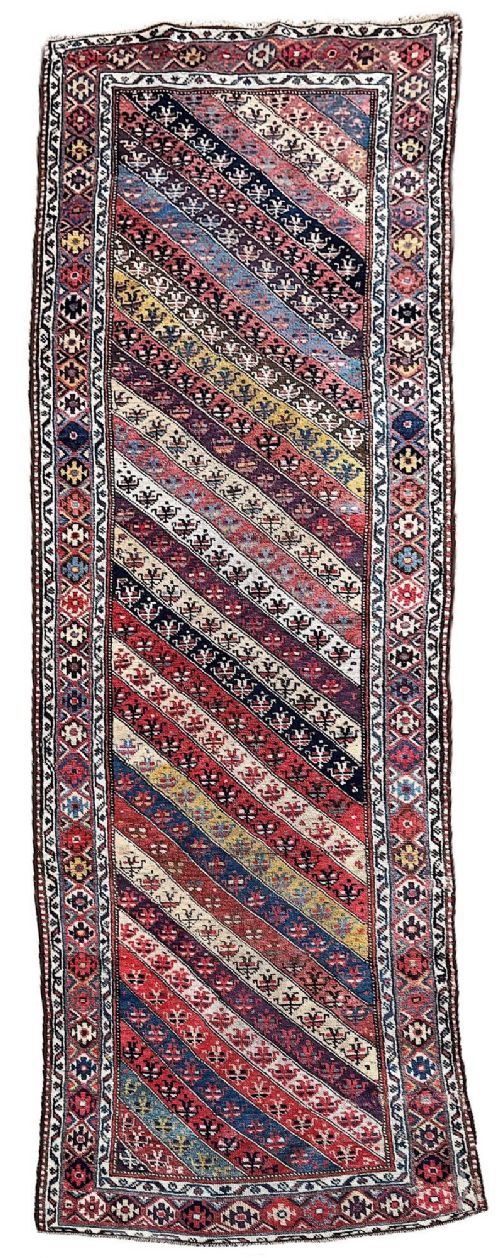
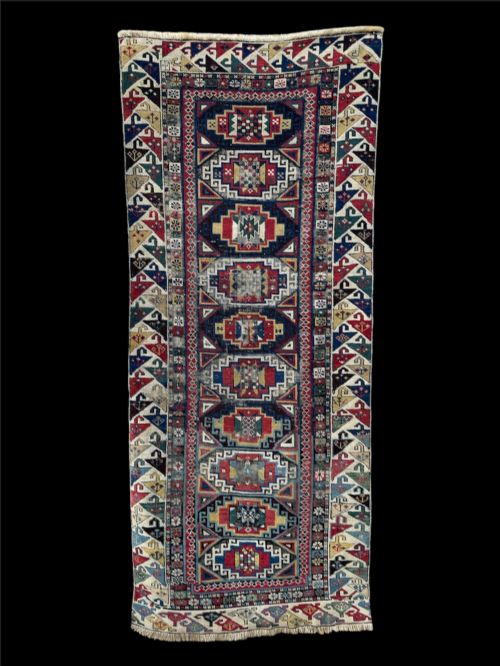
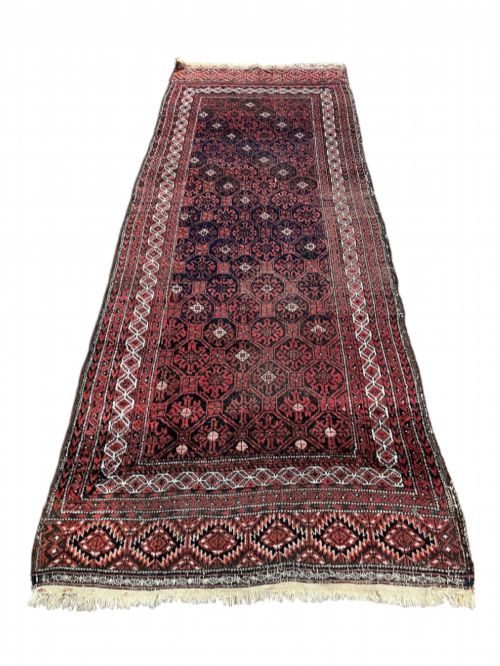
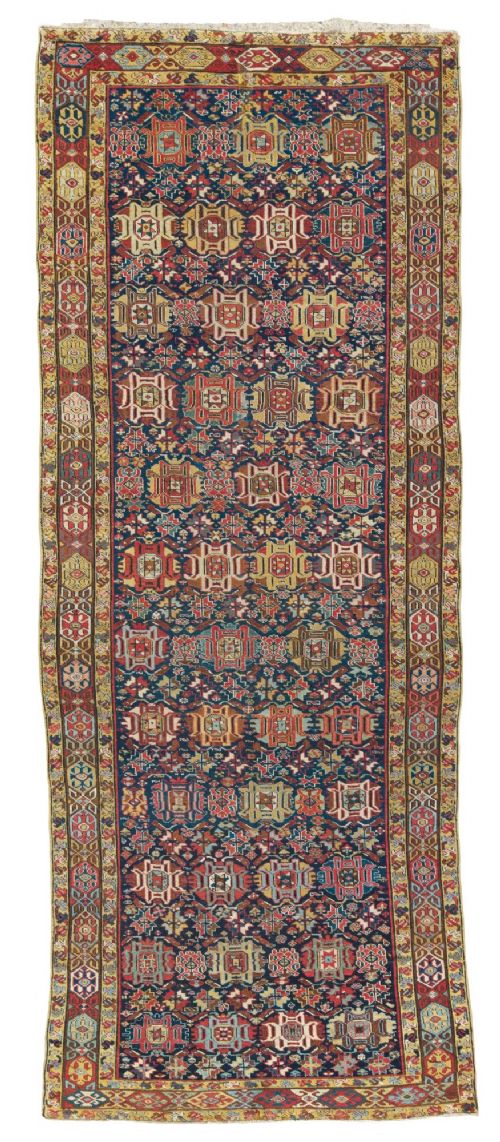
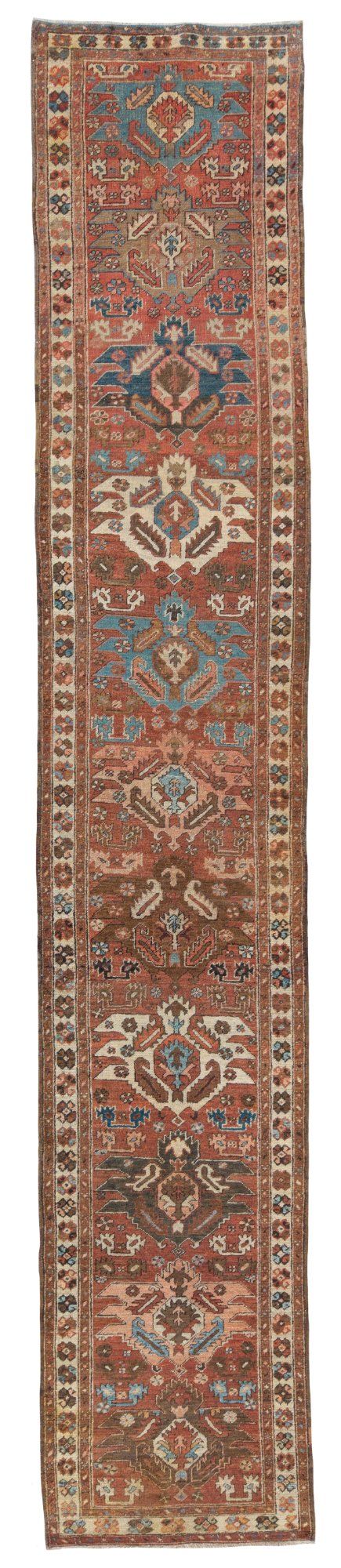
A red oriental corridor rug is an elongated floor covering designed specifically for narrow spaces like hallways, landings and corridors. When searching for this phrase, a buyer encounters pieces originating from traditional weaving regions including Persia, Turkey and the Caucasus. These textile formats vary from narrow gallery runners to broader kelleh proportions.
The selections available span the late nineteenth century and the early decades of the twentieth century, with pieces dated from eighteen fifty up to nineteen twenty. Tribal and village workshops produced the majority of these examples, employing enduring geometric and stylised floral motifs. Common regional attributions include Heriz, Hamadan, Kurdish, Kazak and Shirvan village traditions.
Runners frequently reach lengths exceeding three metres while maintaining narrow widths suited to passage spaces. The predominant red palette unites diverse nomadic and village designs, offering a strong visual anchor for long architectural layouts. Such pieces combine utility with regional artistic heritage.
How They Were Made
Weavers constructed these runners using wool piles knotted onto cotton or wool foundation warps and wefts. Many earlier examples incorporate hand-spun wool, yielding variable yarn textures and subtle tone shifts across the surface. Natural dyestuffs supplied the characteristic madder reds alongside darker indigo blues and ivory highlights.
Nomadic and village weavers worked on vertical or horizontal looms set up in homes and tribal camps rather than large urban factories. This method allowed for spontaneous design adjustments and individual stylistic interpretations within established regional patterns.
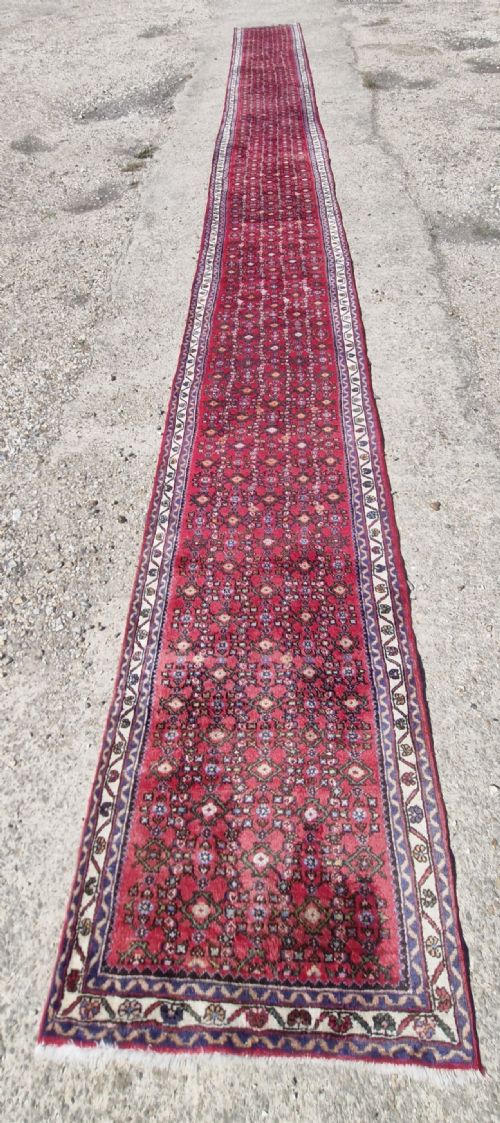
One remarkably long hall runner stretches to thirty-two feet, requiring an entire architectural vista just to admire it.
What Varies in Quality
Quality rests upon the density of the knotting and the crispness of the drawing within the field. Tighter foundations support finer detail in geometric medallions and border guards, separating village works from coarser tribal efforts.
The handling of wool and the integrity of the natural dyes dictate the visual depth of the red ground. Hand-spun yarns take dye with subtle variations that impart a rich, shifting patina across the corridor.
Proportion and structural alignment also separate examples, as hand-woven runners can display natural irregularities in straightness along their long edges. Greater discipline in the loom work maintains a truer line down an extended hallway.
The Red Oriental Corridor Rug Glossary
- Runner
- A long, narrow carpet format intended for hallways, passages and corridors. It guides movement through domestic spaces.
- Kelleh
- A larger format rug, broader than a standard runner yet longer than a square carpet. It often serves major reception rooms or wide halls.
- Warp
- The vertical foundation threads stretched tightly on the loom before knotting begins. The fringe typically forms from these exposed ends.
- Weft
- The horizontal threads passed between rows of knots to secure the pile in place. They bind the structure laterally.
- Madder
- A natural red dye derived from the root of the rubia plant. It provides the foundational crimson tones seen across oriental weaving regions.
Red Oriental Corridor Rug: Frequently Asked Questions
How do I place a long runner in a narrow hall?
A corridor rug needs clearance along the skirting boards to let the surrounding flooring frame the piece properly.
Keep doors opening over the runner to a minimum so the pile avoids friction wear in high-traffic zones.
How do I tell a Kurdish runner from a Shirvan piece?
Kurdish pieces often display heavier wool and earthier red tones with tribal motifs tied to western Persian traditions.
Shirvan runners originate in the Caucasus and typically present crisper geometric medallions with ivory and blue contrasts on red grounds.
Are these rugs suitable for heavy daily foot traffic?
Village and nomadic runners utilised sturdy wool piles built for utilitarian domestic service in active households.
Using a quality underlay beneath the rug prevents sliding and cushions the foundation against hard flooring.
How should I clean an antique wool runner?
Regular gentle vacuuming without a rotating power brush removes surface grit from deep within the wool pile.
Professional specialist cleaning remains necessary for deeper washing to protect natural dyes and historical wool structures.