


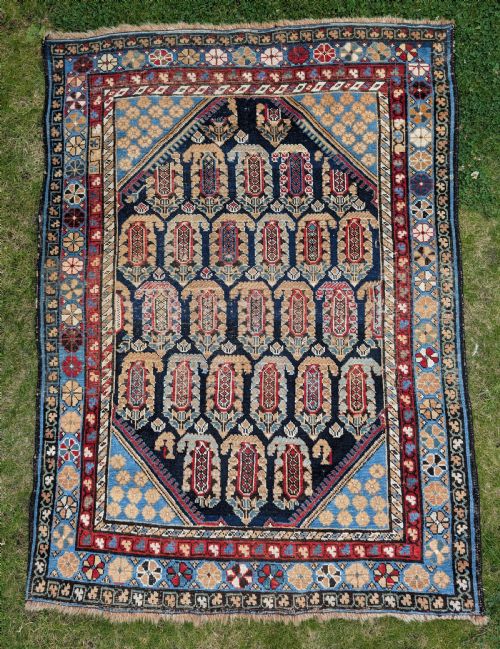
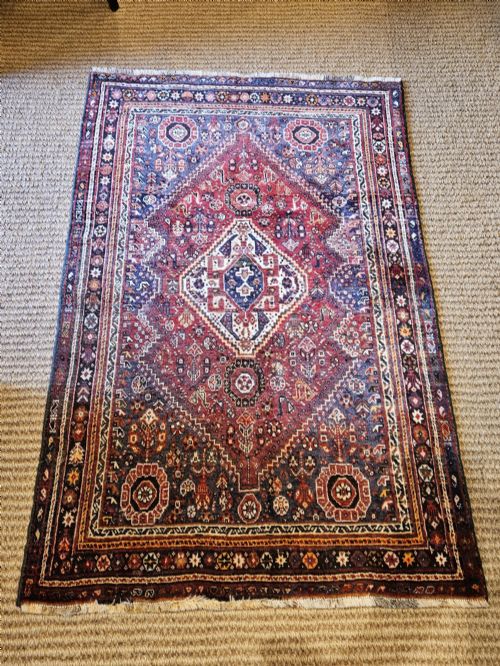
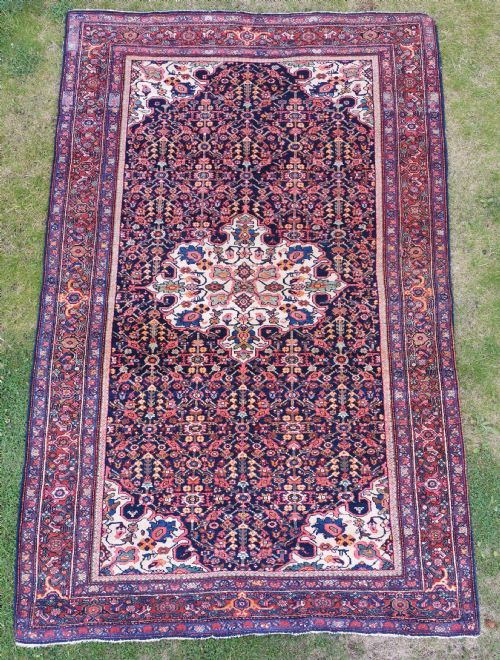
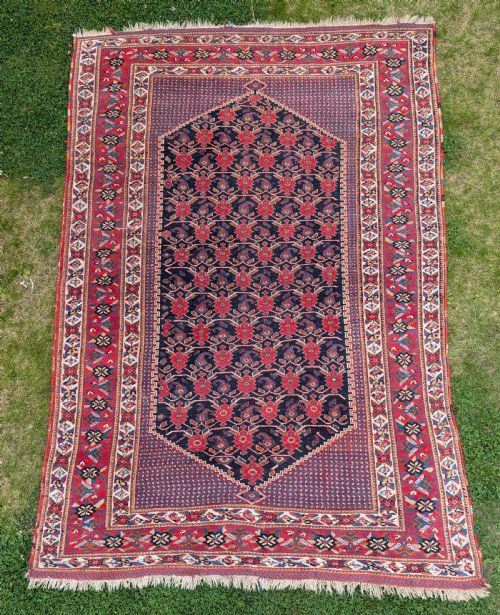
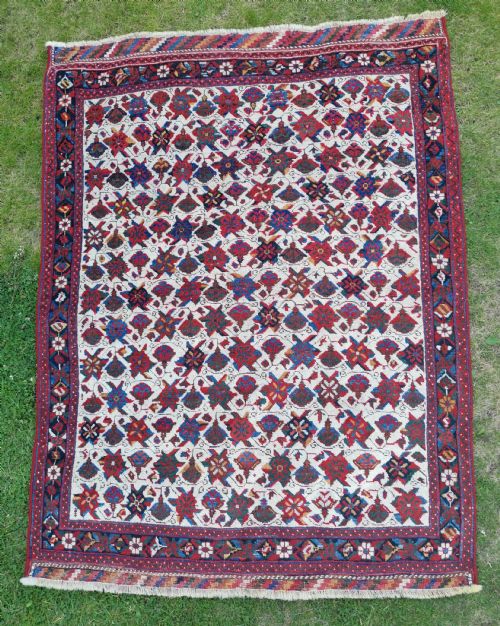
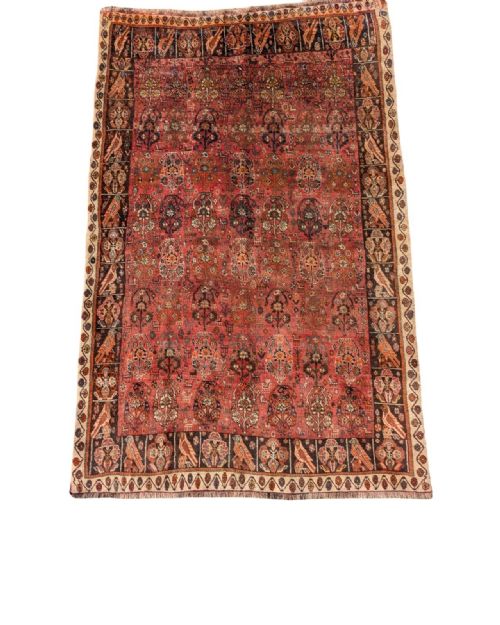
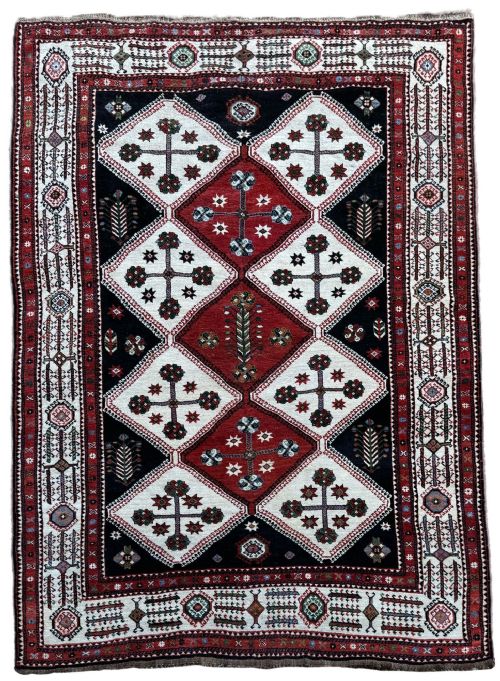
Red Navy Wool Carpet
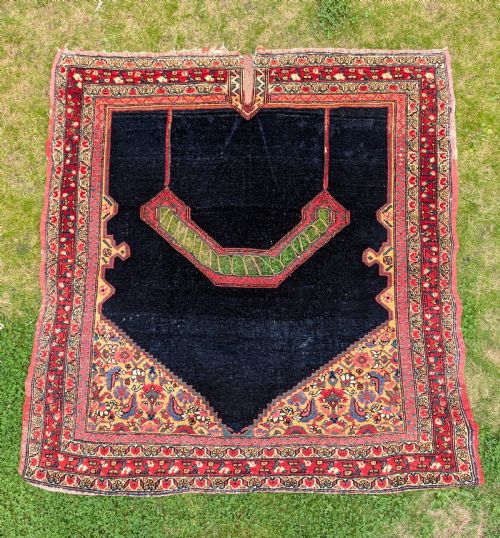
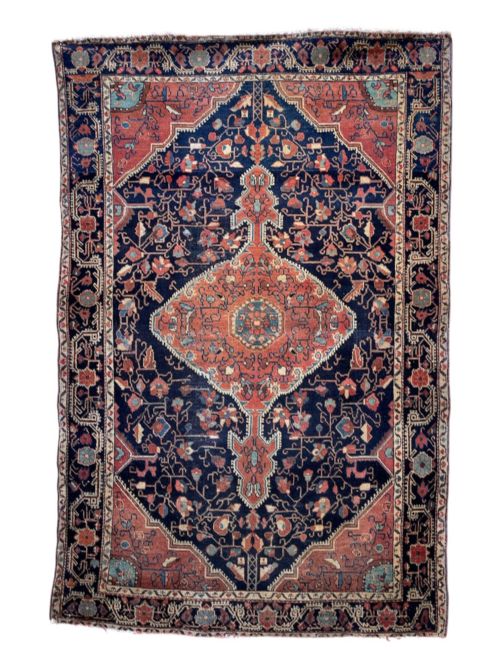
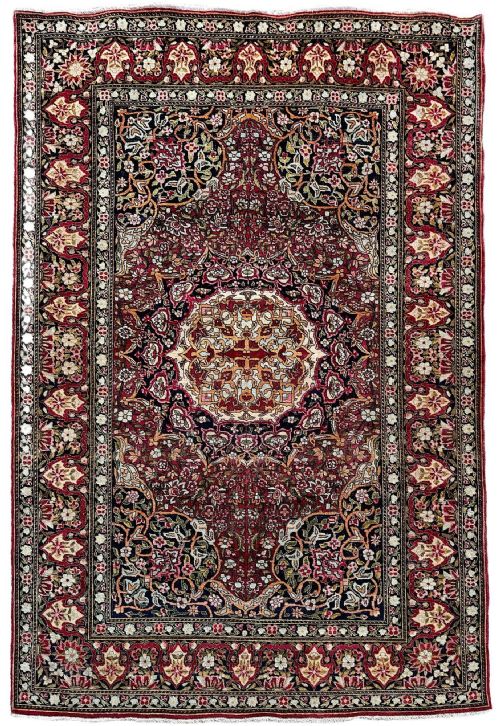
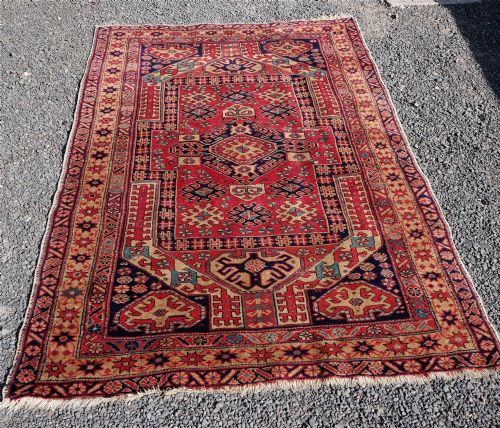
These red navy wool carpet examples span tribal and traditional Persian designs, bringing rich colour and pattern into a room.
Red Navy Wool Carpet
A red navy wool carpet groups together hand-knotted floor coverings spanning the nineteenth and twentieth centuries, originating primarily from Persian workshops and tribal regions. Buyers exploring this category encounter room-sized carpets, runners, smaller area rugs, and occasional saddle covers or cushions.
The inventory demonstrates substantial variety in format and regional provenance, ranging from large Heriz and Fereghan carpets to smaller Baluch, Afshar, and Khamseh tribal pieces. These textiles function as durable floor coverings and decorative focal points within traditional and eclectic interiors.
Materials and Construction
Construction relies heavily on natural wool, supplemented by cotton foundations in many traditional city carpets and occasional use of silk highlights. Artisans tied hand-knotted piles onto warp and weft threads, creating dense surfaces designed to withstand generations of daily use.
Dye methods utilise traditional natural colourants that yield deep tones of red and navy, often complemented by secondary shades of rust and ivory. The resulting textiles exhibit varied pile depths and knot densities depending on whether they were woven in urban workshops or village tents.
Red Navy Wool Carpet Retail Price Guide 2026
Typical asking prices for red navy wool carpet among the pieces listed under this phrase on Sellingantiques today, from the lower quarter to the upper quarter. They describe what is for sale here now, not the wider market.
The selection includes pieces spanning from the mid-nineteenth century through to the mid-twentieth century, constructed in wool, cotton, and silk.
Assessing Quality and Execution
Quality in these carpets rests upon the precision of the knotting, the fineness of the wool, and the complexity of the geometric or floral medallion design. Tightly packed knots allow intricate patterns to remain crisp and defined over decades of foot traffic.
The integrity of the foundation and the balance of the natural dyes further separate standard village output from exceptionally fine city or workshop productions. Well-preserved edges and original borders also contribute significantly to the standing of an individual piece.
The Red Navy Wool Carpet Glossary
- Medallion
- A central ornamental motif found in the field of many Persian and tribal carpets. This focal design often dictates the symmetry of the surrounding pattern.
- Runner
- A long, narrow carpet format designed specifically for hallways, corridors, or alongside beds. These pieces typically display repeating geometric or floral motifs.
- Prayer Rug
- A smaller rug featuring a mihrab or arch design, historically utilised for individual daily prayers. The niche points toward Mecca during use.
- Knot
- The individual loop of wool or silk tied onto the warp threads to form the pile of the carpet. Higher knot counts generally permit greater detail in the design.
Red Navy Wool Carpet: Frequently Asked Questions
How do I clean a wool carpet?
Regular gentle vacuuming without a beater bar removes loose surface dust without damaging the hand-knotted pile.
Professional specialist cleaning is recommended for deep washing to protect the natural wool and traditional dye colours.
Are these carpets suitable for hallways?
Many examples on this page are produced in runner formats specifically suited for narrow spaces and high-traffic corridors.
Placing an appropriate underlay beneath the textile prevents slipping and cushions the wool against hard stone or wooden floors.
How do I identify a tribal rug?
Tribal pieces often display bolder geometric patterns, asymmetrical elements, and simpler colour palettes derived from nomadic weaving traditions.
Village and tribal rugs frequently feel heavier and exhibit slightly less rigid symmetry compared to formal city workshop carpets.
What is a mihrab design?
A mihrab represents an arched architectural niche that directs the focus of a prayer rug toward Mecca.
This distinct pointed arch motif is a defining characteristic of prayer rugs across various nineteenth and twentieth-century traditions.