


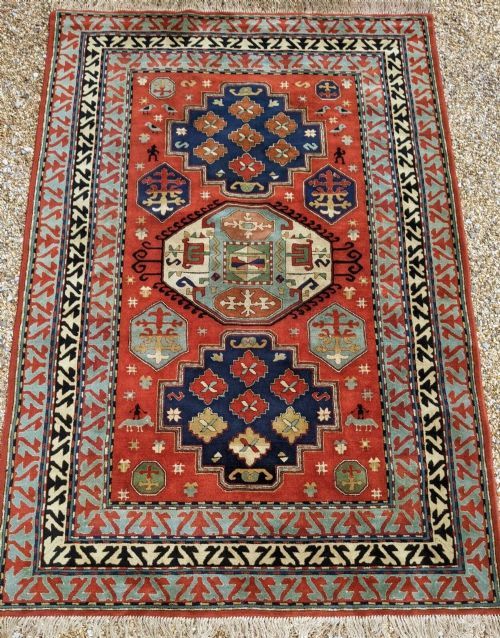
Red Navy Tribal Carpet
A red navy tribal carpet brings rich indigo and madder tones together in hand-knotted wool pieces made by nomadic and village weavers.
Red Navy Tribal Carpet
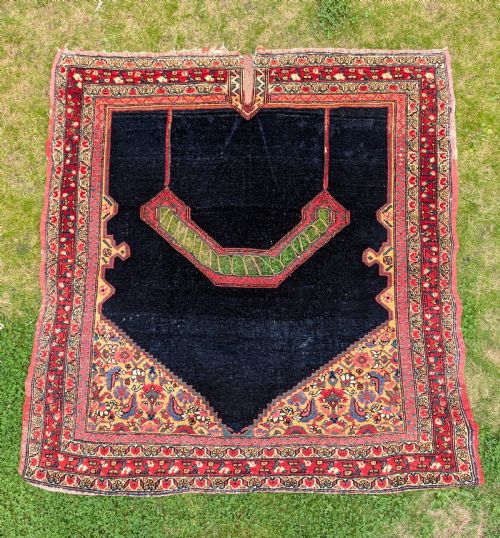
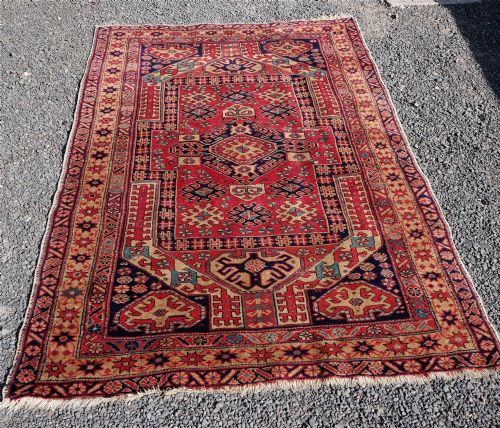
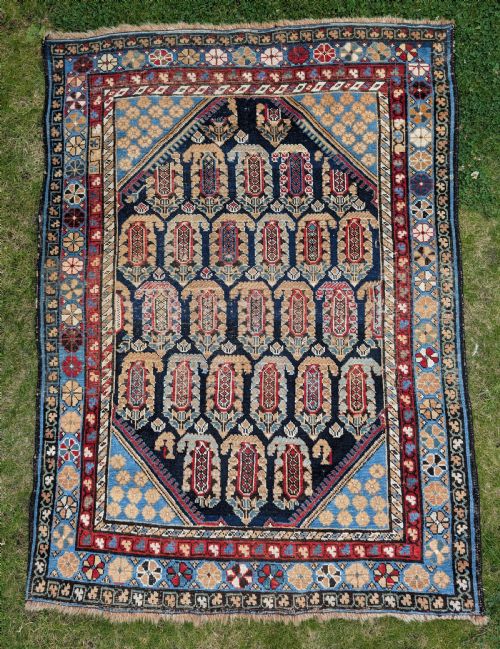
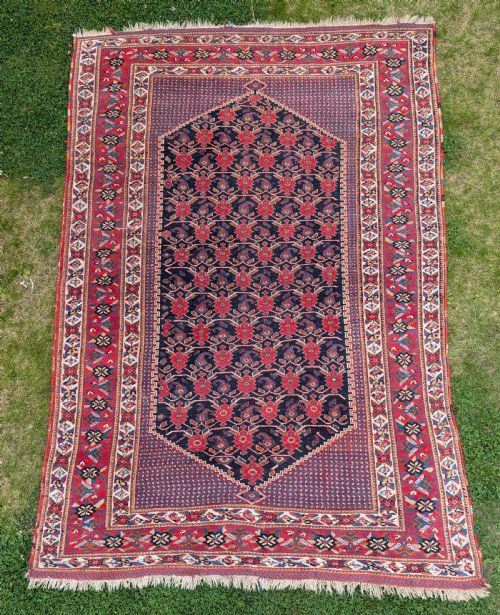
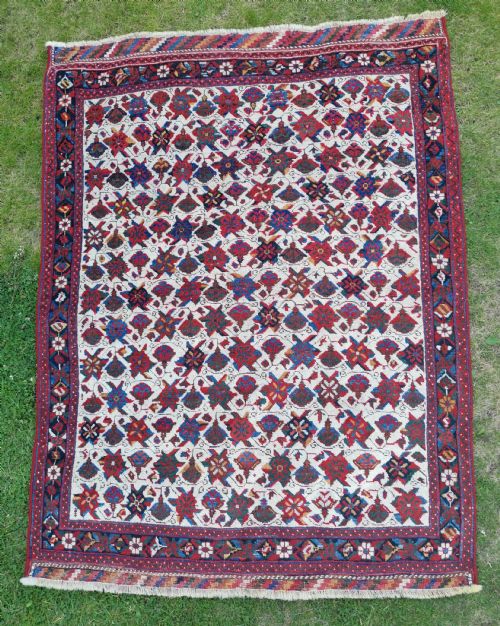
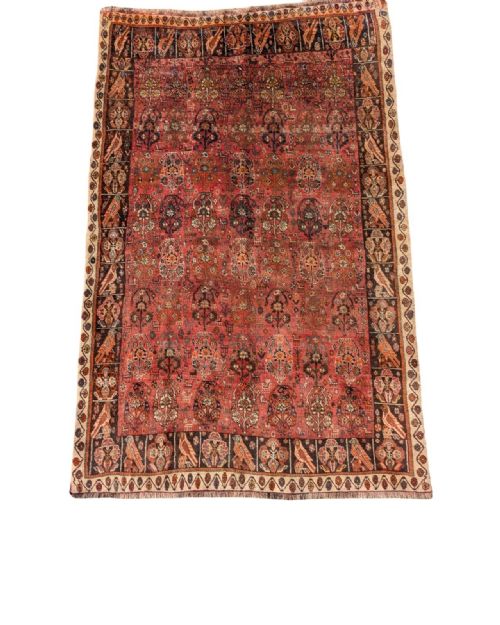
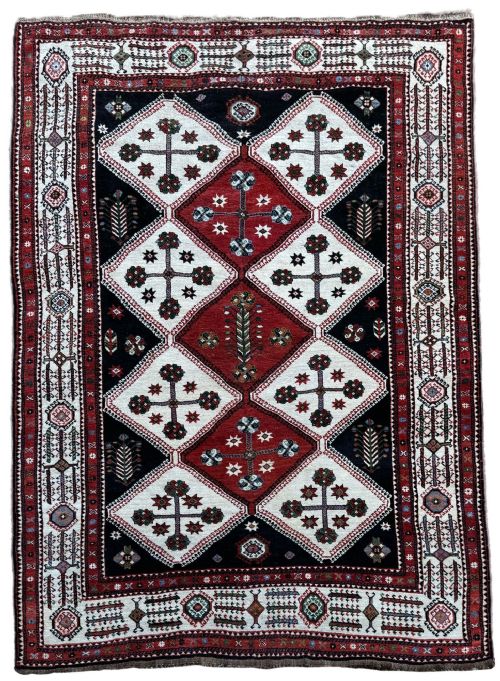
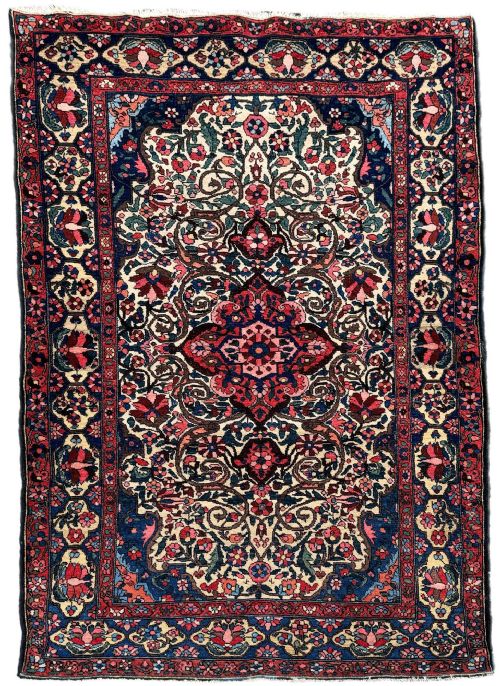
When you search for a red navy tribal carpet, you enter a field of hand-knotted rugs and runners originating from Persian, Caucasian and Afghan traditions. The pieces appearing here span from the mid-nineteenth century through the early twentieth century, taking the form of area rugs, runner rugs, prayer rugs and saddle covers.
You are most likely to encounter village and tribal formats such as Afshar, Khamseh, Qashqai and Baluch pieces. These examples display geometric medallions, boteh motifs and prayer designs woven in saturated wool on cotton or wool foundations.
How they were made
The construction relies on hand-spun wool and standard wool yarns knotted tightly by hand onto sturdy cotton or wool warps and wefts. Weavers utilised natural dyes to achieve deep indigo navy blues and rich madder reds, creating durable flatweaves, pile carpets and cushions.
The structural integrity stems from dense hand-knotting traditions passed through regional workshops and nomadic tribes, ensuring each runner or carpet holds up to generations of daily foot traffic.
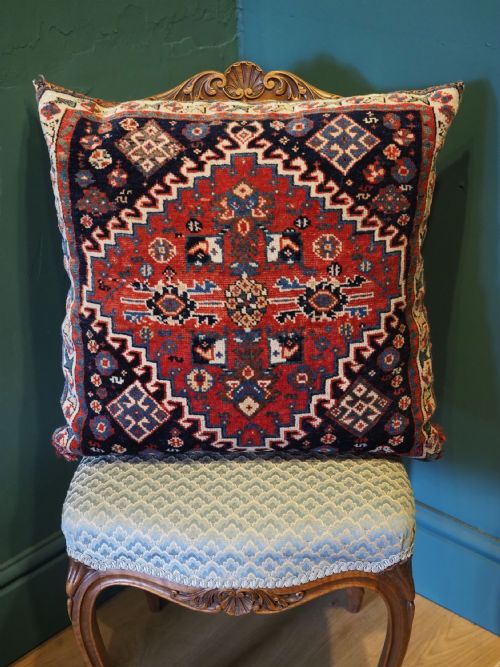
Several items double as portable furniture, arriving as horse saddle covers and square saddle bag cushions.
What varies in quality
Knot density and the precision of the geometric or all-over medallion design separate the finest village productions from standard utility pieces. Finer specimens show exceptional crispness in motifs like the Mina Khani or double mihrab prayer arches.
The depth and brilliance of the wool pile, alongside the uniformity of hand-spun yarn dyes, dictate the upper tier of the range. Surviving edge bindings and intact pile depth also separate well-preserved carpets from heavily distressed examples.
The Red Navy Tribal Carpet Glossary
- Mihrab
- A arched niche design on prayer rugs that represents the direction of prayer. This motif is frequently seen in Baluch and Caucasian prayer carpets.
- Boteh
- A stylised almond or pear-shaped floral motif of Persian origin. It appears repeatedly across traditional runner and carpet fields.
- Medallion
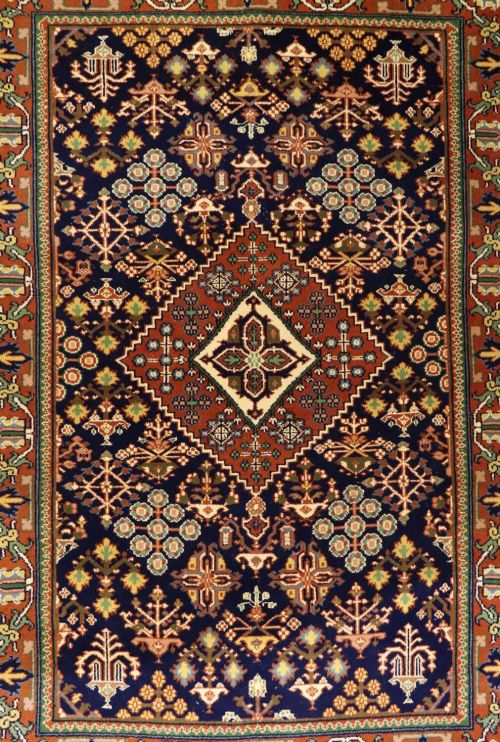
- A central ornamental design motif placed in the middle of the carpet field. These central shapes often anchor the surrounding geometric patterns.
- Warp
- The vertical foundation threads stretched tightly on the loom before knotting begins. Wool and cotton warps form the structural backbone of these textiles.
- Runner
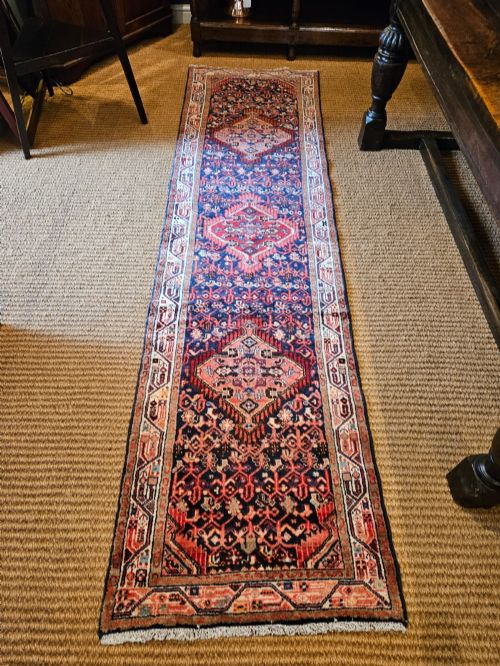
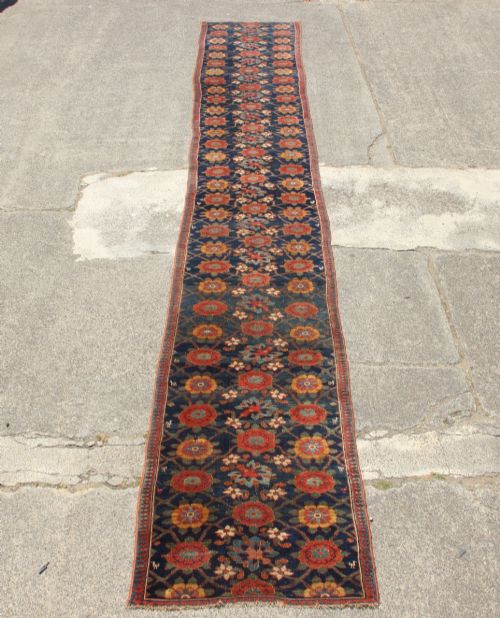
- A long, narrow carpet format designed specifically for hallways and corridors. Many historical examples measure over three metres in length.
Red Navy Tribal Carpet: Frequently Asked Questions
How do I clean an antique tribal carpet?
Surface dust should be removed gently using low suction without a beating attachment.
Professional textile conservators should handle deep washing to protect the natural wool fibres and dyes.
Where were these tribal rugs made?
The pieces originate primarily from regions across Persia, the Caucasus and Afghanistan.
Nomadic confederations and village weavers produced them in tribal areas such as the Fars province or Baluchistan.
Can I place these carpets in hallways?
Many surviving examples take the form of hallway runners specifically suited for corridors.
Using a quality underlay helps prevent slipping and reduces friction between the wool pile and the floor.
What does distressed condition mean on a rug?
Distressing indicates natural wear, low pile or antique patina accumulated over decades of domestic use.
This wear often softens the wool texture while leaving the foundational knot structure intact.