




Red Lacquer Cabinet
A red lacquer cabinet brings rich colour and layered depth to a room, anchoring a space with centuries of decorative tradition.

Red Lacquer Cabinet
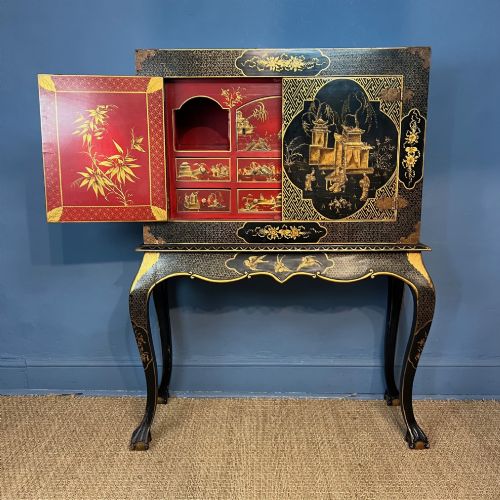
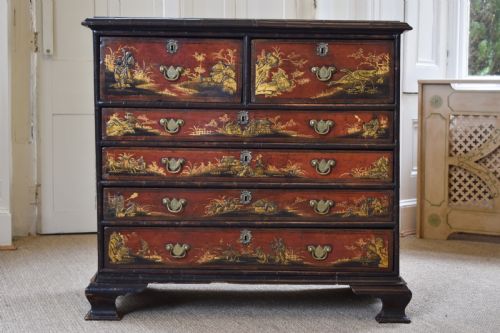
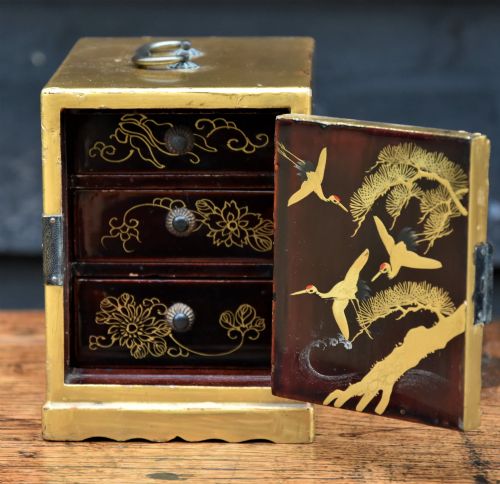
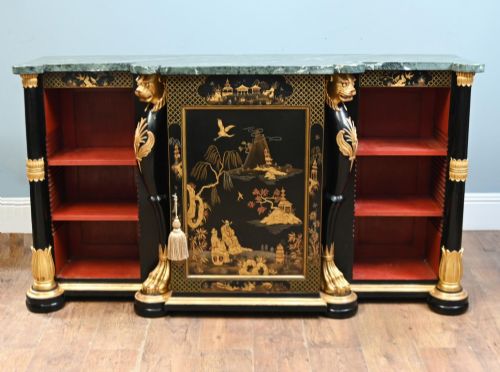
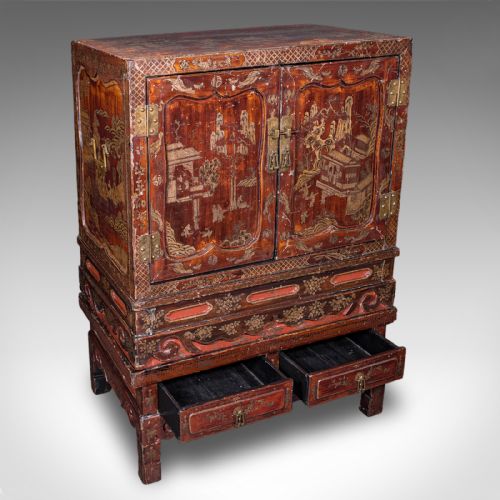
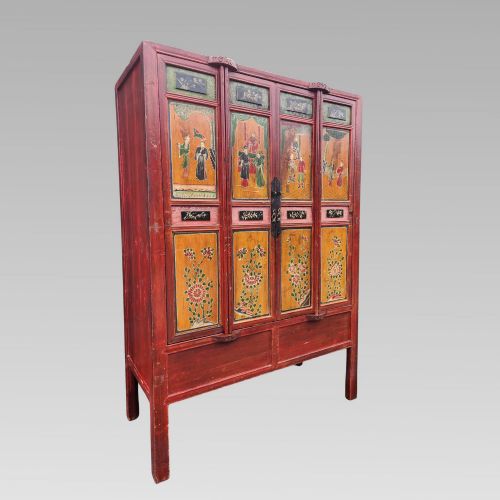
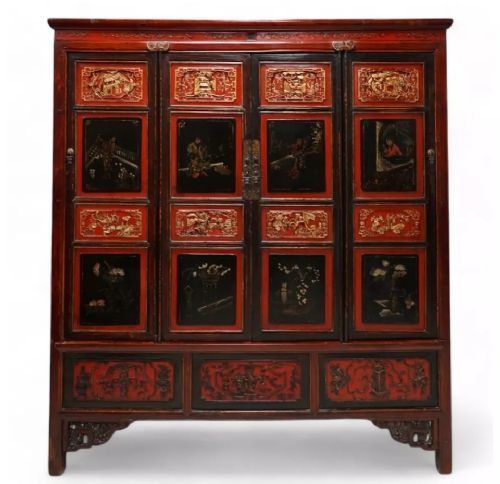
When searching for a red lacquer cabinet, buyers encounter a striking array of storage forms, from large provincial wedding armoires to compact tabletop chests. The selection spans distinct cultural traditions, including Chinese Qing Dynasty pieces, Japanese Meiji period storage, and European Chinoiserie revivals from the Victorian and Edwardian eras.
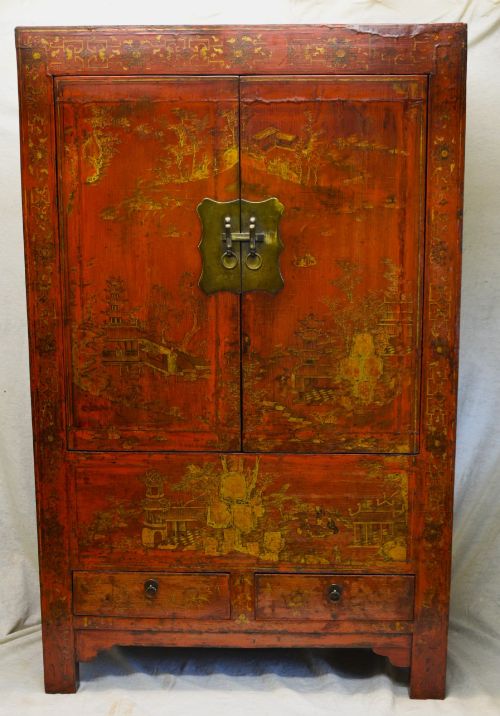
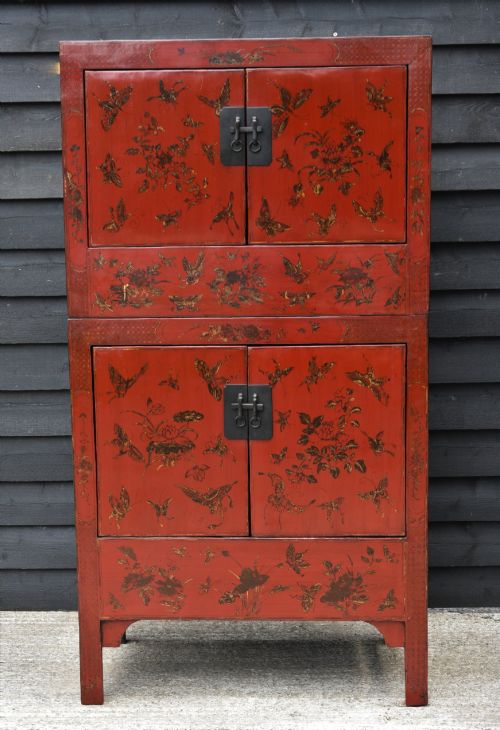
The most common examples on this page are Chinese marriage cabinets and side cupboards originating in the nineteenth and early twentieth centuries. These substantial pieces often feature bold vermilion pigments paired with gilt decoration, serving as both functional storage and dramatic focal points.
How They Were Made
Craftsmen applied numerous coats of natural resin lacquer over sturdy wooden substrates such as elm, pine, or hardwood. Each layer required meticulous drying and polishing before artisans added hand-painted motifs, carved details, or gilt embellishments.
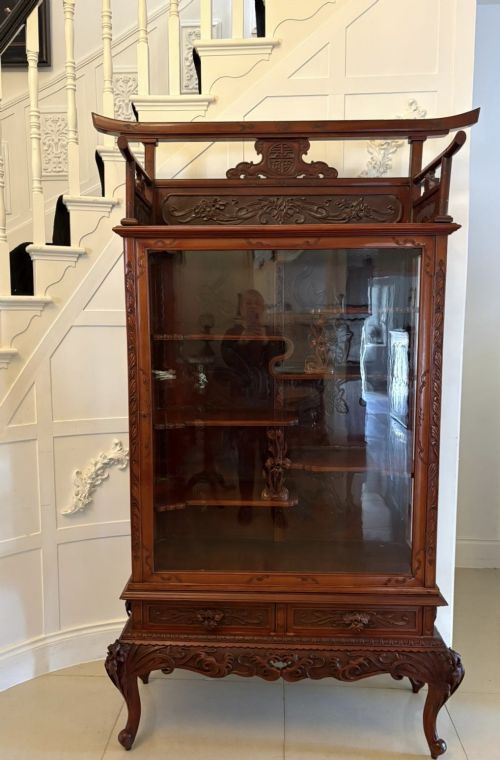
Hardware played an essential structural and decorative role, incorporating brass strapwork, hinges, and circular lock plates that contrasted sharply with the red finish. Iron and glass elements also appeared in later display variants and apothecary chests.
Red Lacquer Cabinet Retail Price Guide 2026
Typical asking prices for red lacquer cabinet among the pieces listed under this phrase on Sellingantiques today, from the lower quarter to the upper quarter. They describe what is for sale here now, not the wider market.
Materials recorded across the archive include lacquered wood, brass hardware, gilt detailing, and occasional bamboo framework.
What Varies in Quality
The depth and durability of the surface finish distinguish finer pieces, reflecting the patience applied during the multi-layered lacquering process. Superior examples maintain a smooth, lustrous sheen where the underlying wood remains stable without extensive lifting or crazing of the coating.
Artistic execution in the hand-painted or carved decoration determines the upper tier of the range. Crisp detailing in Chinoiserie scenes, precise joinery on structural frames, and intact original brass or bronze hardware elevate a piece far above simpler provincial utility items.
The Red Lacquer Cabinet Glossary
- Chinoiserie
- European decorative style imitating Chinese artistic traditions. It gained popularity during the Georgian period and saw major revivals in the Victorian and Edwardian eras.
- Tansu
- Traditional Japanese mobile storage chest built from timber like kiri or sugi. These pieces often feature exposed iron or brass handles and locking bars.
- Cinnabar
- A bright scarlet mineral pigment historically used in traditional Asian lacquerware. It yields a distinctive opaque red colour when bound and polished.
- Meiji Period
- Era in Japanese history lasting from 1868 to 1912. Cabinets from this time frequently display intricate carving, inlay work, and refined floral motifs.
- Marriage Cabinet
- Large Chinese storage furniture traditionally given as a wedding gift to hold personal textiles and valuables. They are typically characterised by double doors and prominent metal lock plates.
Red Lacquer Cabinet: Frequently Asked Questions
How do I style a red lacquer cabinet?
Allow the cabinet to stand against a neutral wall where its vibrant colour and reflective surface can draw the eye without visual competition. Keep surrounding furniture understated to let the traditional decoration remain the focal point of the room.
Use the interior shelving for displaying ceramics or glassware while keeping everyday clutter hidden behind the doors. The bold finish works well in both contemporary settings as a contrasting accent and traditional rooms complementing antique wood tones.
Are these cabinets purely decorative or practical?
These pieces were built for serious storage, offering deep interior shelving and cupboards originally designed for garments, medicines, or household goods. Their robust timber construction ensures they handle modern demands such as clothing storage or tableware organisation with ease.
Many variations include drawers and specialised compartments like apothecary banks or bureau sections. This internal variety means a buyer can easily find a layout suited to modern living requirements.
How do I distinguish Chinese from European lacquer?
Asian pieces typically utilise regional timbers like elm, camphor, or Kiri beneath traditional tree sap lacquer. The decorative motifs reflect authentic Qing Dynasty iconography, provincial scenes, or Japanese flora and fauna from the Meiji period.
European interpretations, such as English or Italian Chinoiserie, often employ substrates like oak or pine with oil-based varnishes and paints. The execution of the figures and landscapes usually follows Western artistic perspectives rather than classical Asian composition rules.