


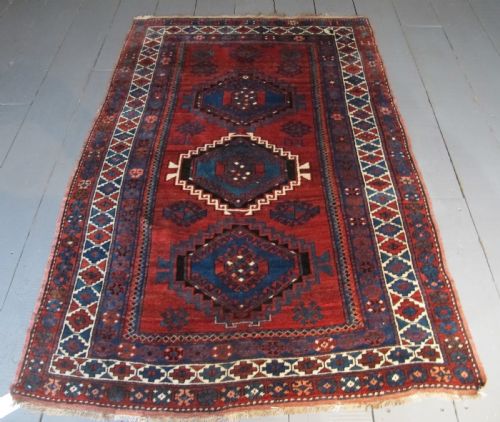
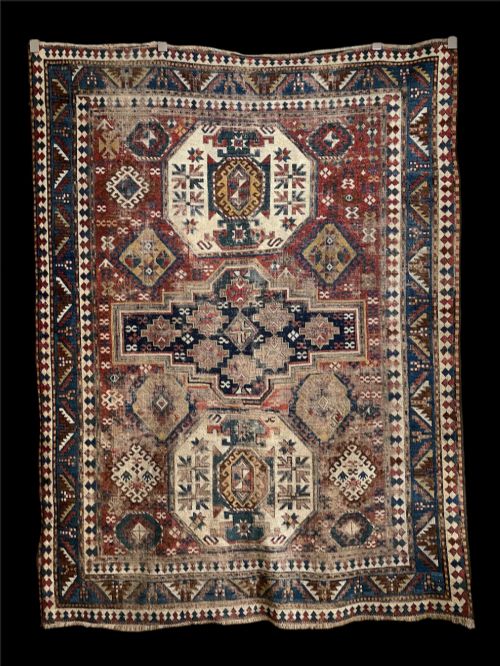


Red Kazak Carpet
A red kazak carpet brings geometric tribal motifs and rich saturated dyes from the Caucasus into a modern interior.
Red Kazak Carpet
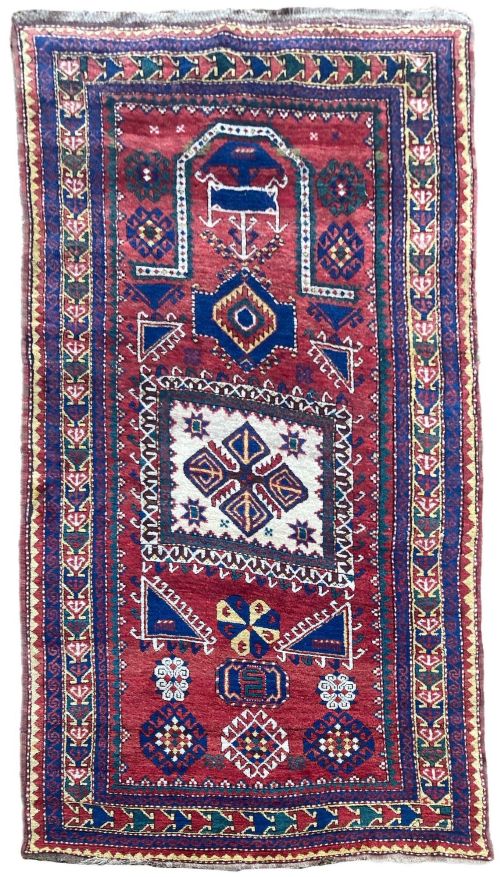
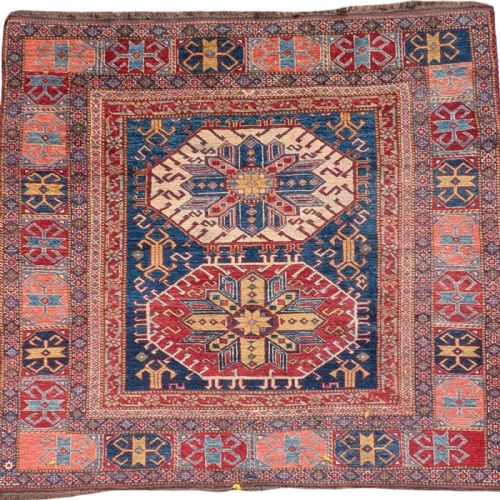
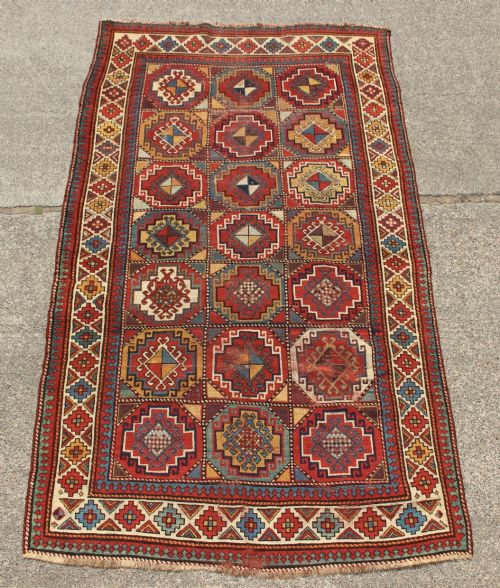
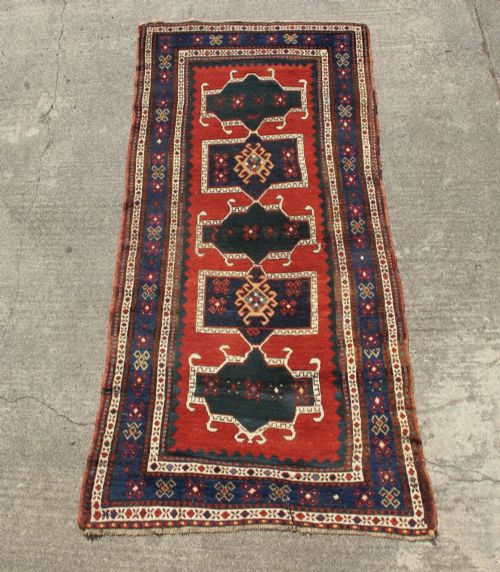
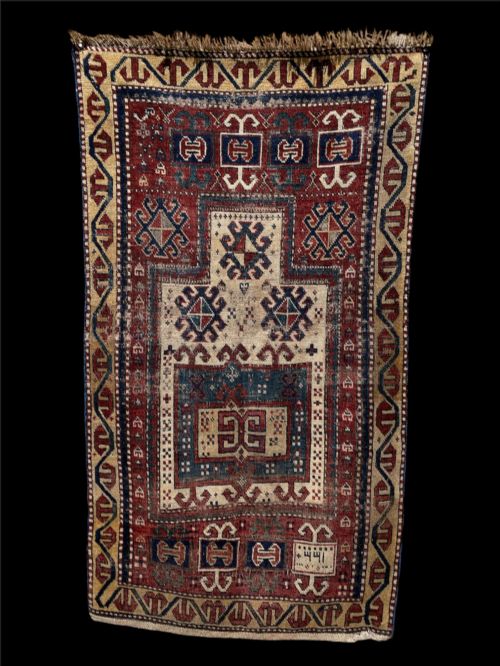
A red kazak carpet is a hand-knotted tribal textile originating from the Caucasus region, produced across the nineteenth and early twentieth centuries. These pieces typically display bold geometric medallions, animal motifs, and prayer designs anchored by a prominent red ground.
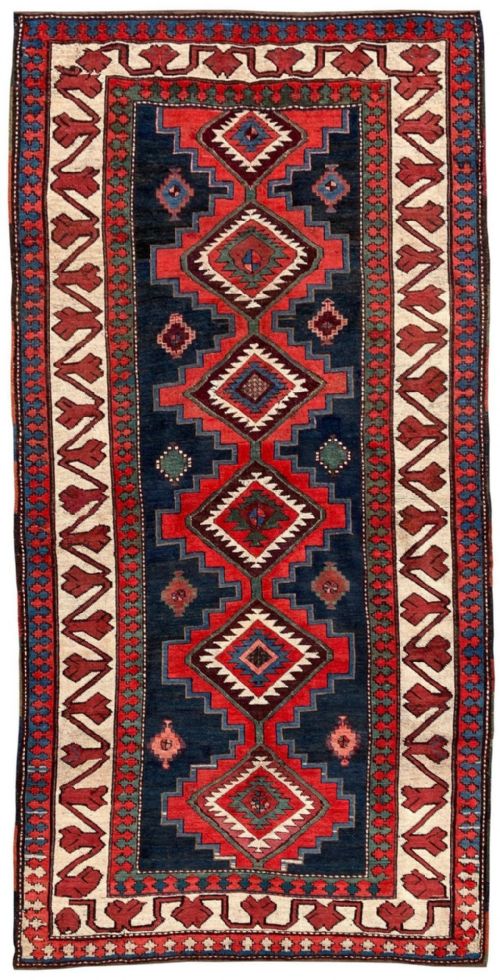
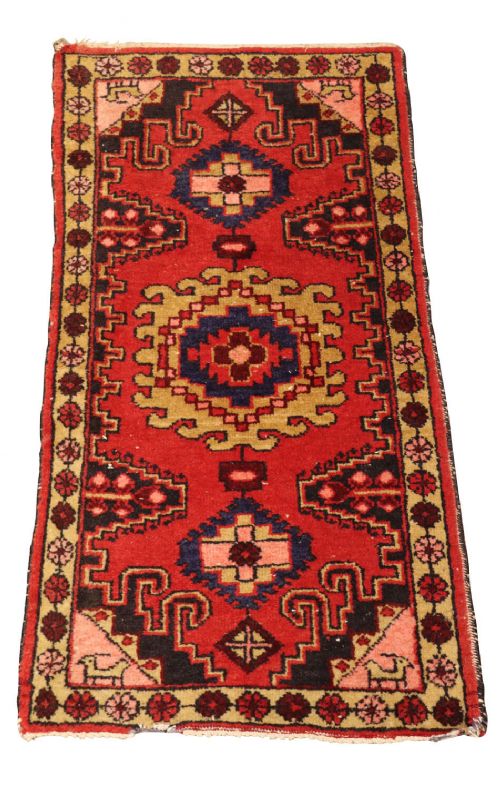
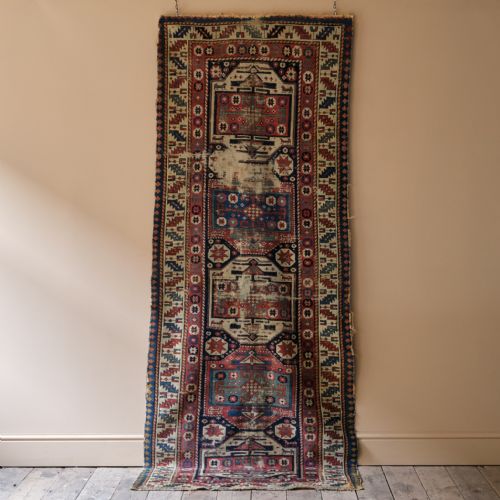
The versions most commonly met on this page include room-sized carpets, smaller area rugs, and elongated runners from the 1870s to the 1930s. Regional subgroups such as Fachralo, Borchalu, Moghan, and Karachov frequently appear among the listings.
Buyers look to these carpets for their robust construction, stark rectilinear patterns, and earthy palette dominated by deep reds, blues, and ivories. Each surviving example records the specific tribal traditions and weaving practices of nineteenth-century Caucasian workshops.
Materials and construction
Weavers constructed these rugs using wool for both the pile and the foundation, often paired with cotton for structural warps and wefts. The wool itself frequently relied on hand-spun fibres that absorbed natural dyes with uneven, appealing depth.
Natural dyestuffs yielded the characteristic brick reds, rich indigos, and warm yellows found across the pieces. Hand-knotting techniques bound the wool tightly to the foundation, producing a dense pile designed to withstand generations of daily wear.
Listings feature pieces spanning from the 1850s through the 1930s, utilising hand-spun wool and natural dyes.
Factors of quality and execution
The quality of a red kazak carpet rests primarily in the crispness of its geometric drawing and the saturation of its natural dyes. Finer examples exhibit precise symmetry in their hooked medallions and minimal wool loss across the field.
Knot density and the regularity of the weave also separate exceptional pieces from simpler utilitarian textiles. The best specimens retain vibrant, unfaded wool and intact original borders that frame the central motifs cleanly.
The Red Kazak Carpet Glossary
- Medallion
- A central decorative motif placed in the field of the rug. These shapes often appear as hooked octagons or geometric polygons in Caucasian weaving.
- Prayer rug
- A small rug featuring a distinct mihrab or arch design at one end. Weavers originally produced these formats for devotional use.
- Runner
- An elongated narrow carpet format suited for hallways and corridors. These pieces adapt tribal patterns into linear repeats.
- Boteh
- A traditional almond-shaped or paisley motif representing a floral shoot or cypress tree. This symbol appears frequently in regional Caucasian border designs.
Red Kazak Carpet: Frequently Asked Questions
How do I clean an antique red kazak carpet?
Vacuum gently using suction only without a rotating beater bar to protect the hand-knotted wool pile. Professional specialist cleaning remains essential for addressing deep dirt or spills safely.
Avoid using domestic chemical detergents or hot water extraction methods on natural dyes. Proper maintenance preserves the structural integrity and colour saturation of the wool over time.
Where should I place a red kazak carpet?
These geometric rugs anchor seating arrangements in living rooms or add warmth to study floors. Their durable wool construction suits medium-traffic areas throughout the home.
Keep pieces out of direct, prolonged sunlight to prevent natural dye fading. Using a quality underlay prevents slipping and cushions the wool against hard flooring.
How do I identify a regional kazak type?
Examine the central field for specific geometric markers, such as the large square blocks of a Karachov or the distinct prayer arches of a Fachralo. Regional subgroups often employ characteristic colour combinations and border arrangements.
Comparing medallion structures against known nineteenth-century design typologies clarifies the specific Caucasian origin. Minor variations in animal motifs and latch-hook details further distinguish local weaving traditions.
Are these rugs suitable for high-traffic hallways?
Runner formats and robustly knotted carpets handle moderate foot traffic well due to their dense wool pile. The sturdy cotton and wool foundations provide reliable support for daily use.
Rotating the rug periodically ensures even wear across the surface. Proper rug underlays reduce friction against the floorboards and extend the lifespan of the textile.