
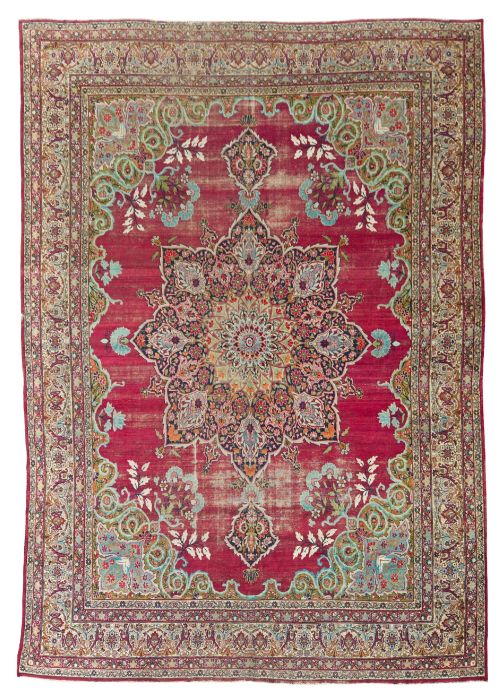
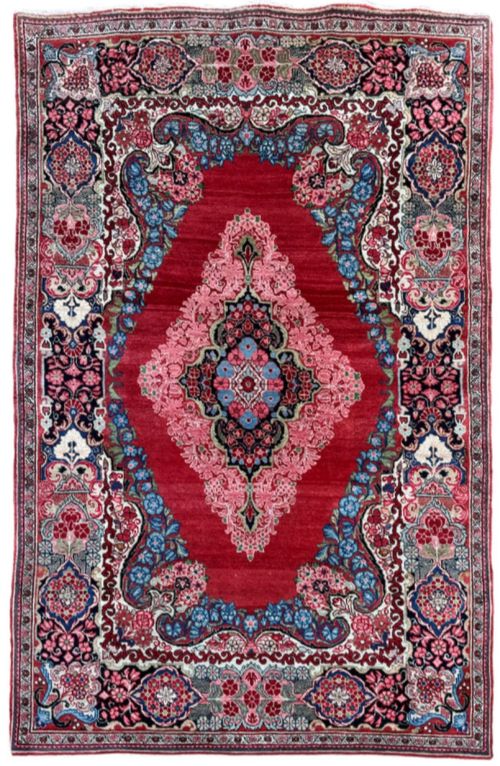


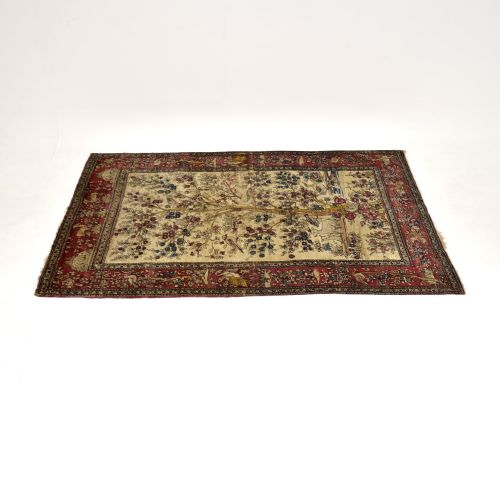
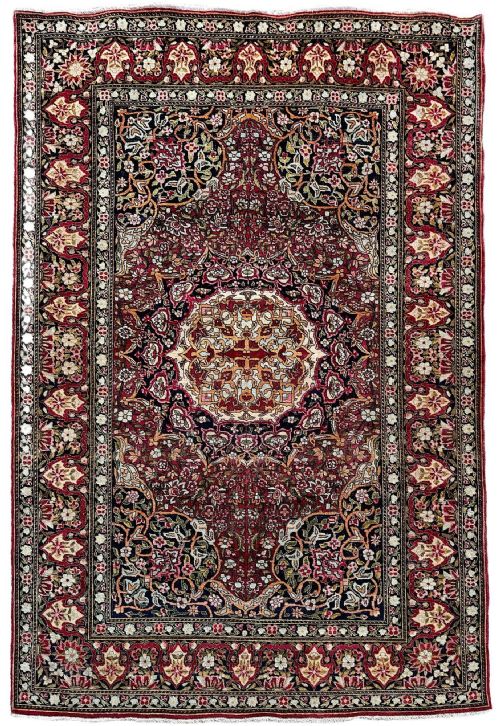

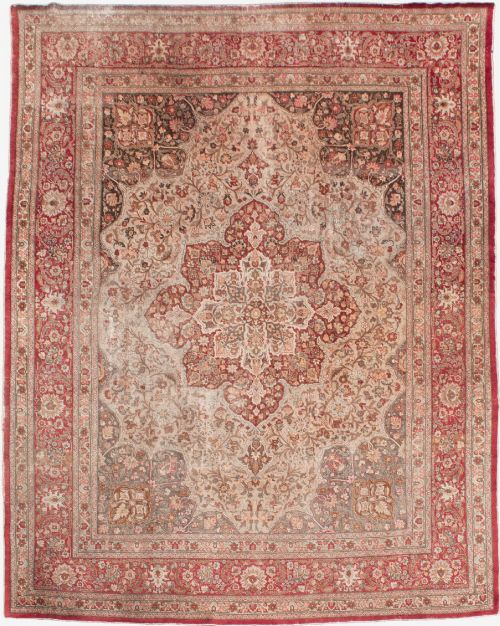
Red Floral Persian Carpet
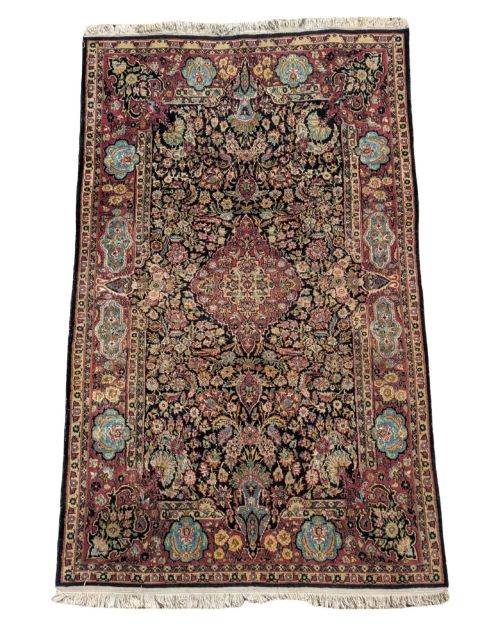
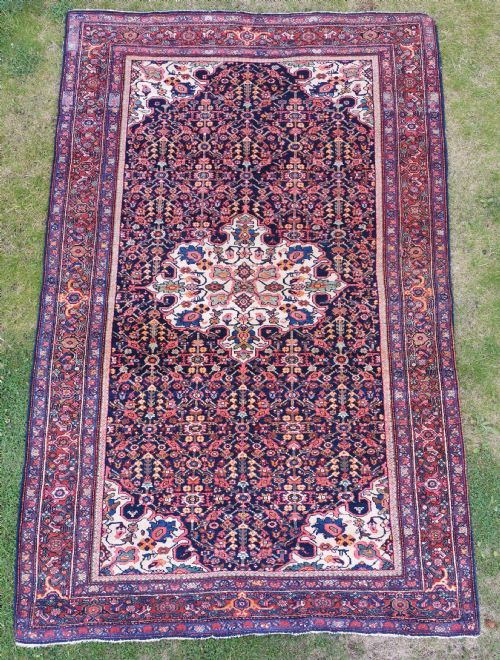
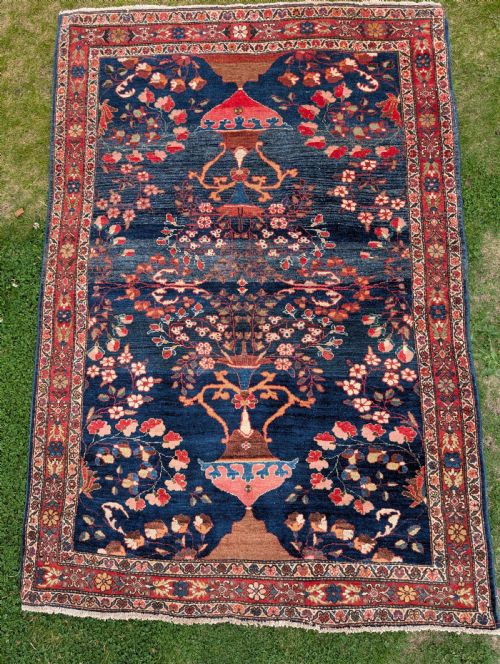
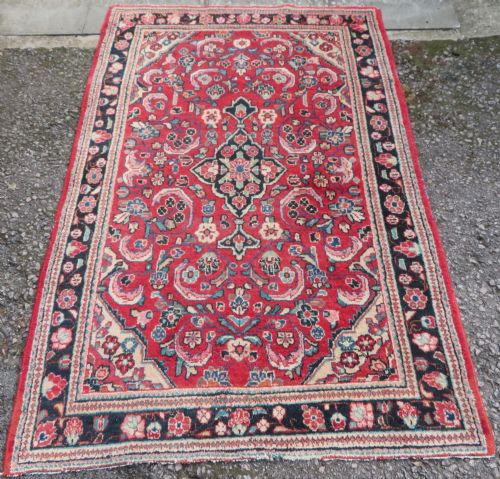
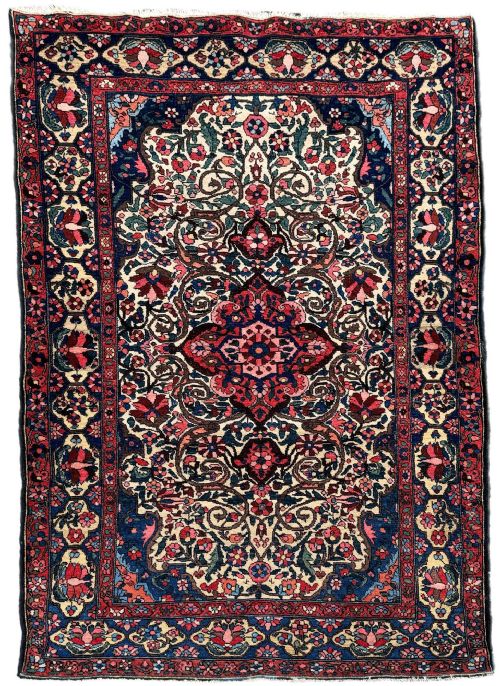
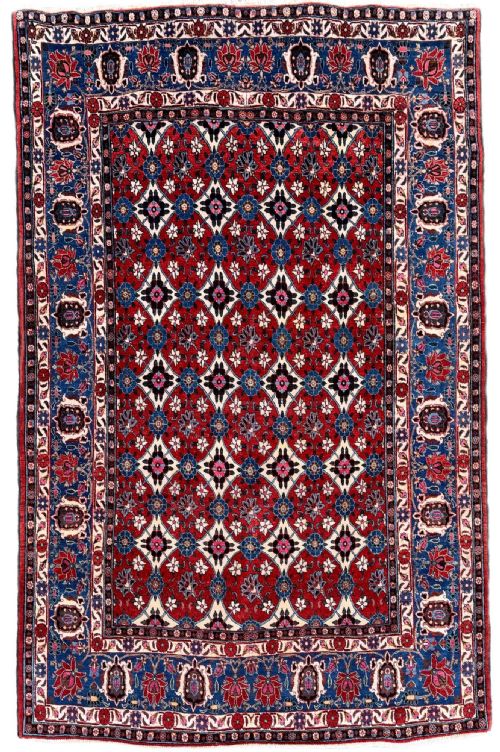
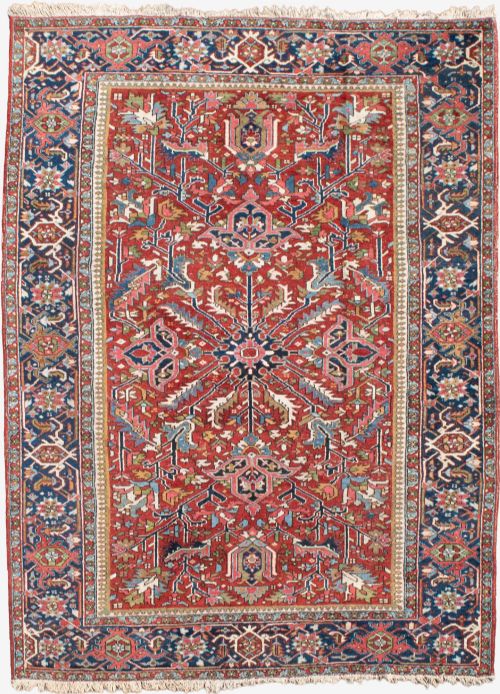
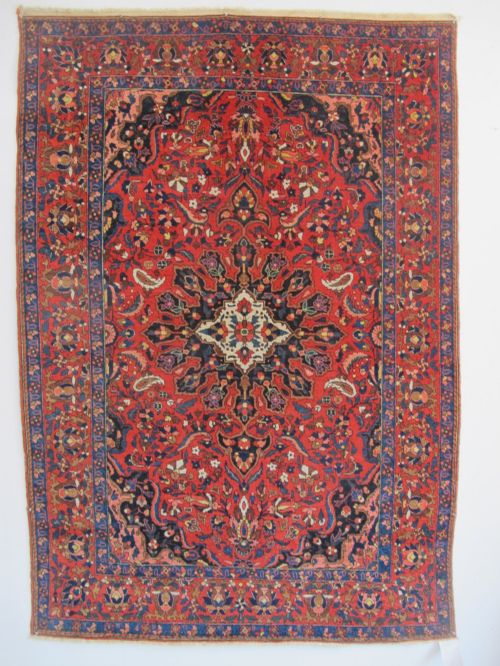
A red floral persian carpet brings warmth and deep pattern to a room, offering centuries of hand-knotted tradition.
Red Floral Persian Carpet
A red floral persian carpet encompasses traditional room-size carpets, large area rugs, and smaller village pieces produced across Persia and neighbouring regions. The examples found here date from the late nineteenth century through to the mid twentieth century, representing major weaving centres and nomadic traditions alike.
Buyers will encounter various formats ranging from compact prayer rugs and runners to expansive country house carpets. Village and city workshops each contributed distinct stylistic elements, creating rich visual variety within the broader category of traditional Persian floor coverings.
Materials and construction
These floor coverings rely primarily on durable wool piles hand-knotted onto sturdy cotton foundations. Selected pieces incorporate fine silk highlights to accentuate intricate floral details and add subtle luminosity to the surface.
Weavers utilised hand-spun natural yarns dyed in deep madder reds alongside complementary tones of blue and ivory. The resulting textile structures demonstrate tight knot densities designed to withstand generations of daily use.
Listed examples incorporate foundational structures woven entirely from durable cotton alongside soft wool and occasional silk highlights.
Distinctions in execution
The standard of a red floral persian carpet rests upon the precision of the knotting and the complexity of the drawn design. Finer pieces demonstrate superior control over curvilinear floral motifs and medallions, showing exceptional harmony in the deployment of secondary shades.
The choice of wool grade and the subtlety of the dye work differentiate standard village productions from master city workshop creations. Greater depth in the palette and finer handling of intricate borders elevate certain specimens above standard commercial output.
Ahmadi Isfahan
The Red Floral Persian Carpet Glossary
- Medallion
- A central ornamental motif dominating the field of the carpet. This central design element often dictates the symmetrical arrangement of surrounding floral patterns.
- Warp
- The vertical threads stretched lengthwise on the loom that form the structural foundation of the textile. Weft threads are interlaced across these vertical strands to secure the knots.
- Weft
- The horizontal threads passed through the warp threads after each row of knots is completed. This process binds the pile securely into place.
- Pile
- The dense surface layer of knotted wool or silk that forms the nap of the carpet. The height and tightness of this layer dictate both the texture and durability of the piece.
Red Floral Persian Carpet: Frequently Asked Questions
How do I choose the right size for a room?
Measure your floor space carefully, allowing adequate exposed flooring around the perimeter of the rug. Larger room-size carpets anchor central seating arrangements, whereas runners suit hallways and narrow spaces.
Consider how furniture legs will sit upon the textile. Placing front legs on the rug or keeping the entire piece free-floating alters the visual balance of the interior.
Where were these carpets originally woven?
Production spans numerous historic towns, cities, and nomadic tribal regions across Persia. Specific workshops and villages developed signature colour palettes and distinctive botanical motifs.
City centres often produced refined, intricate floral designs, while village weavers favoured bolder geometric interpretations of traditional patterns.
What is the difference between village and city rugs?
Village rugs typically display spontaneous designs woven from memory using locally sourced materials. They often feature charming irregularities and robust, hearty wool structures.
City carpets rely on precise cartoon templates prepared by master designers. These pieces exhibit high knot counts, finer silk or wool yarns, and exceptionally smooth curvilinear lines.
How should I care for an antique rug?
Vacuum the piece gently on a low setting without using a rotating brush bar. Professional cleaning by a specialist in antique textiles prevents fibre damage and preserves dye stability.
Rotate the carpet periodically to ensure even wear across high-traffic areas and exposure to sunlight.