




Red Dress Oil Portrait
A red dress oil portrait captures the striking presence of a subject through centuries of artistic tradition.
Red Dress Oil Portrait
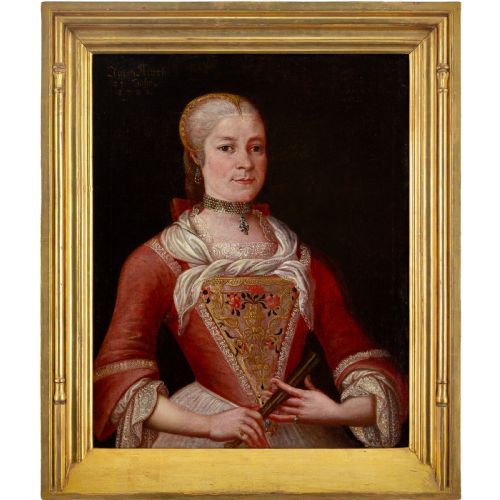
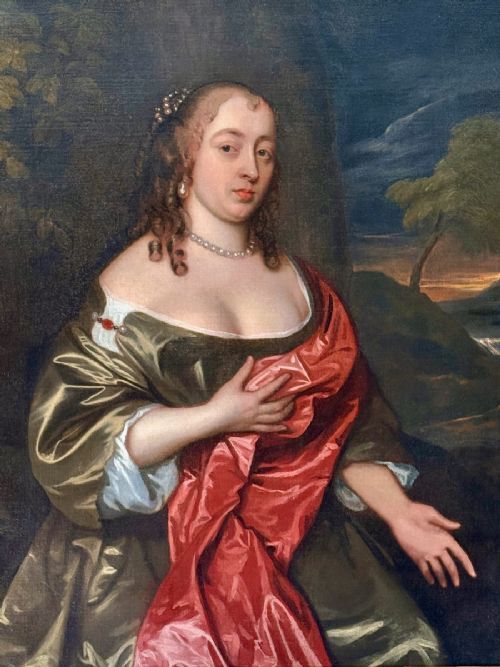
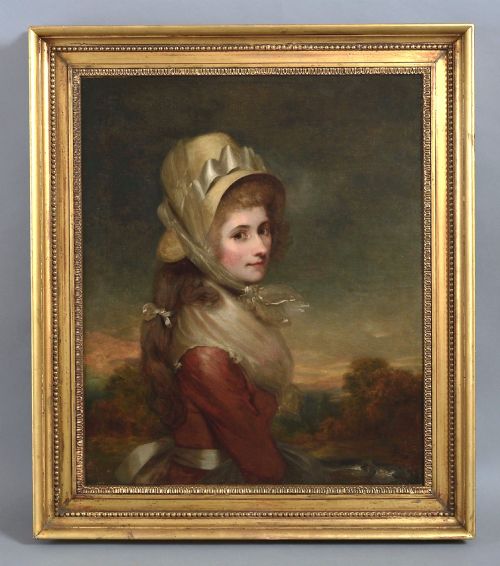
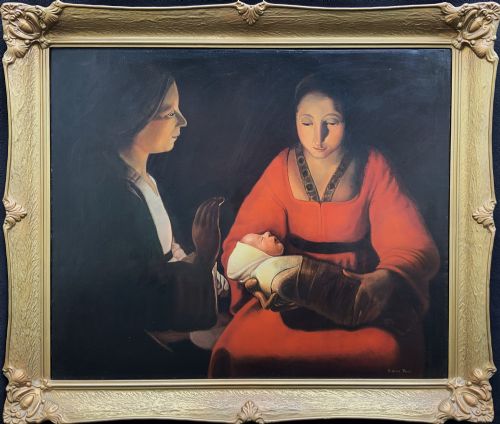
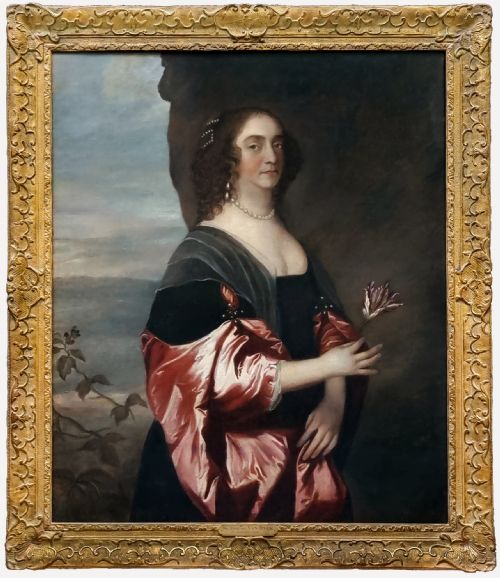
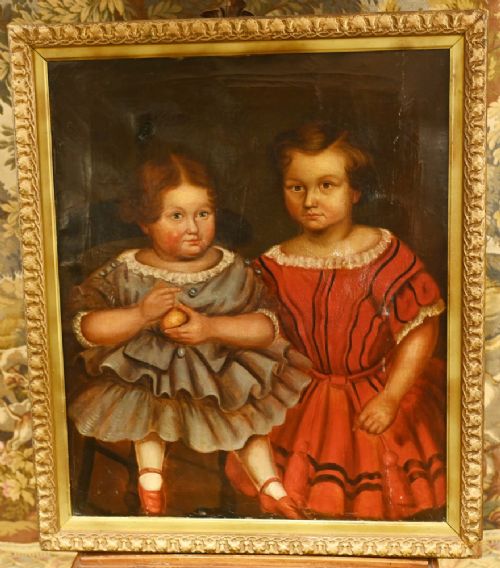
A red dress oil portrait focuses the viewer's attention on figures adorned in vibrant crimson garments, ranging from aristocratic court robes to folk art attire. The pieces available span diverse eras, with significant representation from the seventeenth and nineteenth centuries alongside twentieth-century works.
Subjects depicted include noble ladies, children in tartan kilts, judges in court robes, and young society figures captured on canvas or panel. These artworks vary from formal European school commissions to naive American primitive studies.
The selection encompasses both grand historical canvases housed in elaborate giltwood frames and intimate domestic portrayals. Buyers encounter everything from seventeenth-century Dutch masters to twentieth-century impressionist interpretations.
Materials and technique
Artists painted primarily using oil paint applied to stretched canvas, though certain early panels utilise wood as a solid support medium. The handling of the pigment defines the texture of the garments, capturing the sheen of silk, satin, and velvet.
Many historical examples retain their period frames constructed from carved giltwood and gesso, which provide structural support and complement the composition. Over time, some canvases require professional restoration or attachment to secondary boards to ensure longevity.
Listings feature works executed in oil paint on canvas and wood panel, spanning periods from the seventeenth century to the nineteen-fifties.
Separating the ordinary from the exceptional
The sophistication of the brushwork and the anatomical accuracy of the hands and face distinguish standard studio output from masterworks. Superior pieces demonstrate a nuanced handling of light upon fabric, giving depth and movement to the red drapery.
The distinction also lies in the historical significance of the sitter and the documentation of provenance. Works retaining original stretchers, untouched paint surfaces, and period giltwood frames command greater attention from collectors.
JOHN HAYLS·Sir Martin Archer Shee·Georges de La Tour·Pierre Mignard·Sir Peter Lely·Michael Dahl·Philip Naviasky·Pieter Nason·William Owen RA·Adolphe-Alexandre Lesrel·Henry Scott·John Irvine·John Vanderbank·William Wissing·Sir Godfrey Kneller·Jonathan Richardson
The Red Dress Oil Portrait Glossary
- Oil on canvas
- A painting technique where pigmented oil is applied to a woven fabric support. This combination allows for rich colour blending and gradual drying times.
- Panel painting
- A work executed on a flat piece of wood rather than fabric. This method was prevalent in earlier centuries before canvas became the standard support.
- Giltwood
- Wood that has been coated with a thin layer of gold leaf or gold paint. It frequently appears on ornate frames surrounding historical portraits.
- Gesso
- A white paint mixture consisting of a binder mixed with chalk, gypsum, or pigment. It serves as a prepared base for wood panels and frames before gilding.
- American Primitive
- A style of painting created by artists with formal training who worked in a naive or simplified manner. These works emphasise direct expression over academic perspective.
- Bavarian School
- A regional designation for artists originating or working within Bavaria. Their output reflects specific stylistic traditions of German portraiture.
Red Dress Oil Portrait: Frequently Asked Questions
What periods do these portraits cover?
The works span multiple centuries, originating from the seventeenth century through to the mid-twentieth century. This timeline includes seventeenth-century Dutch and French pieces alongside nineteenth-century Victorian studies and later twentieth-century interpretations.
Buyers will find that each era introduces distinct clothing styles and painting techniques. Earlier works often depict formal aristocratic sitters, while later pieces explore genre scenes and folk art traditions.
How are the subjects typically dressed?
Subjects wear garments defined by their vibrant red hues, which include silk gowns, satin sleeves, court dress robes, and tartan kilts. The scarlet attire serves to draw the eye and denote the status or profession of the sitter.
Alongside the prominent red dresses, sitters frequently display accessories such as pearls, coral necklaces, lace caps, and exotic birds. These details provide context regarding the fashion and social standing of the period.
How do I distinguish between formal and naive portraits?
Formal portraits, often associated with specific schools or trained artists, emphasise realistic proportions, subtle shading, and detailed textures. Naive and primitive works prioritize bold outlines and flattened perspectives with a charming directness.
Understanding this distinction helps buyers appreciate the different artistic intentions behind each piece. Both categories offer unique insights into historical portraiture traditions.