

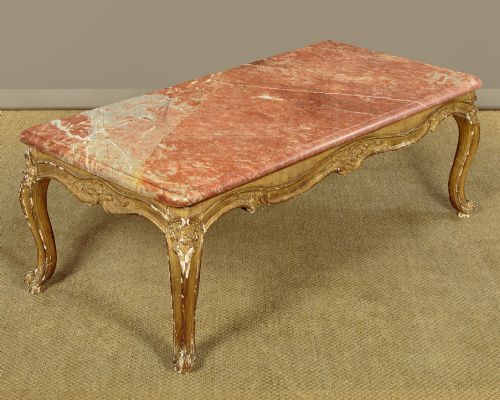
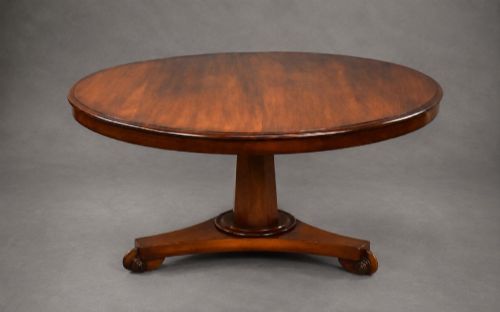


Red Coffee Table
A red coffee table brings striking colour and rich surface texture to a room, ranging from vibrant Chinese lacquer to deep burgundy hide upholstery.
Red Coffee Table
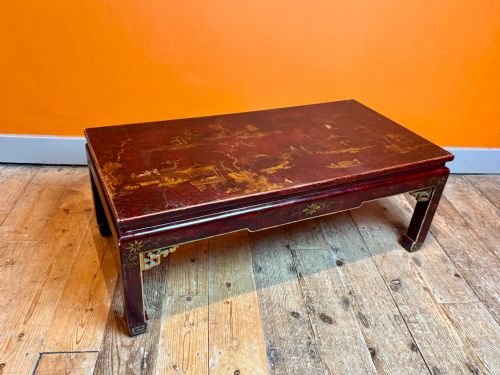
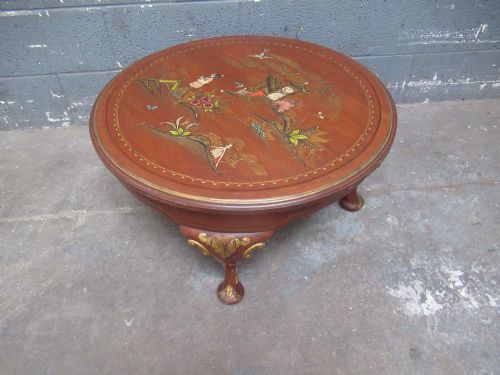
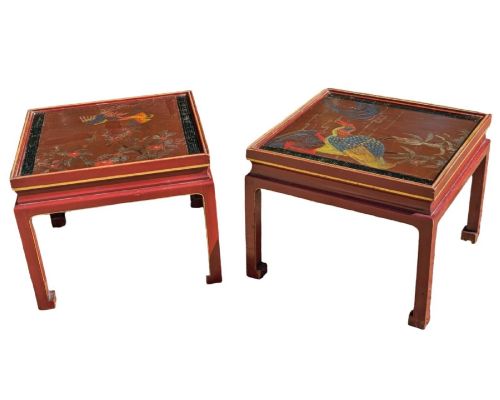
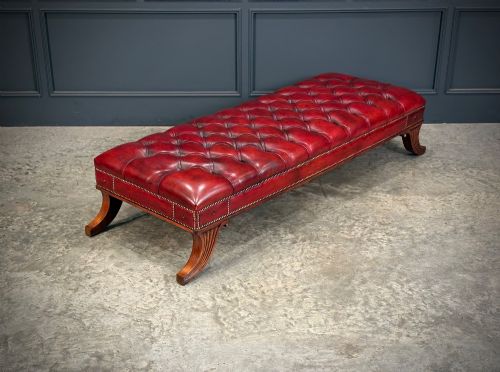
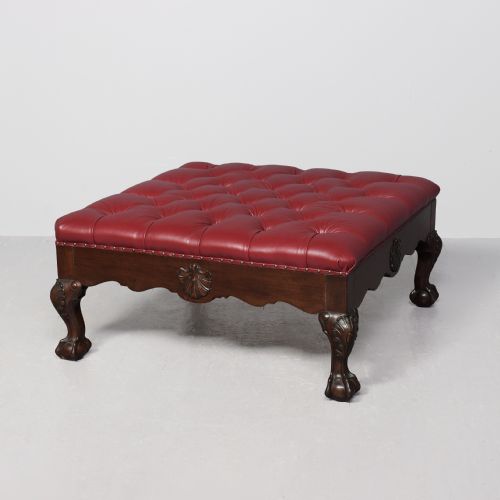
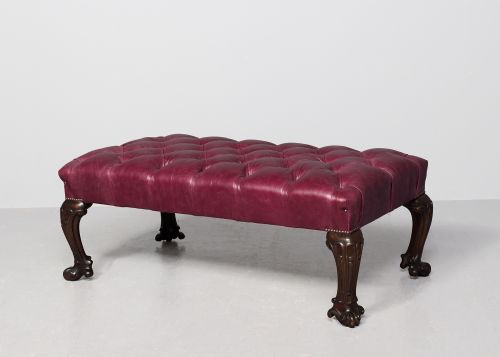
A red coffee table encompasses a diverse group of low tables, footstools, and ottomans that bring bold pigment or warm wood tones into living spaces. When searching for a red coffee table, buyers frequently encounter pieces finished in traditional red lacquer or upholstered in red leather and hide.
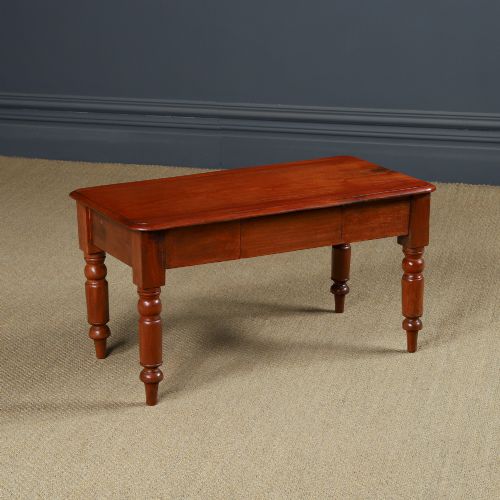
The selection ranges from 18th-century Chinese lacquer low tables and Qing dynasty designs to Victorian mahogany frames and 1930s Chinoiserie rounds. Alongside dedicated low tables, converted items such as temple drums, trays on stands, and deep buttoned footstools serve the same practical function in the modern home.
Origins stretch across English cabinetmaking traditions, Anglo-Burmese craftsmanship, and East Asian decorative arts. This variety ensures that whether the requirement is for gilt-decorated Chinoiserie or understated mahogany with a burgundy hide top, the category accommodates distinct interior aesthetics.
How they were made
Makers utilised solid timbers such as mahogany, oak, walnut, cherry wood, elm, and pine as the structural foundation for these pieces. Frames were often joined using traditional cabinetmaking techniques, while surfaces received careful preparation for decorative finishes.
Lacquerwork involved building up multiple coats of pigment, frequently enhanced with gold leaf and gilt decoration in Chinoiserie styles. Upholstered variants relied on leather and hide stretched over buttoned padding supported by sturdy wooden frames.
Red Coffee Table Retail Price Guide 2026
Typical asking prices for red coffee table among the pieces listed under this phrase on Sellingantiques today, from the lower quarter to the upper quarter. They describe what is for sale here now, not the wider market.
One listed item spent its early days functioning strictly as a 19th-century red lacquered temple drum before finding a second life as a table.
What varies in quality
The standard of craftsmanship shows clearly in the depth and preservation of the surface finish, whether dealing with hand-applied lacquer or fine leather upholstery. Pieces retaining original gilt decoration, pigment, and structural integrity stand apart from later refinished examples.
Proportion and decorative detail also dictate the grade of a piece, distinguishing standard workshop output from items featuring intricate carving, traditional joinery, and well-balanced forms.
The Red Coffee Table Glossary
- Lacquer
- A durable finish applied in thin coats to wood, providing a smooth surface that takes rich pigments like red and gold leaf well.
- Butyler's Tray
- A portable tray with hinged or shaped sides, originally used for serving and placed upon a folding wooden stand.
- Takhat
- A low Indian seating or table platform, solidly built from timber and used traditionally for sitting or serving.
- Hide
- Strong, flexible animal skin used for upholstery on footstools and centre tables, often finished in deep shades of burgundy or red.
Red Coffee Table: Frequently Asked Questions
What periods do these red tables come from?
The selection spans several centuries, including 18th-century examples, Victorian pieces from the 19th century, and early 20th-century designs up to the 1930s. Styles range from Georgian and Regency to Edwardian and traditional East Asian forms.
Each era contributes distinct construction methods and decorative treatments, allowing buyers to match specific historical periods to their interiors.
How are footstools used as coffee tables?
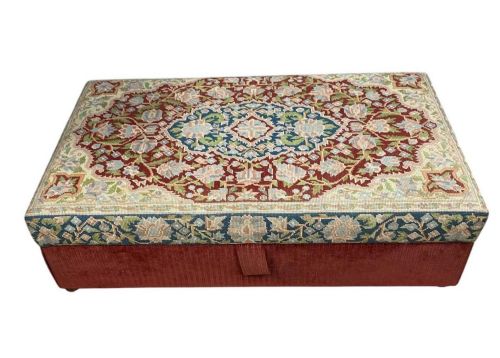
Large upholstered footstools and ottomans with buttoned red leather or hide tops function effectively as coffee tables in modern living spaces. Their generous proportions provide a stable surface for trays while offering a softer edge than traditional timber.
Many of these pieces originate from the 19th century or are built in traditional English styles, combining sturdy mahogany frames with comfortable padded tops.
Are lacquer tables delicate?
Antique lacquer tables feature layered pigment finishes that require considerate daily use and care to preserve their decorative surfaces. Placing coasters underneath hot cups and avoiding harsh cleaning chemicals helps maintain the integrity of the finish.
These pieces reward careful custodianship by retaining their rich colour and gilt Chinoiserie details over generations.
What is the difference between a low table and a coffee table?
Low tables often derive from traditional forms such as Japanese Chabudai tables, Chinese lacquer pieces, or Indian Takhats designed for floor-level use. Modern living arrangements adapt these low surfaces to function alongside standard seating.
Their reduced height brings a distinct architectural profile to a room compared to standard Western occasional tables.