
Red Coat Portrait
A red coat portrait captures the distinct military and civilian presence of past centuries through oil, watercolour, and glass.
Red Coat Portrait
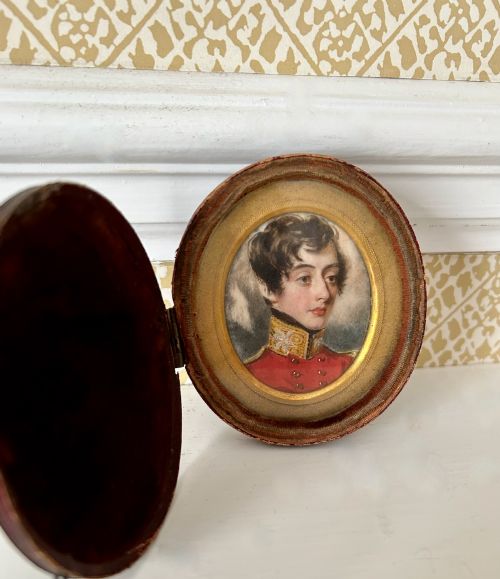
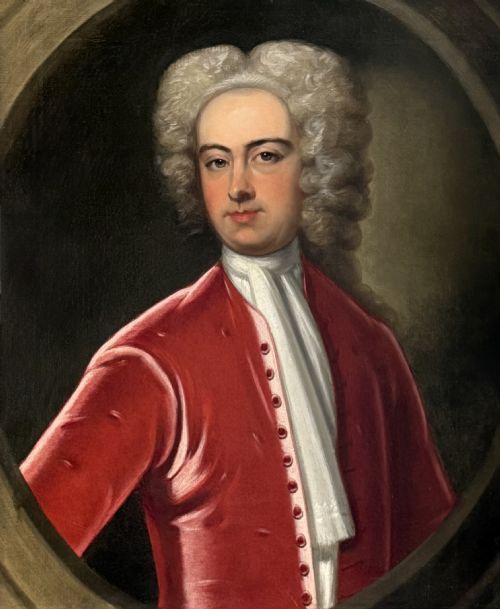
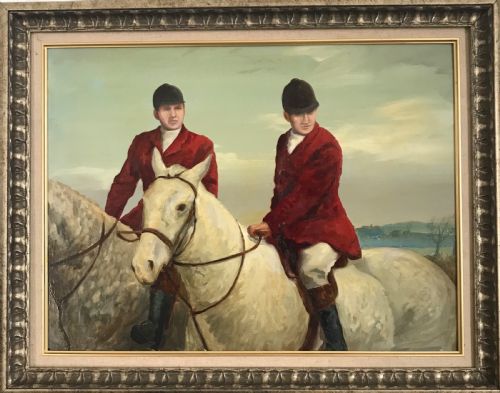
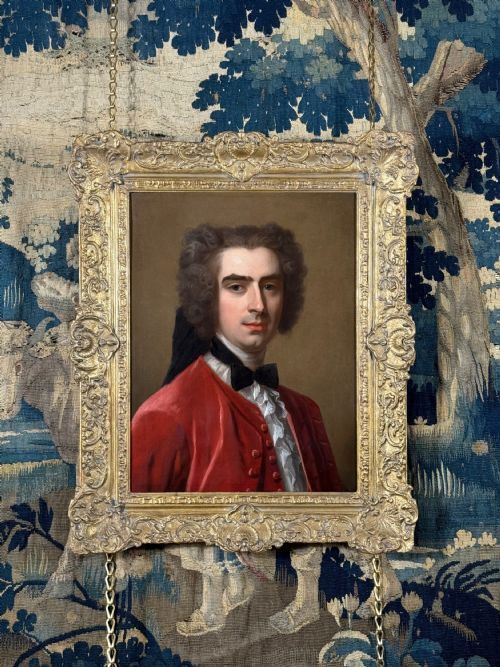
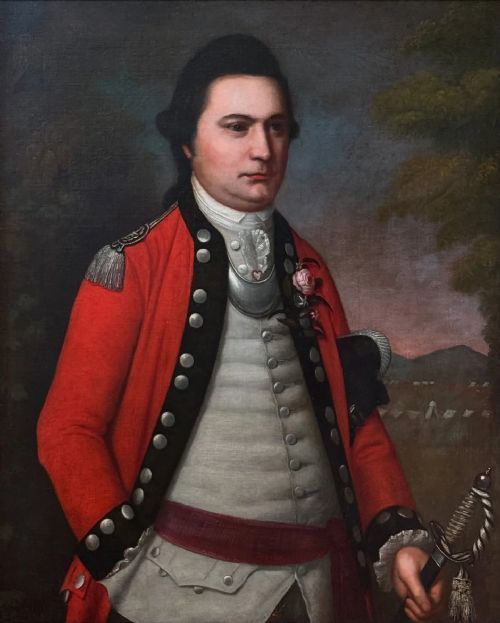
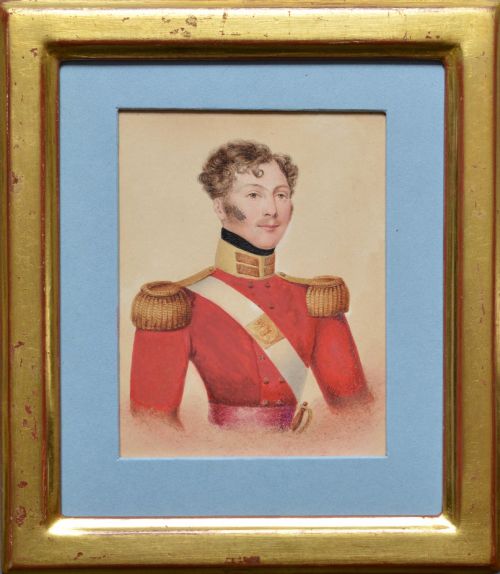
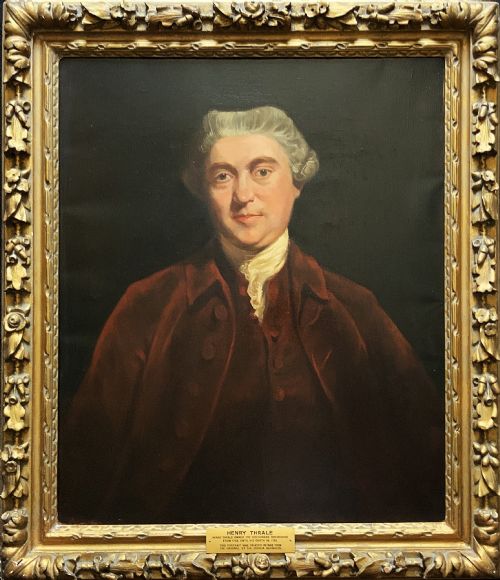
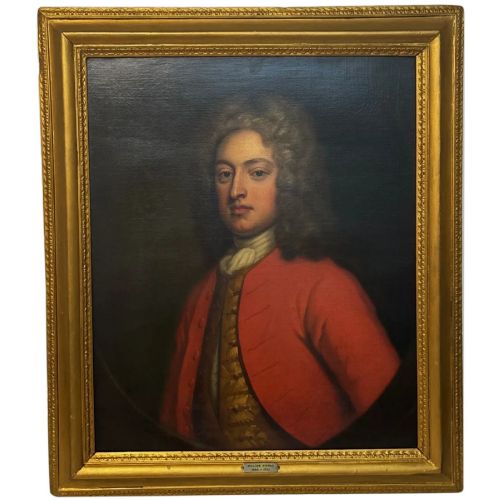
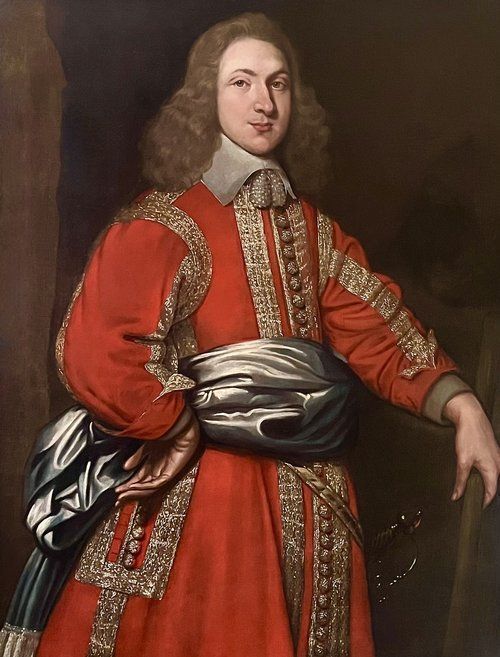
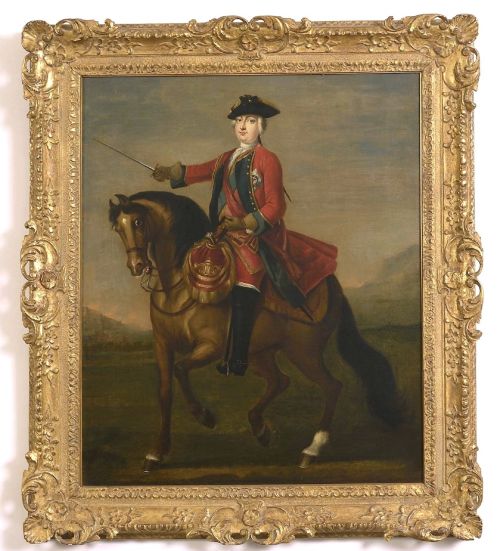
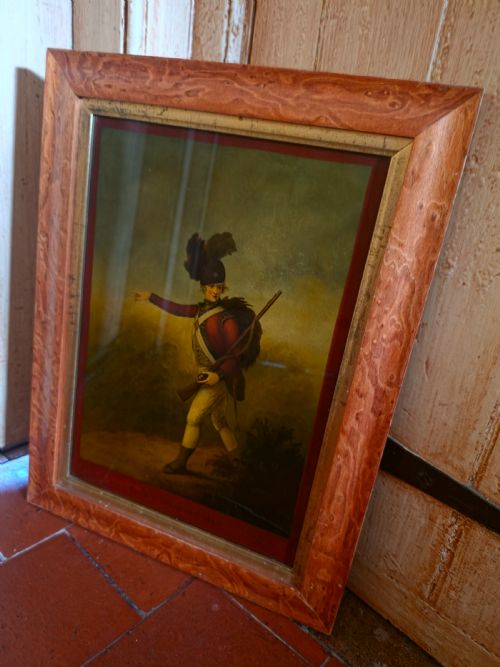
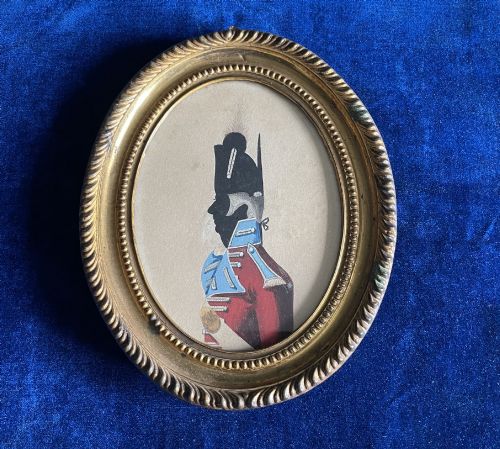
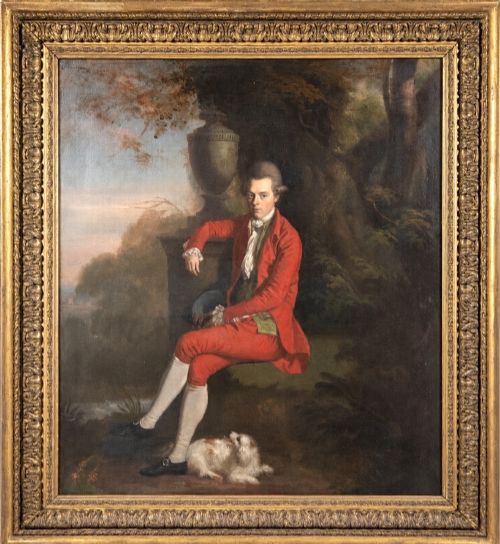
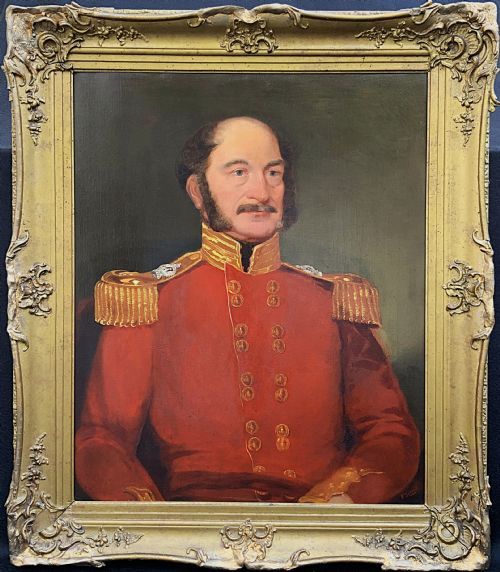
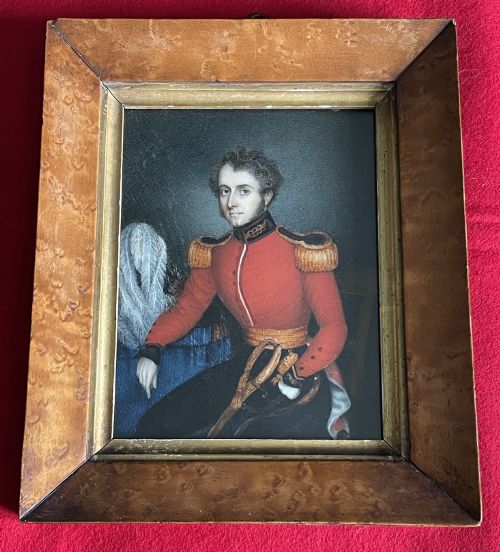
A red coat portrait depicts military officers, soldiers, and gentlemen dressed in distinctive scarlet uniforms or jackets across various historical eras. These works range from grand canvases by established artists to intimate miniatures and reverse glass paintings.
The selection encompasses seventeenth, eighteenth, and nineteenth-century pieces, reflecting shifts in portraiture from formal aristocratic commissions to precise military records.
Subjects often include named officers from specific regiments, offering a direct link to British military history and regimental heritage.
How They Were Made
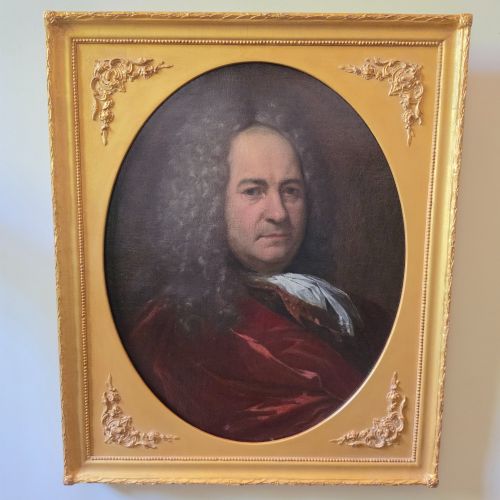
Artists primarily used oil paint on stretched canvas or wooden panels, applying rich pigments to render the deep reds of military tunics alongside delicate flesh tones.
Watercolour and gouache on paper or delicate ivory were utilised for portable portrait miniatures, often sealed beneath protective glass within original frames.
Reverse glass painting technique involved applying pigment directly to the back of a glass sheet, creating a glossy finish viewed from the front.
Several officers gaze out with powdered periwigs that rival the volume of their scarlet shoulders.
What Varies in Quality
The precision of facial likeness and the anatomical accuracy of hands and posture separate accomplished works from naive or provincial examples.
The handling of textiles, particularly the rendering of gold braid, brass buttons, and the texture of scarlet wool, demonstrates the skill of the painter.
Originality of framing, such as period swept giltwood frames, significantly influences the integrity and presentation of the piece.
Jean Baptiste Van Loo·Stickland Lowry·Charles Jervas·John Hamilton Mortimer·George Engleheart·Michael Dahl·Thomas Beach·John Raphael Smith
The Red Coat Portrait Glossary
- Oil on canvas
- Pigments bound in a drying oil applied to woven fabric stretched across a wooden frame. This medium allowed artists to build rich layers of colour and texture.
- Portrait miniature
- A small, highly detailed painting created for intimate personal display. These works often utilised watercolour on vellum or ivory.
- Reverse glass painting
- An artwork created by painting directly onto the rear side of a glass panel. When viewed from the front, the image possesses a unique luminous depth.
- Giltwood
- Timber carved and coated with a thin layer of gold leaf. This material was standard for high-status picture frames of the eighteenth and nineteenth centuries.
- Epaulette
- An ornamental shoulder piece worn on military uniforms. They frequently denoted the specific rank of the officer portrayed.
Red Coat Portrait: Frequently Asked Questions
How do I identify the regiment in a portrait?
Uniform details such as facings, lace, and shoulder insignia provide clues to the specific regiment and era.
Consulting military records alongside visible buttons and collar badges often reveals the service history of the sitter.
What is the difference between an oil painting and a miniature?
Oil paintings utilise heavy pigments on canvas or panel and were intended for prominent display on interior walls.
Miniatures are small-scale works painted on delicate surfaces like paper or ivory, designed to be held or worn close to the body.
How should I care for antique paintings on canvas?
Keep works away from direct sunlight and severe fluctuations in room temperature to prevent the canvas from warping or the paint from cracking.
Dust gently with a soft, dry brush and avoid using liquid cleaners on the painted surface or the surrounding frame.
Are all red coat portraits military personnel?
While the majority depict officers and soldiers in uniform, some subjects wore scarlet coats as fashionable civilian attire during the eighteenth century.
Examining medals, epaulettes, and regimental markers helps distinguish active military service from civilian fashion.