
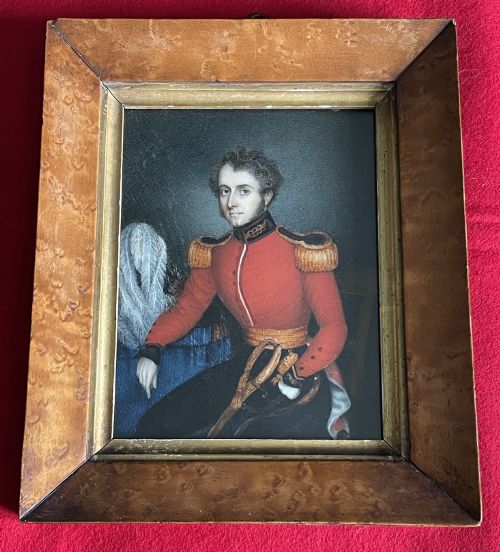
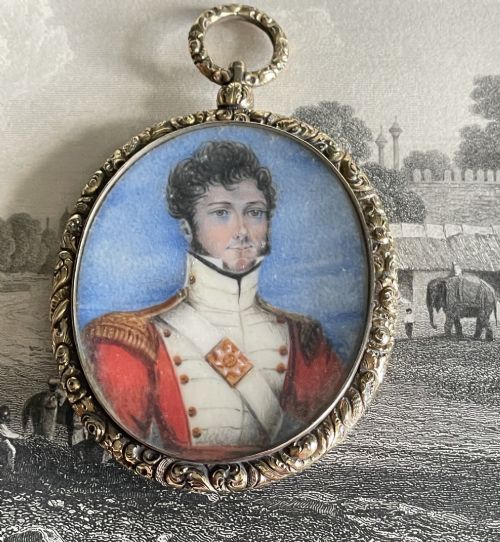


British Officer Picture
A british officer picture captures the martial history of the nation through painted portraits, delicate miniatures, and wartime sketches.
British Officer Picture
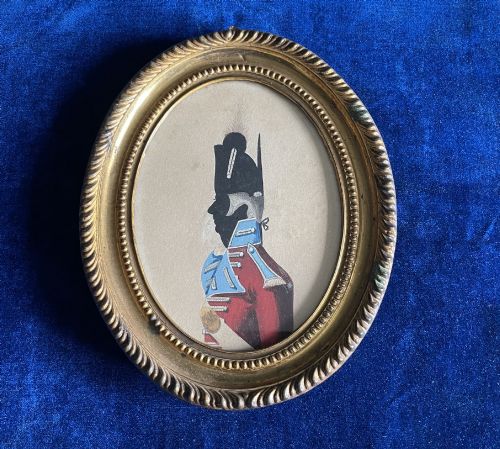
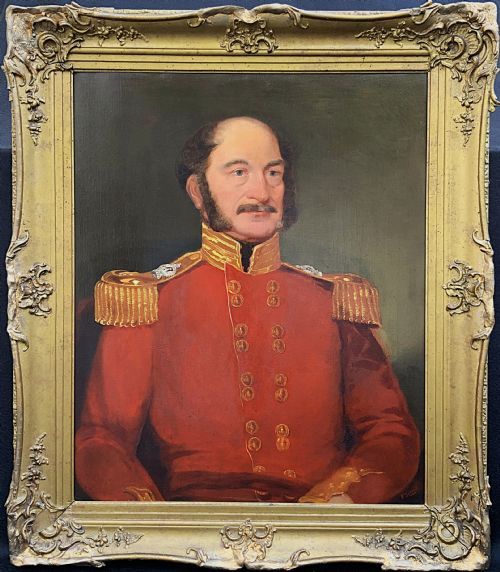
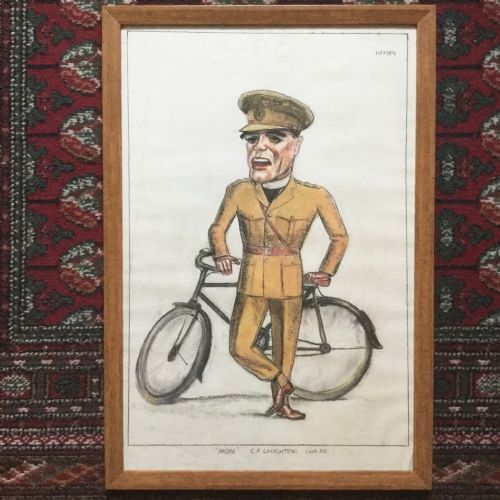
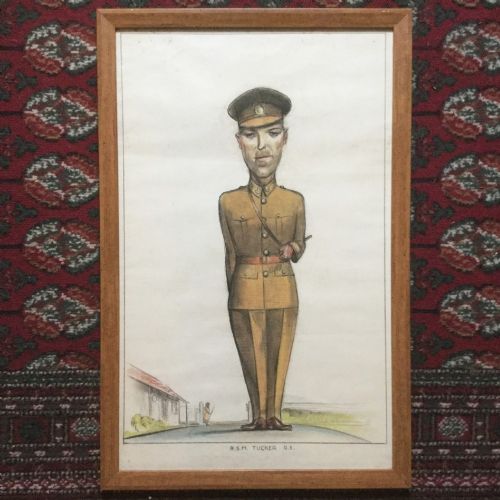
A british officer picture represents military personnel through various artistic mediums ranging from oil on canvas to delicate portrait miniatures on paper and glass. These artworks span multiple historical eras, including the eighteenth century, the Victorian period, and wartime twentieth-century sketches.
The subjects depicted include identified figures such as lieutenants, captains, and field marshals, often associated with specific regiments like the Royal Engineers or the Dragoons. Buyers frequently encounter framed watercolours, oil paintings, and pastel sketches detailing the uniforms and insignia of British service.
The origin of these works varies from British domestic commissions to Anglo-Indian colonial portraits, reflecting the global reach of the military. Styles shift from formal Georgian and Regency portraiture to rapid wartime illustrative sketches executed in gouache and pastel.
Materials and construction methods
Artists utilised traditional painting supports such as canvas, wood, and heavy paper, applying oil paints, watercolours, gouache, and pastels to capture the precise details of military dress. Portrait miniatures required exceptional precision on small surfaces, often protected behind glass within dedicated frames.
Framing materials such as giltwood complemented formal oil paintings and watercolours, while wartime sketches relied on simpler paper and card supports suited to rapid execution. Photographic works from the early twentieth century introduced early chemical and paper processing techniques to military documentation.
Represented artistic styles span Georgian, Regency, Victorian, Edwardian, and twentieth-century portraiture alongside wartime illustrative works.
Assessing quality and execution
Superior examples demonstrate meticulous attention to uniform details, facial expression, and anatomical proportion, particularly evident in fine eighteenth and nineteenth-century oil paintings. Lesser works might show hasty execution or generic rendering lacking individual character.
The sophistication of the medium dictates much of the visual impact, with master oil painters and skilled miniaturists achieving depth that simpler pastel or photographic sketches do not reach. Original framing and good preservation of fragile paper and watercolour surfaces also influence the overall standard of the piece.
The British Officer Picture Glossary
- Portrait Miniature
- A small, highly detailed painting executed on ivory, vellum, card, or paper, often housed in a protective case.
- Giltwood
- Wood that has been coated with a thin layer of gold leaf or gold paint, frequently used for traditional picture frames.
- Gouache
- An opaque water-based paint that dries to a matte finish, allowing for vibrant colour blocks in illustrative works.
- Regency
- An architectural and artistic style spanning the early nineteenth century, characterised by classical restraint and elegance.
British Officer Picture: Frequently Asked Questions
How do I date a military portrait?
Dating relies primarily on the style of the uniform, facial hair, headwear, and the specific medals or insignia visible in the artwork. Comparing these details with military dress regulations from periods like the Victorian era or Georgian times narrows the timeframe.
The medium and framing techniques also offer chronological clues, as oil paintings on canvas differ significantly in preparation from early twentieth-century photographs or wartime pastel sketches.
What is an Anglo-Indian military portrait?
An Anglo-Indian portrait depicts British officers serving within the Indian subcontinent, often painted by local artists or travelling British painters during the colonial era. These works frequently document service within the Madras Presidency and other regional commands.
Such pieces provide unique insights into the colonial military administration and often feature distinctive regional backdrops or lighting compared to domestic British commissions.
How were portrait miniatures displayed?
Miniatures were typically housed in small protective cases, hinged leather folding boxes, or hung directly on walls in tight groupings. Their small scale meant they were often kept as personal tokens of affection or remembrance.
Many retain their original brass or gilt surrounds and convex glass covers designed to protect the delicate watercolour or gouache pigments from dust and light damage.
What distinguishes oil paintings from pastel sketches?
Oil paintings on canvas or wood provide rich colour depth, smooth blending, and long-term durability, making them suitable for formal commissions of high-ranking commanders. Pastels and gouache offer a more immediate, matte texture ideal for rapid wartime illustrative work.
While oils require sturdy stretchers and heavy giltwood frames, pastel sketches on paper demand careful preservation behind glass to prevent the loose pigment from smudging.