


Red Coat Oil Painting
A red coat oil painting brings the striking scarlet uniform of British military history directly onto canvas.
Understanding the red coat oil painting
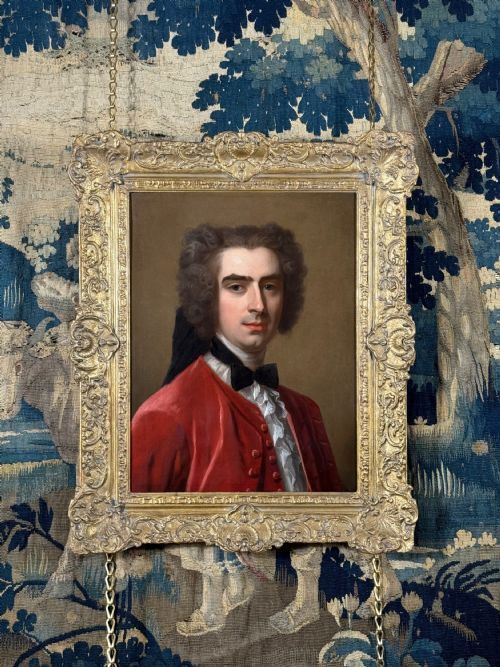
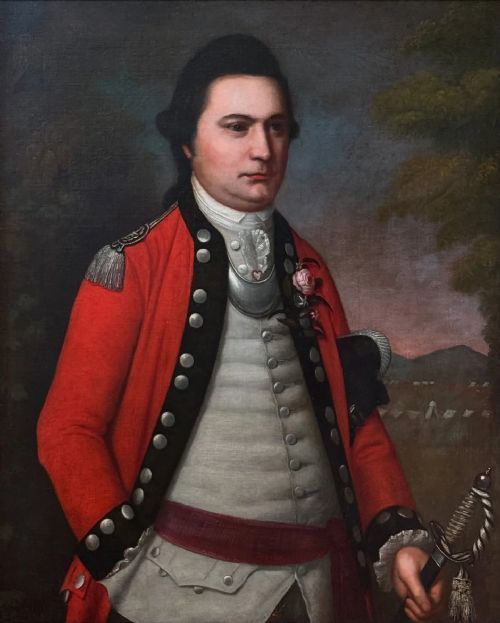
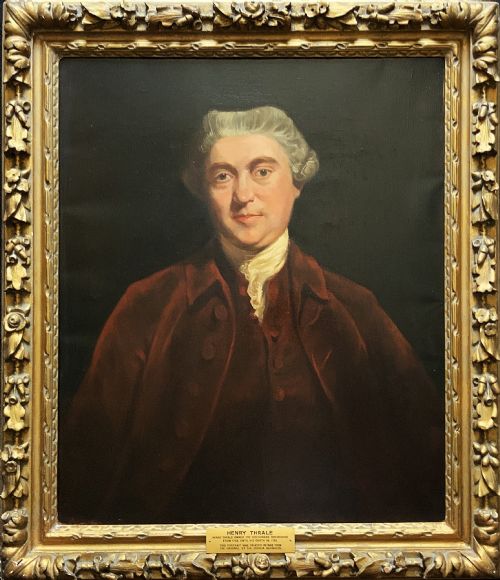
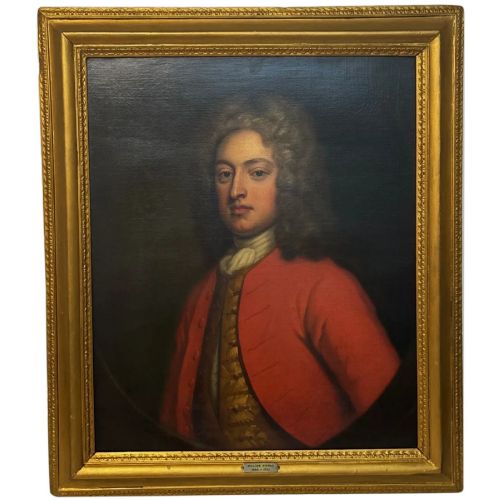
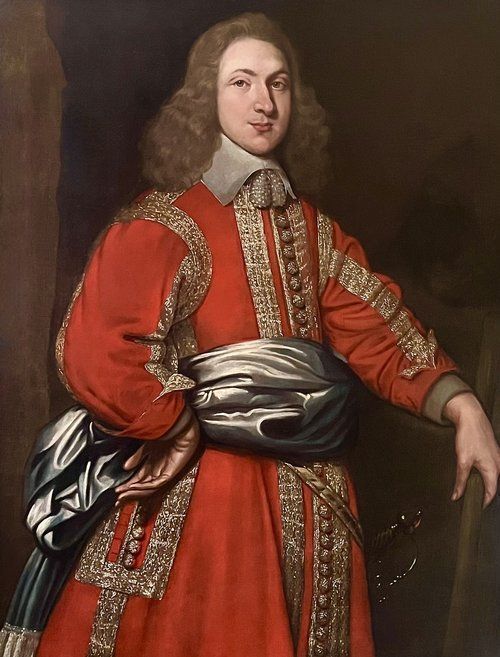
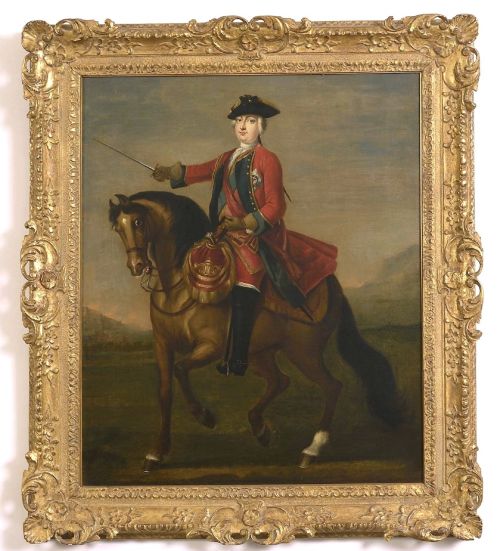
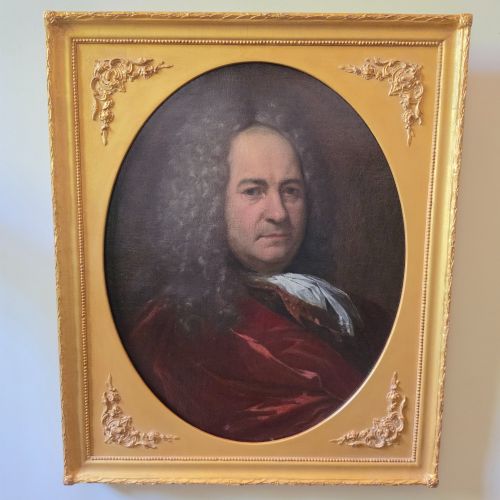
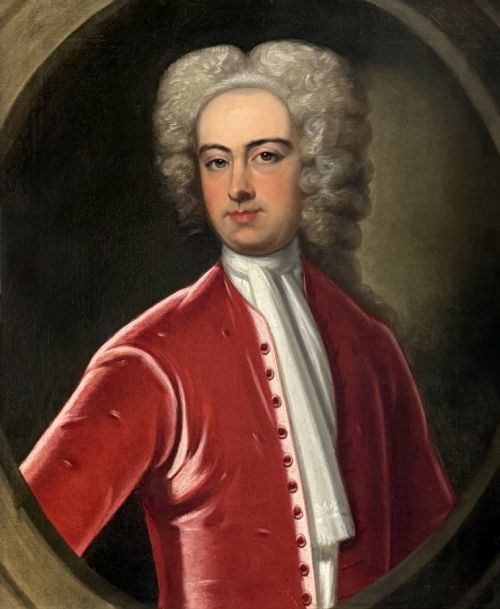
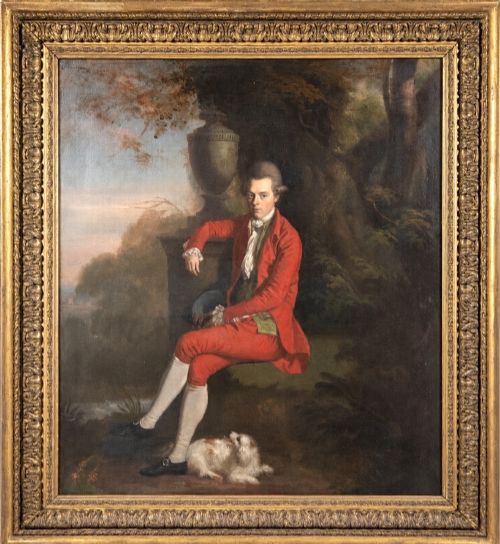
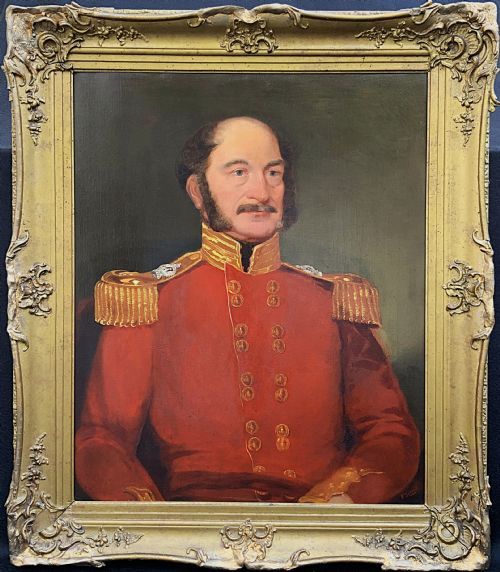
A red coat oil painting depicts military officers, soldiers, and regiments in their distinctive scarlet attire, spanning from the seventeenth century through to the Victorian era. These works capture specific historical figures, regimental musicians, and anonymous military officers through formal portraiture and genre scenes.
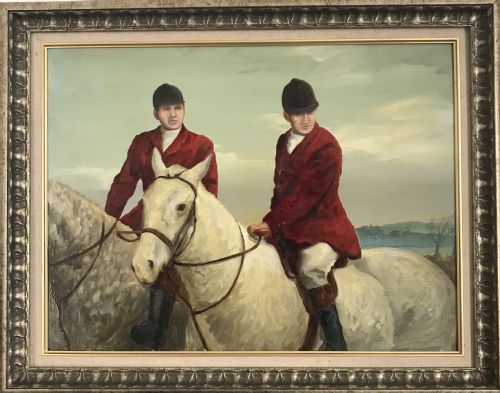
The pieces appearing on this page range from early eighteenth-century depictions of Scots Greys and military officers to nineteenth-century representations of Waterloo scenes and hunt subjects. Alongside formal canvases, buyers encounter primitive styles, folk art interpretations, and works painted in the manner of established portraitists.
Distinguishing quality
Quality in these military portraits rests upon the precision of facial rendering, the handling of textile details such as lace and gold braid, and the structural integrity of the canvas and frame. Superior examples demonstrate a confident command of light and shadow on the scarlet fabric.
Retail Price Guide 2026
Typical UK retail prices for red coat oil painting, calculated from the Sellingantiques database of over a million retail prices indexed since 2003. This retail price guide relies exclusively on Sellingantiques data; no external sources or auction records are used, so the figures do not describe the wider market.
Even horses in these hunting scenes appear to hold themselves with the strict posture of an infantry officer.
John Hamilton Mortimer·Michael Dahl·John Arthur Lomax·John Raphael Smith·Sir Godfrey Kneller·John Theodore Kenney·Hamish Paterson
The Red Coat Oil Painting Glossary
- Oil on canvas
- A traditional painting technique where pigments bound in drying oil are applied to a stretched woven fabric support. This combination allows for rich colour depth and subtle blending.
- Giltwood
- Timber carved and coated with a thin layer of gold leaf or gold paint, commonly utilised for decorative picture frames from the seventeenth century onwards.
- Folk art
- Artistic work produced from an untrained cultural tradition, often characterised by a primitive perspective and direct representation.
- Periwig
- A voluminous man's wig fashionable in the seventeenth and early eighteenth centuries, frequently seen in military and aristocratic portraits of the period.
- Regiment
- A permanent unit of an army commanded by a colonel, whose uniforms and history often provide the specific subject matter for military oil paintings.
Frequently Asked Questions
How do I identify the military rank?
Military rank in these portraits is typically indicated by uniform details such as gold braided shoulder epaulettes, lace trim, and specific headdress or tunic styles. Officers often display higher levels of ornamentation compared to private soldiers or bandsmen.
Examination of the background elements, medals, and commissioned sashes also helps determine the sitter's official standing within their regiment.
What periods do these paintings cover?
The works span from the seventeenth century through the Georgian and Regency eras, extending into the Victorian period and later twentieth-century interpretations. Each era brings distinct uniform cuts, wig styles, and framing traditions.
Earlier works tend to feature formal periwigs and stiff collars, while nineteenth-century canvases often show dynamic campaign scenes or detailed regimental portraits.
How should I hang an oil painting?
Oil paintings on canvas require stable environmental conditions away from direct sunlight, excessive heat sources, and high humidity. Utilising secure wall fixings suited to the weight of the timber stretcher and heavy giltwood frame ensures safety.
Regular inspection of the hanging wire and backboards helps protect the canvas from dust and structural strain over time.
Are these works original period pieces?
The selection includes authentic period paintings from the seventeenth through nineteenth centuries, alongside later interpretations, studio works, and pieces painted in the manner of historical artists. Listing details specify the era or approximate date for each canvas.
Reviewing the canvas condition, stretcher construction, and frame style provides further context regarding the age of the physical object.