
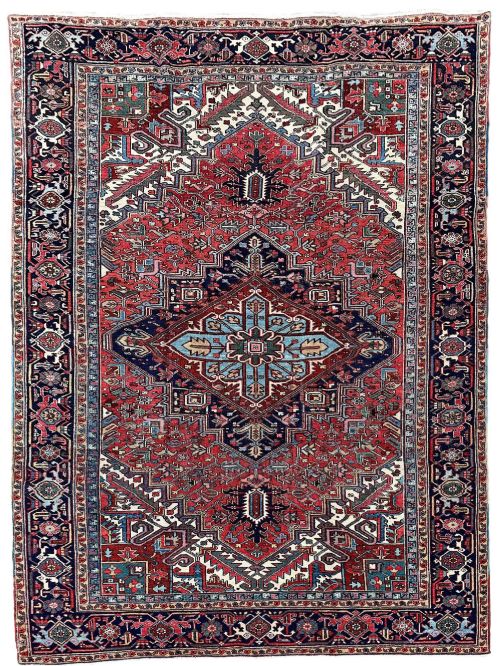
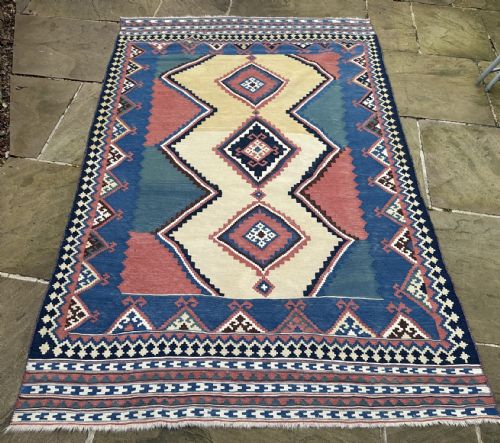
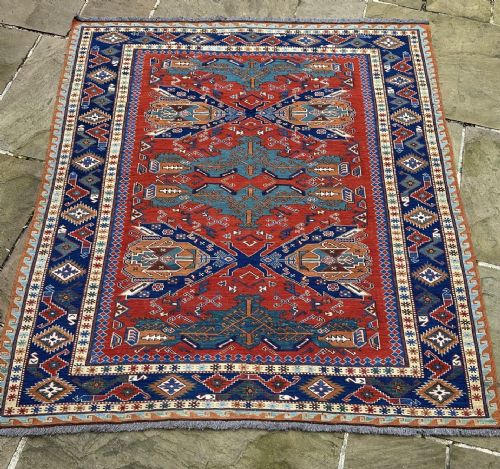

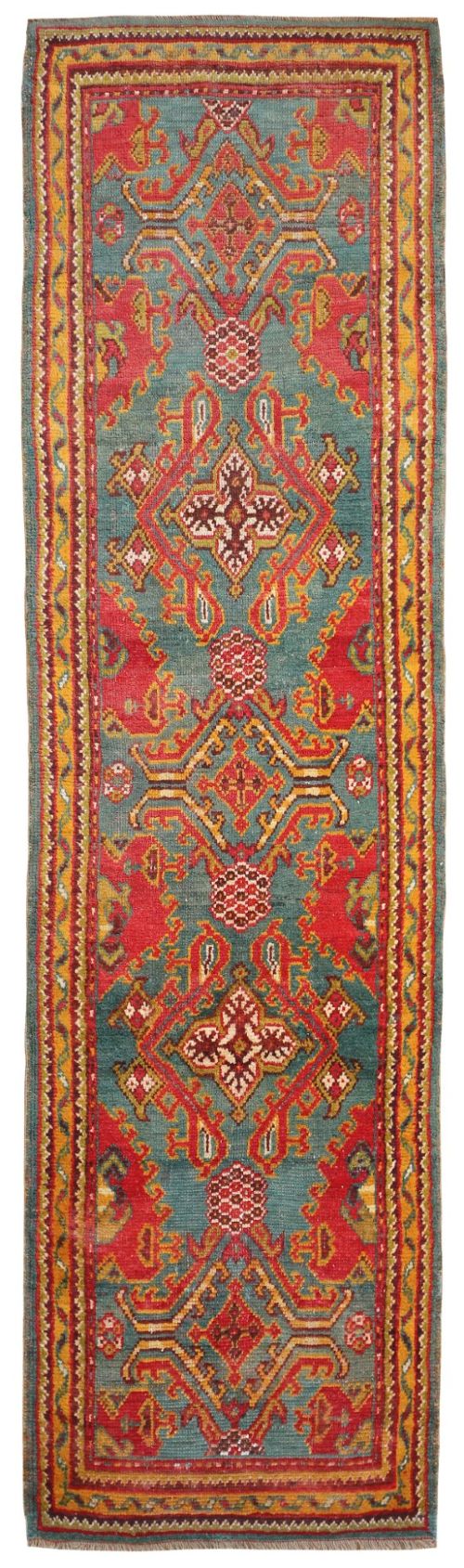
Red Blue Handwoven Rug
A red blue handwoven rug brings depth to a floor through rich vegetable dyes and centuries of village and tribal weaving traditions.
Red Blue Handwoven Rug
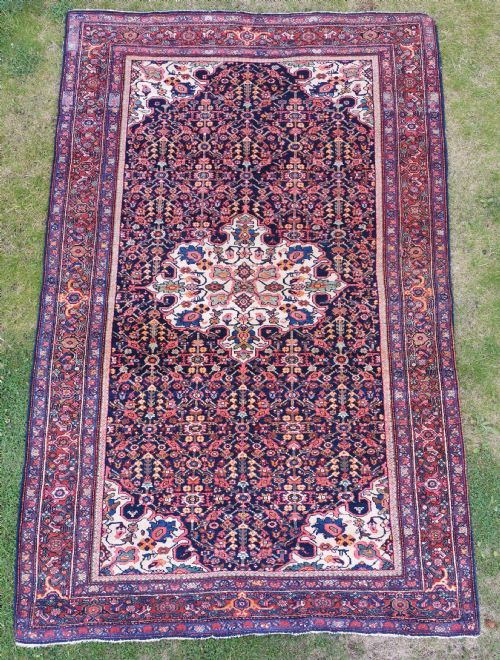
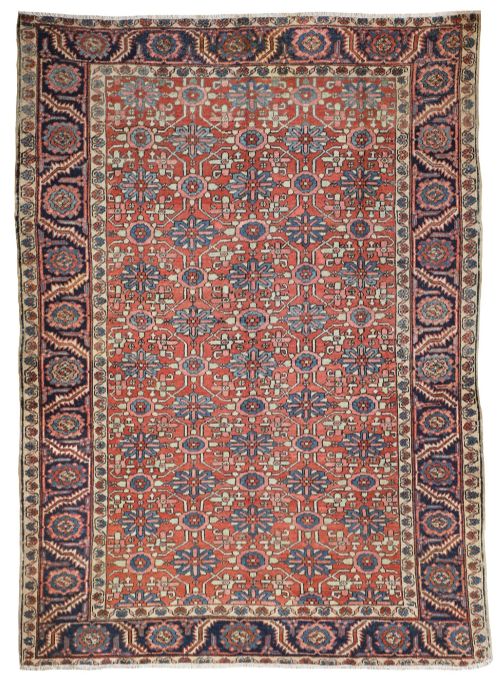
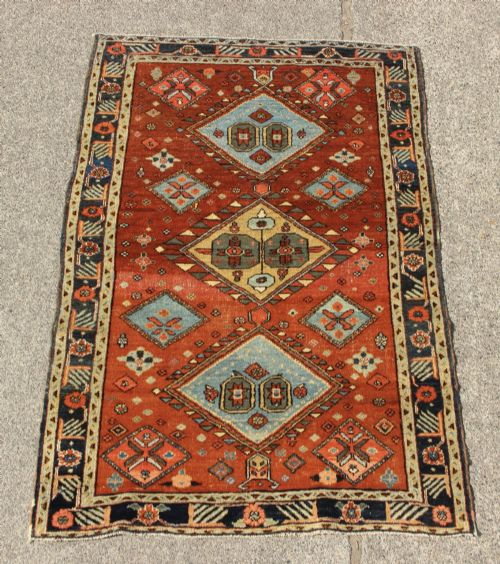
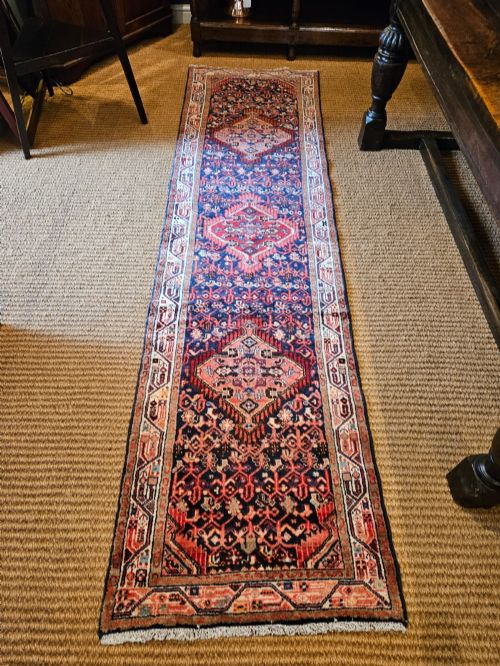
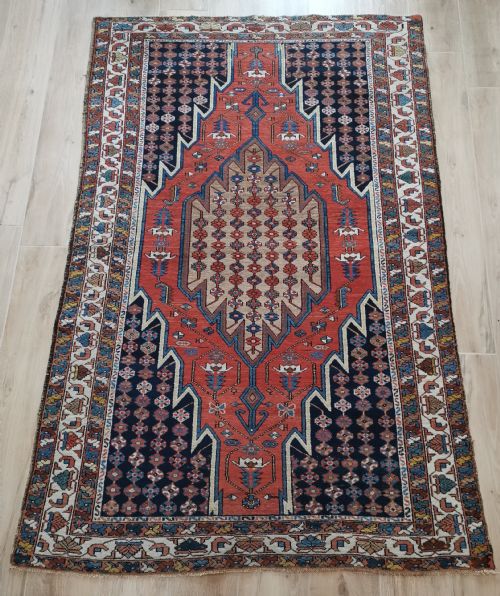
When you search for a red blue handwoven rug, you encounter floor coverings and textiles originating from Persian and Caucasian regions. These pieces span from the late nineteenth century into the mid-twentieth century, encompassing village productions and nomadic tribal work.
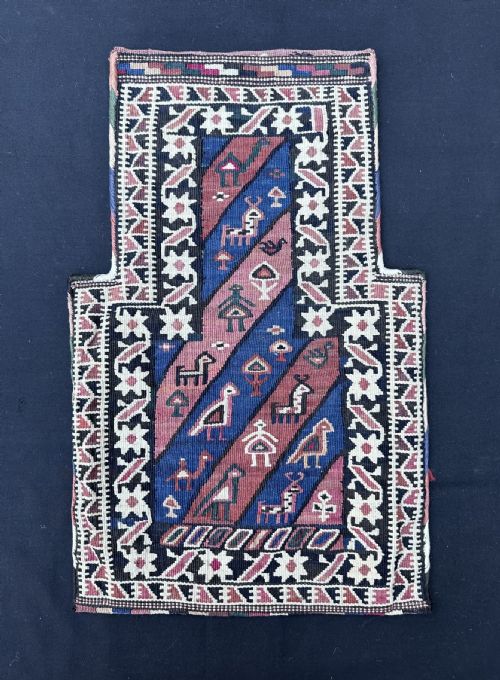
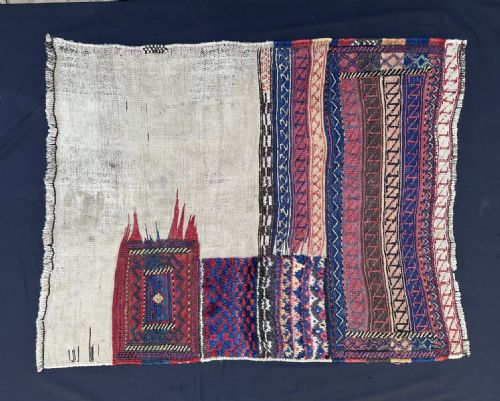
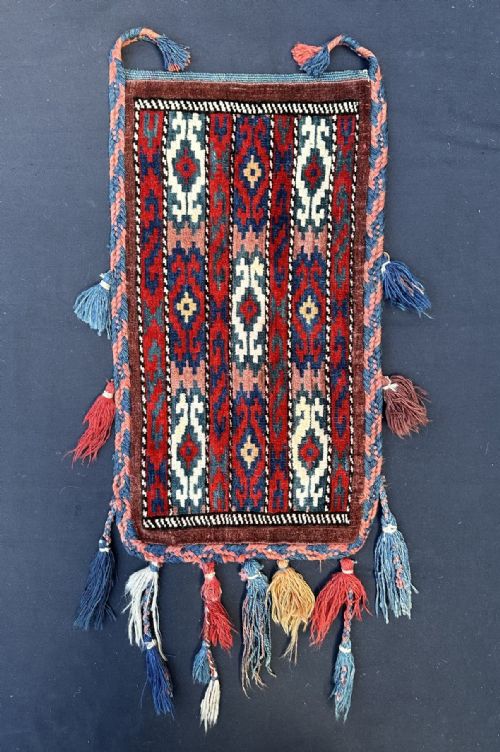
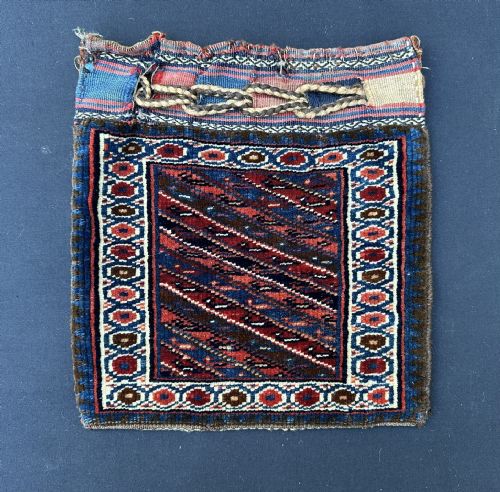
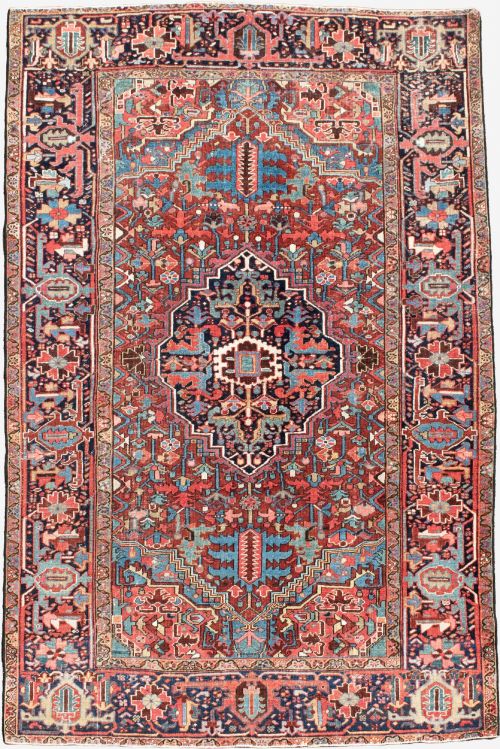
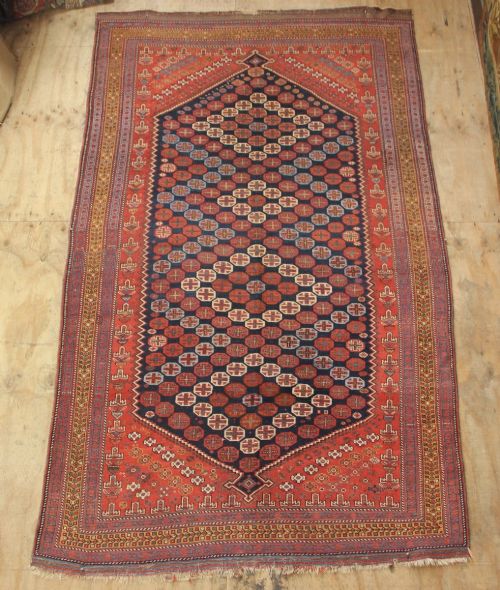
The selection on this page relies heavily on Persian styles such as Heriz, Afshar, and Hamadan alongside Caucasian rugs and runners. Smaller formats include salt-bags, spindle-bags, and kilims produced by nomadic groups.
Village weavers constructed these items for domestic utility rather than commercial export, resulting in robust wool carpets designed to withstand daily foot traffic. Each piece carries geometric medallions, tribal motifs, or floral field patterns rooted in specific regional traditions.
Materials and Construction
Makers utilised hand-spun wool for the pile, combined with cotton foundations in many town and village workshops. Nomadic pieces frequently incorporate wool for both warp and weft alongside supplementary leather details on specific bags.
Natural dyes provide the characteristic colour palette, yielding deep indigos and rich madder reds that age gracefully. Artisans tied symmetrical or asymmetrical knots by hand onto vertical looms, finishing the edges with sturdy wool selvedges.
Nomadic weavers occasionally incorporated tiny protective amulets directly into the wool pile to ward off misfortune.
Assessing Quality and Execution
Knot density and structural tightness separate finer workshop productions from coarser village weaving. A crisp definition in geometric motifs indicates careful planning on the loom.
The purity and depth of natural dyes dictate visual success, as certain vegetable tones mature with greater nuance than others. Intact original edges and minimal intervention preserve the integrity of older tribal textiles.
The Red Blue Handwoven Rug Glossary
- Heriz
- A Persian style known for bold geometric medallions and robust structural integrity. These carpets originate from the North-West region of Iran.
- Kilim
- A flat-woven textile produced without a pile using a technique where the weft threads are pulled tight over the warp. They function as floor coverings or utility bags.
- Kazak
- A classification of Caucasian rug distinguished by bright primary colours and large-scale geometric designs. Weavers in the southern Caucasus produced these staple pieces.
- Afshar
- A tribal grouping from southern Persia noted for repeating boteh motifs and rich indigo grounds. Their rugs display precise village execution.
- Natural Dyes
- Colourants derived from plants, roots, and insects rather than synthetic compounds. Indigo and madder constitute the primary sources for blue and red hues.
Red Blue Handwoven Rug: Frequently Asked Questions
How do I clean an antique rug?
Professional dusting and gentle hand washing maintain the integrity of wool pile and natural dyes. Avoid harsh chemical treatments that strip natural oils from the fibres.
Regular light vacuuming without a rotating brush bar prevents dirt accumulation in the foundation. Keep older textiles out of direct sunlight to prevent colour fading over time.
Where were these rugs made?
Production centres span Persian regions including Heriz, Hamadan, and Shiraz alongside Caucasian districts like Shirvan and Karabakh. Nomadic tribes such as the Qashqai and Yomut also created distinct regional formats.
Specific towns and tribal territories influenced the choice of motifs, dyestuffs, and weaving structures. Local geography dictated the availability of wool and specific dye plants.
Are tribal bags usable today?
Smaller pieces like salt-bags and spindle-bags function effectively as wall hangings or decorative accent items. Their dense wool construction handles light placement in low-traffic areas.
Back panels and leather attachments reveal the original utility of these nomadic objects. Mounting them safely preserves their textile history without risking structural damage.
What indicates a nineteenth century date?
Early examples display saturated natural dye palettes, looser foundational tension, and hand-spun wool with distinct textural irregularities. Structural wear patterns often align with genuine domestic use.
Design elements rely on archaic tribal symbols rather than standardised commercial patterns. Examination of the selvedges and fringe finishes provides further clues to age.