




Red Blue Mat
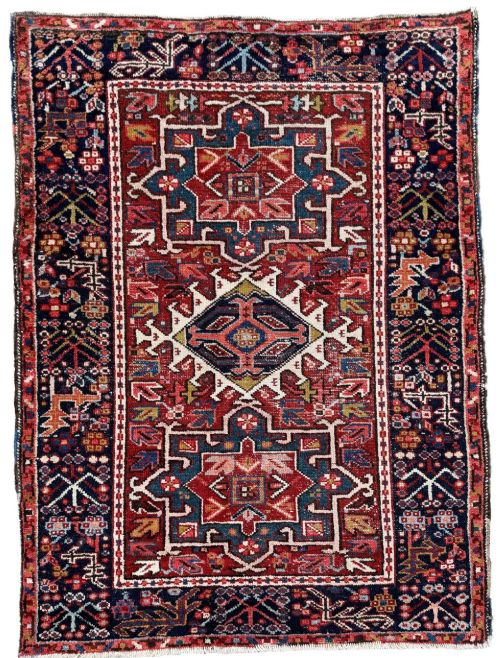
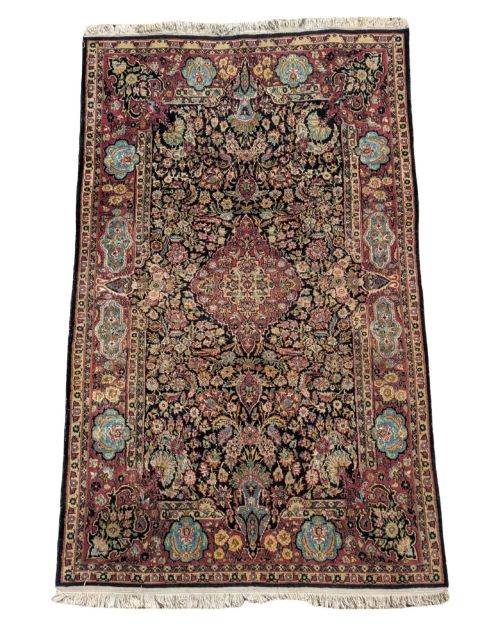
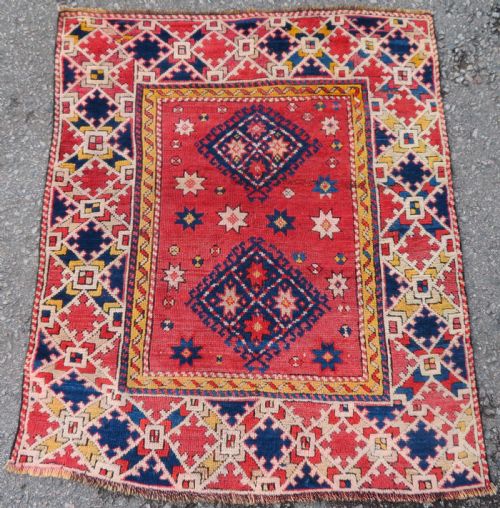
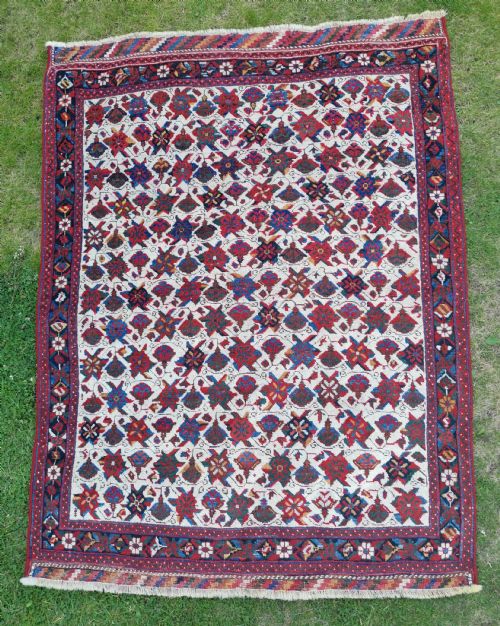
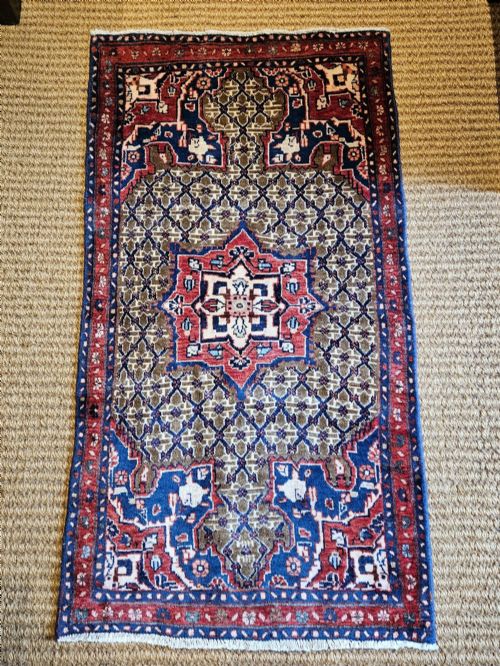
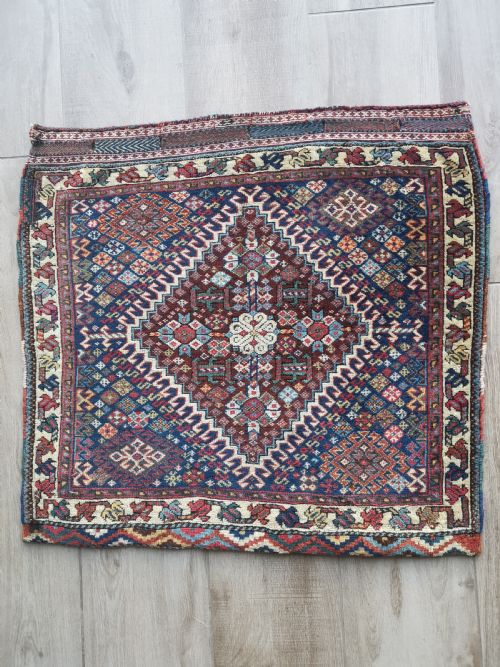
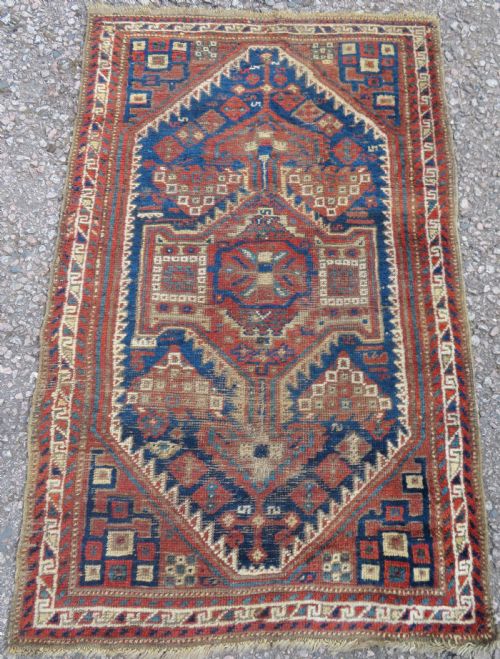
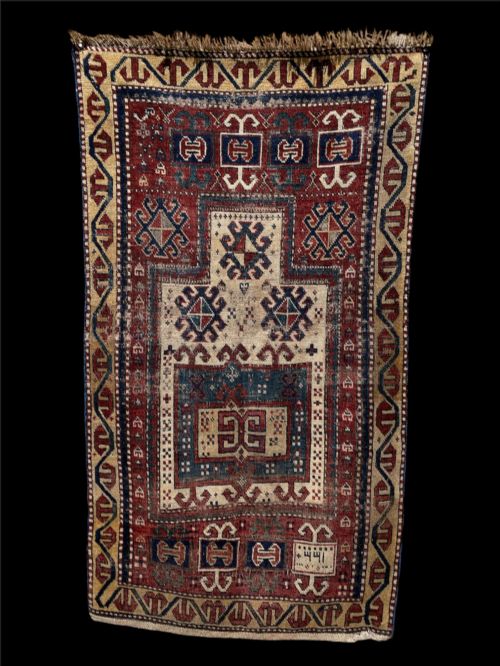
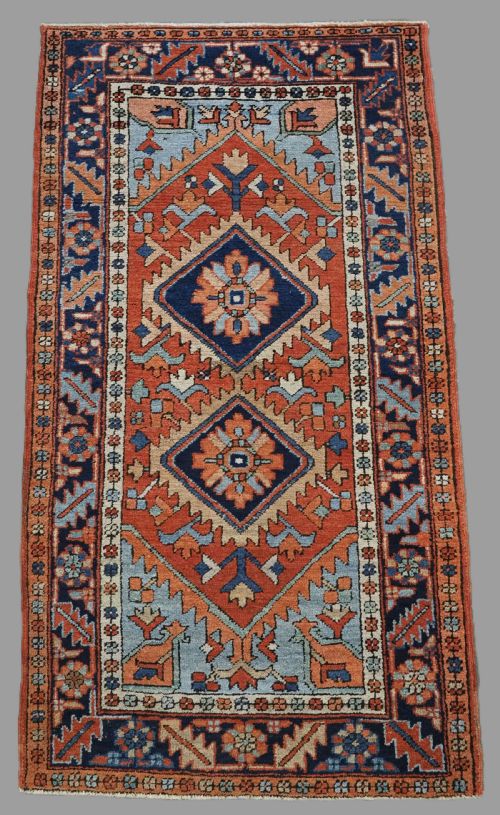
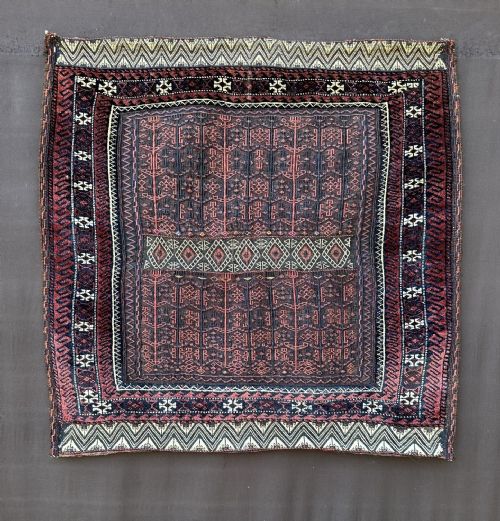
These red blue antique mat pieces bring together tribal weaves and village floor coverings filled with rich madder reds and deep indigos.
Red Blue Mat
When you search for a red blue antique mat, you encounter hand-knotted village rugs, tribal weaving, and prayer carpets originating from Persia, the Caucasus, and Anatolia. The selection spans floor coverings produced from the eighteenth century through the early decades of the twentieth century, with nineteenth-century examples appearing frequently.
The inventory covers a range of formats including small scatter rugs, prayer rugs with architectural mihrab designs, hearth-sized carpets, and functional tribal bags such as bagfaces and sofreh. Pieces from regions such as Karaja, Kazak, Bergama, and Afshar dominate the selection, each carrying the distinct geometric or floral vocabulary of its weaving tradition.
How they were made
Weavers constructed these textiles using hand-spun wool foundations and pile, occasionally incorporating cotton foundations or silk highlights for definition. Natural dyes provide the enduring palette, yielding deep madder reds and saturated indigos that settle into nuanced variations over time.
The structural integrity relies on hand-knotting techniques specific to tribal and village workshops across the Caucasus, Persia, and Anatolia. Dense knotting secures the pile to the warp and weft threads, creating durable floor coverings designed for generations of daily use.
Listings span periods from the eighteenth century to the 1930s, featuring wool, cotton, silk, and natural dyes across tribal and village forms.
What varies in quality
The standard of a piece depends on the depth and saturation of its natural dyes, which determine how cleanly the red and blue fields contrast. Master weavers achieved exceptional clarity in their geometric medallions and floral motifs through precise knot density and careful sorting of wool.
Structural balance and wool quality separate standard village work from finer collector pieces. Softer, high-grade hand-spun wool yields a supple handle that lies flat and ages gracefully, while rigid foundations or harsh synthetic undertones diminish the visual harmony of the weave.
The Red Blue Mat Glossary
- Mihrab
- The arched niche design found primarily on prayer rugs, pointing toward Mecca during daily devotions. This architectural motif structures the upper field of many Caucasian and Anatolian pieces.
- Sofreh
- A flatwoven or piled cloth used for dining, kneading bread, or serving food within nomadic households. These utilitarian textiles often feature striking tribal symbols and border systems.
- Madder
- A natural red dye derived from the roots of the Rubia tinctorum plant, widely used across Persia and the Caucasus. It produces warm, earthy terracotta and deep crimson tones.
- Kazak
- A group of rugs woven by various tribal groups in the southern Caucasus known for bold geometric patterns. They typically employ strong primary colours and large-scale octagons or hooked polygons.
- Gul
- A medallion or repeating guli motif used across Central Asian and tribal carpets. The shape acts as an ancestral clan identifier within the weaving tradition.
Red Blue Mat: Frequently Asked Questions
How do I clean an old rug?
Surface dust should be removed gently using a suction-only vacuum without a rotating brush bar. Professional textile conservators should handle deeper washing to protect natural wool and historic dyes.
Water immersion and harsh detergents can damage the foundation threads or cause fugitive colours to bleed. Regular rotation ensures even wear across high-traffic areas in your home.
Can I place these on wooden floors?
These textiles sit comfortably on timber flooring when paired with a breathable, high-friction underlay. The backing prevents slipping while protecting both the floor surface and the fragile wool foundation from abrasion.
Direct contact with modern synthetic carpet backings should be avoided to allow air circulation. Position the rug away from continuous direct sunlight to preserve the strength of the natural dyes.
What is a prayer rug?
A prayer rug is a portable textile featuring a distinct arched design known as a mihrab, which indicates the direction of prayer. Historically, users laid these mats on the ground for daily devotions.
Their compact size made them easy to roll up and transport during nomadic migration. Today, collectors value them for their focused compositions and symbolic iconography.
How are different origins identified?
Weavers incorporated specific regional traits, including distinctive knotting structures, characteristic border arrangements, and regional colour palettes. Caucasian pieces often display crisp geometric medallions, while Persian examples tend toward intricate floral curves.
Examining the selvedges, fringe construction, and wool preparation provides further clues to a piece's provenance. Comparing the secondary colours helps distinguish between Anatolian village work and nomadic tribal output.